

Police warn of ‘dodgy websites’ posing as official Hajj booking platform
2025 saw victims of Hajj fraud report nearly £200,000 in losses — but that figure is likely to be the tip of the iceberg and fraudsters are adapting

Police are urging “young, tech-savvy” Muslims to report fake websites posing as the official Hajj booking platform amid an apparent surge in the cost of pilgrimage-related fraud.
Aspiring pilgrims told police they had been swindled out of £195,752 in 2025 – up 30% from £150,000 in 2024, data obtained by Hyphen through a freedom of information (FOI) request reveals. City of London Police, which leads nationally on fraud policing, logged 34 reports of Hajj-related fraud last year, with the highest individual loss coming to £64,000, the data shows.
But the actual amount lost to fraudsters was likely to be many times higher. The Council of British Hajjis (CBH), a charity that supports pilgrims, has previously estimated the proportion of victims who report Hajj fraud could be as low as 3%. If that estimate is accurate, it could mean that Muslim Brits were conned out of millions in 2025.
Detective Chief Inspector Kevin Ives, City of London Police’s joint lead for Hajj fraud, told Hyphen he did not know what had driven the year-on-year rise in reported financial losses.
Related content
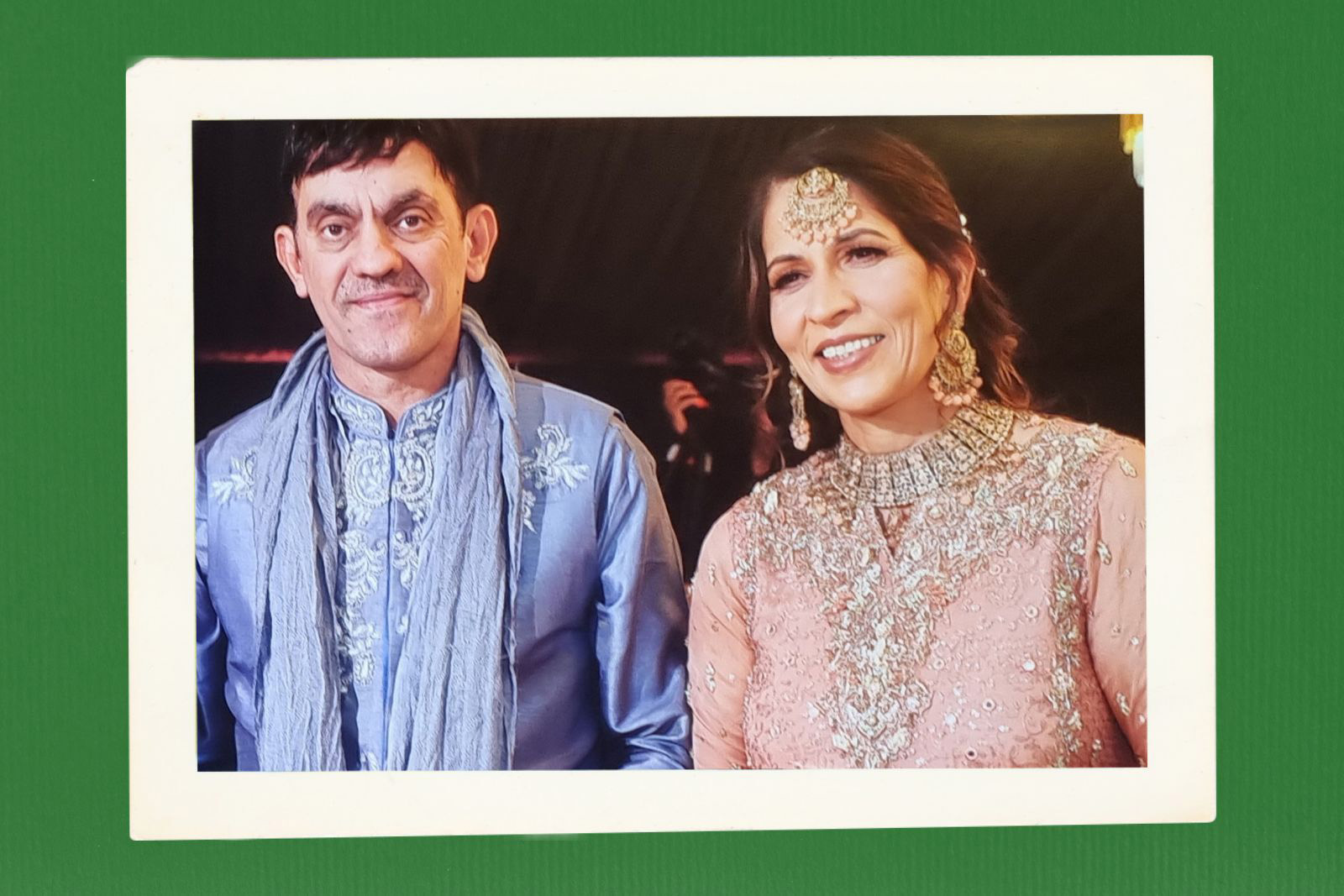
“We hope that our messaging to report crimes is hitting home, but we are also worried the criminals are finding new tactics after the pivot to Nusuk,” he added.
Nusuk is the Saudi government’s official website for booking all-inclusive Hajj packages, which can include services such as visa issuance, flights, accommodation, catering, transport and guidance. Pilgrims travelling to Mecca from eligible countries, including the UK, can book a Hajj place only through the platform.
The rollout of this self-styled “one-stop shop” for pilgrimage packages in 2022 has coincided with a decline in reports of Hajj-related fraud via the UK’s Report Fraud service — recently rebranded from Action Fraud — though this only ever received highs of 40 or 50 Hajj reports annually over the past decade, Ives said.
“Our main issues were backstreet agents, dodgy agents selling packages they couldn’t deliver on or were never going to, and that’s been taken out of the game, largely, by Nusuk,” said Ives. But he warned that fraudsters are adapting and that the force is now receiving a trickle of reports about fake Nusuk sites — a trend he’s concerned is being under-reported.
“Let’s say a young tech-savvy potential pilgrim went on a website and thought ‘That is rubbish, this fraudulent website is rubbish that is never going to fool me’, and just clicked past and went to the real one,” Ives said.
“If they don’t report that, the next person, who might be elderly and not quite so tech-savvy, might well fall for that website.”
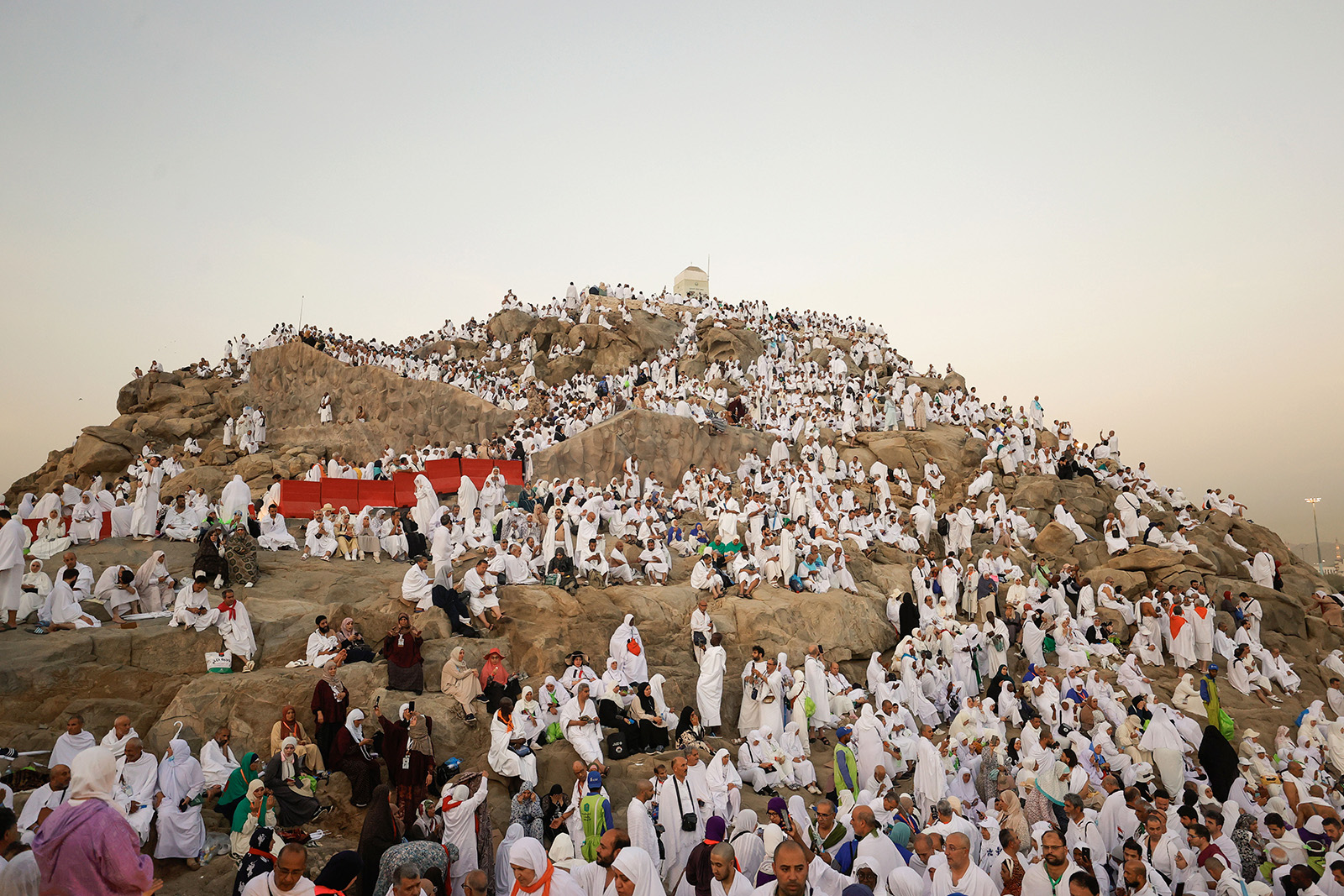
Hajj is expected to take place between 25 May and 30 June this year, packages are quoted online costing from £4,500 per person to more than £12,000 a head for luxury options, and registration for pilgrims from Muslim minority countries opened in November. There are about 3,600 places for UK pilgrims on Hajj each year.
The FOI figures from Report Fraud show that the most reports in a single month during 2025 — five — were received in May, while four were also logged in each of February and September.
The most common category for the reports was “other consumer and retail fraud”, which can include the “misrepresentation of a product advertised for sale or the non-delivery or non-existence of products purchased that do not fit under other types of consumer and retail fraud”, according to the Office for National Statistics.
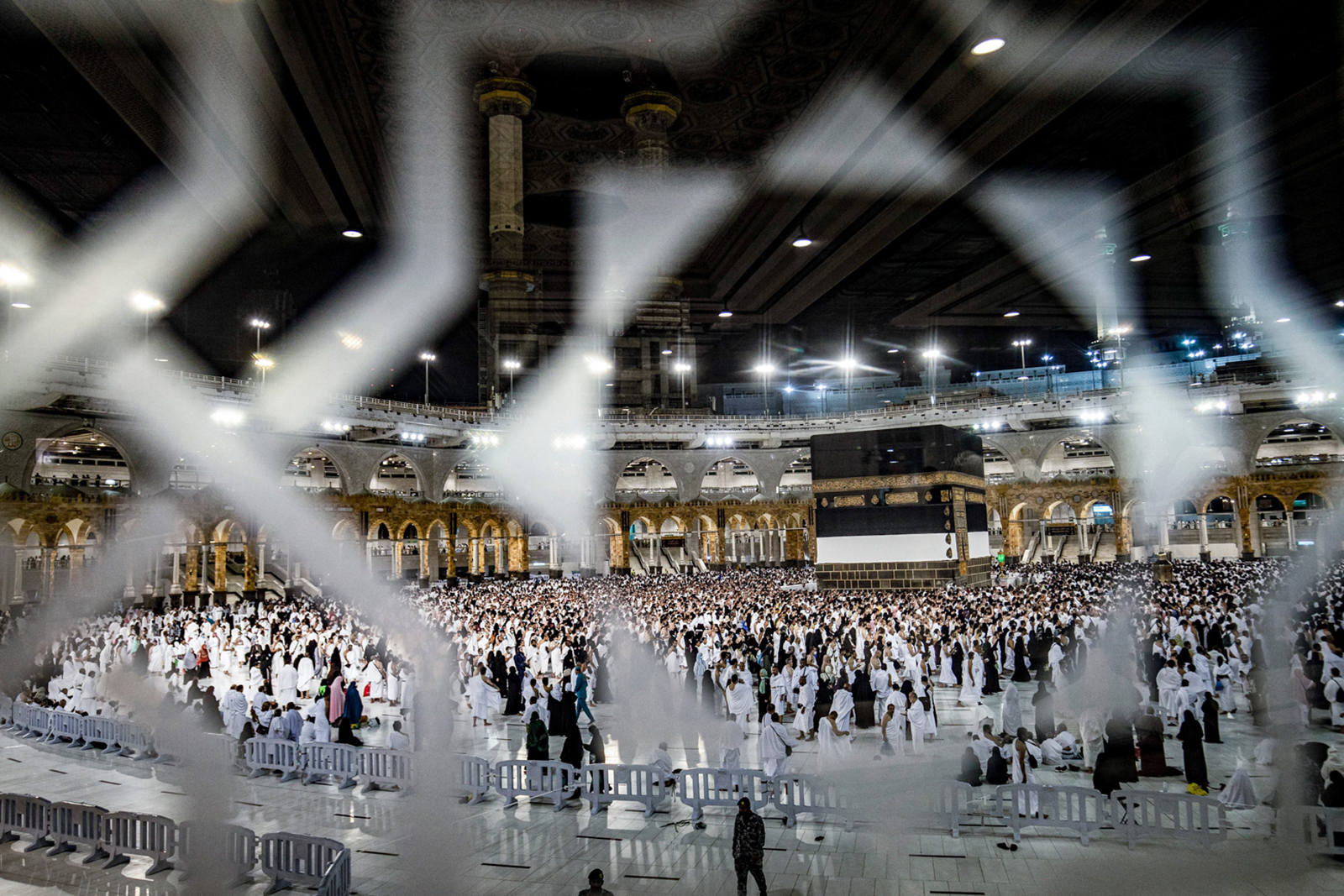
Seven such reports, the second highest volume, related to ticket fraud: where victims purchased them in advance but they were never supplied or were invalid or “worthless”.
The City of London made no arrests over Hajj fraud-related last year as the “crime type has changed”, largely moving online — meaning offenders can be anywhere in the world, Ives said.
“If it’s not clear that the person is in the UK and arrestable, then we will try to shut that website down,” he said. “If we get reports about the bad websites, we want them early and we want them quickly so we can just take those websites out.”
Ives said only a “handful” of “dodgy websites” had so far been reported.
“We don’t think we’re getting enough reports from people and we’re desperate for people to report to us,” he said.
“This is one of the most harmful fraud crime types that there is.
“People can save up their whole life, because it is very expensive, and if they lose their money they lose their chance.”
People should use the official Nusuk website to book Hajj and book it only with one of the travel agents listed on the site, he added.
Has Hajj-related fraud negatively affected you or someone you know? Contact saman.javed@hyphenonline.com.