

Wajid Akhter: people are now the Muslim Council of Britain’s priority
The organisation’s general secretary is on a mission to empower and enfranchise UK Muslims at grassroots level

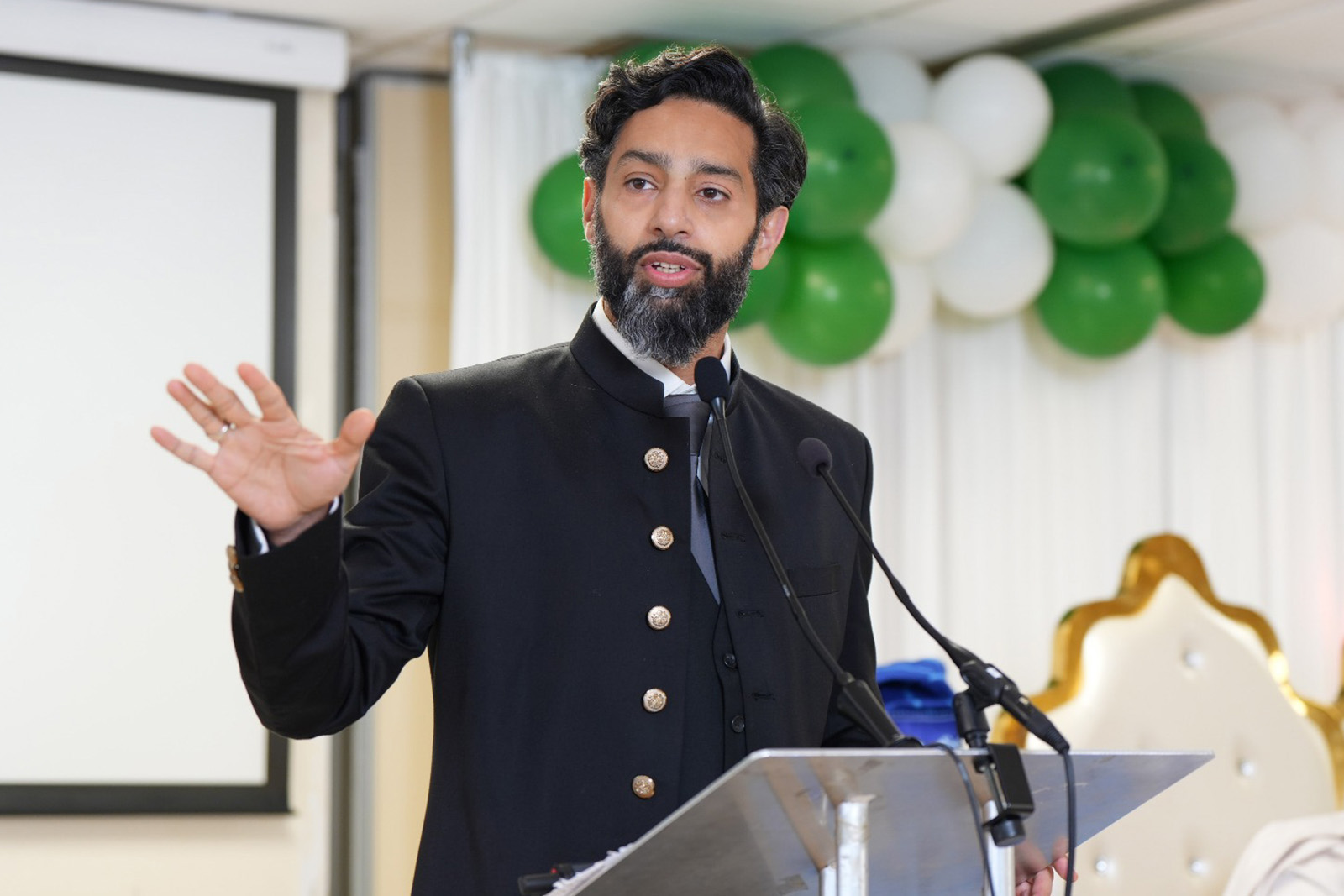
Dr Wajid Akhter wants to get more Muslims to the polls this May.
Akhter, 44, was elected general secretary of the Muslim Council of Britain (MCB) in January 2025. Now, he is leading the organisation’s Ramadan campaign, Hungry for Change, which aims to boost Muslim voter turnout at the May local elections.
Speaking to Hyphen about the significance of the vote, Akhter points to text messages released by Wes Streeting in February, in which the health secretary revealed his fears about the next general election.
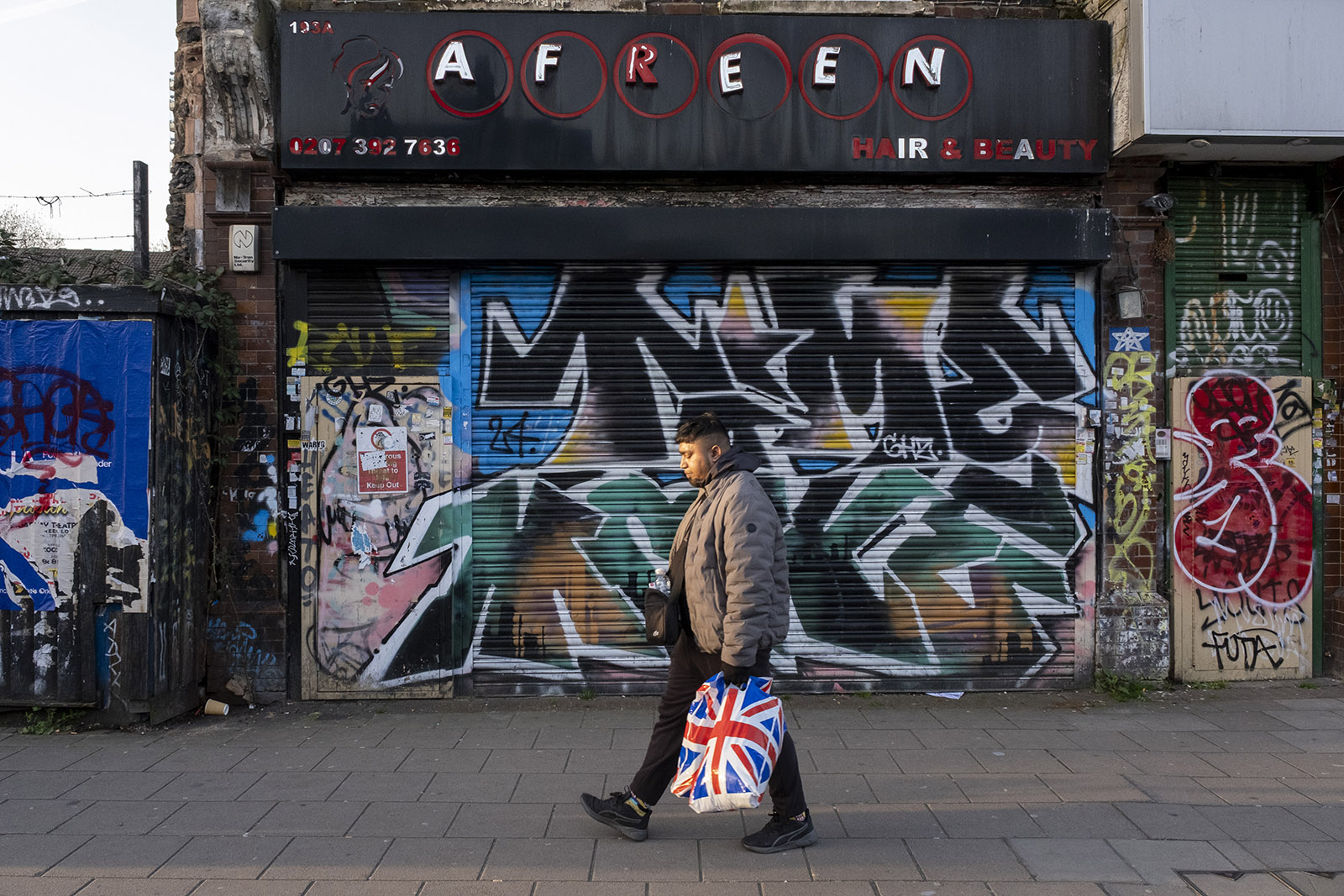
“I fear we’re in big trouble here — and I am toast at the next election,” Streeting wrote to Peter Mandelson, the disgraced former ambassador to the US, in March 2025. “We just lost our safest ward in Redbridge (51% Muslim, Ilford S) to a Gaza independent. At this rate I don’t think we’ll hold either of the two Ilford seats.”
“One of the most powerful politicians in the country was watching closely the result of a local byelection in his seat and the rest of us aren’t paying attention,” Akhter says.
Turnout at local elections in England sits at just 30–40%, far below that of the 2024 general election (59.7%). Research suggests Muslim participation may be even lower. In 2024, the Institute For Public Policy Research found turnout at the general election was 51% in areas where a third of the population is Muslim, compared with 61% in areas with fewer Muslims. Meanwhile, a 2021 Labour Muslim Network survey also found 34% of Muslims did not vote in that year’s local polls.
“We need to get out of this mode of complaining,” says Akhter. “We’re good at complaining, marching and boycotting. We’re not very good at policy changing, advocacy and political engagement to make those changes. Getting involved in local elections is one step we will be taking.”
He adds that it is vital for Muslims to engage in local politics, where “real decisions” about daily life, from libraries and parks to public services, are made.
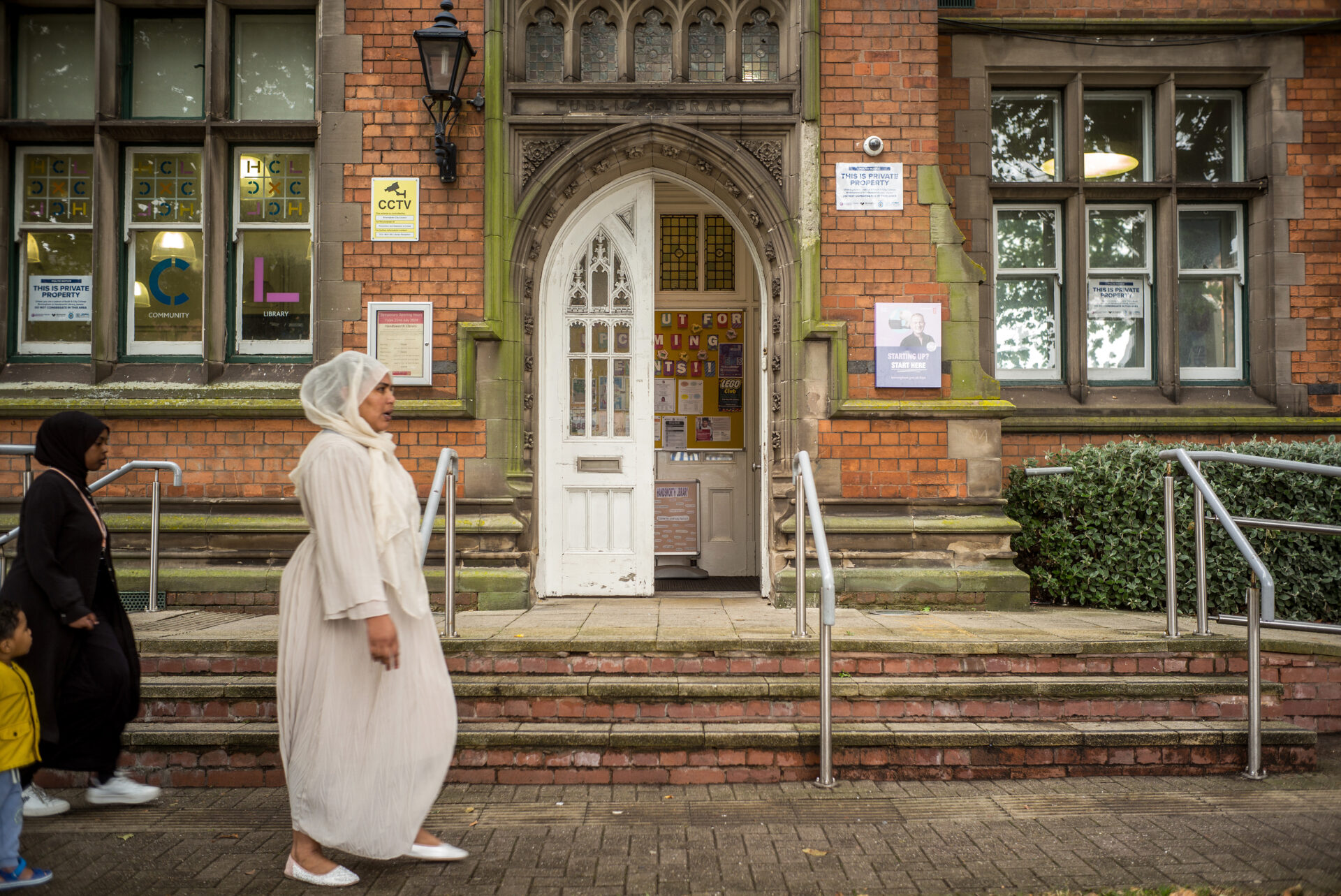
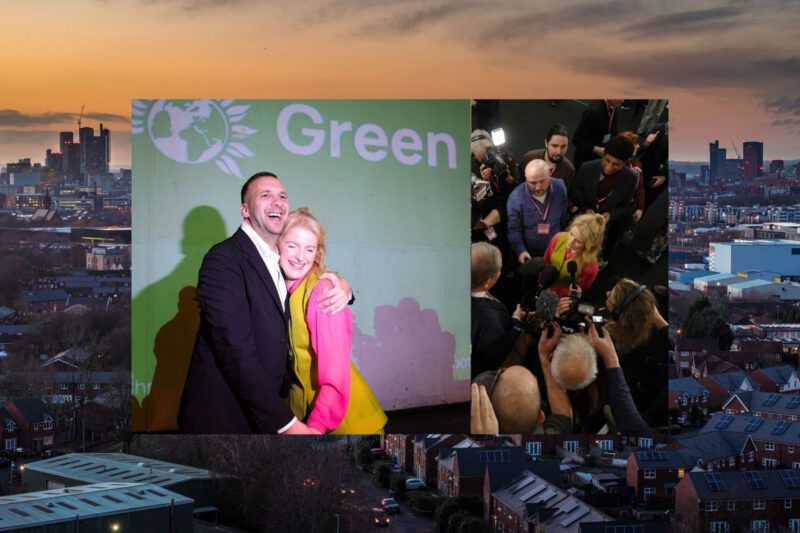
As the Green Party celebrates a historic win in Gorton and Denton, a Labour stronghold since 1931, Akhter believes the forthcoming local polls will also be “a bellwether for the next general election”.
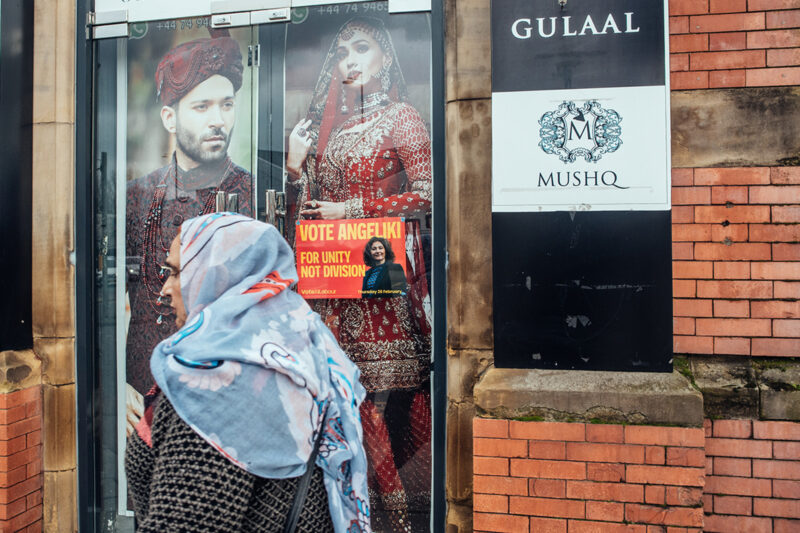
The MCB is prioritising its campaigning in towns and cities with large Muslim populations, including Bradford, Dewsbury, Birmingham and London. To drive active engagement in the process the organisation has enlisted teams of “get-out-to-vote champions” — community volunteers stationed across England who are speaking to family and friends, going door-to-door in their neighbourhoods and setting up in mosques, where they are registering people to vote as they leave prayers.
“It’s not about taking power, or getting Muslims elected,” says Akhter. “We’re saying we need to be engaged, we need to be a factor, because up until now we are treated as if we aren’t relevant.”
Akhter adds that anyone can become a champion, as long as they are committed to encouraging their community to get out and vote.
“The messenger is as important as the message,” he says.“We know that in Islam the prophet was as important as the message he was bringing. We need both to deliver. So if you’re hungry for change, we really want the Muslim community to be engaged in that process.”
Part of the MCB’s motivation is to counter attitudes and a general political climate that Akhter says is extremely hostile to Muslims, and has left many feeling alienated from wider society.
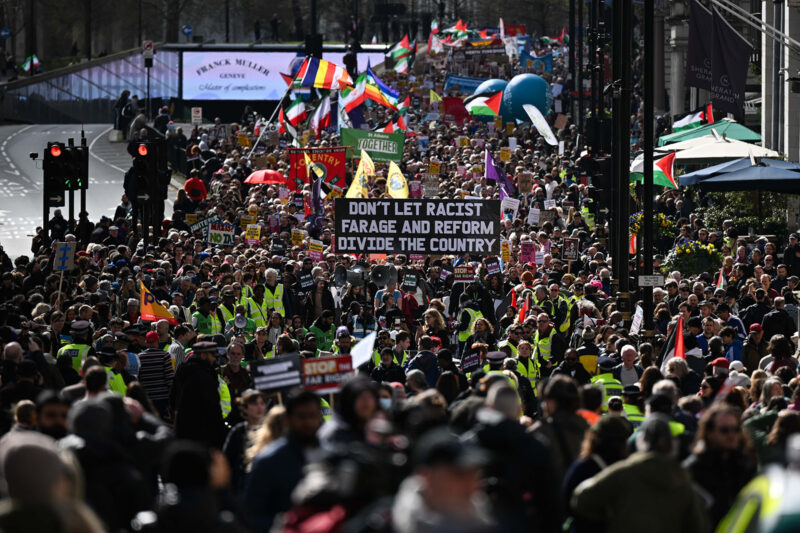
“It’s 360 degrees, surround-sound attacks on Muslims, whether you go on social media, or if you look at parliament,” he says. “We are people who are being told we’re hate marchers for protesting against genocide, we are being taken to court for standing up for Palestine, we’re being smeared as groomers for the actions of a few, which we absolutely condemn. This is having a huge impact on the communities’ view of themselves and also their place in society.”
Akhter attributes the present atmosphere to both the government and the opposition failing to stand up to increasingly influential far-right ideologies. Nigel Farage’s Reform UK is now topping polls as the most popular party in the country. Its key pledges include restricting immigration, enforcing deportations and tightening border controls.
“When there is an ideology that is built on presenting a big section of the country as foreigners that need to get out, you cannot be lukewarm about this,” Akhter says.
“That’s all we’ve had from both Labour and the Conservatives, and the Muslim community has been the sacrificial lamb. It’s infuriating. It’s a very difficult time for the community. We need politicians who are going to stand up, push back and not give an inch.”
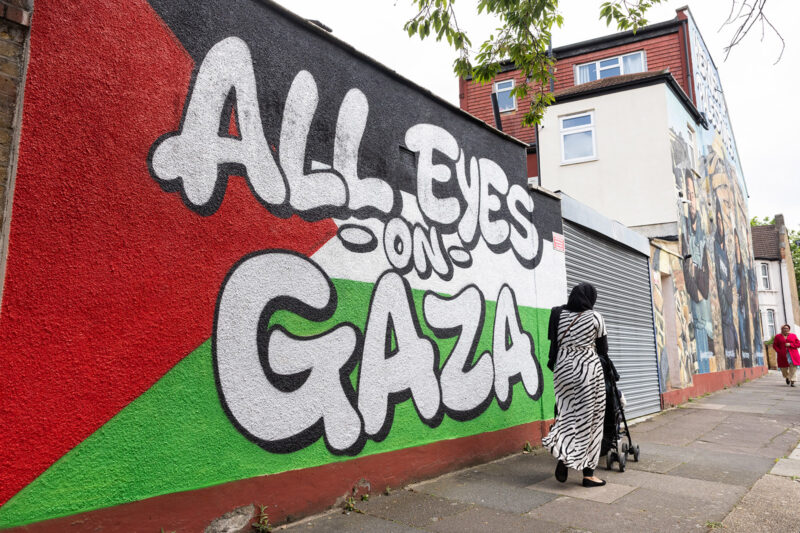
Akhter points to the government’s handling of Israel-Palestine and Islamophobia as examples of that failure. The Labour Party, under the leadership of Keir Starmer, promised an official definition of Islamophobia when it came to power, but has not yet delivered. The government formally recognised the state of Palestine in September 2025, but the following month, Home Secretary Shabana Mahmood described pro-Palestine protests as “fundamentally un-British”.
“We’re going to recognise Palestine but we are also going to call you hate marchers,” Akhter says. “We will give you an Islamophobia definition, but we won’t speak to representatives from your community. This is not picking a side, it’s just annoying everyone.”
Akhter, a GP by profession, was elected leader of the MCB on a pledge to serve the interests of ordinary British Muslims. At that point he believed that many people were either unaware of the MCB’s existence or “had formed an opinion that we are not relevant or not working in their interests”. One of his first actions was a undertaking a listening tour across the UK, with the aim of rebuilding trust in the organisation.
“We went from trying to engage mainly with the government, to facing the grassroots. I call it changing our qibla,” he says. “Our qibla, our focus, our direction was the government. Our priorities are now the opposite, it’s our people.”
Part of winning back that trust has simply been spending more time with community organisations. “If I get invited to meet an ambassador or to a five-star hotel for an event, and there’s a competing event at an Islamic society or a youth group, I will always favour the youth group because that’s where the real work is happening,” he explains.
The MCB has grown its volunteer base in the past year, but Akhter is honest about the challenges the organisation faces. “The sheer volume and complexity of issues that come to the MCB and, ultimately, my door, is still something I’m getting used to,” he says.
One recent example is the recent news that Waymo, Google’s driverless car company, is planning to launch in London. As a significant proportion of taxi drivers in the UK are Muslim, the introduction of driverless cars could threaten thousands of livelihoods.
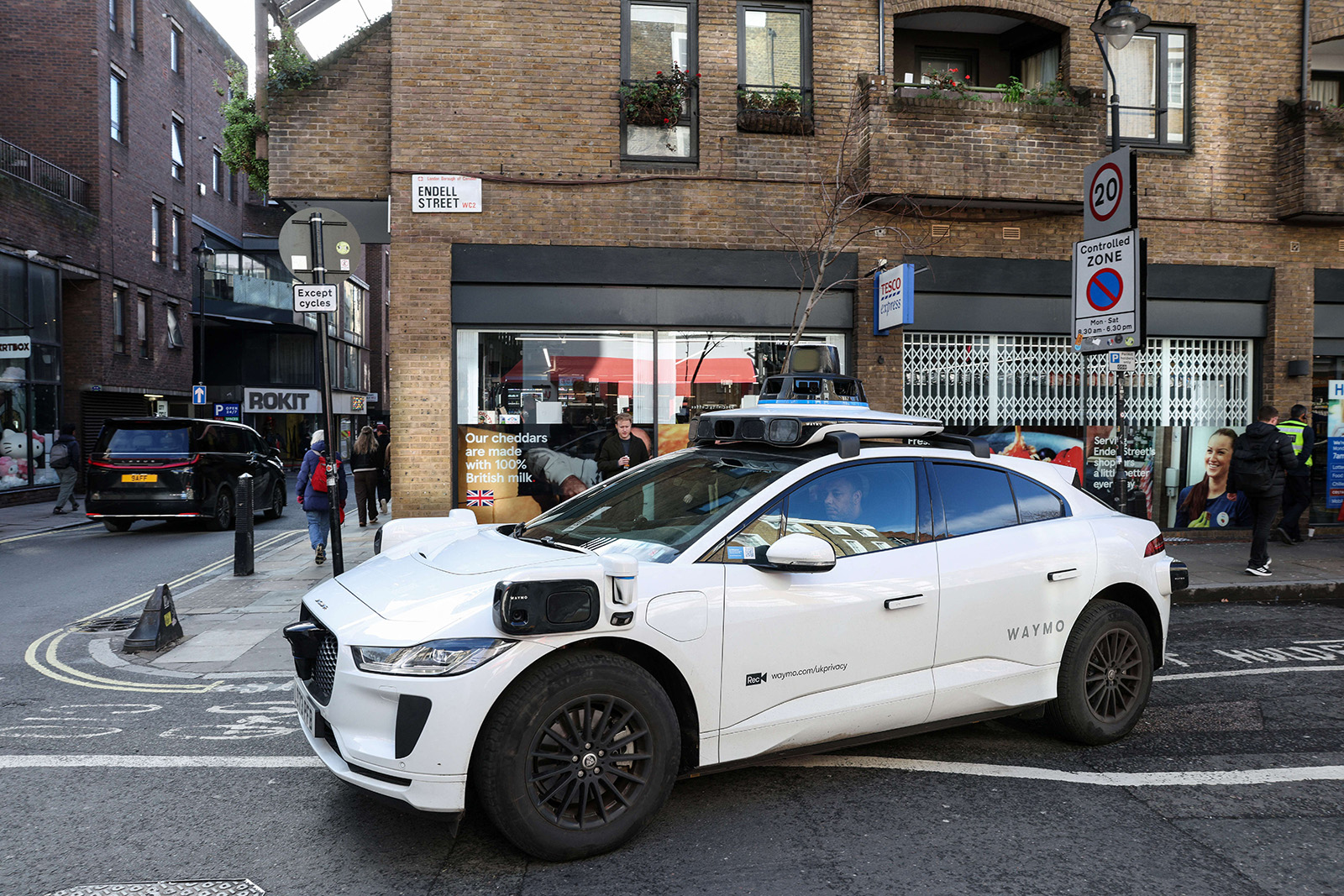
“What happens to their families, to their mental health? There’s a cascade of problems that I can see coming down the horizon,” Akhter says. “There’s no one in the community, no organisation that is set up to do anything about it. There’s not even a way of getting that information out to say to drivers, ‘Start retraining now.’
“Before I can even get to the end of that thought process, I’m having a conversation with a funeral director telling me that he buried three Muslim teenagers who committed suicide last week. The number of problems that keep coming, and realising that, as a community, we don’t have the infrastructure to deal with them, it’s scary, it’s humbling, and also motivating to say, ‘Let’s fix this’.”
Akhter says the biggest problems affecting Muslim communities include poor mental health, the rising cost of living and youth unemployment. The resources to address those issues, he believes, are being misdirected.
“In the last two weeks alone, I’ve been approached by 13 mosques, each one of them working on multimillion-pound extensions or acquisitions. Each one of these mosques is going to raise and spend more money for their extension than has been spent, for example, on mental health in the Muslim community in the last 10 years combined.”
He calls on the Muslim community to invest fewer resources in building new places of worship and more in initiatives that aim to improve people’s lives.
“There are individuals doing amazing work on things like knife crime, on youth support, but they are often lone rangers. When I meet them I feel ashamed, because they have such little funding and no support. But ask someone to build a mosque, and you’ll get £3 million just like that.”
Akhter says the MCB’s role isn’t to solve every problem directly, but to build frameworks that allow ordinary people to do so for themselves. He points to the organisation’s work with the British Islamic Medical Association (Bima) following the death of a six-month-old boy who was circumcised by an unregulated practitioner.
The association is in the process of putting together a register of certified medical practitioners and drawing up a code of conduct. The MCB is connecting Bima with funders and legal networks, and once the work is complete, will make the guidance available to the wider Muslim community.
“Our job is to help support them so they can concentrate on the medical side and we concentrate on everything else,” he says.
For Akhter, the MCB’s work with Bima encapsulates the approach he wants to take in relation to the many challenges Muslims across the UK are facing.
Ultimately, he believes the community already has the expertise and the resources to address them, but it’s the MCB’s job to bring the two together.
“The big headline is that we have huge problems and huge solutions often in the same room. None of our challenges are beyond us,” Akhter says.