

Green victory in Gorton and Denton proves working-class and Muslim voters have options
Labour’s loss of one its safest seats will send a chilling message to Starmer’s government

“Your preoccupation with the working-class vote is wrong. They’ve got nowhere else to go.” So said the now disgraced Labour grandee Peter Mandelson to his colleague Peter Hain in 1999. Labour was two years into government after a landslide general election win and brimming with swagger. Under the leadership of Tony Blair, the party would go on to secure two more commanding victories.
More than a quarter of a century later, the contrast could not be more stark. Two years on from his own decisive general election win, Prime Minister Keir Starmer now presides over one of the most unpopular governments in living memory. From winter fuel cuts and the cost of living to its stance on Gaza and the criminalisation of activist group Palestine Action under anti-terrorism laws, many of its wounds have been self-inflicted. Starmer’s approval ratings have plummeted and the conversation is no longer about if he will step down, but when.
Related content
Meanwhile, Mandelson, whose appointment as US ambassador despite a long and close association with the late paedophile financier Jeffrey Epstein has sparked further controversy for Labour, could not have been more wrong. Working-class voters have multiple options, as was clearly shown in yesterday’s byelection in the Manchester constituency of Gorton and Denton.
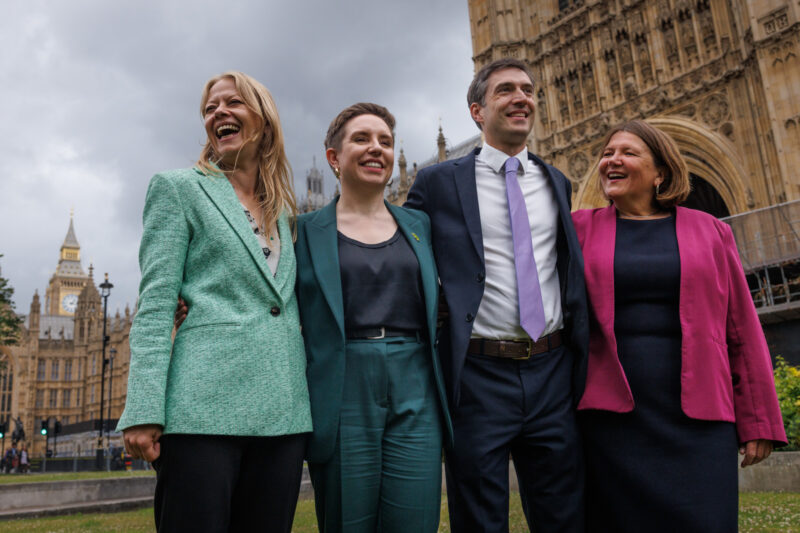
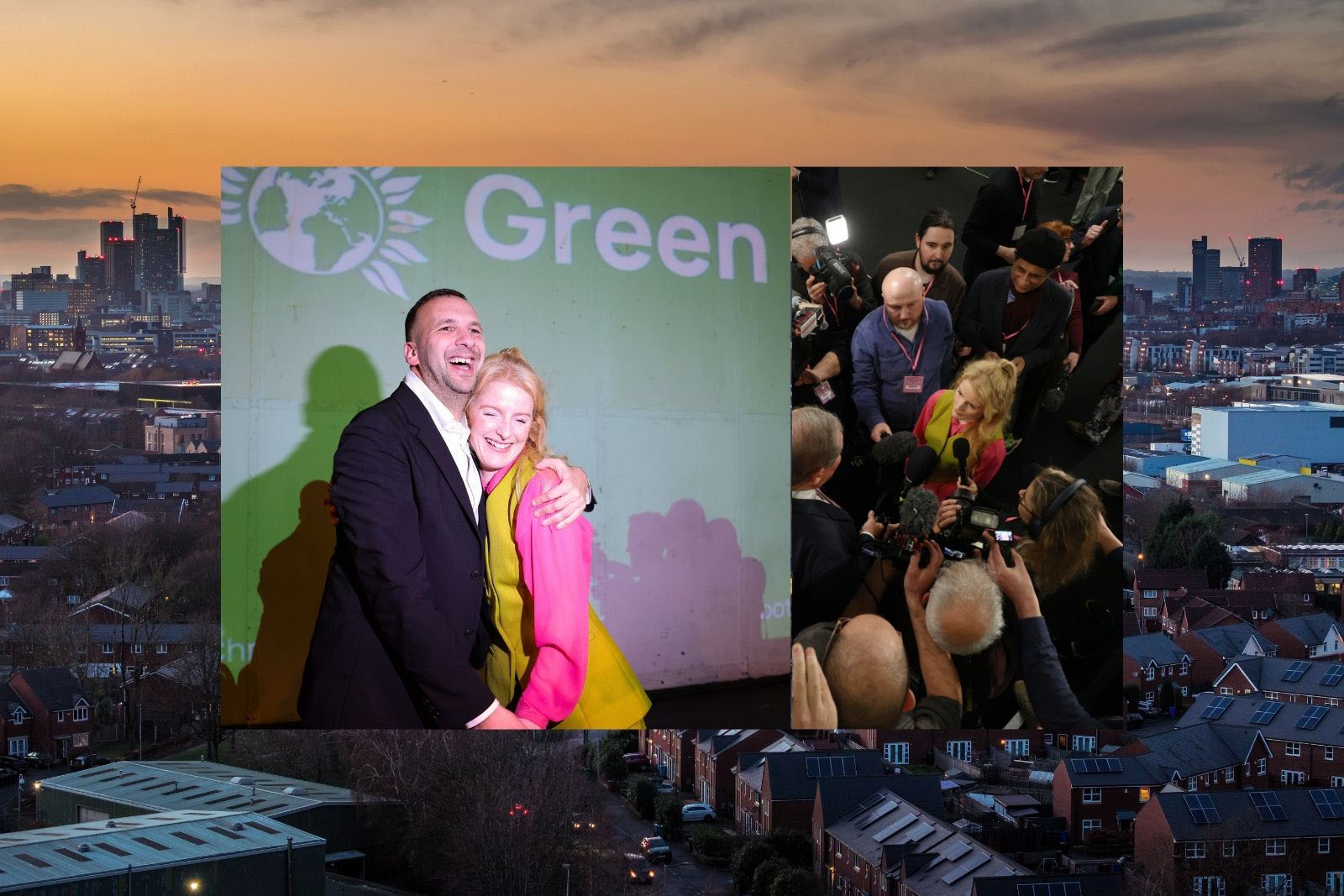
Green candidate Hannah Spencer, a plumber and councillor for the city’s Trafford ward, pulled off an incredible win, securing nearly 15,000 votes, overturning a Labour majority of more than 13,000 and becoming her party’s first MP in the north of England. Reform UK’s Matthew Goodwin got 10,578 and Labour’s Angeliki Stogia came a miserable third with just 9,364.
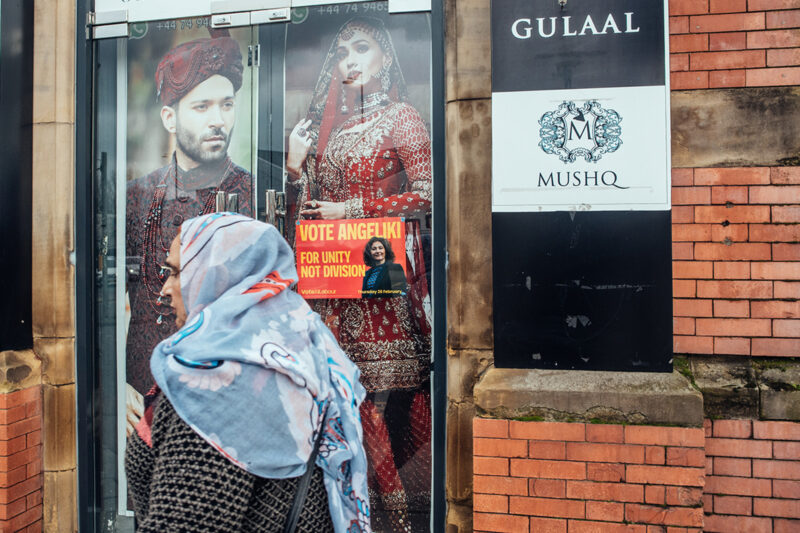
In her victory speech, Spencer delivered a unifying message, taking on both Islamophobia and the marginalisation of working-class communities. In a focus group with Muslim voters ahead of the result, the research organisation More In Common found a great deal of anger over Starmer’s perceived failure to confront racism. Spencer’s straight-talking approach and willingness to champion her values clearly resonated with many in the local community.
While the figures in Gorton and Denton are striking, the result is not wholly surprising if you look at the significant loss of support among Muslim voters experienced by Labour in the 2024 general election. One in three people on the electoral roll in Gorton and Denton are Muslim and it’s glaringly apparent that the party has failed to repair its relationship with them and a wide range of other disaffected voters, prompting a shift to the Greens within the constituency. On the other hand, a considerable number of white working-class voters appear to have ditched Labour for Nigel Farage’s Reform UK — a pattern that has emerged in recent local elections and byelections.
Ordinarily, the Gorton and Denton byelection would have been a walk in the park for Labour. The old Manchester Gorton seat was once the safest Labour patch in the region. But Labour’s decision to block Manchester mayor Andy Burnham — seen by many as a viable challenger to Starmer’s leadership were he able to secure a parliamentary seat — from standing as its candidate made this campaign a real headache for the party.
Burnham remains the only senior Labour figure with a net positive approval rating and commands support well beyond the party’s base, including among Green and Reform-leaning voters. By sidelining him in favour of Stogia, a Labour councillor for the Manchester ward of Whalley Range, Starmer’s party basically ensured its own defeat.
Plenty of voters in Gorton and Denton were itching to give the present government a proverbial kick up the backside. With George Galloway’s Workers Party of Britain stepping aside, despite unseating Manchester’s Labour deputy council leader Lutfur Rahman two years ago, the Greens had a clear run as principal challengers on Labour’s left. By fielding Spencer, a working-class woman with strong local connections, the party successfully capitalised on discontent with the Labour government on issues from foreign policy to the cost of living.
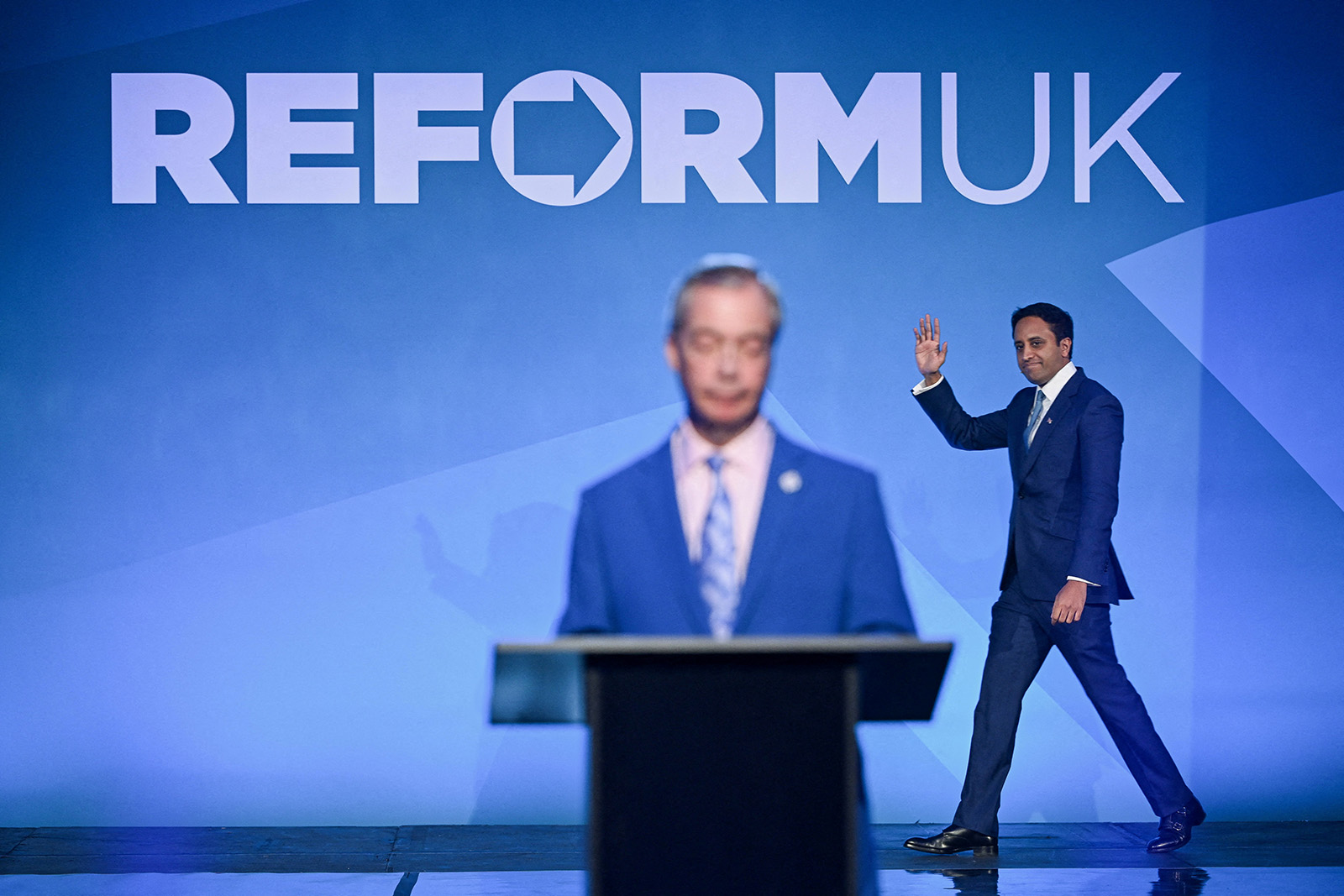
Reform UK, meanwhile, came fresh from council wins in former Labour heartlands from Durham to Doncaster, and made real inroads in Denton’s white working-class neighbourhoods. Goodwin, a former academic whose work focused, ironically, on far-right radicalisation, is hardly the most charismatic or relatable figure but the party’s huge membership base and wider national campaigning made it a serious challenger.
Related content

One particularly memorable campaign moment was the deployment of a bright turquoise battle bus emblazoned with the words: “Slash immigration. Slash the cost of living. Boost wages.” Reform has, however, opposed workers’ rights legislation, floated cutting the minimum wage for young people and is apparently prepared to push half a million kids into poverty so drinkers can save 5p on a pint. In Gorton and Denton, nearly half of children are growing up in poverty.
While the party’s populist anti-immigration message trumps everything else for some voters, its positions terrify many others. They are the people both Labour and the Greens fought over in Gorton and Denton. With a turnout of 47% — slightly higher than the last general election even on a rainy winter day — they appear to have decided that the Greens and not Labour were best placed to see off the threat posed by Farage’s party.
For years, Labour’s pitch was simple: hold your nose, vote for us and keep the Conservatives out. The Tories were not even contenders in this byelection. They won just 2% of the vote and lost their deposit. Now, it has become vote Labour and stop Reform. That’s a much harder sell when Labour is following Reform’s language on immigration, from Starmer’s now infamous “island of strangers” speech to the performative cruelty of Home Secretary Shabana Mahmood.
Meanwhile, the Greens are drawing sharper and, to many disaffected former Labour voters, more appealing lines in both policy and tone from the left.
In Gorton and Denton, that message has cut through. And it will send shivers down the spines of many Labour MPs. Reform is not the only alternative in town. Gorton had been Labour since 1935, but yesterday proved that no seat is guaranteed. Working-class voters do have places to go. And, if Labour doesn’t get its act together, go they certainly will.