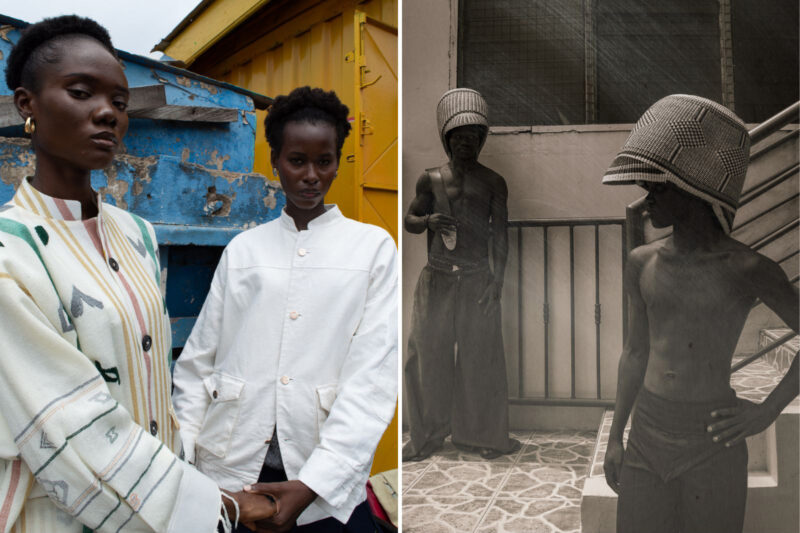


The rise of luxury abayas shows modest fashion is no longer an afterthought
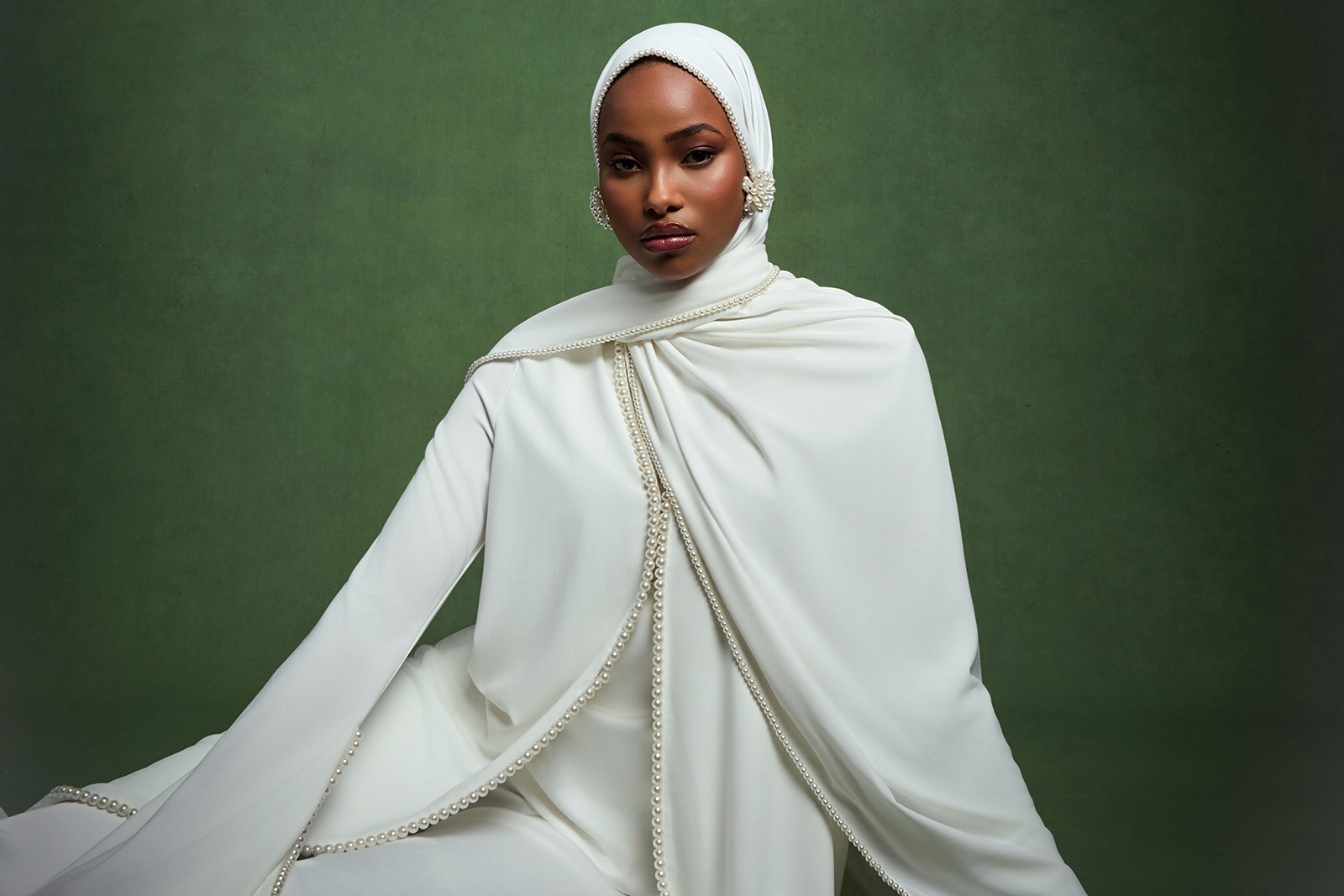
With a growing interest in modest dressing, brands such as Selhaya are now tapping into the luxury market

“Modest fashion has often been treated as an afterthought within luxury,” says entrepreneur Aisha Hossain. It’s why in 2025 the 29-year-old founded Selhaya, the world’s first luxury abaya brand. “We wanted to change that by focusing on the potential of the abaya.”
For the past decade, the abaya has travelled from specialist boutiques in areas such as east London’s Whitechapel and Birmingham’s Jewellery Quarter, onto high streets across the country and online stores across social media, making them much more accessible and easier to buy in the UK.
Yet, according to Hossain, the abaya hadn’t yet reached the world of luxury fashion. “Selhaya didn’t come from spotting a gap in the UK market. It came from recognising a global omission,” she says.
Related content
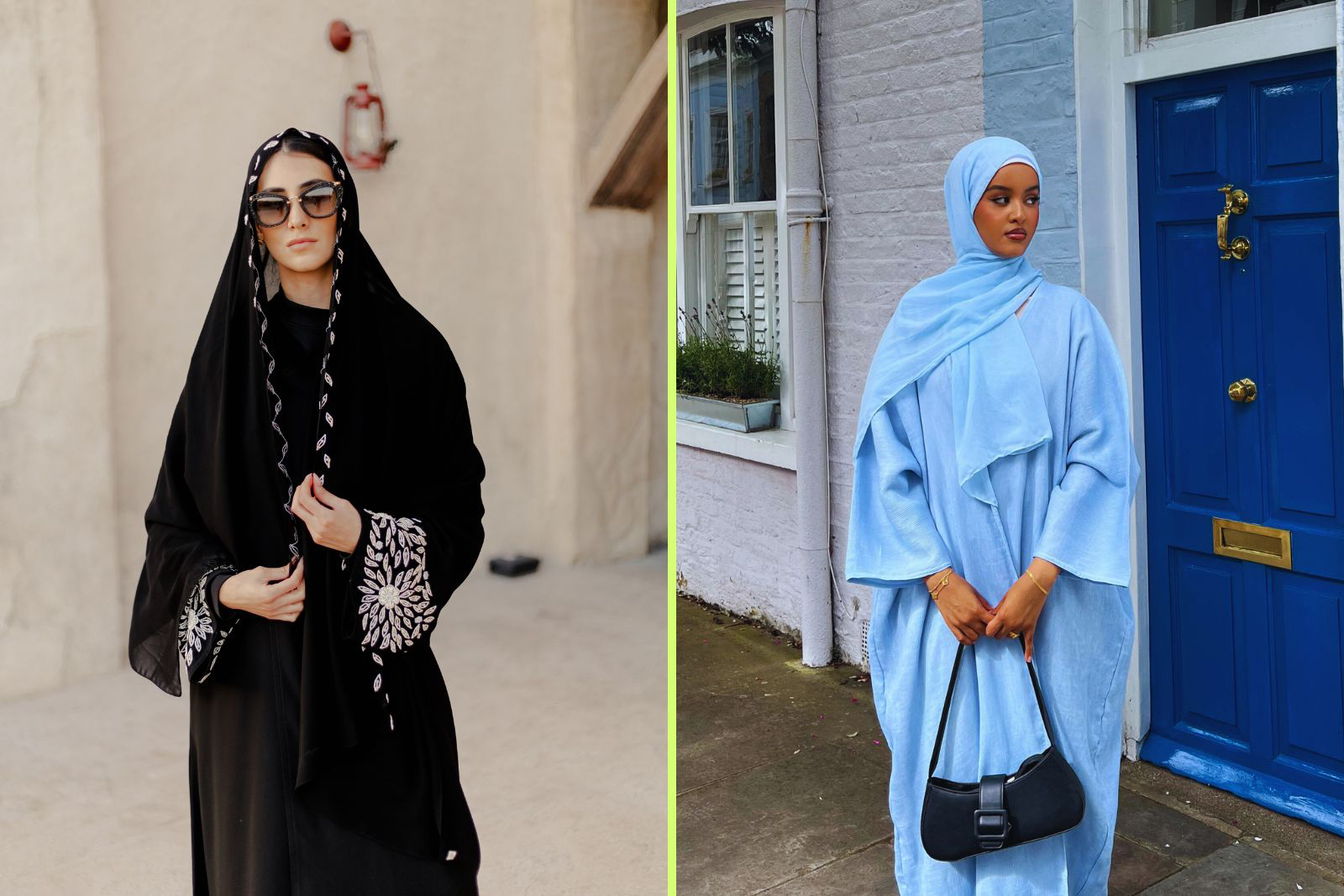
Industry forecasts project the European modest clothing market will reach US$498.25bn (£366.35bn) annually by 2035, citing factors such as growing digital platforms, a preference for sustainable fashion and a predominantly youth-led market as the driving force.
According to Dr Samreen Ashraf, a Bournemouth University researcher on British modest fashion, it’s also in part due to this form of dressing no longer being confined to religion alone. “While it remains deeply important for many Muslim women, modest dress is increasingly being taken up by women who don’t identify as religious at all,” Ashraf explains.
“In a world shaped by social media, constant visibility and pressure on the female body, modest dressing can feel like a way to reclaim autonomy — choosing when, how and for whom your body is visible,” she adds. “Women who have experienced body shaming or who want clothing that aligns with personal values are also seeking out these styles. That has helped broaden the market.”
Hossain agrees. “Many of the most visible women in the world like ambassadors, CEOs, patrons of the arts, royal and diplomatic figures, are required to dress modestly, whether by culture, protocol or personal choice.”
Luxury fashion is now starting to catch up with this demand, with premium and couture labels now designing abayas and modest wear that reflect the same attention to quality, detail and prestige as other high-end garments.
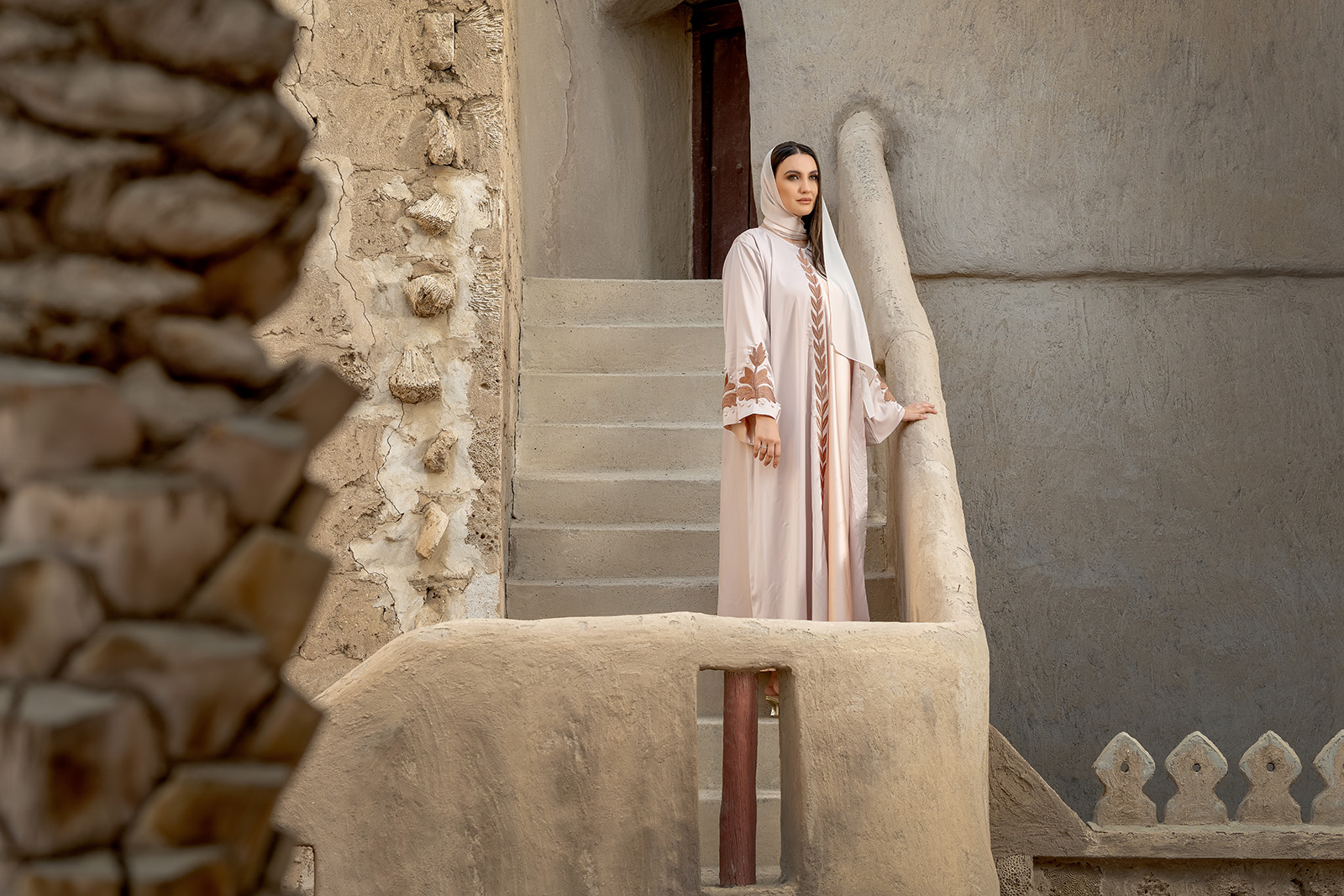
Selhaya’s customers, Hossain explains, are already fluent in luxury. They live in cities such as London, Paris, Doha and Abu Dhabi, and travel frequently between them. That exposure has created a demand for higher standards in the UK.
“The question for me became very simple, if luxury modest fashion cannot exist in London — one of the most international, high net-worth cities in the world — then where can it exist?” she says.
Selhaya’s abayas typically retail between £3,300 and £3,800, while limited edition pieces such as the Yaqeen abaya are priced at £10,000 — just five are now available. Production runs are intentionally small. Each piece is made to order, with fabrics restricted to silk and other natural fibres.
“Historically, abayas were never meant to be disposable garments,” Hossain says. “They were designed to be made specially and worn with pride. Selhaya is about returning to that sense of value and prestige, while designing for the modern woman today.”
While luxury maisons such as Selhaya occupy the most rarefied end of the market, beneath them, a growing premium tier is taking shape, offering abayas that are significantly more expensive than high-street options, but far more accessible than couture-level pricing.
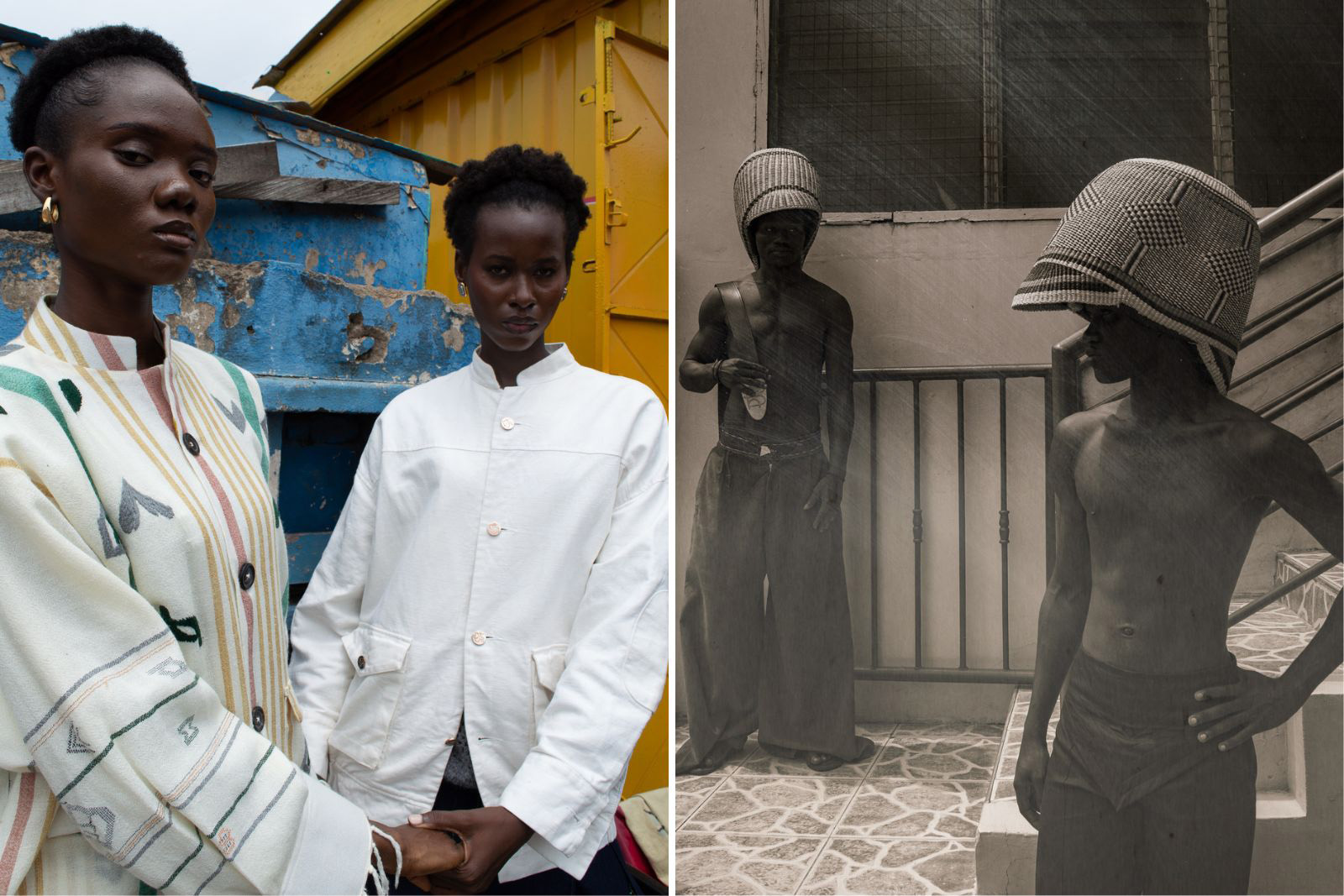
Labels such as Abayas Boutique in Manchester and Loujain in Preston produce handcrafted abayas in fabrics such as Korean nida and velvet, while Abaya Lounge offers embellished designs for special occasions.
In London, Khanum’s operates within this middle ground, with abayas starting at around £280. Founder Rokeya Khanum grew up around garment production among east London’s Bangladeshi community and has described her designs as “made to be worn, re-worn, and treasured for years”.
For British Muslim women, the abaya has evolved from a practical garment into a symbol of autonomy, taste and cultural confidence. As Dr Ashraf observes: “The rise of high-end modest fashion reflects a market that now values quality, craftsmanship and personal expression.”
Selhaya and its contemporaries are redefining what it means to dress modestly in the UK, proving that the abaya can be both culturally resonant and luxurious.