

Dive into the captivating flavours of the Swahili coast
From Dar es Salaam to the suburbs of north-west London, east African Indian food is fusion at its absolute best

For an unashamed foodie like me, one of the best things about marrying into a different culture is unfettered access to a whole new cuisine. Those benefits are particularly pronounced when your spouse’s background is one where the ingredients and cooking techniques of an immigrant community have blended with those of a host country, creating something vibrant, beautiful and completely its own.
East African nations have a long history of Indian immigration. During British colonial rule, huge numbers of people arrived in search of economic opportunities, from the hard labour of building railways to international trade. While numbers have fluctuated since then, the influence of these communities remains strong — particularly in the kitchen.
For Tanzanian Indians, like my husband’s family, staple dishes such as kuku paka (coconut chicken curry) maharage (pigeon peas in spiced coconut milk) weave the fragrance of Gujarat into the culinary traditions of the Swahili coast. Warm spices such as cloves and cardamom feature alongside bold chilli heat, coconut and tamarind.
With more than a decade’s experience of devouring “bitings” — delicious savoury snacks — and home-cooked delicacies generously provided by my mother-in-law, a recent trip to Dar es Salaam finally allowed me to taste some of my favourites in their natural habitat.
First on my list was a visit to KT Shop. Established in 1968, this unassuming eatery is one of the city’s most famous and unifying institutions. The vintage typography of the sign, the wooden doors, the large windows overlooking bustling Kisuti Street and the communal seating all make for a quintessential vibe.
The menu, meanwhile, is simple and comforting. Spiced milk tea (£1), a perfect midway point between masala chai and karak, is accompanied by bitings including samosas at 6,000 Tanzanian shillings (£1.71) for four and an eminently dunkable mandazi — fried dough infused with coconut milk and cardamom — at just TZS1,000 (28p) each.
KT’s most famous dish, however, is its beef kebab at TZS6000 (£1.71) for a plate of four. These perfectly spherical, golf-ball-sized treats are like nothing you’ll ever have tasted before: crisp on the outside, but with a soft, richly flavoured interior infused with cloves and garam masala. Served with lime wedges and coconut chutney, it is impossible to eat anything less than a whole portion to yourself.
Another remarkable feature of KT Shop is that, no matter how busy it is, staff will always manage to find you a seat. You’re likely to end up nestled between diners of every heritage. Indian, African, Arab, western tourists — all the faces of the city are here. No wonder it’s often the first stop from the airport for Tanzanians returning home from abroad.
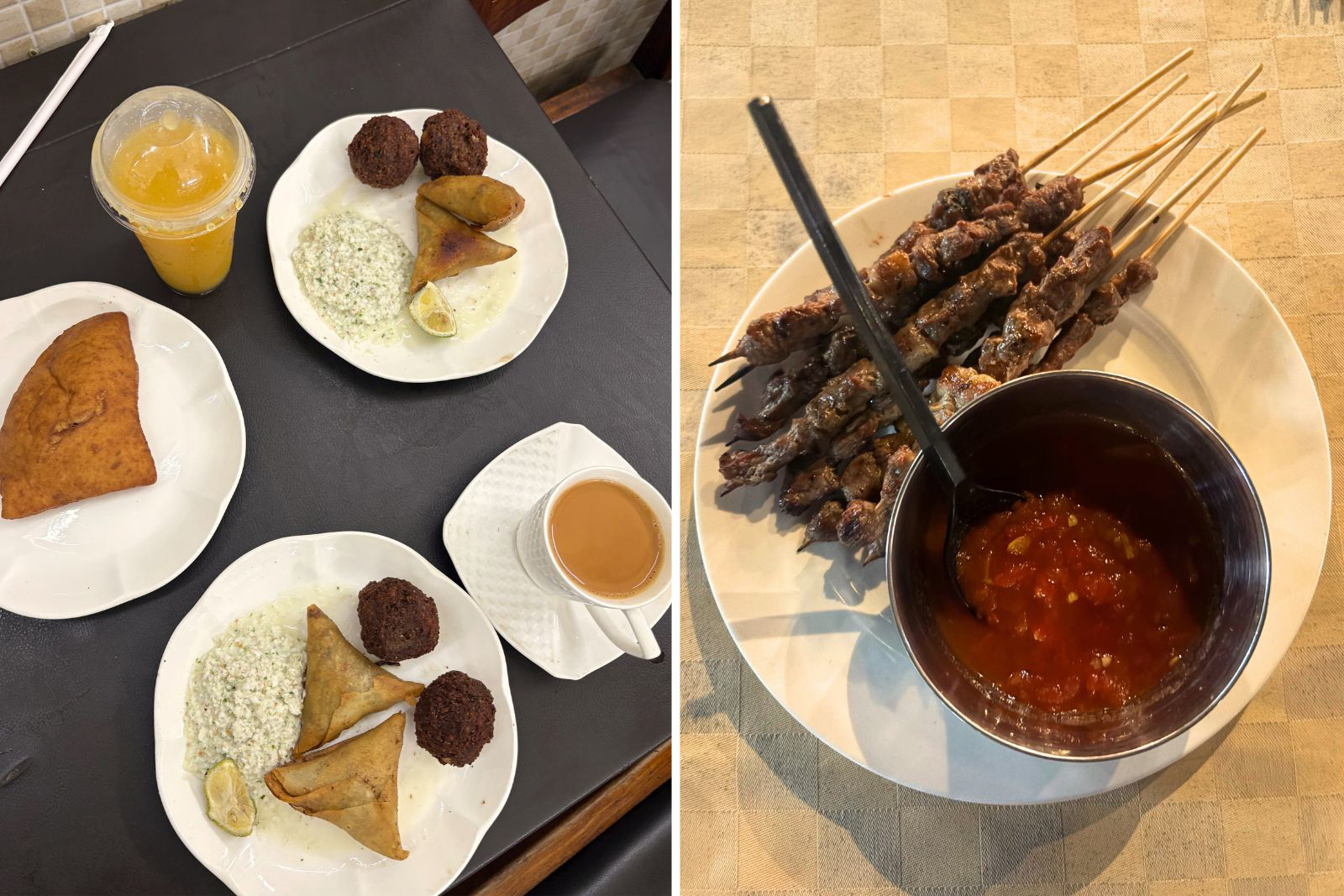
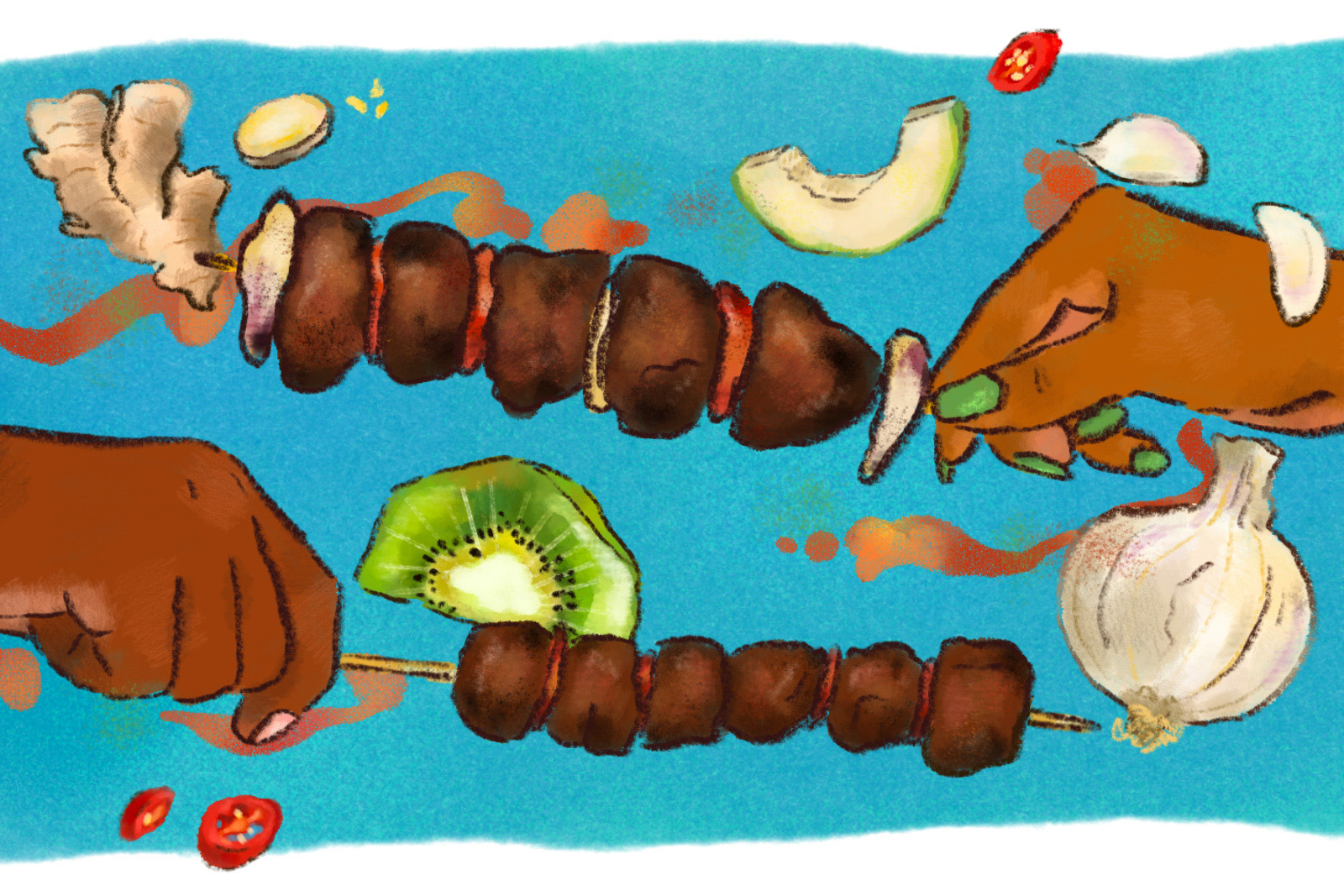
Both Kenya and Tanzania are rightfully renowned for their chargrilled dishes. BBQ Village, a sprawling operation in an affluent area a few minutes outside the main city, boasts plentiful outdoor seating and a perfectly succulent beef mishkaki at TZS24,000 (£6.87). Blending Arab, African and Indian influences and taking its name from the Swahili for skewer, mishkaki is a staple from Kariakoo market to the swankiest restaurants, but few places do it better than here.
The sekela chicken TZS20,000 (£6), named after the Gujarati for grill, is another must-try. Marinated in ginger, garlic, yoghurt, tamarind paste, lemon juice, chilli powder, tumeric and cumin, grilled over coals and served on the bone, it’s crisp, moist and bursting with flavour. Those with a higher spice tolerance should try the gajjar chicken TZS20,000 (£6) or, for the truly fearless, the pili pili variety (£6), which is said to be so hot they named it twice.
In the upmarket coastal area of Masaki, caffeine fiends are able to get their hit at the first 24/7 coffee shop in the city. Kaffé Koffee roasts its own locally produced beans fresh every day. The menu includes frappuccinos, milkshakes and fresh juices in a laid-back environment, cooled by coastal breezes that offer welcome respite from the city’s heat and humidity.
Frequented by students, young professionals, expats and tourists, prices are eyewatering by any reasonable standard, with a mocha frappe clocking in at TZS20,000 (£5.72). The spacious outside seating area, shaded by lush flowering trees, and shisha menu, however, make it a special place to hang out. In addition to that, the branding is so simple, clean and stylish that I even considered buying wearable merch for the first time in my life.
Despite returning to a cold, dark and wet UK with enough vitamin D stored up to see me through the next 12 months, I still found myself in a state of deep combination post-holiday and January blues. As usual, the best way I could think of rectifying the situation was to go on yet another culinary expedition.
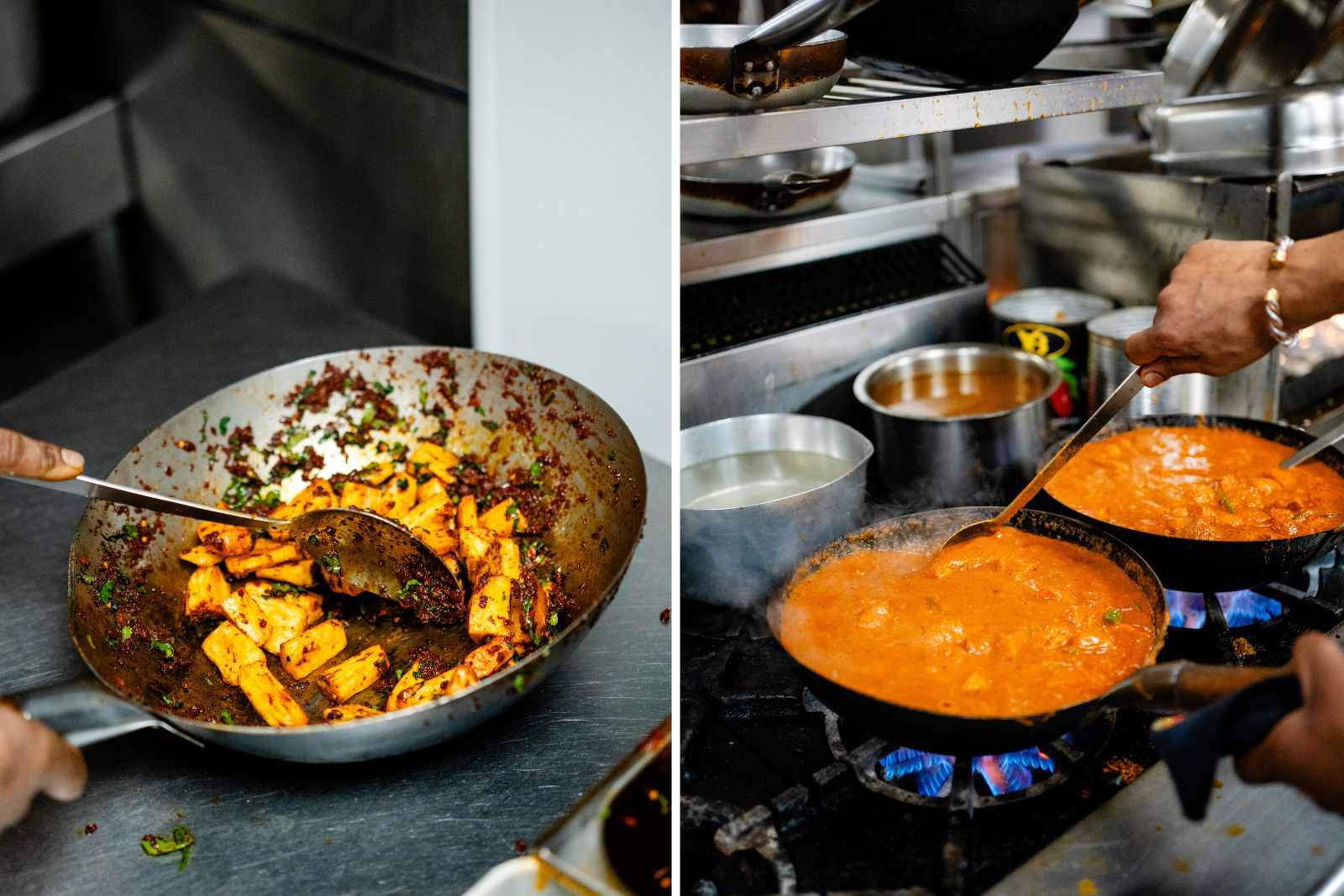
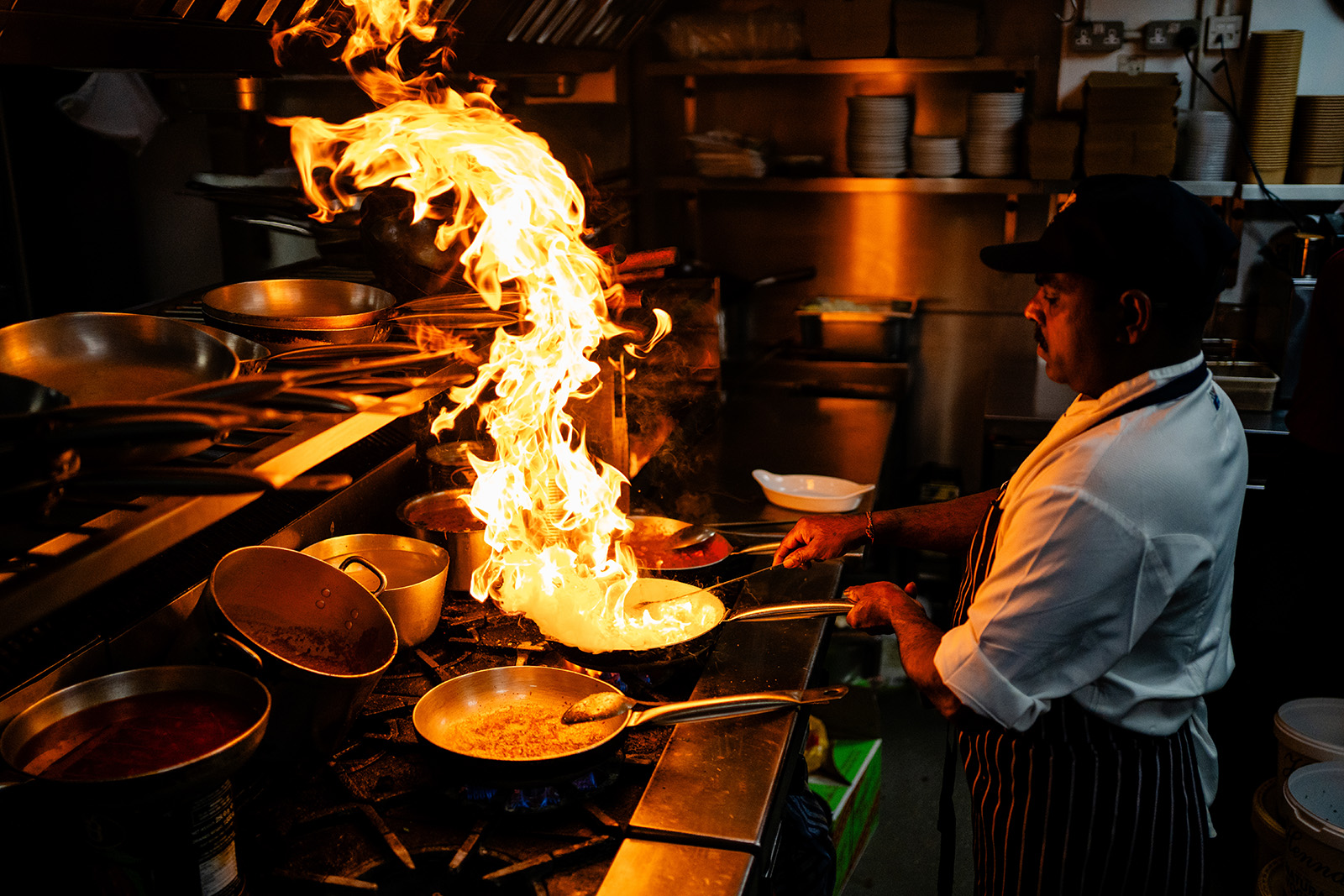
The Regency Club in Queensbury, north-west London, started life in 1991 as a members-only venue, envisioned by founder Navin Sharma as a private spot for friends to gather and share home-cooked Indo-Kenyan dishes. The small kitchen, with a staff of four chefs, operated on just two hobs, but served up food that became so renowned that the dining room was opened to non members in 1995.
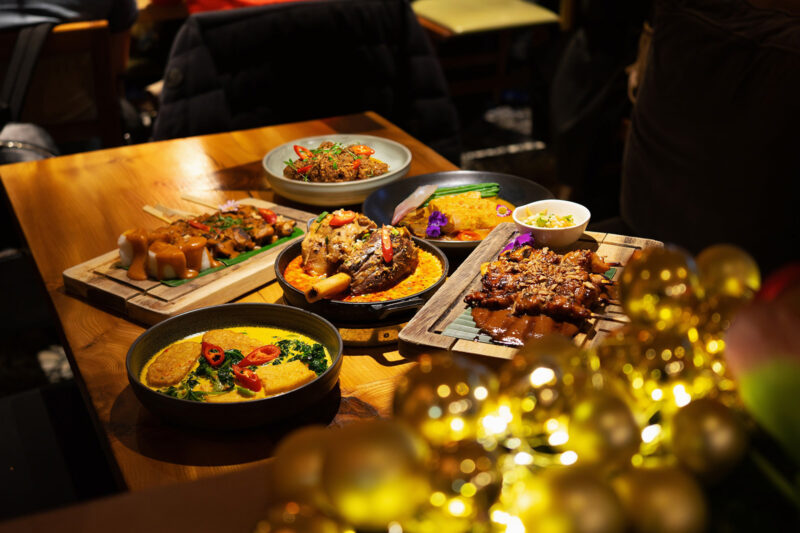
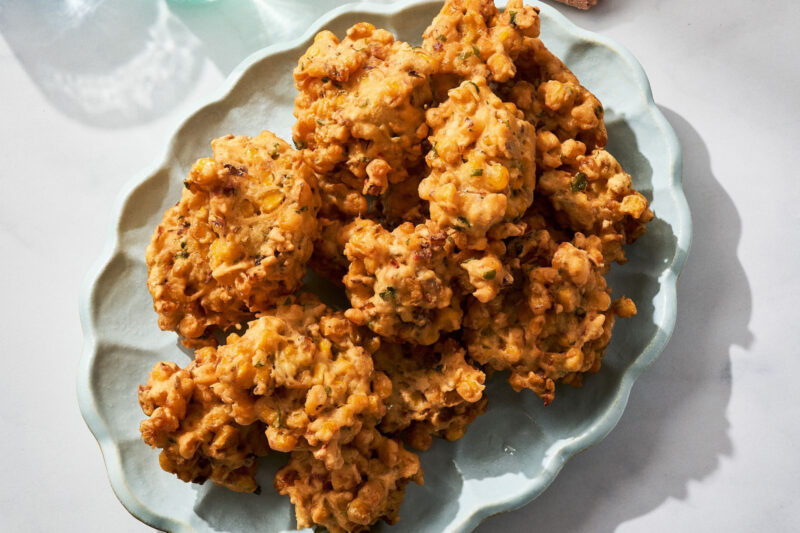
Now it is a much-expanded byword for east African Indian cuisine in the capital, with specialities including chilli mogo (spicy fried cassava), makai curry (sweetcorn cooked in coconut milk), mishkaki, and chicken pili pili.The grills alone are worth the journey, layered with bold spices and a smoky char. Be sure to order the lamb chops (£14.95) and lamb mishkaki (£19.15), both of which are exquisitely cooked and deeply aromatic.
The curries come in plentiful helpings — no fussy small plates here — and, if the lamb karahi (£15.25) I ordered is anything to go by, tender and richly flavoursome. It’s not quite the same as sitting on plastic chairs on the bustling streets of Dar es Salam or Nairobi, but the sense of history and atmosphere of the Regency make it an ideal starting point for anyone interested in sampling the joyful fusion of Indian Swahili coast cooking.