

Meet the Goat Herders — the Dragons’ Den for Somali entrepreneurs
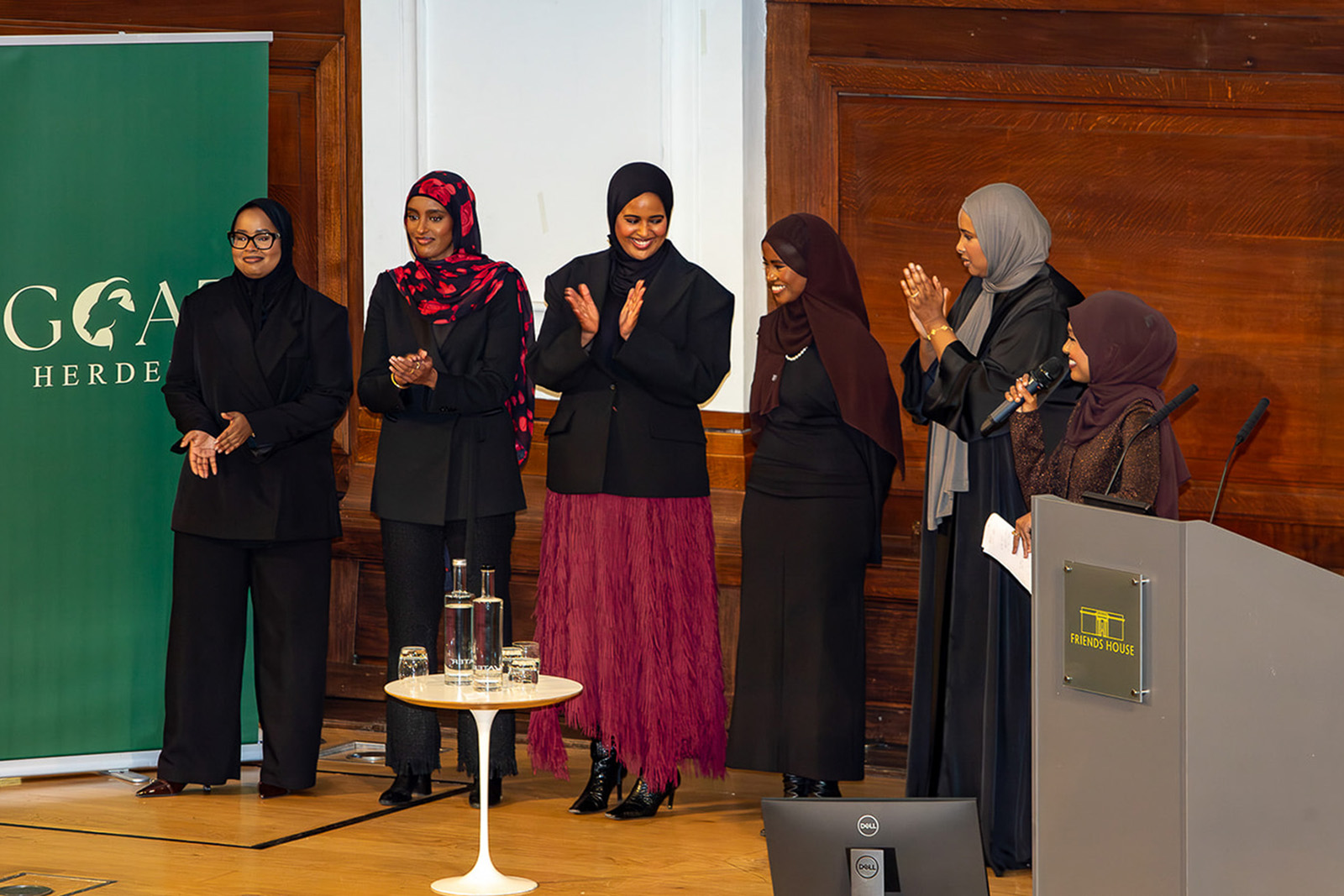
A new European competition is creating a space for fledgling businesses to gain funding and guidance from experienced professionals
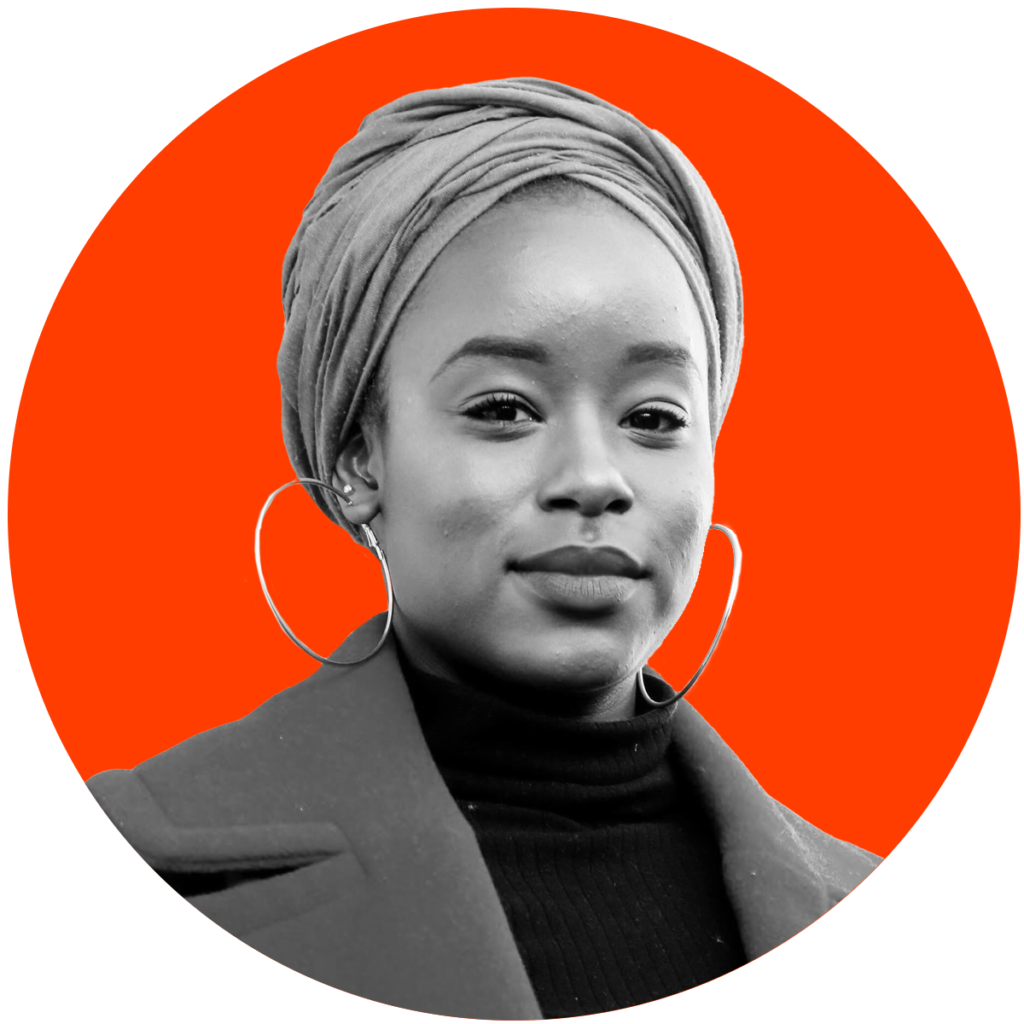
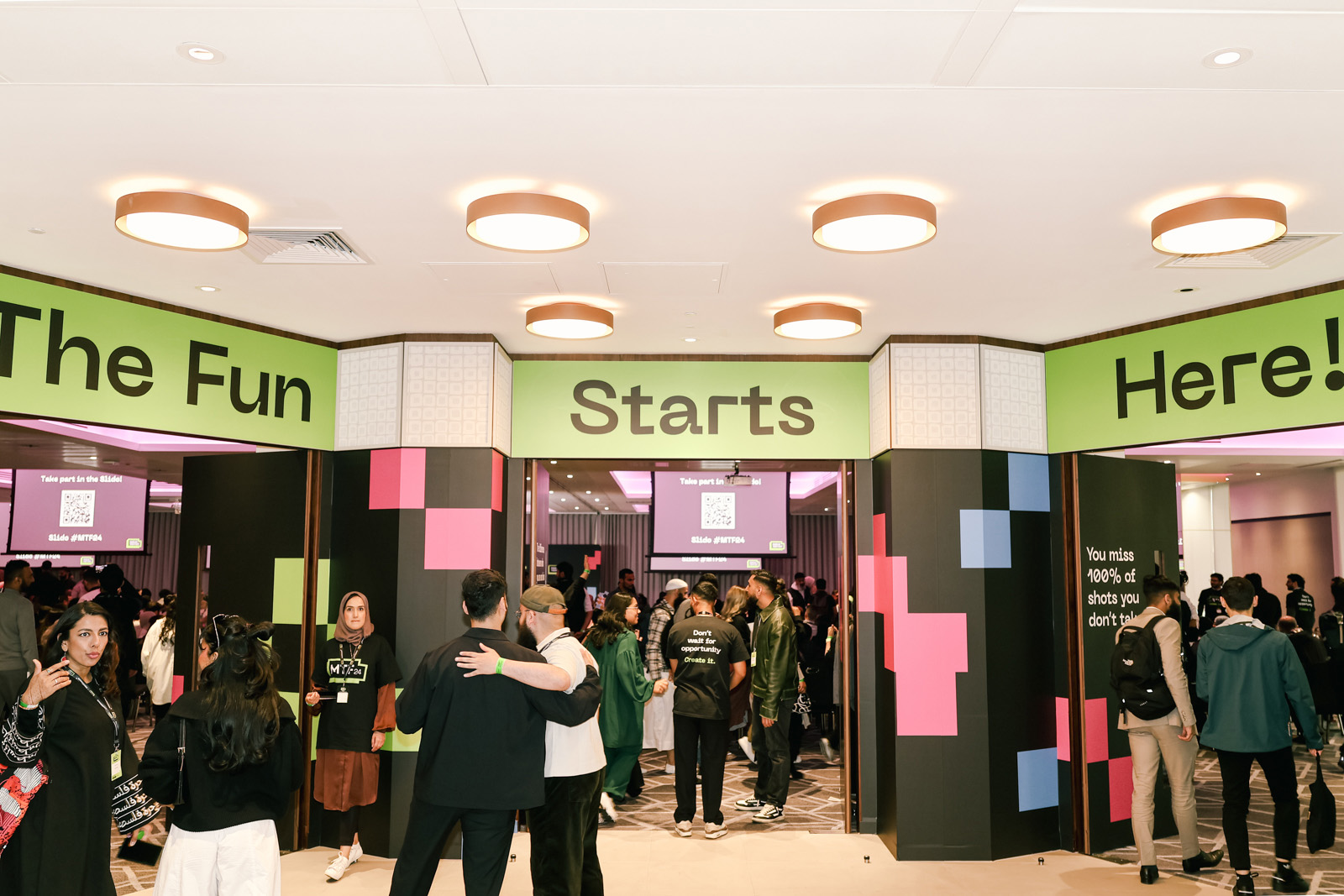
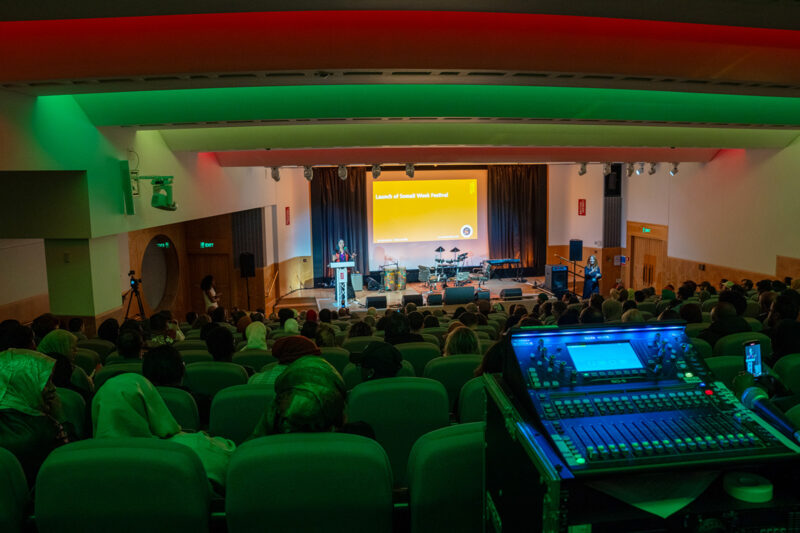
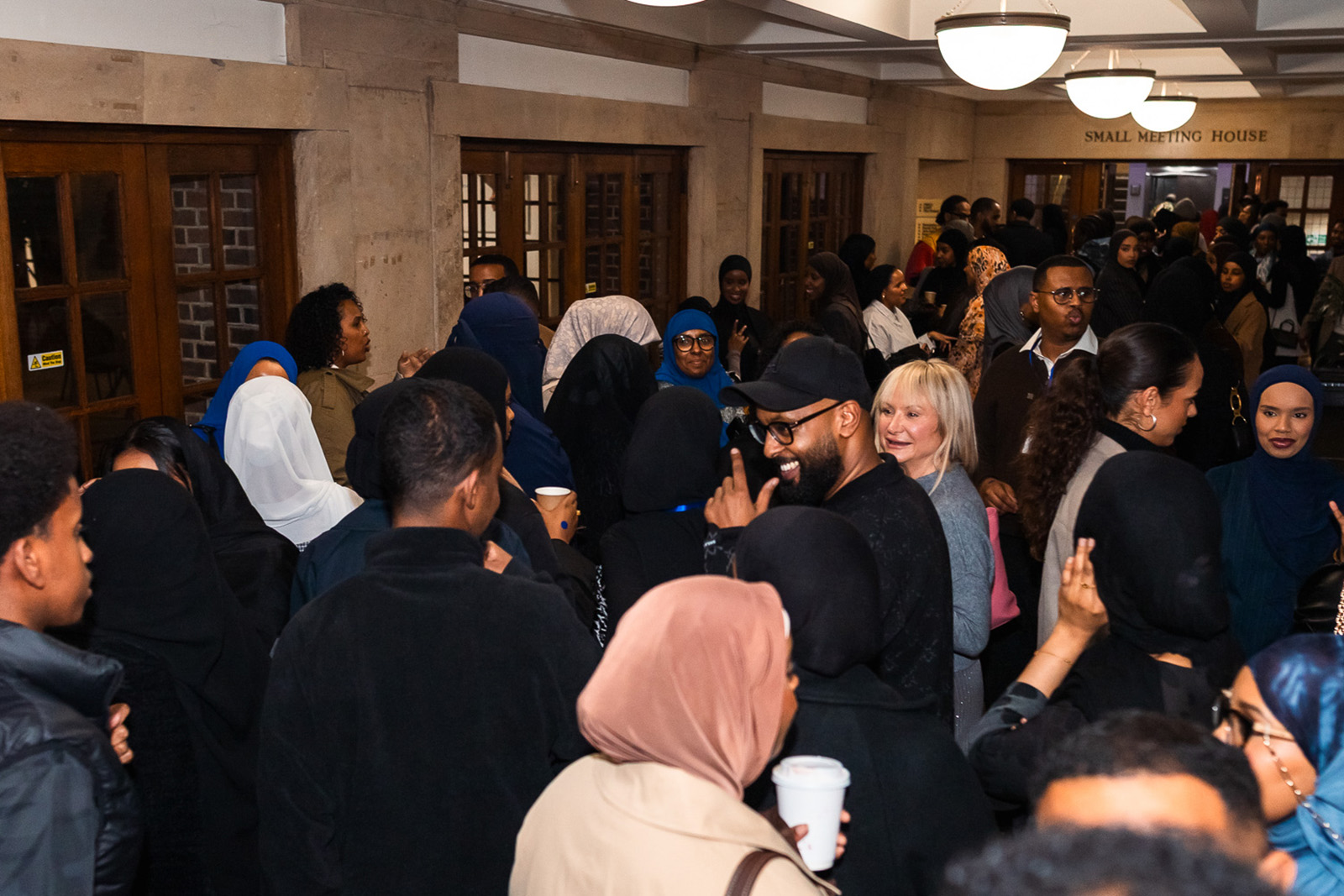
On a Saturday evening in December, I push my way through the crowds of homebound Christmas shoppers and emerge from Euston station. When I reach the nearby Friends House venue, the whole building is buzzing.
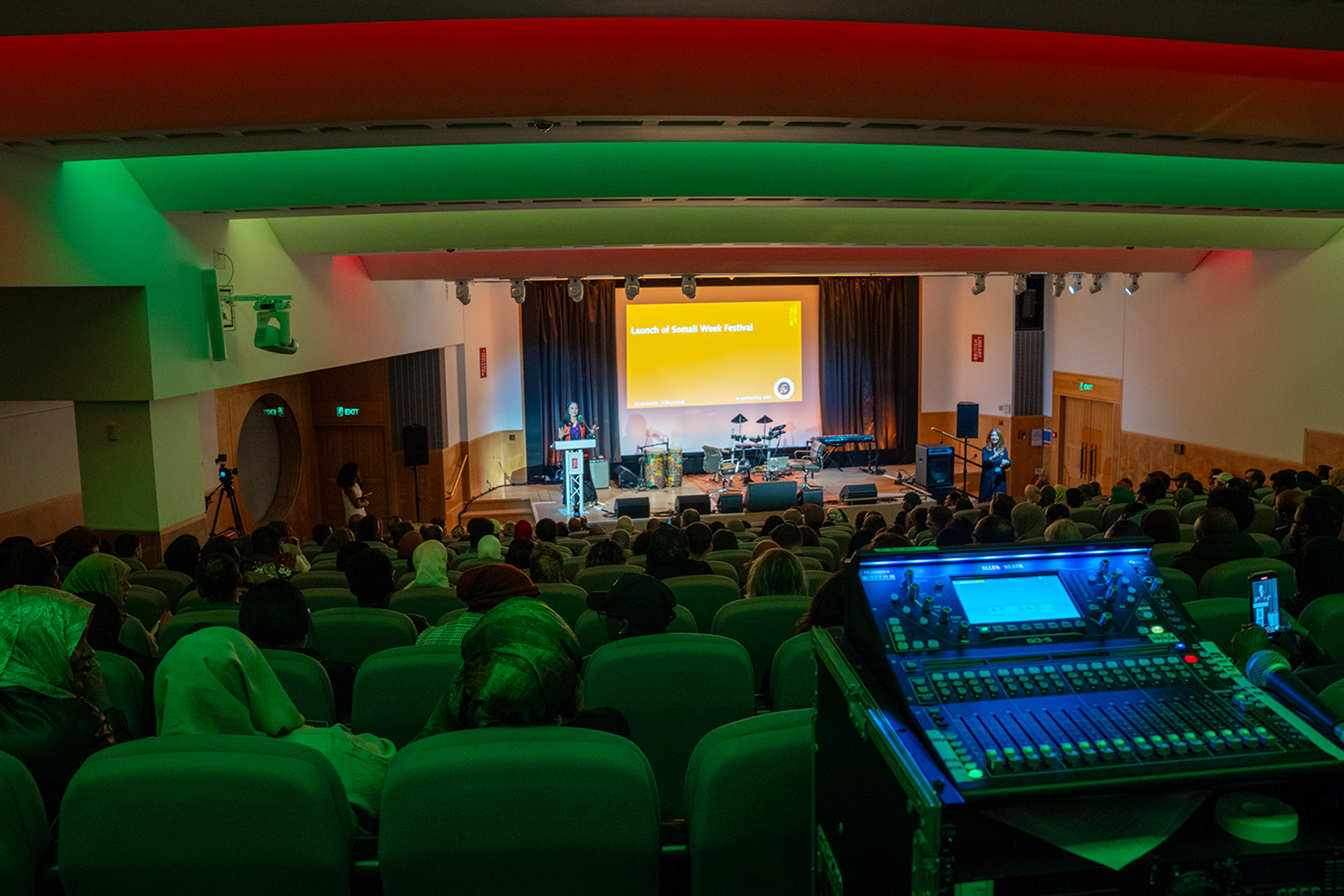
Almost 300 people fill the hall. Most are Somalis who have travelled from across the UK and Europe. Some are from Birmingham, others from Amsterdam and Stockholm. Some are the owners of successful companies, while others are curious investors or fledgling entrepreneurs. One attendee is studying artificial intelligence at a university in the Netherlands and hoping to connect with others in the industry.
All are gathered for the finale of the Goat Herders, a competition run by the Netherlands-based Somali Circle in collaboration with London’s Somalis in Tech and Somali Sideways. Inspired by the TV programmes Dragons’ Den and Shark Tank, the event’s goal is to provide mentorship and funding for Somali-led startups.
In recent weeks, diaspora Somalis have been in the spotlight after a series of verbal attacks by US President Donald Trump. Inside Friends House, the narrative is the polar opposite, and the atmosphere is electric.
Kicking off the proceedings, award-winning Somali-Kenyan journalist Rukia Bulle sets the tone by telling the assembled crowd: “Tonight is all about celebrating our community.”
The Goat Herders competition has played out over the past six months, with pitching rounds in Amsterdam, Stockholm and London. From more than 100 applicants, four businesses were selected to pitch in the regional rounds, with three finalists progressing to the London finale.
The contestants taking part in the final are seeking direct investment, long-term mentorship and strategic guidance from a panel of Somali businesspeople seated onstage.
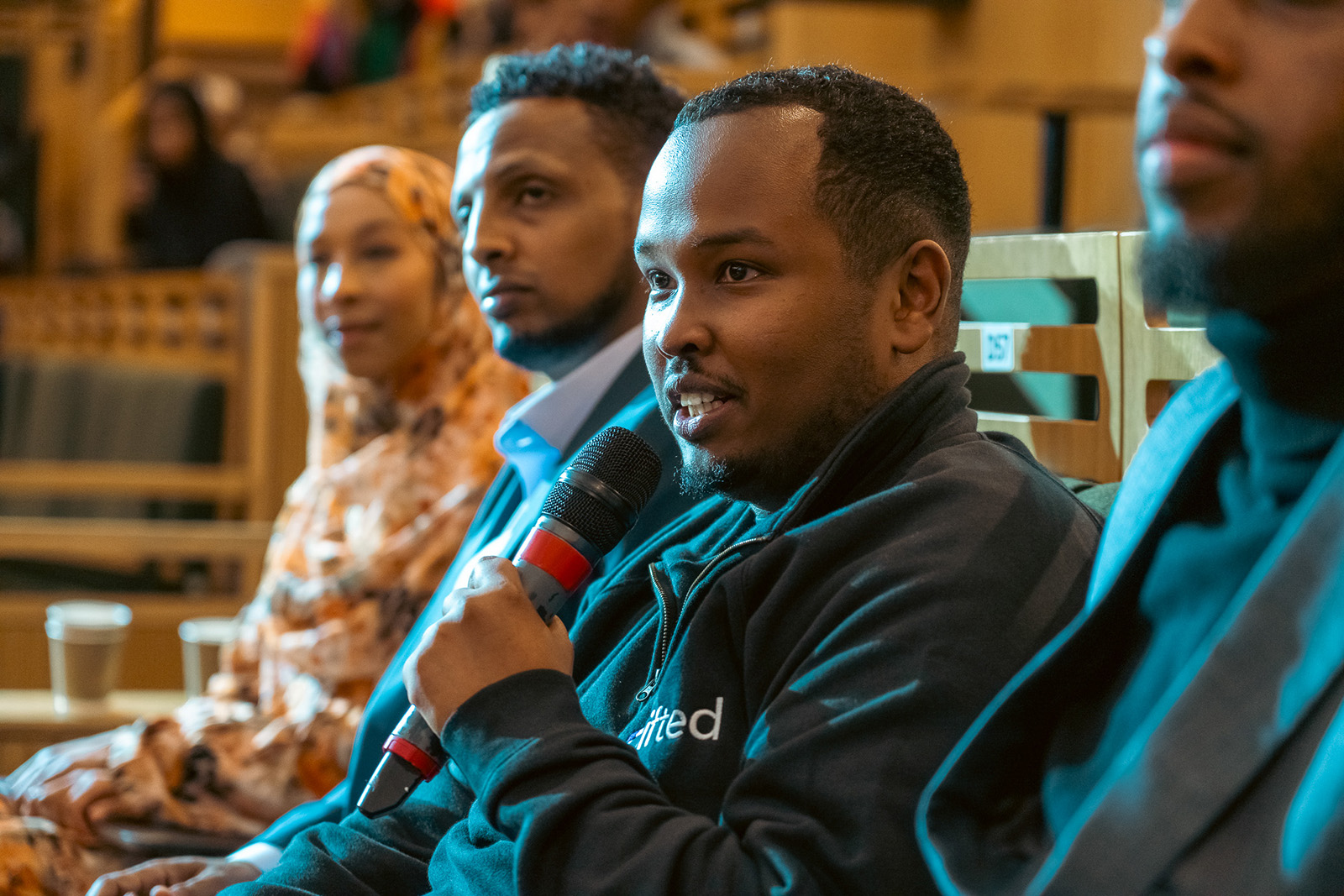
Noura Abdullahi Sheikh is chief of staff at The Digital Sisterhood and co-founder of the Black Muslim Collective UK. Nasir Ali is a prominent entrepreneur, investor and founder of YEEL, an NGO based in Hargeisa, Somaliland. They are joined by Abdifatah Mohamed, the CEO of several popular Somali restaurants in London, including Damal and Janna Cafe, and Taher Deria, a startup investor who was one of Deliveroo’s earliest team members, and an organiser and sponsor of the event.
While the format will be familiar to many TV viewers, the name of the competition is rooted in Somali history. Goat herders have long been known in Somalia for their skill in trade and negotiation. This event updates that tradition to the present day.
“One of the first goat herders I knew was my grandma,” Guleed Afhakame, co-founder of the Somali Circle, says. “I remember watching her go to the market to sell her goats. They didn’t speak — they decided the price with their hands under a cloth. That’s how deals have been made for generations. We wanted people to be proud of where they come from and understand that business has always been part of our history.”
According to Jibril Qorane, co-founder of The Somali Circle, the Goat Herders initiative grew out of conversations with aspiring businesspeople across the Somali diaspora.
“We kept getting the same questions,” he says. “How do I start? How do I get my idea off the ground? I need mentorship in this specific area. Halal funding is also a huge part.”
For most of the finalists, the regional rounds were their first time seriously pitching in public. Stockholm-based Samira Issa and Imran Dahir Ali, founders of the travel app Hiddenly, entered the competition after hearing about it just weeks before the first round.
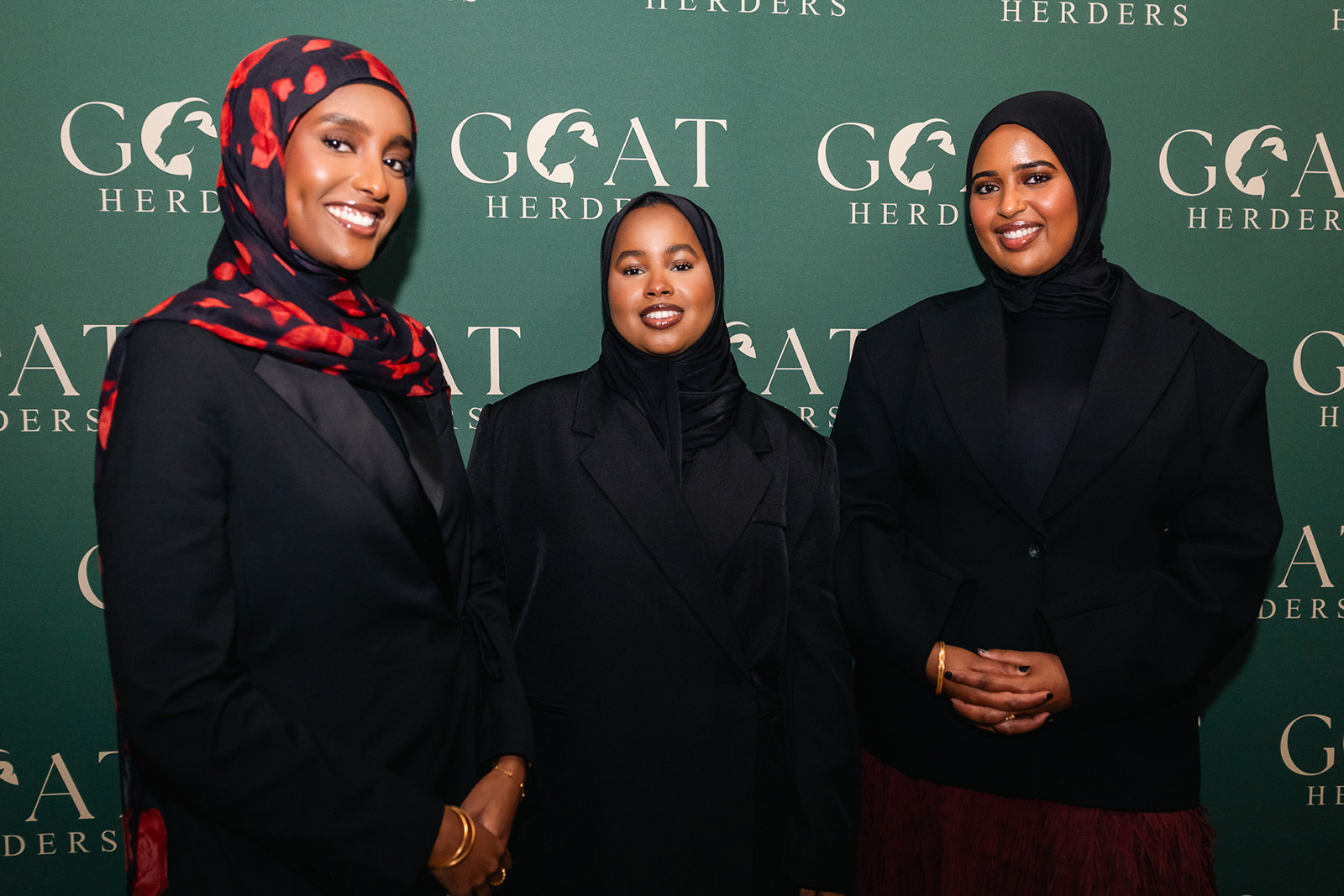
“We saw a quote that said Allah puts things in your heart because He believes you will accomplish them,” Ali says. “But if you don’t do anything with it, someone else will.”
The two friends began working on the app, which aims to help users discover and support local businesses while overseas, in the spring.
“When we travel, we want to experience what the locals are doing,” Issa says. “And we want to support them as well. That’s where the idea came from.”
While Hiddenly didn’t secure direct funding, the founders did win mentorship and ongoing guidance from Mohamed and Ali — something the partners believe to be as important as investment at this stage.
For Amina Hersi, the London-based GP and founder of PolyBiotics, the evening is also transformative. Hersi founded the women’s health supplement company in 2020 after being diagnosed with polycystic ovary syndrome while at university. Her pitch focused on ethical business practices and her own experience of navigating chronic health issues.
“It was extremely nerve-wracking,” says Hersi, who progressed to the final after the earlier London competition round in September. “This time, I was truly sharing my story. You feel very vulnerable doing that in front of people.”
PolyBiotics received mentorship from Deria, plus an additional investment from his mother, who was in the audience. Hersi was also offered mentorship by an experienced female health-tech CEO and free marketing support from another business owner in the room.
For Hersi, who has deliberately avoided interest-based loans, that support provides potential to grow her company without compromising her values.
“Starting a business without access to halal funding is a challenge,” she says. “So to be in a space where people understand that means a lot.”
Amsterdam-based freelancer app Karti also left the stage with investor interest. Its founders, Nadia Maalim, Samira Musse and Mouna Bilan, describe pitching in front of their own community as deeply significant.
“That was a priceless feeling,” Bilan says. “We were proud to be in such a space and proud of what we’ve accomplished as a community.”
While Karti gained a £5,000 grant from Deria, its founders emphasise that the opportunities to make connections provided by the competition are extremely valuable.
“The networking was possibly even more important than the investment,” Bilan adds. “It was worth its weight in gold.”
As the event ends, people are in no rush to leave. Groups gather in corridors and conversations spill out on to Euston Road. Unlike mainstream startup spaces, it’s clear that the Goat Herders offers an environment where Somali entrepreneurs can embrace their identity, maintain their values and pursue their goals.
As for the future of the competition, its founders are certain that this debut event marks the start of something much larger.
“The idea is to create a large Somali circle of entrepreneurs,” Afhakame said. “If you are connected to a global network, it’s powerful. You collaborate with people in different cities, different countries, with different experiences. That’s how knowledge moves — and that’s how we build something that lasts.”