

New network for British Muslim creators launched in parliament
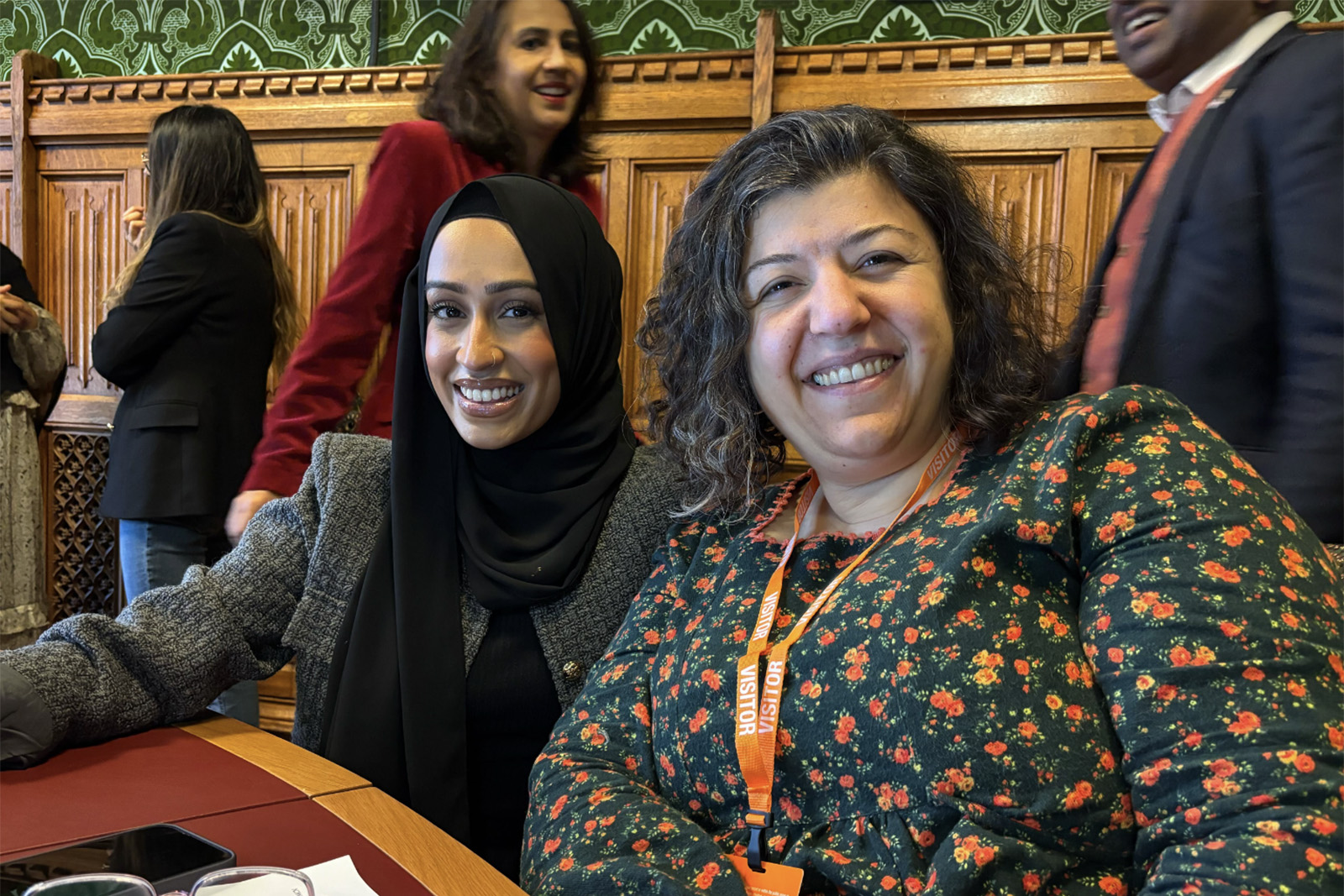
Inside the Muslim Creators Network uniting British Muslim creatives setting out to reshape how their stories are told
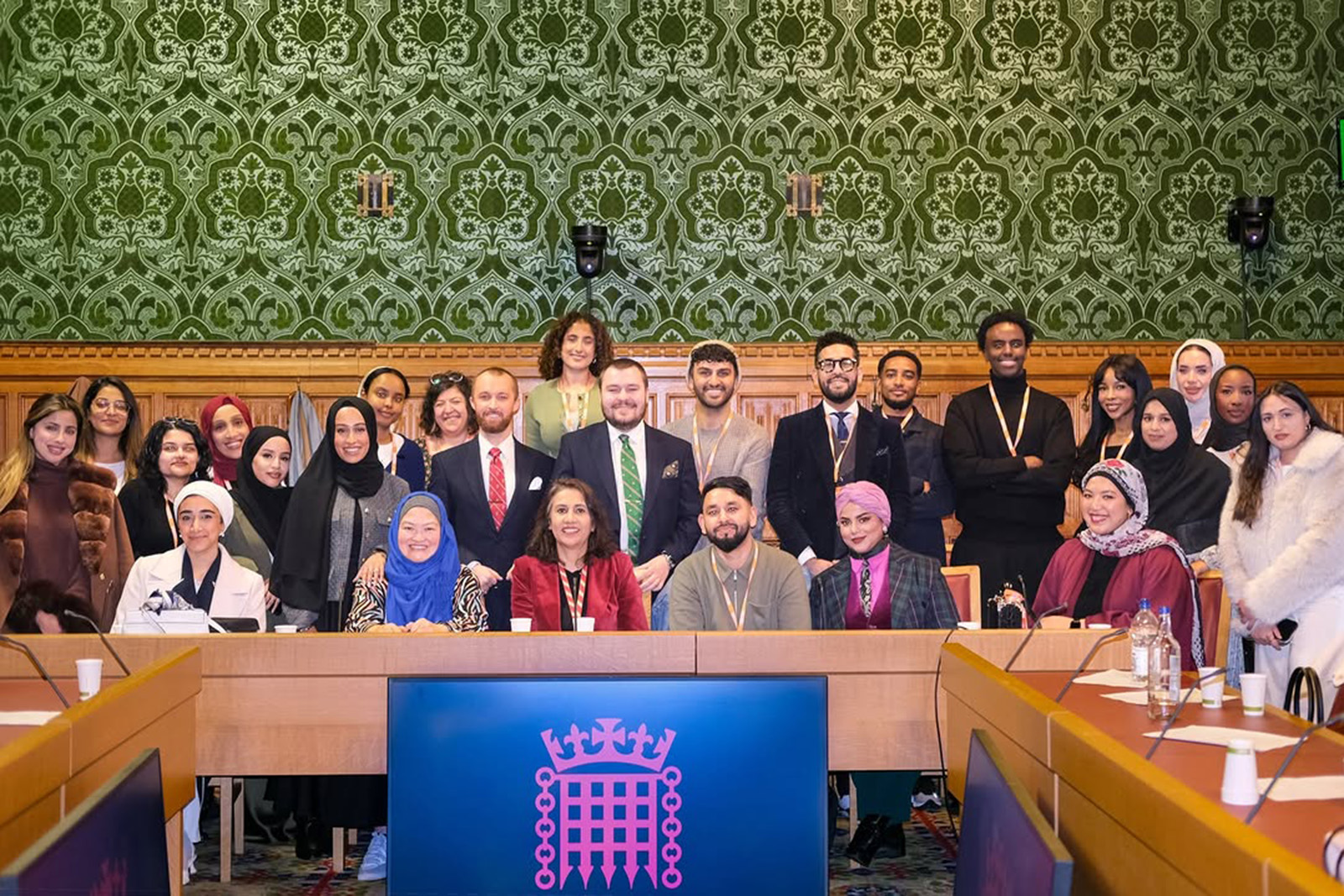
In a wood-panelled committee room inside the Houses of Parliament, a group of influential British Muslims gathered for a landmark conversation on Wednesday night about visibility, representation and creative influence.
Hosted by crossbench peer Shaista Gohir and social media content creator Sebina Hussain, the inaugural Muslim Creators Network (MCN) meeting brought together influencers, broadcasters, artists, community stalwarts and journalists to discuss how to reshape the portrayal of British Muslims in media and entertainment.
The session offered an open forum on anti-Muslim narratives, exclusionary gatekeeping and online hostility, themes that many said had long distorted or silenced authentic Muslim voices.
Yet the tone was forward-looking, with participants sharing practical ideas for systemic change — such as being able to speak directly with influential figures in media and politics as a collective, something Baroness Gohir said she could help facilitate.
“I got to where I am because of networking. This network will allow members to help each other and amplify each other’s work,” said Gohir.
The roundtable marked the first step in developing the MCN, a national platform set to officially launch in March 2026.
“Putting together the event was a passion project of mine and the intention here really is to amplify the voices of British Muslims and to take control of our own narrative and our own storytelling,” Hussain said.
She added: “The feedback in the room today shows how desperately something like this was needed.”
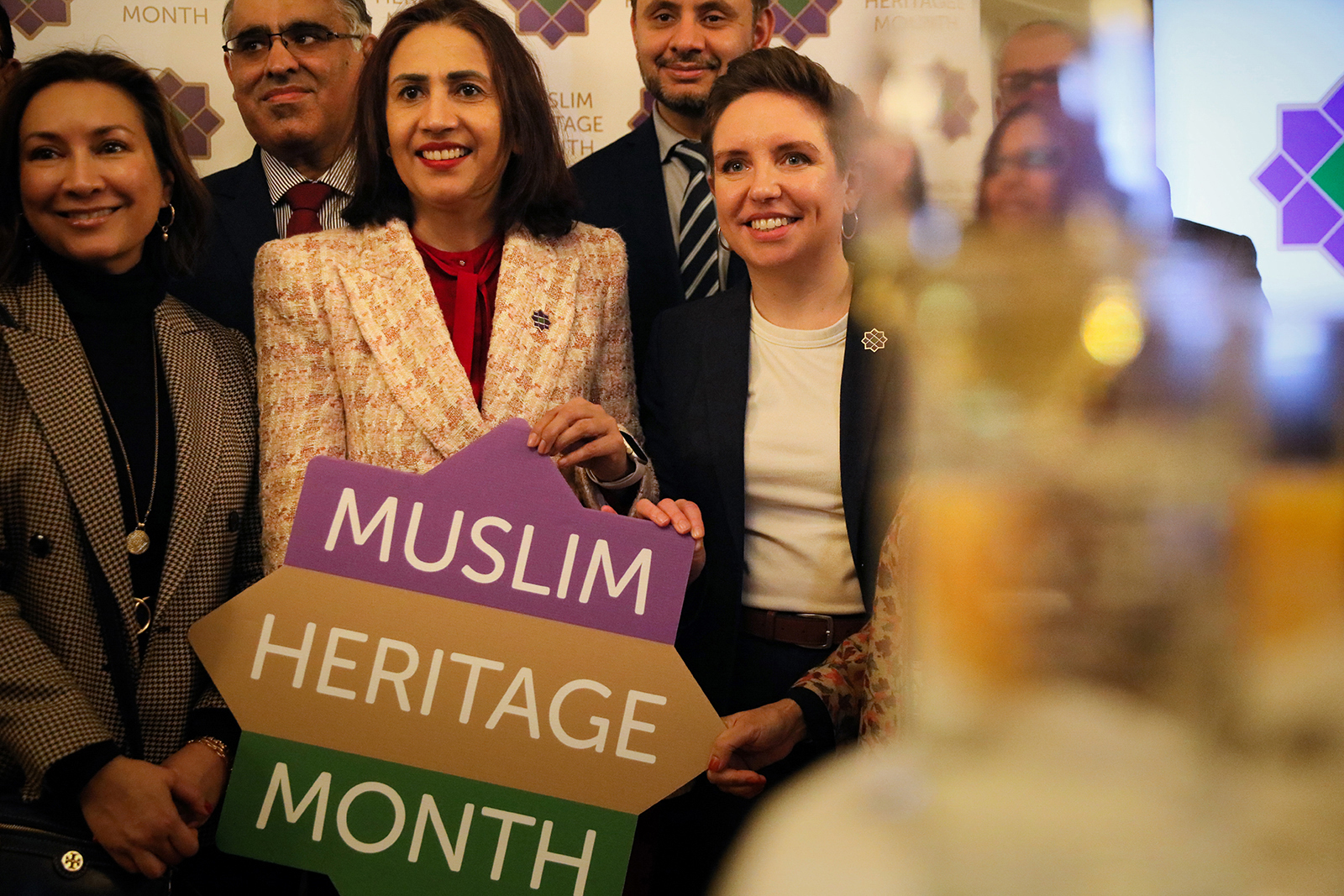
The MCN is part of the Muslim Women’s Network UK (MWNUK), of which Gohir is the chief executive. It will welcome all Muslim creatives and run alongside the annual Muslim Heritage Month in March — another MWNUK initiative.
“I established Muslim Heritage Month in response to growing concerns about the increasing normalisation of anti-Muslim bias in Britain,” said Gohir.
“Despite the existence of Islamophobia [Awareness] Month, observed in November, I believed there was a need for an additional initiative that could indirectly confront anti-Muslim prejudice through a more celebratory and storytelling-oriented approach.”
Members will gain access to training, workshops and mentoring, alongside business, legal and financial literacy programmes, advocacy training and opportunities for collaborative campaigns. The network also promises to help creators connect, share ideas and support each other.
The group argues that British Muslim creatives continue to face challenges including misrepresentation, Islamophobia, lack of access, tokenism and underpayment. These pressures, combined with the mental health impact of online hostility, have left many isolated within their fields.
The MCN aims to dismantle these barriers through training, connection and collective influence.
Future meetings will bring together the newly formed MCN advisory panel — featuring video creators such as Shabaz Ali, author Ova Ceren and publishing editor Natasha Syed — to develop strategies that can influence media narratives and policy with Gohir’s support.
Ali, whose channel Shabaz Says has nearly two million followers on Instagram, said: “It’s definitely an exciting future for Muslim creators and hopefully we can get bigger and we can finally start making changes.”