

British Somali teachers’ network gears up for first in-person event

After relaunching earlier this year, the British Somali Educators Association seeks to support teachers and inspire the next generation

British Somali teachers and school leaders have said that stronger representation in classrooms is key to raising aspirations among Somali pupils amid the relaunch of a national network.
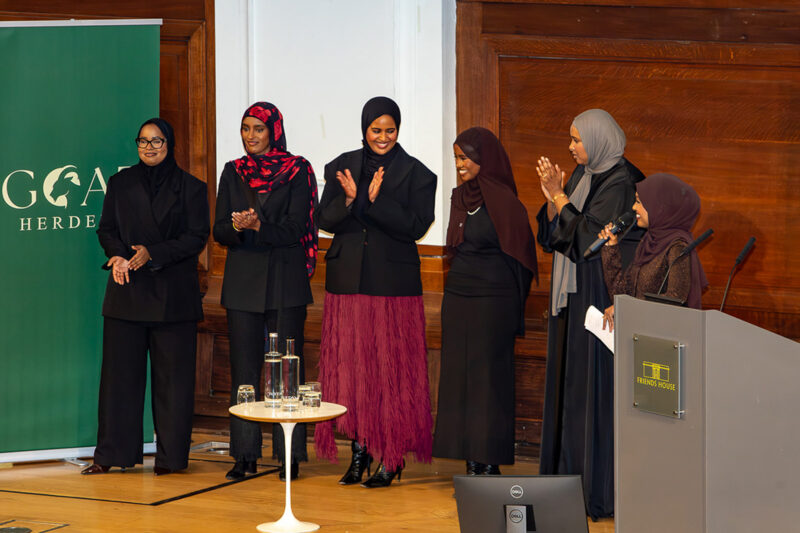
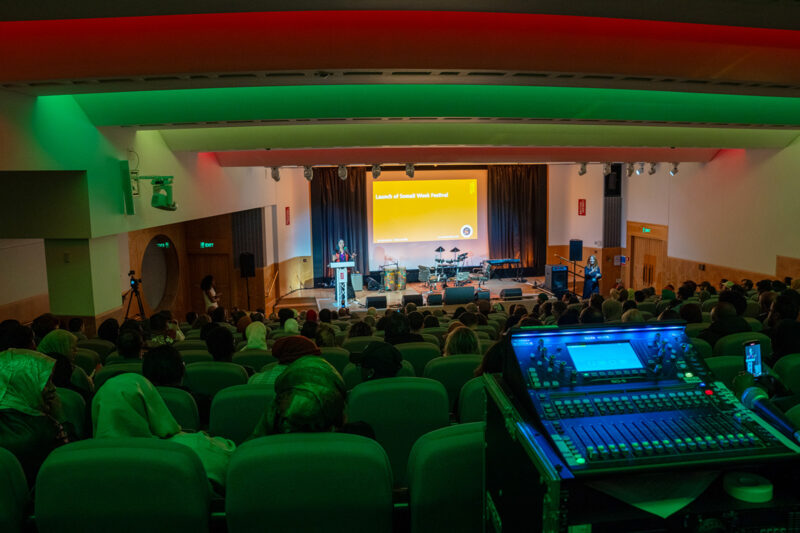
The British Somali Educators Association (BSEA) will host its first in-person event in April in Wembley, north-west London. The dinner follows an online relaunch event in January that brought together more than 300 qualified and trainee teachers and headteachers from across the UK.
Baar Hersi, an assistant headteacher at a London secondary school, originally set up the network towards the end of the pandemic lockdowns in early 2021. After a successful virtual launch, however, she found the pressures of a post-Covid teaching world left her little time for the project and it was put on hold.
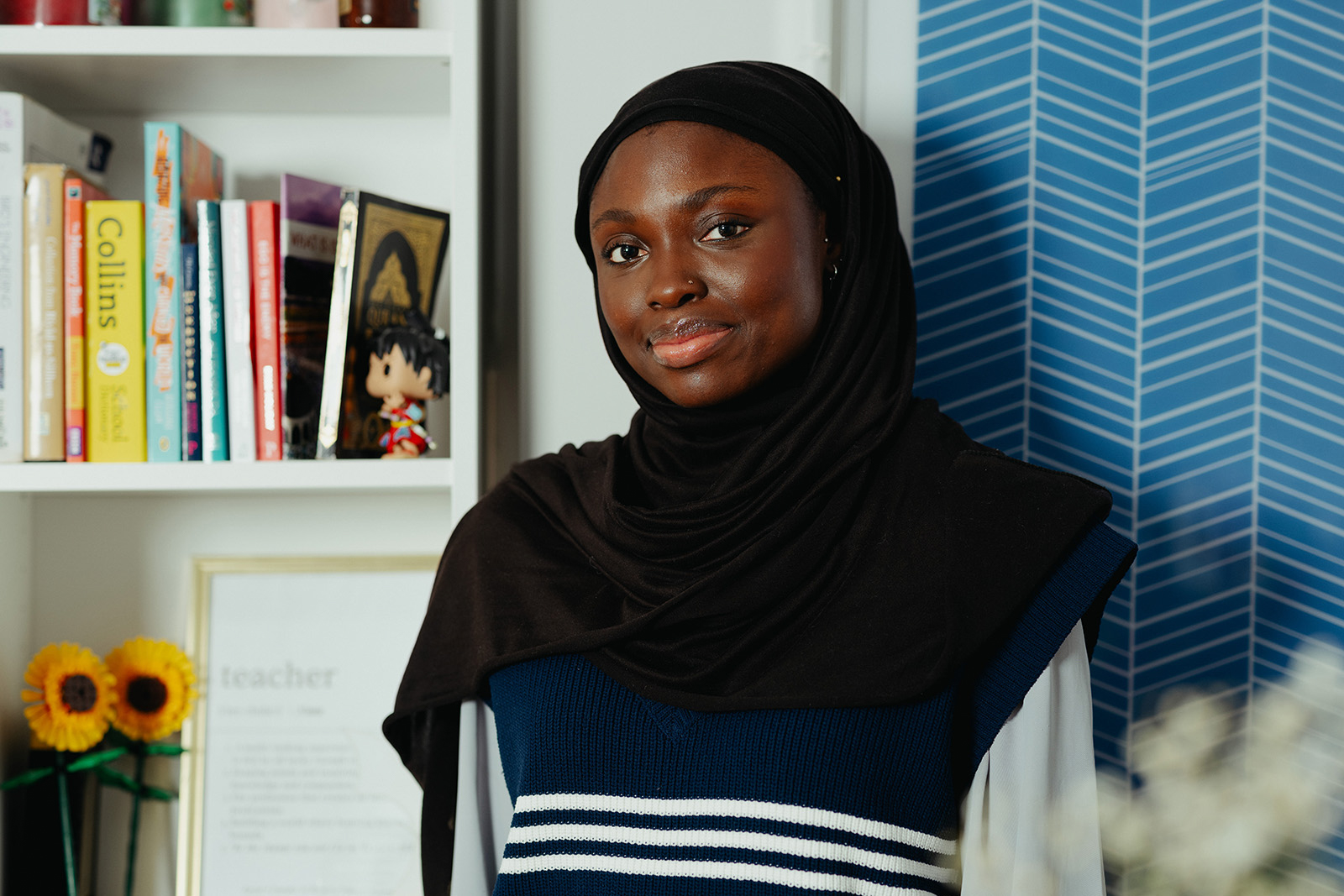
Five years on, after receiving a string of messages asking her when the network would continue, she is ready to pick up where she left off.
The network aims to support Somali educators at every stage of their careers — from those considering teacher training to those moving into senior leadership — while championing the achievements of Somali professionals in education.
The project has its roots in Hersi’s work as a teacher in Brent nearly two decades ago, when she began teaching at a school that had hundreds of Somali students but few Somali teachers. “When I first started teaching, students would whisper: ‘Is she Somali?’” she said. “Often it was curiosity, but sometimes it was hope — hope that someone who looked like them was in that position.”
She realised some of these students were underachieving, so she and a small group of other Somali teachers set up a Saturday programme to provide them with academic support and mentoring ahead of their GCSEs. Alongside tutoring, the programme also invited Somali professionals — including lawyers, architects and creatives — to speak to students about career possibilities.
“It had two aims,” said Hersi. “One was an academic intervention so students could improve their grades. The other was raising aspirations by showing them successful Somali professionals they could relate to.”
She says the impact was immediate. “For many of those young people, it was the first time they had ever been taught by teachers who looked like them,” Hersi said.
Somali communities make up one of the largest African diasporas in the UK, with more than 176,000 people in England and Wales identifying as Somali in the 2021 census. But teachers from Black backgrounds remain under-represented in the profession, particularly in leadership roles — in England, only 2.9% of teachers and 1.2% of headteachers identify as Black.
At the online relaunch event, speakers included early-career teachers, senior leaders and an executive headteacher, who shared their journeys through the education system and the challenges they have faced along the way. Hersi said many Somali educators still feel isolated in schools.
“Often I go to events celebrating Black and minority educators, and I’m either the only Somali teacher or one of very few,” she said. “But when we put something out there, people reach out and say: ‘I’m a teacher, I’m a deputy head, I’m a subject lead.’ There are many of us, we just aren’t always connected.”
The association hopes to change that by building a national support network. Its priority will be helping Somali graduates and teaching assistants navigate routes into teaching, including teacher training pathways and mentorship opportunities.
A second strand will focus on supporting Somali educators who want to move into middle and senior leadership roles.
Related content
“We want to create programmes where people can learn about the pathway to leadership, share advice and get support with applications,” said Hersi.
The group also wants to create a platform to celebrate Somali educators and encourage more young people to see teaching as a viable career.
“One of the biggest issues isn’t necessarily barriers, it’s whether young people even see teaching as an option,” Hersi said. “If you never see someone who looks like you in that role, you might not think it’s something you could do.”
In the long term, organisers hope to expand their work to support students and parents directly. But for now, their focus is on building a strong community among Somali educators themselves. Somali educators interested in getting involved can connect through the network’s social media channels, attend upcoming events or volunteer to mentor others entering the profession.
“There are a lot of Somali teachers — it’s just about bringing us together as a community and supporting one another,” Hersi said.