

Starmer has angered Trump — but Labour MPs, for once, are on his side
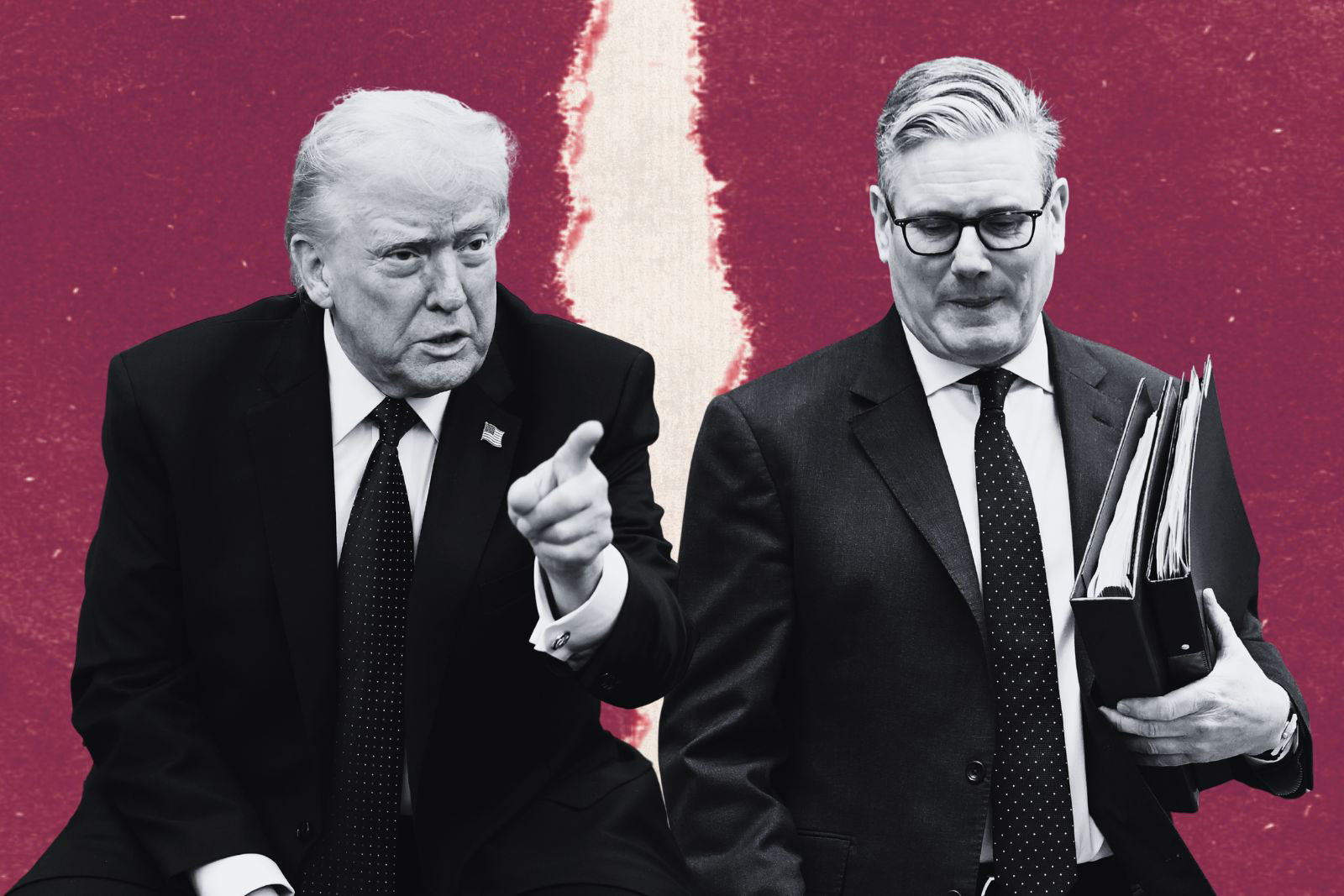
The thin-skinned US president could punish the UK for refusing to let him use British military bases. But standing up to Trump has proved popular at home

Keir Starmer has always been cautious about criticising Donald Trump in public.
The prime minister calculated, from the moment Trump returned to the White House, that any slight was likely to infuriate the thin-skinned president, with potentially huge consequences for the UK.
Any disagreements, whether over Ukraine, tariffs or Greenland, have been tempered with politeness and niceties. When Trump became president, the red carpet was rolled out for an unprecedented second state visit, and Starmer has attempted to cultivate the relationship with the diligence of a man who seemed to accept that Britain and his administration need America.
Related content
Trump has often returned the favour, praising Starmer on several occasions. But the ever fickle president can change course very quickly if he feels insulted.
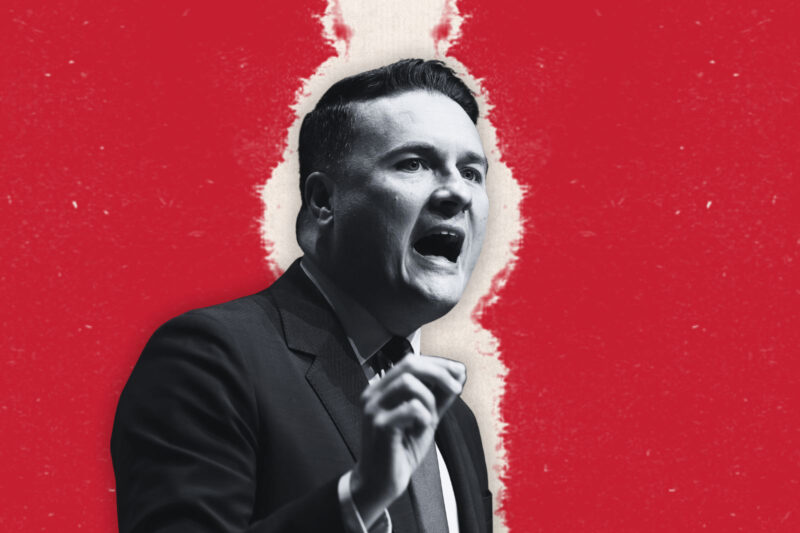
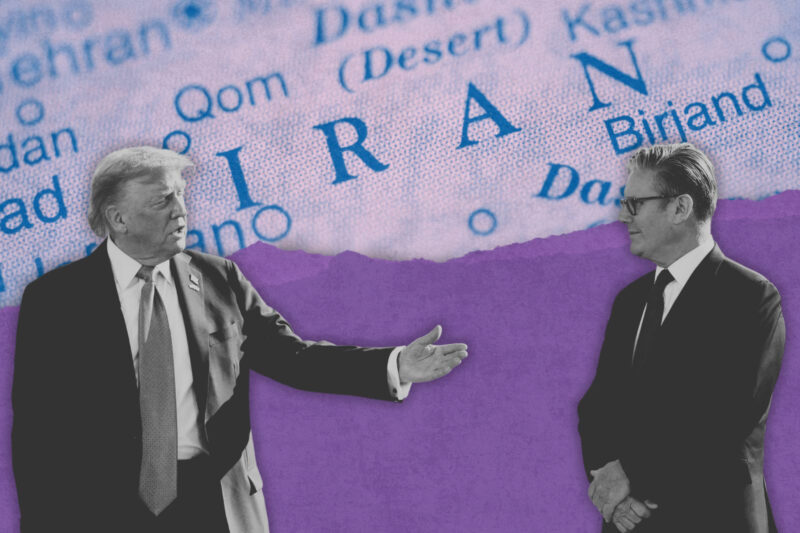
A few days into the US-Israeli bombing campaign against Iran, he did exactly that. Trump sat beside German chancellor Friedrich Merz at the White House and said of Starmer’s refusal to let the US use Britain’s military base in Diego Garcia to strike Iran: “This is not Winston Churchill that we’re dealing with.” To say this was insulting would be to put it lightly.
Starmer had cited legal concerns over the strikes and the need for a clear, thought-through plan as his rationale for denying Trump access. He told the House of Commons on Monday that Britain’s position had long been to pursue a negotiated settlement with Iran — one in which the latter agrees to abandon its nuclear ambitions and ceases what Britain describes as its destabilising activity across the region. He invoked Iraq, international law and the principle that Britain’s actions must serve Britain’s national interest.
Eventually he agreed to let the US use bases for defensive strikes on Iranian ballistic missiles and drones, but not for broader offensive operations. By then, however, the damage was done. Trump told the Sun that Starmer had “not been helpful”, adding that the relationship was “obviously not what it was”.
Domestically, at a time where the prime minister has been under significant pressure, particularly after a major byelection defeat, it is notable that many Labour MPs have been praising Starmer. “He did the right thing,” one told me, “and he’s being punished for it. That’s the reality of dealing with this White House.” From discussions I have had with several others, that view appears to be widely shared on the government benches. Another, usually critical, Labour MP told me they were impressed that the prime minister had not blindly followed the US. “I actually think it was sensible to think this through properly,” they said.
Tory leader Kemi Badenoch was less supportive, criticising the prime minister for using international law to avoid “clearly and unequivocally stating whose side” he is on. Meanwhile, Green Party leader Zack Polanski and Liberal Democrat counterpart Ed Davey have called on the prime minister to stand up to Trump more forcefully.
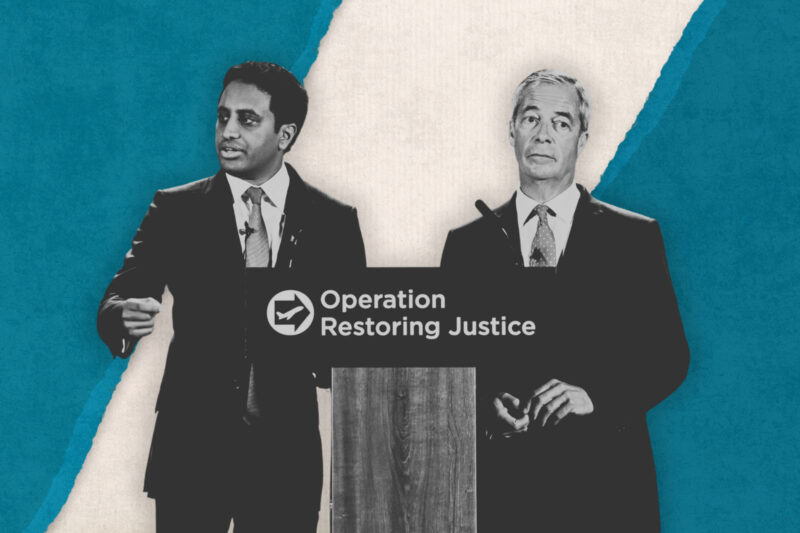
But the biggest fault line is with Reform UK. Nigel Farage called on Starmer to change position following his initial refusal to back the US, while Robert Jenrick told GB News that a Reform government would have opened British airbases to US jets without hesitation. “They are our longest standing ally,” Jenrick said. “It is important we are a reliable ally and not one that waxes and wanes, or puts a vague sense of international law over those longstanding relationships.”
There is nothing subtle about Reform’s positioning here. The party that has spent years aligning itself culturally, rhetorically and politically with the MAGA movement is now making the case that it, not Labour, is the natural party of the US alliance.
Farage has never hidden his admiration for Trump and has often been seen in the US alongside senior Republican figures. His entire political project is built on the same instincts, the same voter coalition, the same contempt for what he regards as the liberal establishment’s squeamishness. The Iran conflict has given him a chance to make that alignment explicit.
Starmer, for his part, appears comfortable with the fight, even if the optics are bruising. He told the Commons directly: “President Trump has expressed his disagreement with our decision. But it is my duty to judge what is in Britain’s national interest. That is what I’ve done, and I stand by it.” It was, by his standards, unusually sharp.
The calculation has shifted somewhat in the last 48 hours or so after drones were targeted at the British air force base RAF Akrotiri in Cyprus. I have spent the past few days in Cyprus for ITV News, where there are growing concerns about the safety of the base amid fears that Iran, or Iranian-backed groups, are actively targeting it.
The prime minister has announced that a British warship is being deployed to the region, in part because of its anti-drone capabilities. I have also been told about a number of missions launched from the base in recent days, with British forces helping to shoot down drones in Jordanian, Qatari and Iraqi airspace.
All of this suggests the UK is being drawn more deeply into the conflict, even if Starmer was initially hesitant. He has, however, made repeated guarantees that no US offensive bombers will use British bases.

For a country that has organised its foreign policy identity around the “special relationship” with the US for the better part of a century, all of this carries huge weight and is potentially a recalculation of where we stand on the international scene.
That relationship survived the Suez crisis, disagreements over airstrikes in Syria and other moments of profound transatlantic tension. But these precedents involved different kinds of American presidents — ones who, whatever their frustrations, ultimately valued the institutional architecture of the alliance itself.
What Starmer faces is something new: a president who appears entirely comfortable taking decisions that could severely damage the so-called special relationship when he doesn’t get his way.
Shehab Khan is an award-winning presenter and political correspondent for ITV News.