

Lead coroner for diversity says lack of data is making her job harder
Nadia Persaud, who was appointed to the role for England and Wales last year, also said the coroner’s service should be reorganised and run nationally
The diversity lead for coroners in England and Wales has admitted that a lack of data is hampering efforts to broaden access to the profession — and said that she would support a shake-up of the sector to put coroners under a single national umbrella service.
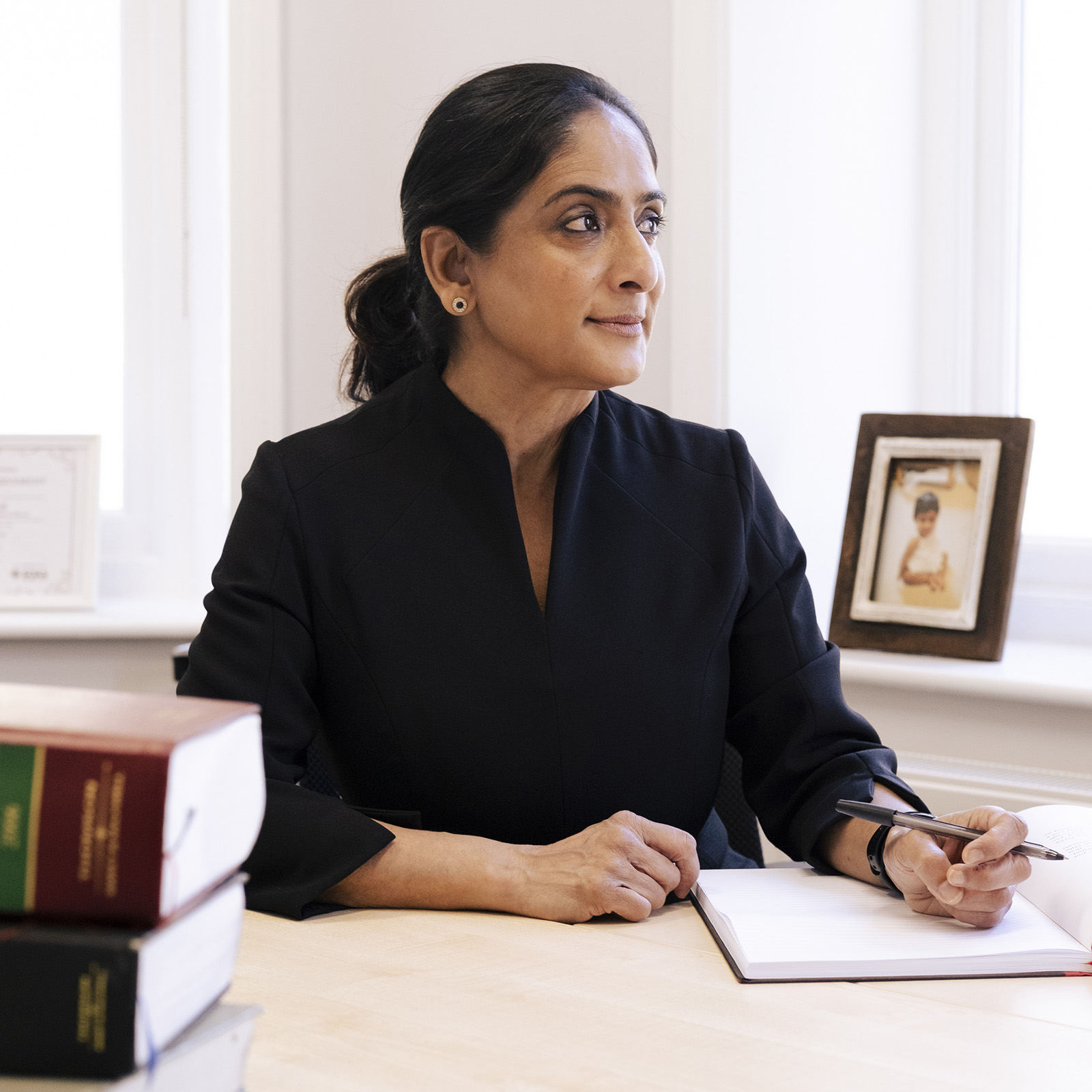
However, reflecting on her first few months in the role of lead coroner for diversity and inclusion, Nadia Persaud — who is also the area coroner for five boroughs in outer east London, covering a population of nearly 1.5 million — told Hyphen that she believed things were slowly changing for the better, both for local Muslim and Jewish families and for people from backgrounds that are underrepresented in the judiciary itself.
“When I was first going to training and conferences in 2009, I was probably one of very few people from an ethnic minority within the coroner groups,” she said. “That’s definitely improved over the years, but there is still work to do.”
Persaud has spent much of her time so far wrestling with the poor data available on diversity within coroner services. There is a system for collecting data on coroners themselves, but the response rate is below the target of 62% — she will not say by how much. “That’s one of the main things I’ve been doing — trying to communicate, with the assistance of the chief coroner’s office, the need to complete the diversity data,” Persaud said.
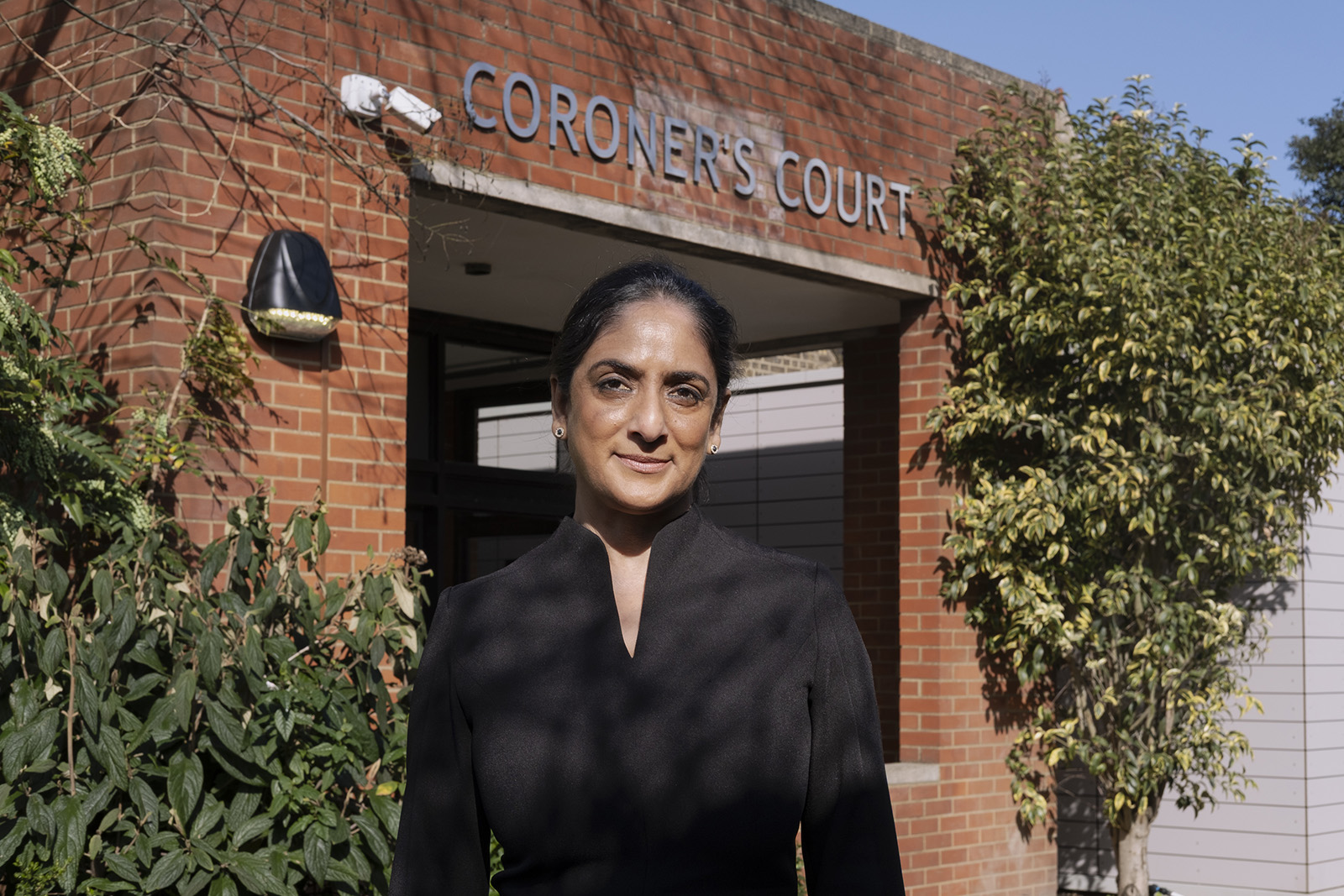
Waltham Forest Coroner’s Court, positioned to the south of the upmarket Walthamstow Village neighbourhood, sits beside the Queen’s Road cemetery and chapel, with Persaud’s office inside what looks like an old vicarage. Just visible down the road is the Masjid e Umer, Walthamstow’s central mosque.
Persaud was appointed lead coroner for diversity and inclusion last year, the first person to hold the position. Coroners investigate deaths within England and Wales that they suspect may have been the result of violence, unknown or “unnatural” causes, or while the person was in some form of state detention or care. It is an important job that holds institutions such as the NHS, prison and care systems accountable, while aiming to provide a measure of closure and comfort for the family and friends of the deceased.
It is also a specialised and ancient role, dating back to 1194. Unlike judges, who number in the thousands, there are only 98 coroners covering England and Wales (different systems exist in Scotland and Northern Ireland).
Persaud was appointed an assistant coroner in 2009 and took on a full-time role in 2013. “It can be very challenging, and there are times when it’s very stressful,” she said, “but overall, I would say it’s really rewarding, because you are getting answers for families who have lost loved ones,” she said. On a shelf by a window are thank-you cards from families whose cases she has handled.
The Queen’s Road court covers the five outer east London boroughs of Waltham Forest, Redbridge, Barking and Dagenham, Havering and Newham, an area that contains about 350,000 Muslim residents. Many of the issues they face are shared with local Jewish communities (nearly 10,000 Jewish people live in the same area): both faiths, for instance, prefer post mortem investigations that minimise physical interference with the body, and require burials to take place within strict time frames, which can put pressure on stretched coroner’s offices — something that led to scandal in neighbouring boroughs a few years ago.
Persaud successfully instigated efforts to get a CT scanner installed next door in the mortuary, which enables less invasive post-mortem examinations. She says it is “one of my greatest professional achievements”. Prior to this year, families who wanted such a service were having to transport bodies as far as Oxford and pay privately. The scanner is now used as a default to ensure the dignity for all families, not just those of a particular faith.
However, there can still be longer waits of more than a week for post-mortems on children due to a shortage of pathologists with the necessary expertise, and it is clearly a source of anguish for Persaud. “I absolutely can’t bear it when a child dies and families have to wait for a long time, which they just have to now,” she said.
Coroners’ courts are not part of the Ministry of Justice (MoJ) and are instead administered by local councils, with one (in her case Waltham Forest) taking a lead and the others in the area providing financial support. It’s part of a system that has come under criticism, including by Persaud, as producing a “postcode lottery”.
“What you have is some coroners who will be well resourced, and other coroners who will not be well resourced, which I don’t think is fair on families, because they can’t choose where their inquest is heard,” she said. Lack of resources can mean cases take longer to investigate and may even be examined less thoroughly. A series of reviews going back 20 years have recommended moving to a national system of coroners, under the MoJ, which Persaud supports.
Another area of frustration is the lack of power to enforce change. While coroners can issue “Prevention of Future Deaths” reports, naming organisations that need to change their policies and practices in order to prevent unnecessary deaths in future, they cannot compel action. That power lies with regulators such as the Care Quality Commission. And larger trends and factors are not easily tackled.
“It would be untrue if I say I don’t see the same thing coming up again and again,” she said. “The NHS health services are not in the best position. And so there are certain things — risk assessments, for example — which come up time and time again. But we are told that they are doing work to improve the systems. But again, they have difficulties because they don’t have all the resources that they need.”
Persaud began her career in the legal sector on a standard solicitor training contract. “We did a bit of crime, we did a bit of conveyancing, a bit of personal injury. I think I had one medical negligence case,” she remembers. However, she was still drawn to medical law, despite being warned off by recruiters who told her it was “too niche” and “too specialised”, and instead she persevered, studied for a master’s in medical law and ethics at King’s College London, and successfully applied directly to medical negligence firms.
The job of a medical negligence lawyer is to seek redress and compensation when a medical procedure, surgery or treatment goes wrong. Persaud discovered she loved being in court, but as a solicitor in her field she rarely attended court and cases were often settled before going in front of a judge. “The job really turned into just writing reports,” she remembers. Her caseload did, however, include working on inquests. “Towards the end of my time in practice, and I left in 2013, my caseload was probably about 70% inquest advocacy,” she said. Persaud is keen to get across the message that tenacity, confidence and self-belief can overcome many of the barriers that stand in the way of the job you want.
The task of diversifying the coronial service, and the wider judiciary, seems like it will take time and come up against those challenges of resourcing and structures that were designed for a different era. Most coroners, however, provide mentoring or shadowing opportunities for young people contemplating a career in the service, she added.
“Everybody is really interested in this area, and they want to see improvement, but it’s challenging to devote the time,” she said.