

Cooking as resistance: the Palestinian chef teaching Barcelona about Gaza
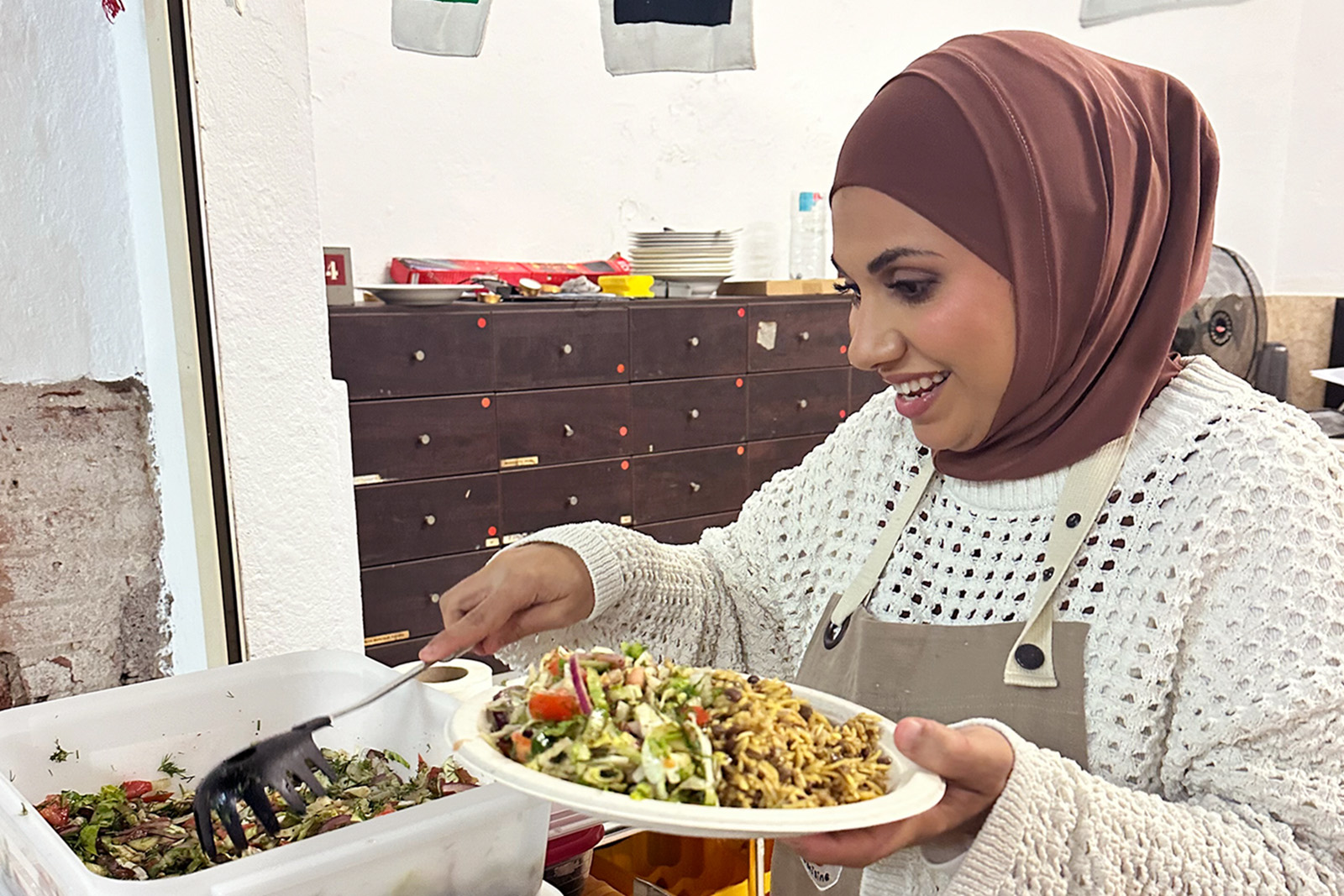
Asma Abu Salama fled the Strip for Spain and started Gazzawi Cuisine, using dishes from home to rebuild her life and preserve her culture

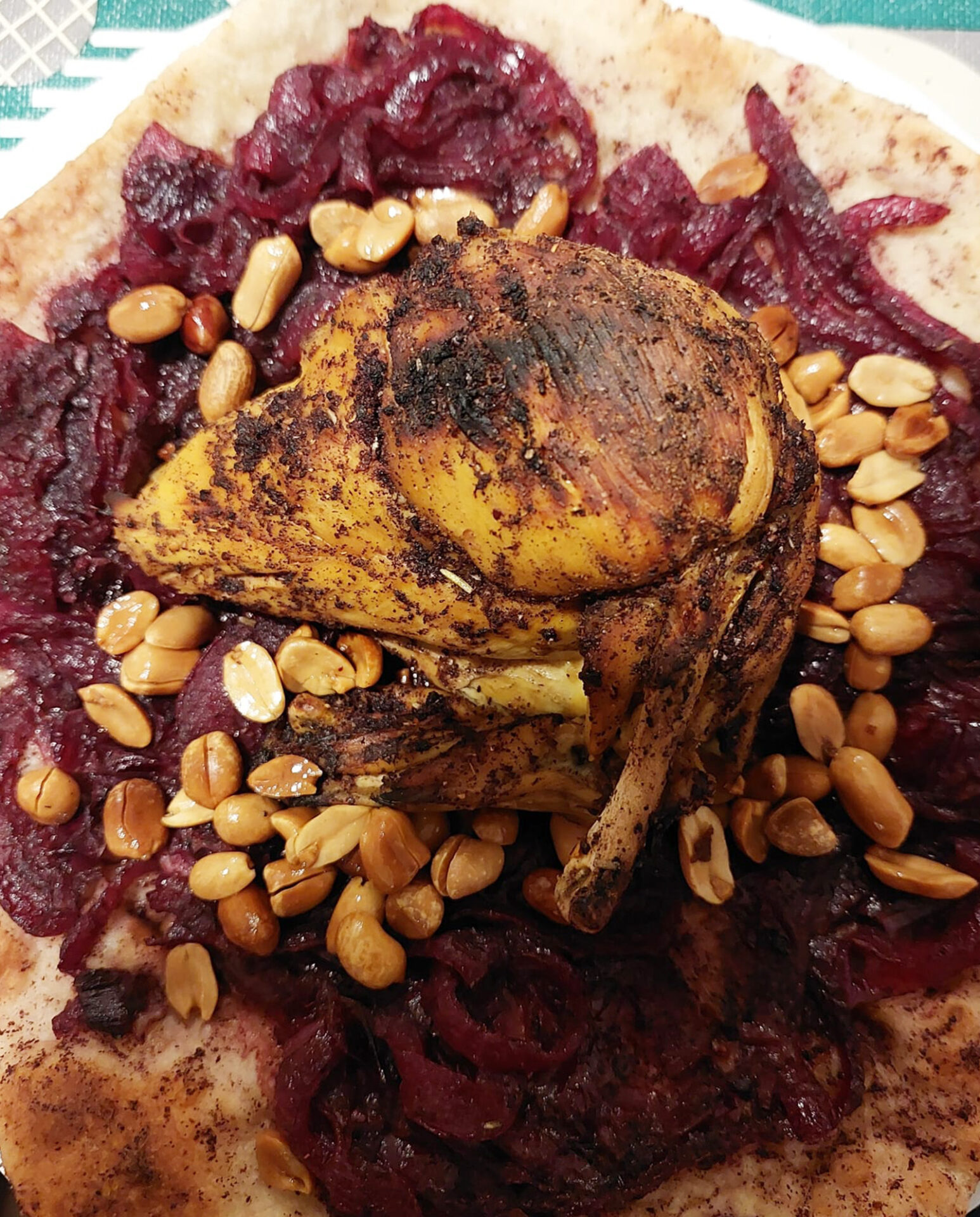
Asma Abu Salama’s small kitchen in Barcelona’s Raval neighbourhood is packed with jars of sumac and za’atar and large pots. Here she prepares authentic Palestinian dishes like maftoul – a flavourful stew with hand-rolled couscous – and musakhan, roasted chicken layered over flatbread with onions and sumac.
Abu Salama, 31, arrived in Spain in September 2024 with her husband and two young daughters after fleeing the genocide in Gaza. The family first escaped to Egypt before being evacuated to Barcelona. Their home was flattened — they were forced to leave everything behind, including their careers.
Related content
“In Gaza I was doing my training as a nurse. I had my life,” she said. “Here, I had to start from zero.”
Starting again meant thinking about the skills she could use to make a living. Finding stable, well-paid employment proved difficult. Friends and family had long praised her cooking, so she decided to start making food that would be both delicious and tell the story of her culture. Within weeks of arriving, she launched Gazzawi Cuisine – a reference to the people of Gaza – setting up an Instagram account with the help of her sister-in-law.
The response was immediate. Invitations followed to cook at community events in support of Palestine, including gatherings linked to the departure of the Global Sumud Flotilla in August 2025. But it is the smaller cooking classes she enjoys most.
In these sessions, participants learn how to prepare traditional Palestinian dishes while Abu Salama talks about her life in Gaza and the cultural significance of the food. “My cooking is a type of resistance,” she told Hyphen, in her kitchen on a sunny afternoon on the first day of Ramadan. “I’m teaching people about my culture, and I’m also telling them what is happening to my people.”
She explains that food plays a central role in Palestinian social life, marking both celebration and grief. “In Palestine, when we’re sad, we share food. When we’re happy, we share food,” she said. “Food is how we show love.”
For Abu Salama, preserving those traditions feels urgent. She sees Palestinian cuisine as inseparable from land and identity. Olive oil, sumac, sage and za’atar are not simply ingredients but markers of place. “When you have culture, you have identity,” she said. “You can build another home. You can start again. But you cannot replace your culture.”
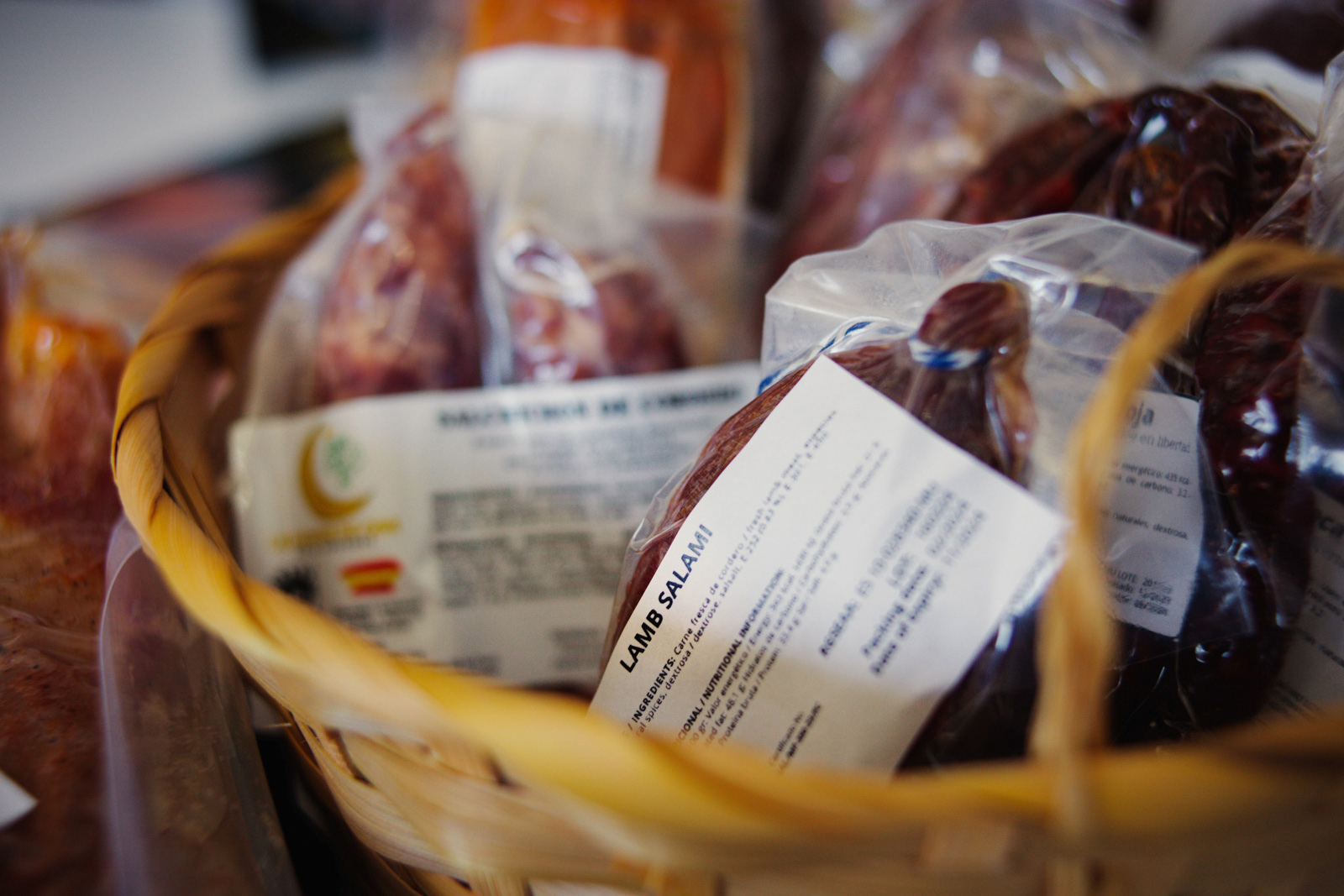
Sourcing the right ingredients in Spain can be difficult. She often prepares her own spice blends and relies on friends travelling to the West Bank to bring back small quantities of specific herbs and spices. Even olive oil, she notes, carries political weight. During last year’s harvest, the UN documented 86 Israeli settler attacks disrupting Palestinian farmers and injuring more than 100 people.
The dish she most enjoys cooking during Ramadan is musakhan, often described as Palestine’s national dish. Traditionally served on large platters for sharing, it consists of roast chicken, seasoned onions and generous amounts of olive oil and sumac layered over flatbread. It is designed to be eaten communally.
Related content
Her knowledge of these recipes comes from observation rather than formal training. As a child, she watched her mother and other women in her family cook for weekend gatherings. “I learned by being in the kitchen with them and watching them cook,” she said.
Now, more than 3,000 kilometres from Gaza, she continues those practices in Barcelona. She hopes eventually to open a small restaurant of her own – “a cosy place where you go inside and you know this is Palestine”.
For now, Gazzawi Cuisine provides both a source of income and a sense of continuity. In a city far from home, Abu Salama has found a way to help sustain her family while keeping alive the flavours and traditions she fears could otherwise be lost.
Ramadan recipe – Asma’s musakhan
Ingredients
1 medium-sized chicken, whole or cut into four pieces
1 cup of extra virgin olive oil
4 cardamom pods
1 tsp ground cardamom powder
1 tsp black pepper
1 big stick of cinnamon
4 bay leaves
4 tsps sumac
3-4 large red onions
Salt to taste
Taboon bread or any other flatbread of your choice
Method
1. Rub about half of the dry spices and most of the olive oil onto the chicken, then place it in the oven at 200°C until it’s golden brown and a little bit crunchy, for 45-60 minutes.
2. Meanwhile, dice the onions finely and saute over a medium heat in a large pan, stirring continuously until the onions turn translucent. You want them golden and soft, but not caramelised. Add a quarter of the spices and stir until everything is well mixed. Set aside.
3. When the chicken is ready, remove it from the oven and set aside. While it rests, take your bread and rub it with the remaining spices, set the oven to grill, and toast the bread until golden brown and crispy.
4. To assemble, place the bread on a large platter before spooning over the onions and then placing the chicken on top.
5. Finish it off by sprinkling more sumac on top, together with a generous drizzle of olive oil before serving.