

When is Eid al-Fitr 2026 in the UK?
Find out the expected date of Eid al-Fitr 2026 in the UK, how it’s determined by the moon sighting, and what to know about celebrations and traditions
Eid al-Fitr is one of the most significant celebrations in the Islamic calendar. Observed on the first day of Shawwal, the tenth month in the Islamic year, it marks the end of Ramadan.
Ramadan holds great importance in Islam as it is believed to be the month that the Qur’an, the holy book, was revealed to the prophet Muhammad.
The islamic calendar is based on the lunar cycle, which means that the exact dates of Ramadan and Eid are determined by the sighting of a new moon. As a result, the date that Eid al-Fitr falls on varies each year.
When Is Eid al-Fitr 2026 in the UK?
Eid al-Fitr 2026 is expected to fall on either Thursday 19 March or Friday 20 March, depending on the sighting of the new moon.
Each year, Muslims fast for either 29 or 30 days, also based on the new moon. The exact date of Eid cannot be confirmed until the 29th day of Ramadan.
Related content
Eid al-Fitr 2026: key dates
Different communities follow different moon sightings, which means that not everyone started Ramadan on the same day.
In the UK, many Muslims follow the announcement from Saudi Arabia and begin fasting on Wednesday 18 February, after the new moon was spotted there on 17 February.
If a new moon is seen on Wednesday 18 March, Eid al-Fitr will fall on 19 March, and Ramadan will be 29 days long. If the moon isn’t spotted, those following Saudi Arabia will observe 30 fasts and celebrate Eid on 20 March.
Those who follow the moon sighting in the UK started fasting on Thursday 19 February, after the new moon was seen in the British Isles on the evening of 18 February.
If the moon is seen on Thursday 19 February, Eid al-Fitr will fall on Friday 20 March. If the moon isn’t spotted, those following the moon sighting in the UK will celebrate Eid on Saturday 21 March. Moon sighting in the UK is carried out by the astronomy group the New Crescent Society.
When did Ramadan start and what is the significance of the last 10 days of Ramadan?
This year, Muslims began fasting on either 18 or 19 February. As the length of the month is determined by the lunar cycle, Muslims will fast for either 29 or 30 days, depending on the sighting of the new moon.
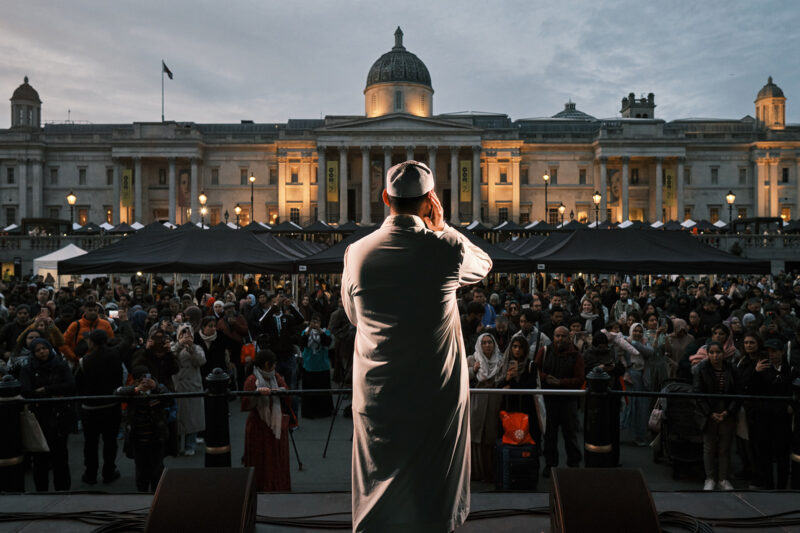
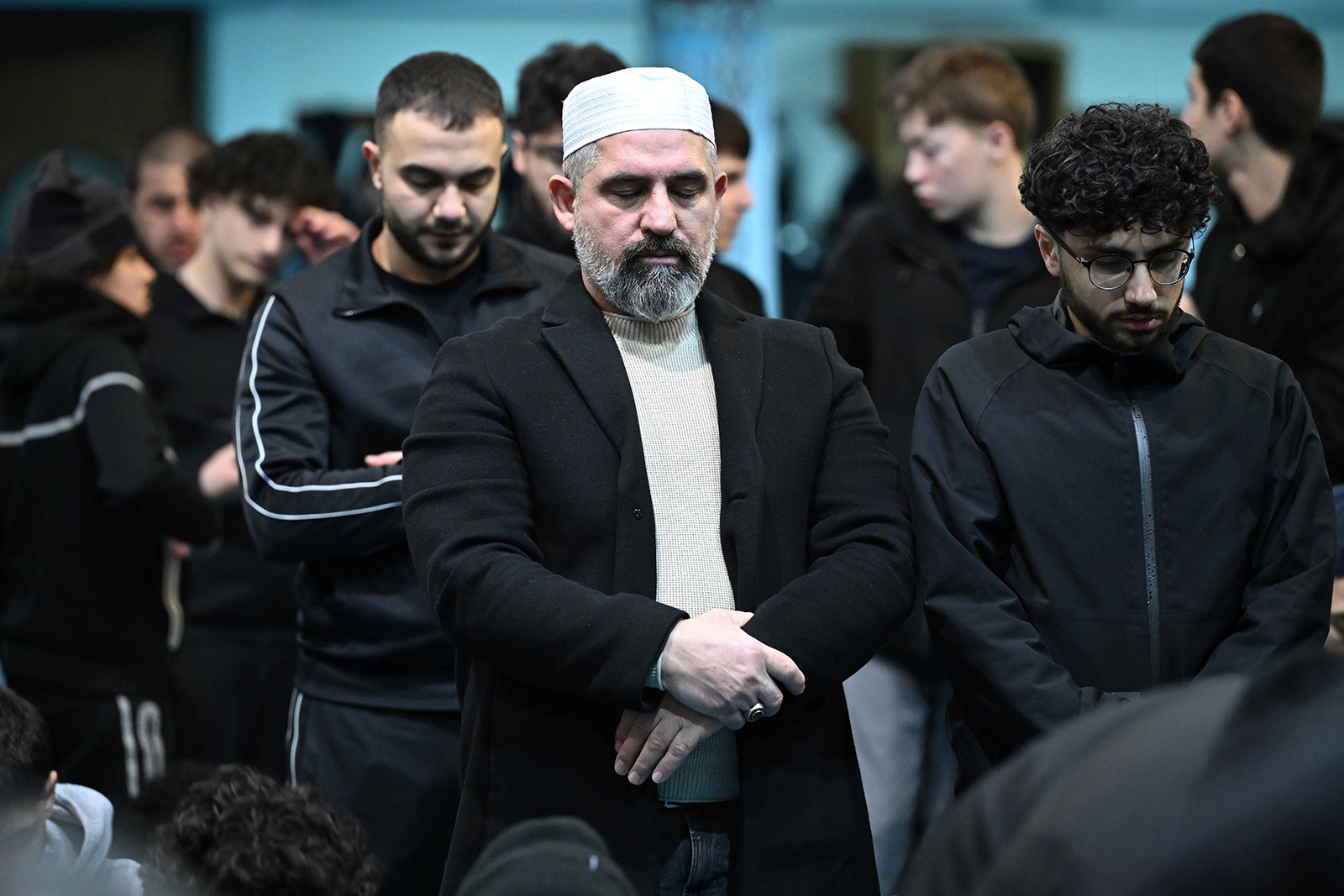
Muslims observe Ramadan through fasting, giving to charity and increased prayer. Many Muslims also read taraweeh every night of Ramadan. This is a voluntary night prayer that is read after Isha, the last of the five compulsory prayers. It can be read at home or at the mosque in congregation.
It is widely accepted that the last 10 nights of the month hold the most spiritual rewards. For this reason, many Muslims give more to charity during these days. On top of the compulsory prayers and taraweeh, many Muslims spend the last 10 nights completely devoted to worship, such as through reading the Qur’an.
Laylat al-Qadr, also known as the Night of Power, is one of the most sacred nights in the Islamic calendar and is believed to occur on one of the odd nights during the last 10 days of Ramadan. It is the night on which the Qur’an was first revealed to the prophet Muhammad.
While scholars differ on the exact date of Laylat al-Qadr, it is commonly believed to fall on the 27th night of Ramadan. For those who began fasting on 18 February, this will be on Sunday 15 March. For those who began fasting on 19 February, it will be on Monday 16 March.
How Eid is celebrated in the UK
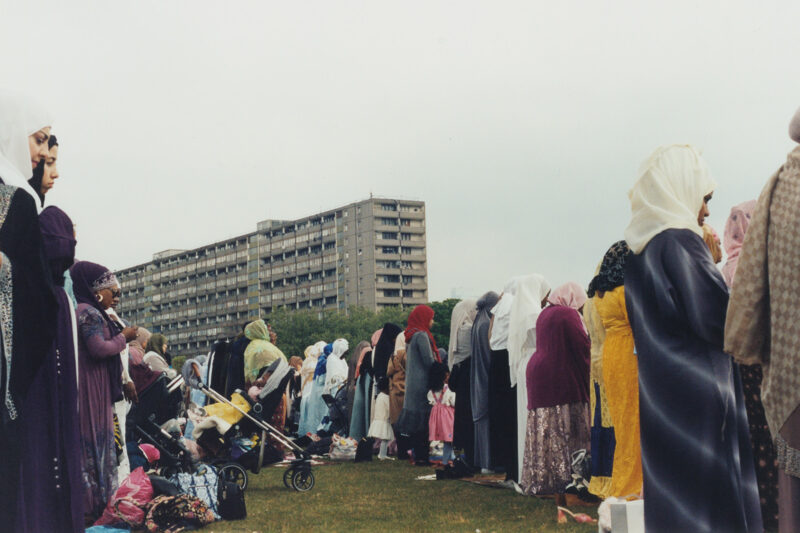
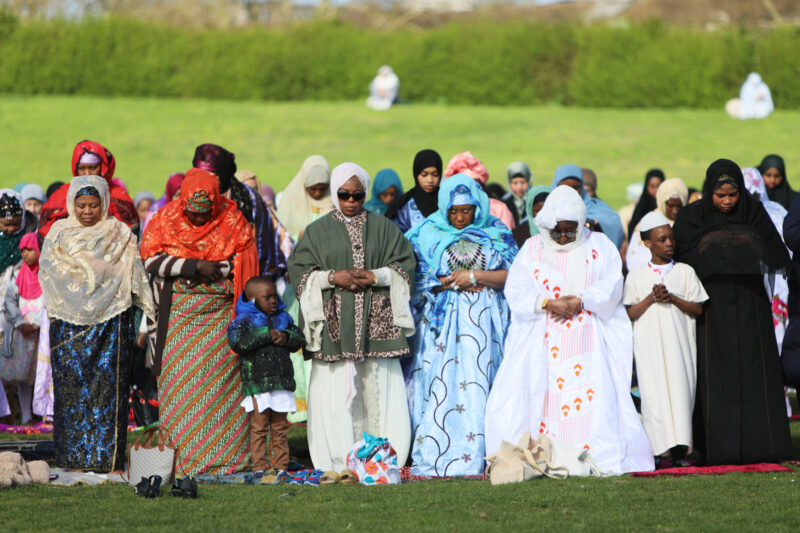
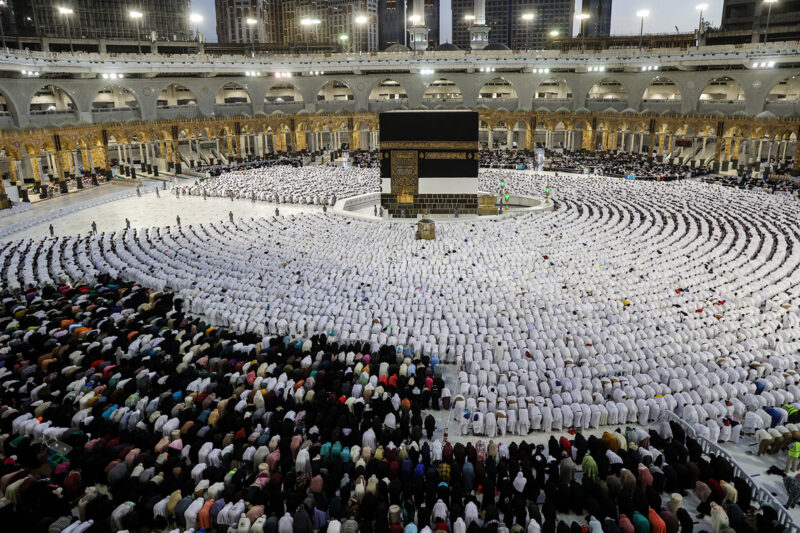
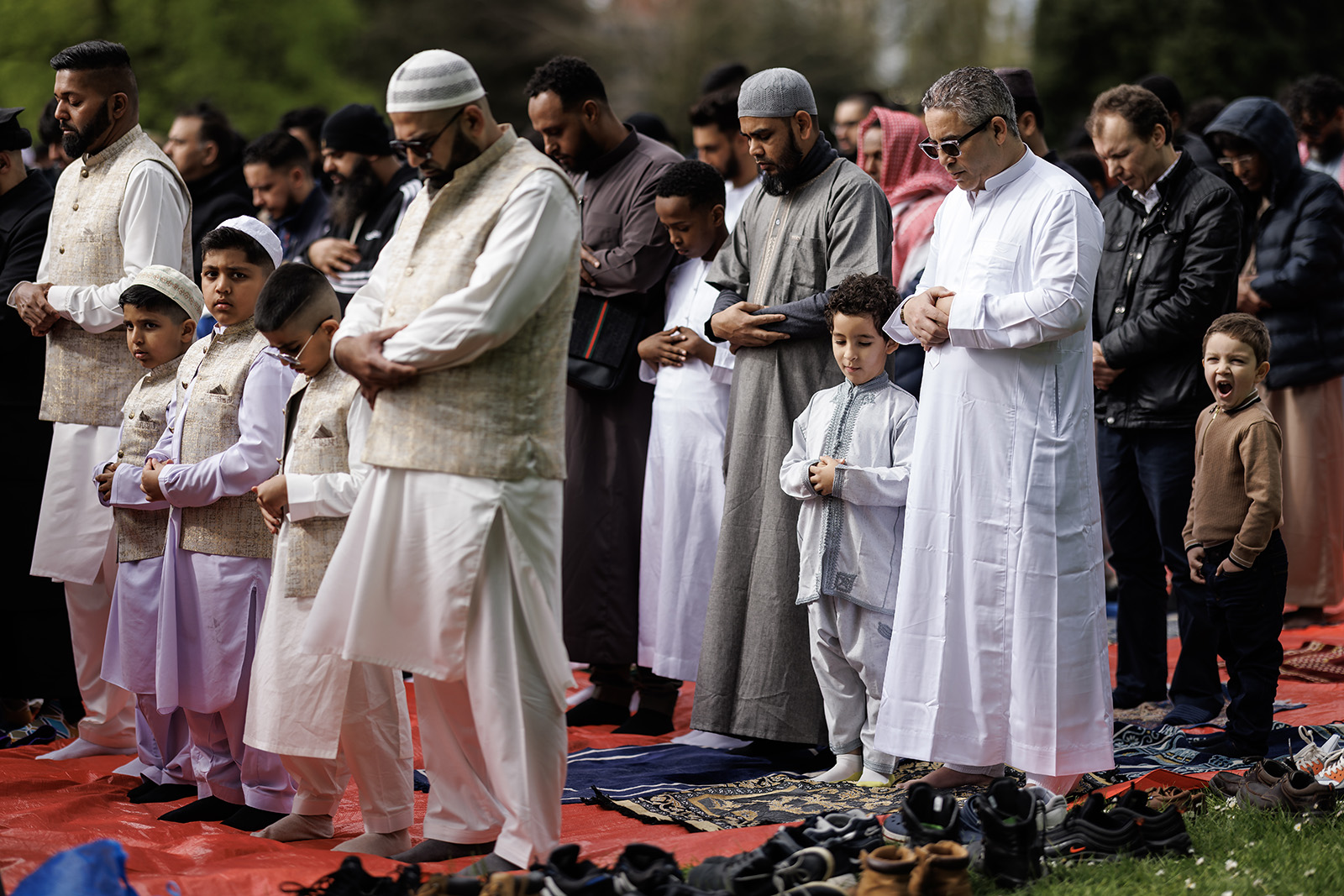
Eid al-Fitr is one of the biggest celebrations in the Islamic calendar. Most Muslims attend Eid prayer, which is held on the morning of Eid at local mosques, and pray in congregation.
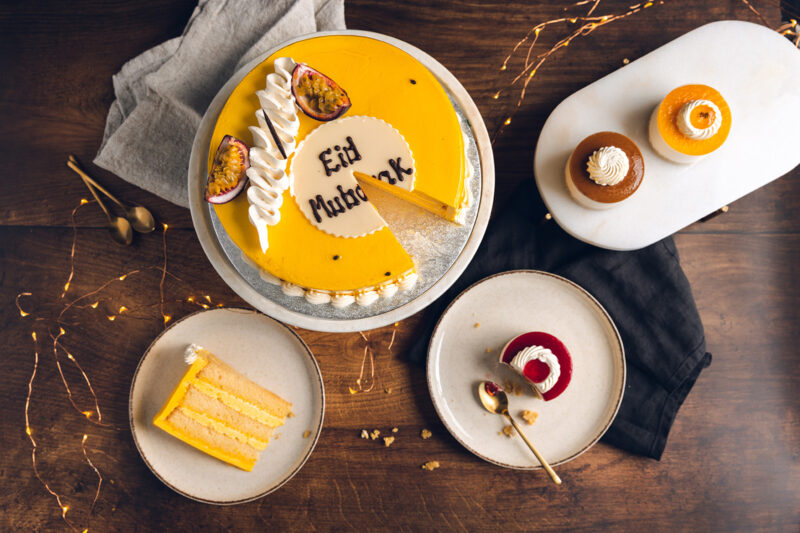
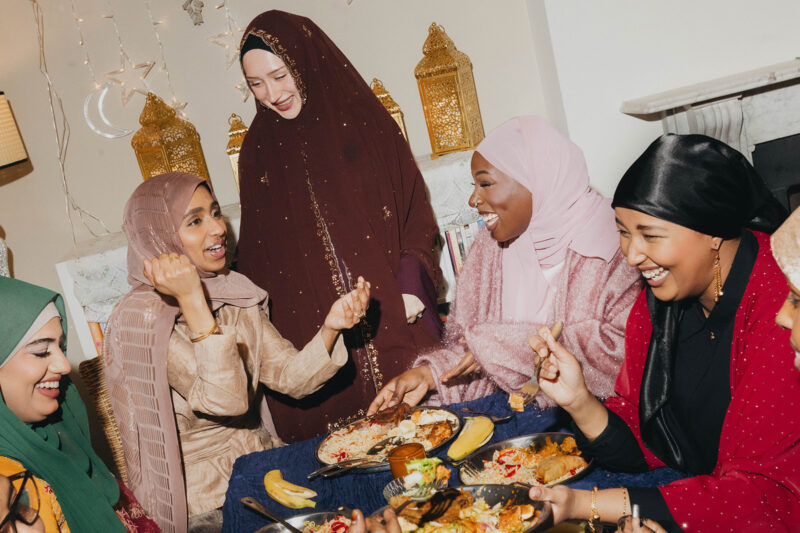
As Eid al-Fitr marks a month of fasting, tables are usually laden with feasts featuring cultural staples and delicacies. Many Muslims also exchange gifts and decorate their homes and visit family and friends.
As an important pillar of Islam, Muslims also observe the celebration by giving to charity. Zakat al-Fitr is a compulsory charitable donation Muslims must make before the end of Ramadan to help feed people in need. The Muslim Charities Forum has published practical guides as part of its Give Smart Give Safe campaign to help donors ensure their charitable contributions reach those in need, offering clear advice on how to give both smartly and safely with confidence.
Eid al-Fitr events 2026
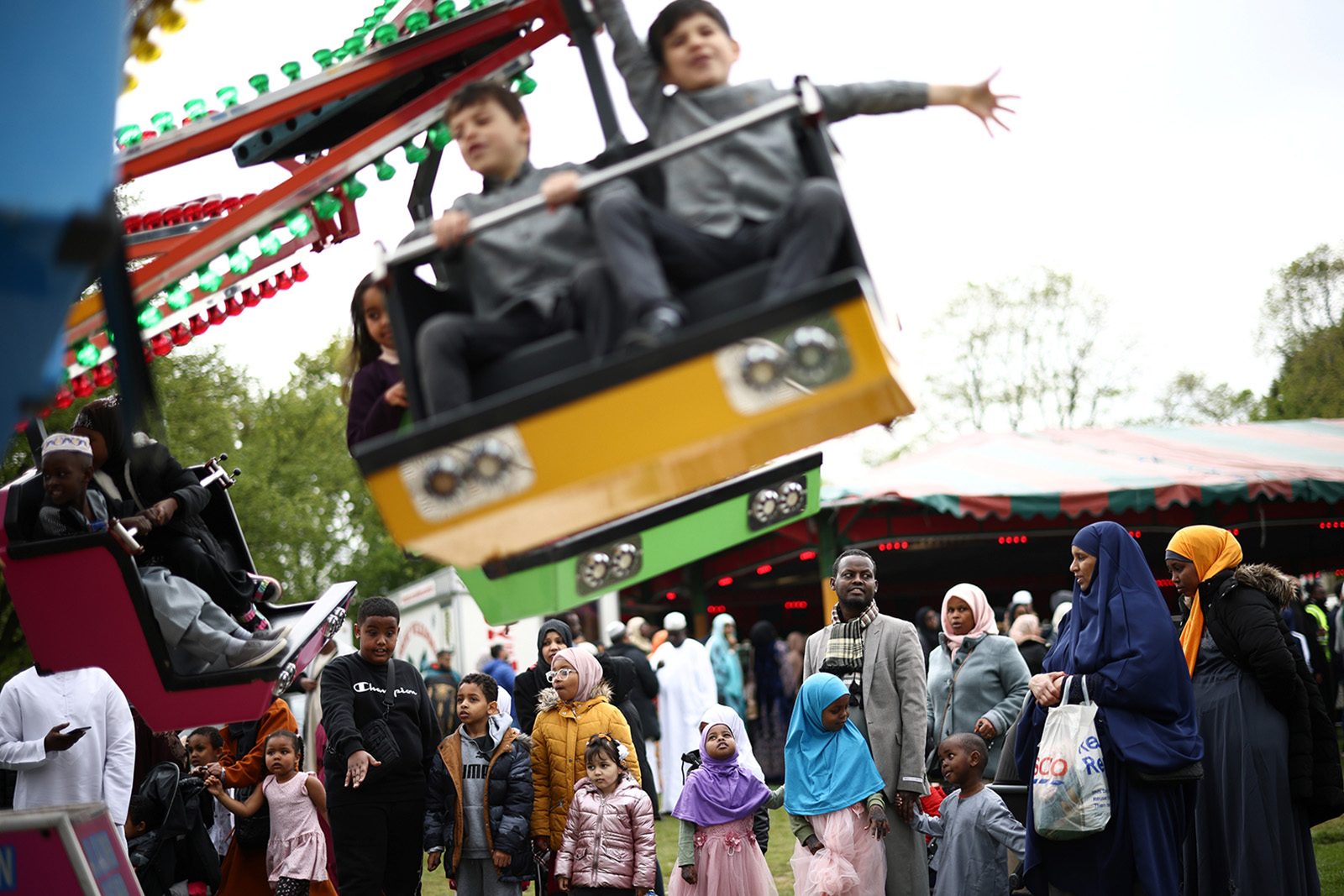
As a major celebration in the Islamic calendar, Eid al-Fitr events are being held in major cities up and down the country.
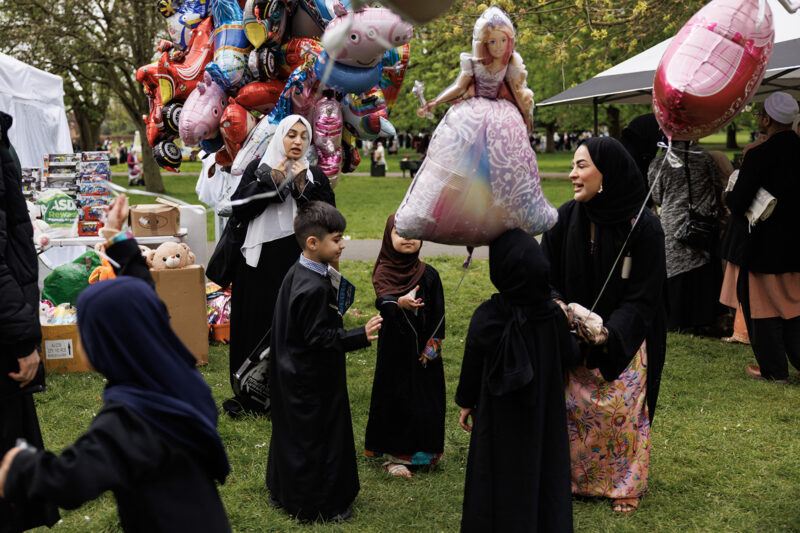
In London, a two-day festival, Eid in the Park, is being held at Goodmayes Park in east London. The festival will run for Eid day plus the day after Eid. The organisers have promised a fireworks display, shopping stalls and plenty of food and drinks stalls, as well as a sumo wrestling competition and a petting zoo.
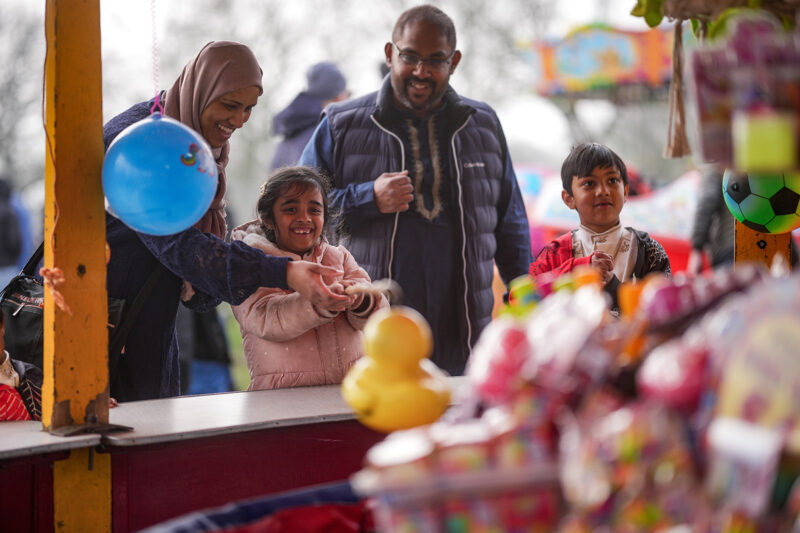
In Manchester, Eid in the Park returns for the 10th year running. It is being held at Platt Fields Park in Fallowfield. The one-day event will feature food, drinks, shopping stalls and a funfair.
Meanwhile, in Bradford, the Darley Street Market is celebrating Eid on 21 March with a range of food stalls and activities. There will be mehndi, face painting and a paper lantern making workshop for children.
Is Eid 2026 a bank holiday in the UK?
Eid al-Fitr in 2026 does not fall on a UK bank holiday. Those who work will need to take the day as annual leave. Most children will still be in school, unless their Easter holidays have started early, so parents should notify schools in advance if their children will be absent.
Related content
When are Eid prayers?
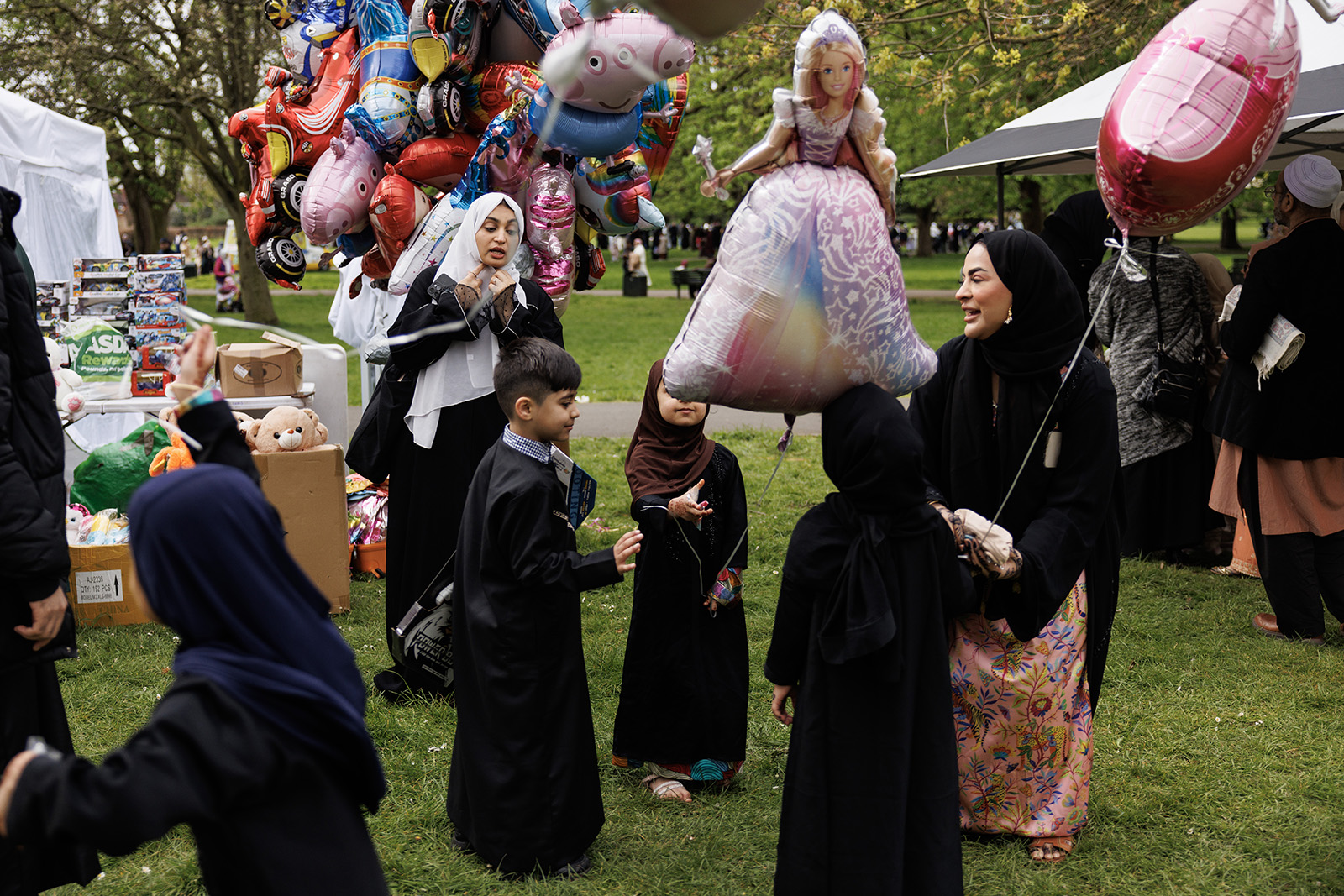
Most mosques hold up to four prayers on the morning of Eid. Exact timings can vary, so worshippers should check announcements from their local mosques. Generally, Eid prayers begin around 7:30am and conclude by 10:30am.
What should non-Muslims know about Eid?
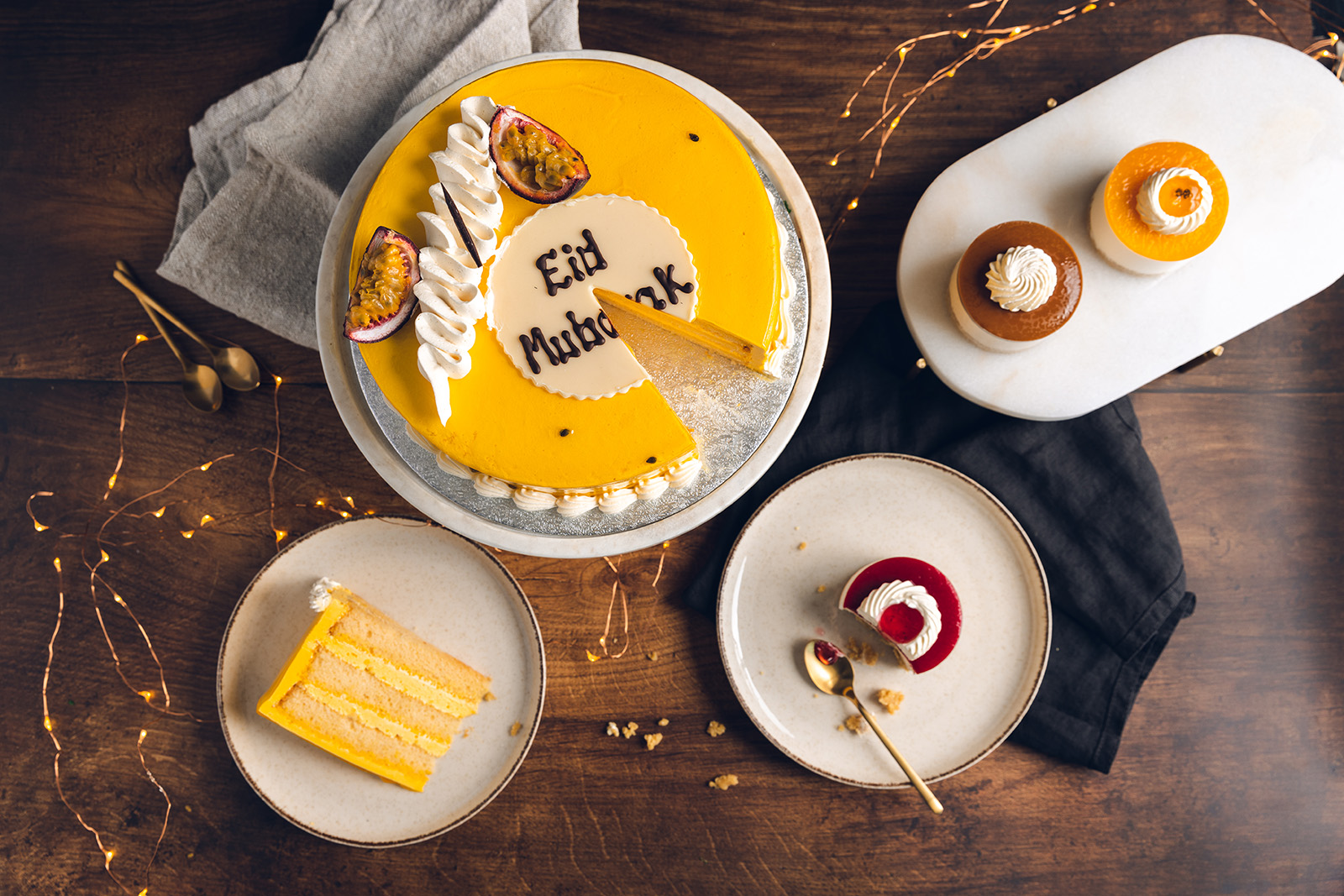
Non-Muslims can greet Muslim friends, colleagues and neighbours with “Eid Mubarak”, the customary way to wish someone a happy Eid. Eid is a time for family, friends, shared meals and exchanging gifts. Many Muslims also wear new clothes to mark the occasion.