

Tens of thousands of people die each year after waiting too long for NHS care
Up to 28,908 patients died in 2024/25 after waiting more than 18 weeks — while Asian British children are overrepresented on paediatric wait lists

Tens of thousands of people have died after waiting longer than the recommended 18 weeks for hospital procedures such as hip and knee replacements and cataract surgery since Labour came to power pledging to slash waits, NHS data exclusively uncovered by Hyphen suggests.
Labour was elected on a manifesto pledge that people should “expect to wait no longer than 18 weeks” from referral to consultant-led hospital treatment for non-urgent health conditions, such as diagnostic tests and scans, outpatient appointments and surgery.
But Hyphen can reveal that 79,130 names were taken off the waiting lists of 127 acute NHS trusts between September 2024 and August 2025 because patients had died before reaching the front of the queue.
In 28,908 such cases, patients had been waiting longer than the 18-week statutory standard for treatment, while 7,737 of those had waited more than a year.
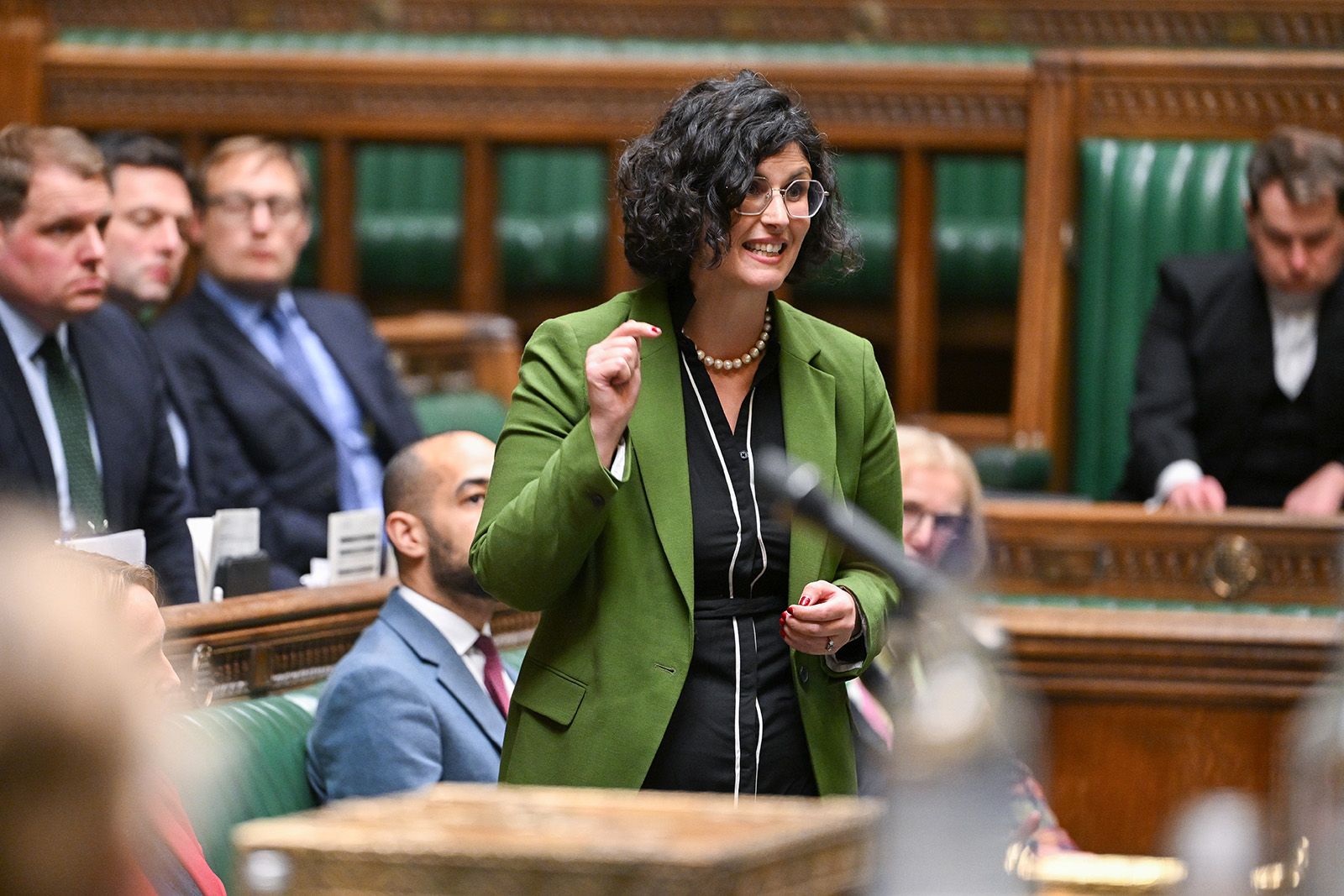
Layla Moran MP — who chairs the Commons’ cross-party health and social care committee — said our findings showed “far too many patients” were still enduring long waits.
“The fact that so many have died while waiting is tragic and speaks to a system in desperate need of reform,” she added. “Our committee is intent on pushing the government to go further faster.”

Hyphen can also reveal that Asian or British Asian children were consistently more likely than those from other ethnic groups to suffer lengthy delays for elective hospital care over the six months from August 2025 to January 2026.
“People from minority ethnic backgrounds, including Brits of Asian heritage, unfortunately suffer unacceptably inequitable outcomes under many healthcare services,” added Moran, who is the Liberal Democrat MP for Oxford West and Abingdon.
“My committee has made these inequalities a focus for our work and will continue to scrutinise the government’s gradual progress in reducing waiting times across the board.”
In all, patients who had died after waiting more than 18 weeks for treatment were removed from waiting lists 91,106 times over the three years to August 2025, our investigation found.
Healthwatch England, a patient safety watchdog, said our findings were “concerning” — and called on the NHS to analyse whether patient deaths after long waits were linked to the conditions they were referred for, to help “prevent any future harm associated with delay”.
NHS England cautioned that the data, disclosed to Hyphen following freedom of information requests, did not record patients’ causes of death and that these “in many cases will not relate to the condition for which the patient was awaiting treatment”.
In addition, some people may have been queueing for more than one type of treatment, meaning that one death can result in more than one cancellation of a waiting list place.
Health secretary Wes Streeting earlier in February hailed the government for delivering “record levels” of elective treatments and operations in 2025, and declared the health service was “finally on the road to recovery”.
His comments came as it was revealed that waiting lists in England had fallen by more than 18,000 in December compared with the preceding month. But this figure is dwarfed by the overall waiting list, which has reduced by just 4.4% to 7.29 million since Labour won the July 2024 election.
This incremental progress is also seen in the data on deaths obtained by Hyphen.
The figure of 28,908 deaths represents a 5.5% drop compared with the year ending August 2024, which saw 30,593 names removed from wait lists after 18 weeks because patients had died.
Under the NHS constitution, patients have the right to start their consultant-led treatment within a maximum of 18 weeks from referral for non-urgent treatment. NHS England policy states that 92% of patients should be treated within that timeframe — but this standard has not been met since September 2015.
As of December 2025, 61.5% of patients were being treated on time — up 2.6 percentage points in 12 months. At that trajectory, ministers will miss their interim target of 65% by March 2026.

Asian Brits are on average younger by about a decade than their white counterparts. Members of this group were less likely overall to die before treatment, the data we obtained showed.
But they are overrepresented on waiting lists for paediatrics, even taking into account that 12.3% of under-18s in England were from Asian backgrounds at the time of the 2021 census. Some 41,410 people on paediatric waiting as of the last week of January 2026 were from Asian backgrounds, of which 17,690 had been waiting longer than 18 weeks: 16.5% of the 107,100 long waiters whose ethnicities were recorded.
The number of Asian or Asian British patients on paediatric lists who had been waiting too long increased slightly from 17,605 at the end of June.
Many Asian or Asian British children are more exposed to certain health risks than their white peers.
Research suggests that they are more likely to die in intensive care than white children and to live in persistently low-income households. There are strong links between living in poverty and developing various health conditions, such as cardiovascular disease, while children in deprived areas have higher rates of diabetes and asthma attacks. Youngsters from Bangladeshi and Pakistani backgrounds also have some of England’s highest childhood obesity rates.
Lengthy hold-ups from referral to treatment can have “catastrophic” impacts, warned Dr Ronny Cheung of the Royal College of Paediatrics and Child Health.
“As a paediatrician, I’m very concerned about what these persistent waits mean for our children and their future,” he added. “Many treatments need to be given by a specific age or developmental stage to prevent long-lasting complications, and for many children these long waits mean we miss crucial chances to intervene in time.”
While Asian Brits are overrepresented on paediatric waiting lists, the data does suggest that, once on the list, their waiting times are similar to those of other groups. As of the week ending 25 January 2026, according to public data crunched by Hyphen, nearly 43% of Asian or Asian British patients on paediatric lists had been waiting over 18 weeks — compared with about 41% of both white and Black children.

Rebecca Curtayne, acting head of policy, public affairs and research at Healthwatch England, said healthcare commissioners and trusts should use demographic data on who was waiting longest “to shape their priorities and drive down inequalities, including any disproportionate delays experienced by Asian children needing specialist help”.
NHS England said in July that Asian patients, as well as those in the poorest communities, were more likely to wait longer than 18 weeks for elective treatment.
That was still the case as of the end of December, although the actual number of Asian or Asian British patients on waiting lists who had been waiting too long fell from 255,720 at the end of June to 250,925 by late January.
Ophthalmology — which includes treatment for conditions such as glaucoma and diabetic retinopathy, which can be more prevalent and severe among Black African, Black Caribbean and South Asian communities — was the specialism that saw the highest number of patients who died before treatment having breached the 18-week wait limit (12,403) during the three years to August 2025.
There were 592,675 patients on waiting lists for ophthalmology treatment in England as of the week ending 25 January 2026, about 60% of whom (355,280 people) were over 65.
The Department of Health and Social Care and NHS England were approached for comment.
TOMORROW: ‘He couldn’t breathe’ — toddler’s ordeal shows reality of NHS waiting lists