

Starmer has clung on. But a reckoning could be weeks away

Labour MPs have closed ranks around the prime minister, while the lack of an obvious successor has bought him some time before the Gorton by-election

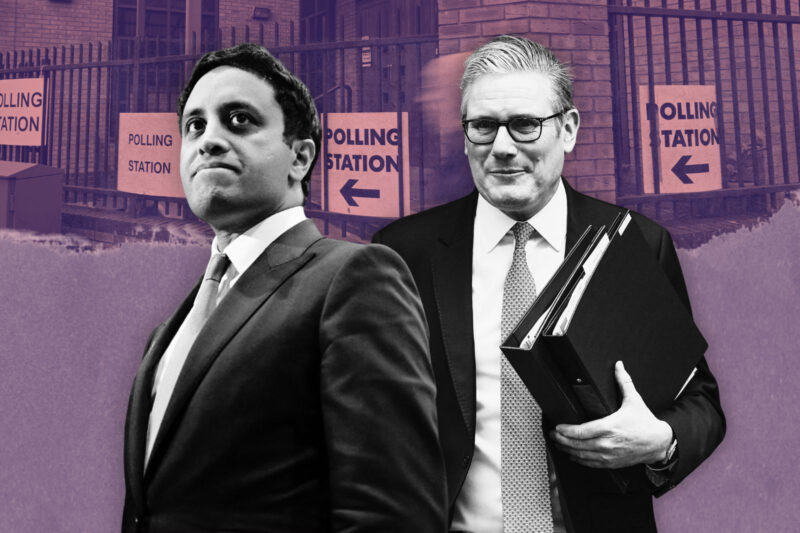
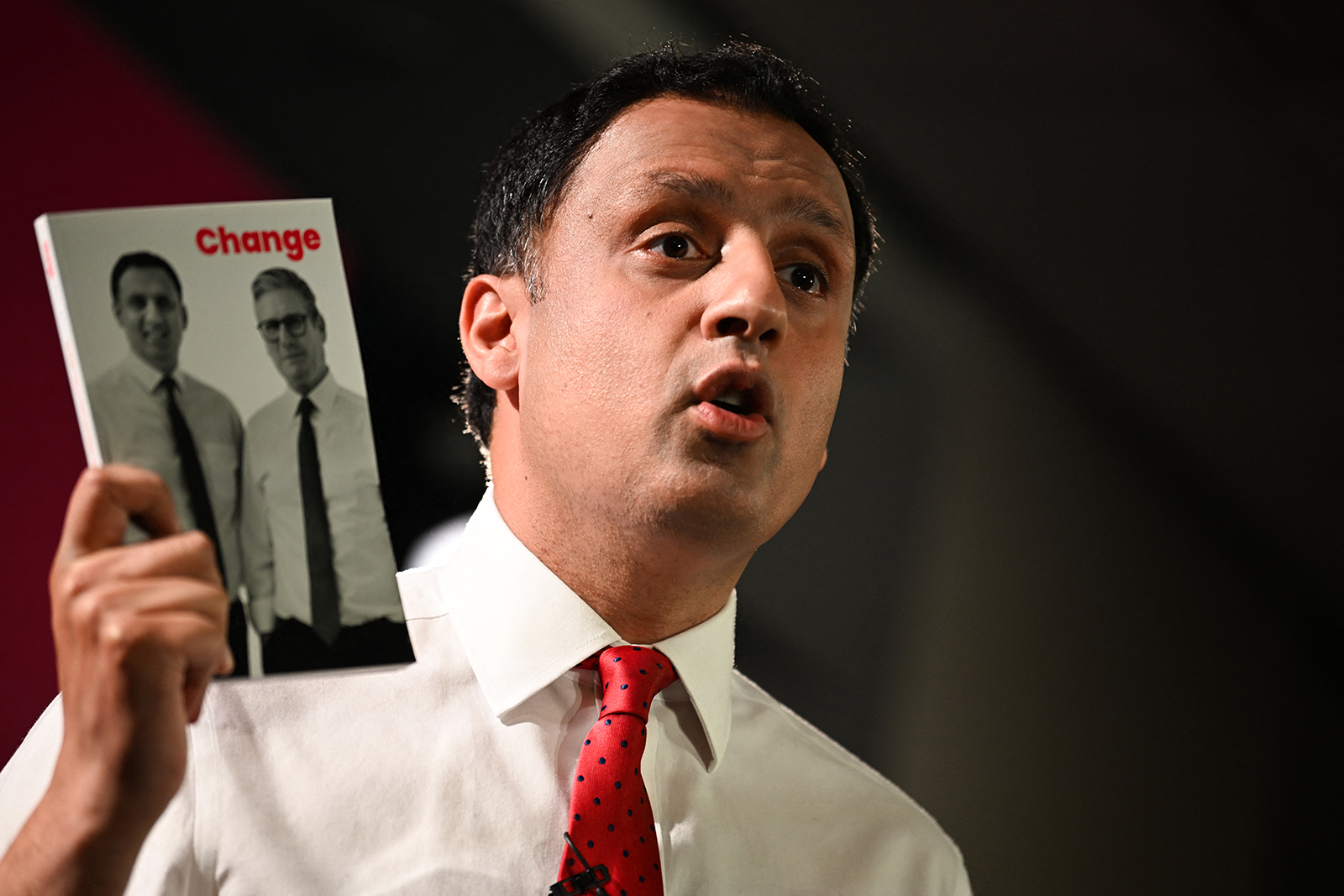
It has been without a doubt the most perilous moment that Keir Starmer has faced in his time as prime minister. For a few hours, it felt as though his resignation could genuinely have been imminent — mainly because the first blow had come from an unexpected direction: Anas Sarwar, the Scottish Labour leader who was supposed to be an ally and friend, not an insurgent.
The sequence of events over the past week tells its own story. After Sarwar’s call for Starmer to go came the rapid mobilisation of cabinet ministers who posted messages of support for the prime minister on social media. I doorstepped several as they left cabinet this week; Peter Kyle and John Healey, the two who spoke, were both unequivocal in their support for Starmer. When I spoke to the energy secretary Ed Miliband for ITV News, he told me that MPs had “looked over the precipice” and realised that sticking with Starmer was the right move. He did, however, accept change was needed and the government had made mistakes.
Then came a meeting of the Parliamentary Labour Party (PLP). These meetings are not open to journalists, but MPs afterwards were keen to paint Starmer as a leader transformed — animated, forceful and at times combative. One usually on-the-fence Labour MP told me afterwards they had “never seen” Starmer so passionate. “Maybe he can use that energy to genuinely make a difference,” they said.
Related content
What allies are calling a “reset moment” — a fiery address in which he said he had “won every fight” he had been in and that he was not prepared to walk away — was designed to remind wavering backbenchers that he is not going anywhere. His critics, for now, have gone quiet. I’ve had many MPs tell me that, when Starmer’s back is against the wall, he tends to be most determined. But the challenge for Starmer is not simply surviving individual moments of mutiny. It is the accumulation of doubt.
What is certainly working in the prime minister’s favour is that the question of who could replace him remains stubbornly unresolved.
Andy Burnham, the mayor of Greater Manchester and the name often whispered in Labour circles, is not an MP. His route to the leadership would require finding and then winning a seat first — a process that he has already been blocked from once. Angela Rayner, the former deputy prime minister, carries baggage of her own. The tax questions surrounding her property dealings have not gone away and her allies know that any leadership bid would immediately reignite that scrutiny. For now, she appears content to wait.
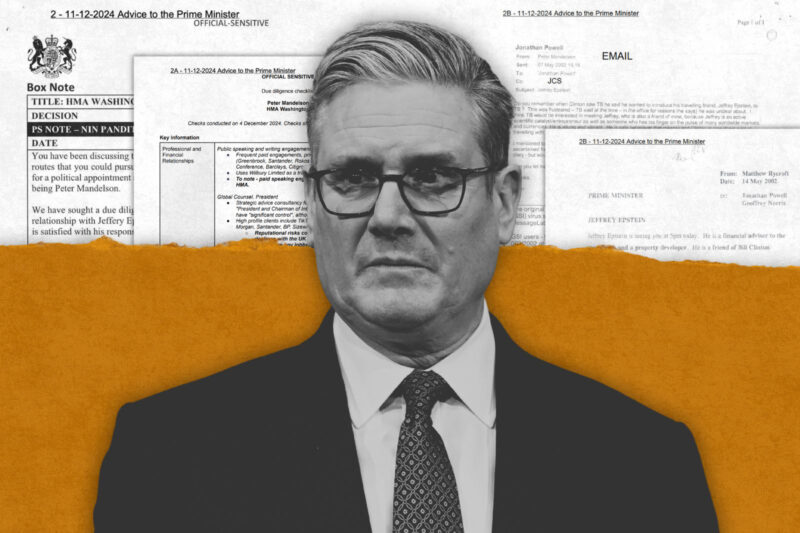
Then there is Wes Streeting. The health secretary has never hidden his ambitions, but his support within the parliamentary party remains patchy at best. The release of his own messages to Peter Mandelson on Monday, an unusual act of pre-emptive transparency, was read by many as an attempt to clear the decks for a future contest.
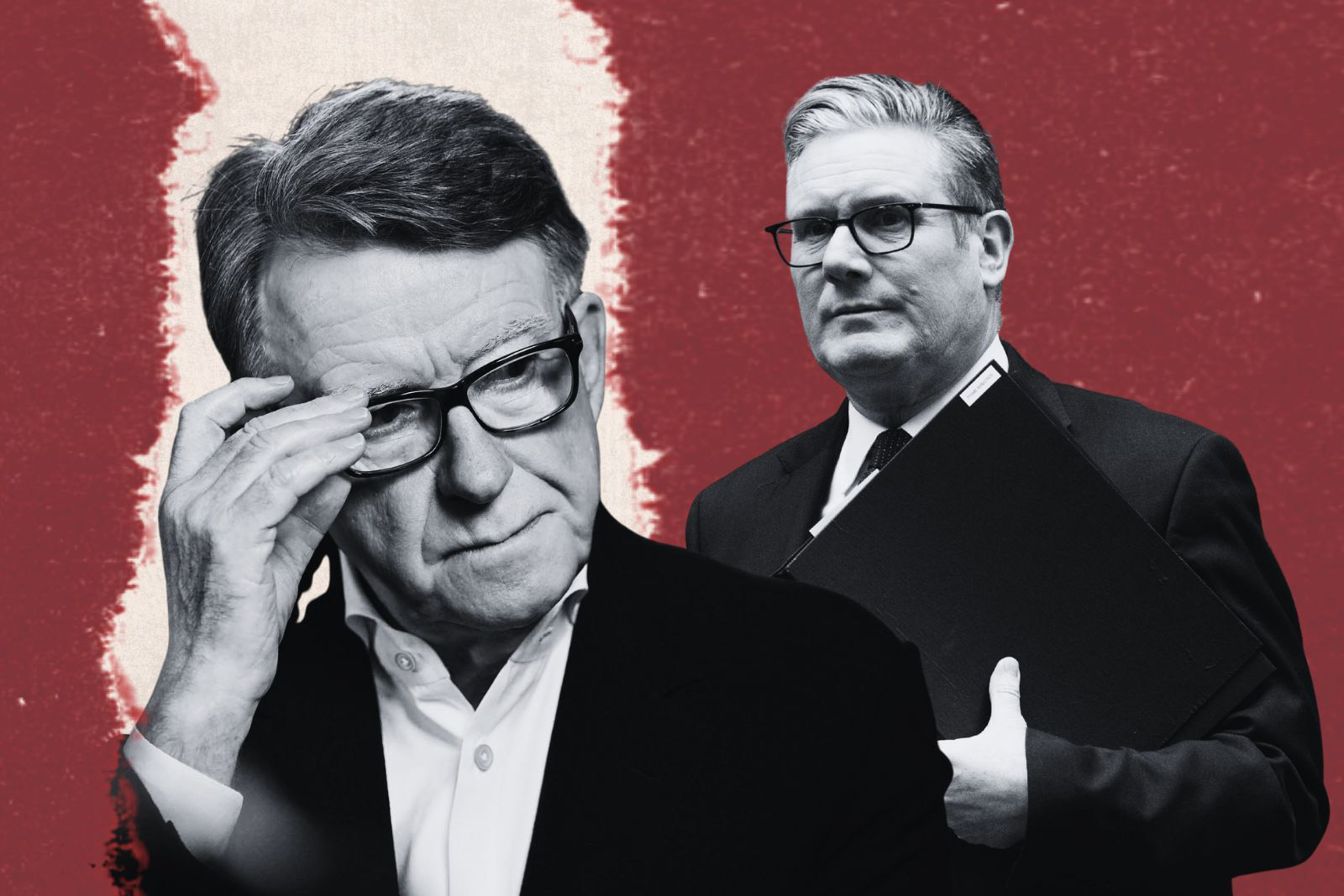
On the one hand, from MPs and Labour advisers I have spoken to, it does not seem like Streeting’s historic association with Mandelson is likely to be a sticking point. Streeting did not hire Mandelson and did not have access to any of the materials used to vet him, and MPs see it as defensible that the pair were friends prior to the Epstein scandal that saw Mandelson sacked as US ambassador in September 2025. Streeting said at the time that he was “disgusted” by the revelations of Mandelson and Epstein’s continuing friendship after the latter was convicted of child sex offences.
All the same, several MPs have told me privately they remain unconvinced that Streeting commands the breadth of support needed to win a leadership election, let alone unite the party afterwards.
The absence of a credible successor does not mean Starmer is secure. It means the danger is different: not a swift coup, but a slow erosion of confidence. Either that will eventually become too great for him to continue, or it will give potential opponents the time they need to consolidate support.
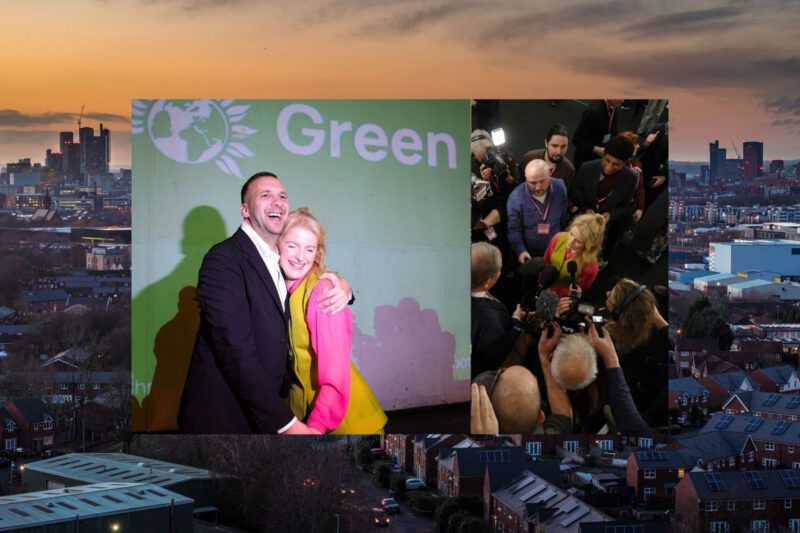
The next flashpoints are already visible on the horizon. First comes the Gorton and Denton by-election on 26 February — a contest that those close to Starmer privately acknowledge they cannot afford to lose. The decision to block Burnham from standing has raised the stakes considerably. Rightly or wrongly, it is assumed within Labour that Burnham would have won the seat for Labour, given his huge popularity in the 2024 Greater Manchester mayoral election. A defeat, therefore, would not just be embarrassing; it would be seen as confirming many of the criticisms levelled at the leadership over the past month.
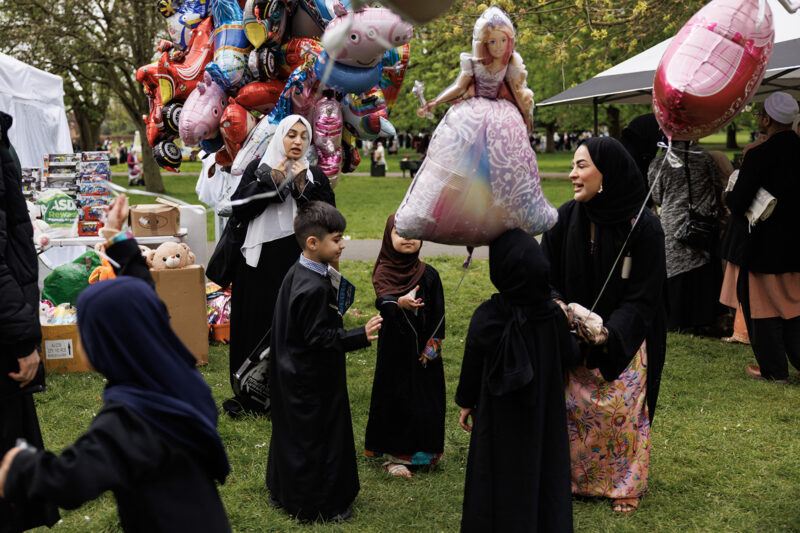
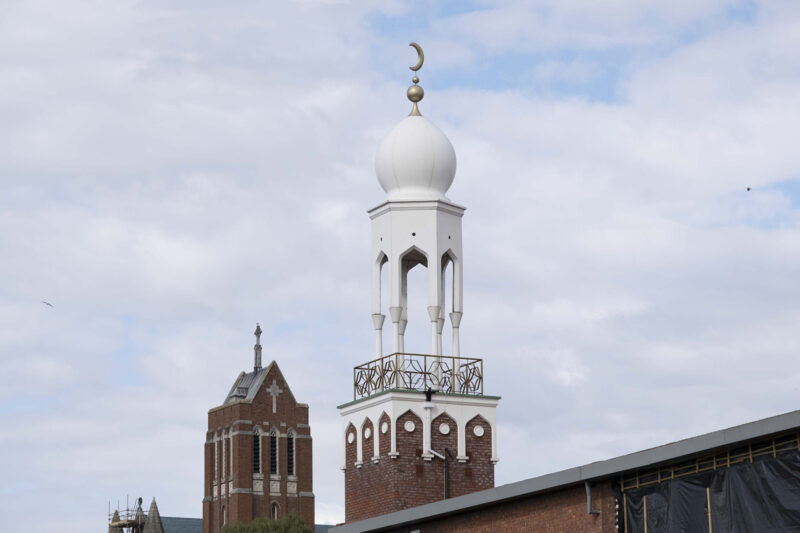
As one Labour MP put it to me bluntly: “After blocking Andy, it will be catastrophic if we lose.” An insurgent Green Party, a large British Muslim population in Gorton and Denton and as ever a popular Reform UK all pose their own specific challenges for Labour in that seat.
Then, in May, come the local elections in England and devolved government elections in Scotland and Wales. They will inevitably be seen as a verdict on Labour’s record in national office.
Related content
Given all that, a Labour MP I asked on Tuesday was not particularly optimistic about the prime minister’s position. “He has potentially bought himself some time,” they told me, “but maybe only a few weeks before the drama around the by-election starts. Even if he gets through that, he’s got the locals next.” When I asked if Starmer would survive to the end of summer, the response was a shrug and a grimace.
For now, Starmer has survived. His cabinet is publicly loyal, his backbenchers have been reminded who is in charge and his potential successors remain unable or unwilling to move against him. That is not nothing. But survival and strength are not the same thing.
The prime minister’s allies point to his performance at the PLP meeting this week as evidence that he still has fight left in him. His critics will note that the fact such a performance was necessary at all tells its own story.
Shehab Khan is an award-winning presenter and political correspondent for ITV News.