

How were LGBTQI+ people of colour affected by the supreme court’s gender ruling?
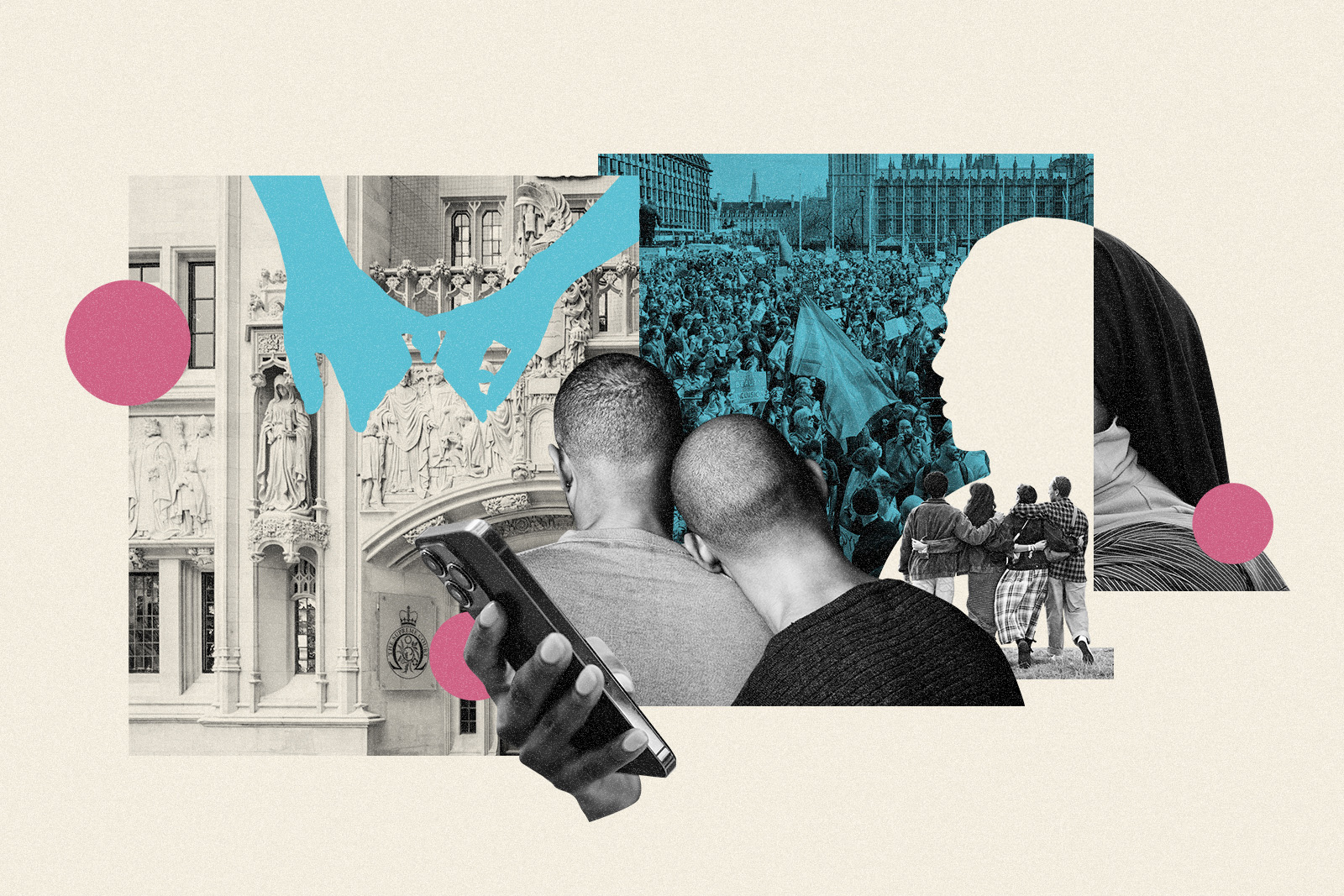
Trans and non-binary people — particularly those whose gender, racial and religious identities intersect — now face increased harassment and barriers to health and support services
Taranjit Chana remembers receiving a record surge in calls just hours after the UK supreme court’s gender ruling in April 2025. Chana, founder of Black and Brown Rainbow, a charity that supports LGBTQI+ people of colour, says people who already navigated the world with caution suddenly found it had become even more dangerous.
“They were concerned with the basic practicalities. What the ruling meant, what happens to their gender certificates, whether they would need to redo them, whether they would have to explain themselves just to use the toilet,” she says.
One caller told the charity she was followed into the women’s toilet, pushed into a cubicle and touched by two men. According to Chana, the men had justified it by saying the court “gave them a right to check if you’re a man or woman”.
Related content
In April 2025, the supreme court ruled that under the Equality Act 2010, the terms “sex”, “man” and “woman” refer strictly to biological sex. This followed a long-running legal challenge against the Scottish government brought by the gender-critical campaign group For Women Scotland, which argued that allowing self-identifying trans women to access women-only spaces such as toilets and refuges violated the rights of cisgender women.
The UK government is still working on guidance for public bodies and service providers on how to implement the ruling. In September 2025, the equalities watchdog submitted its draft guidance outlining how organisations should respond to the decision, but officials have warned that formal advice will take time to finalise.
For gender-critical groups the ruling was praised as a “victory for women’s rights”, but trans and non-binary people — particularly those whose gender, racial and religious identities intersect — are now even more vulnerable in public life. Many have reported facing increased scrutiny, harassment and barriers to health and support services.
“Being Black already comes with a level of hypervisibility,” says Shems, 24, from London. “Then, when you also don’t present in a traditionally masculine or feminine way, it creates a kind of tension in public spaces. You’re either not enough of something, too Black, not ‘gendered’ enough, too Muslim-looking, or not the ‘right kind’ of Muslim.”
That scrutiny is familiar to 25-year-old Amirah Haddique from Manchester. “It’s in the way people look at me, the stories they make up about my life and who I am or what I am, questioning whether I am Muslim or not based on how I choose to present,” she says.
“Even small details, like if I am wearing ‘men’s clothing’ with my headscarf can change the way people respond to me. Most of the time it is bad, and I avoid dressing certain ways or going certain places so as not to draw attention to myself.”
For many, appearance is tied to safety as much as identity, Chana says, adding that these decisions often involve practical compromises.
“Many of us avoid eating or drinking water when we are out, at work or at events so we don’t need to use the toilets,” she says. “It’s a way to minimise the staring, the second-guessing, the abuse — and the comments telling us to ‘go back home’ or that ‘you cannot be gay because of your religion’. This is particularly prevalent with hijab-wearing LGBTQ+ folk.”
These adjustments often extend to cultural and religious expression itself. Faith and cultural markers such as hijabs, shalwar kameez, saris, turbans and facial hair can prompt unwanted reactions, Chana says, even though they remain essential expressions of identity.
“Our identity, whether through honouring facial and body hair or wearing our traditional dress, gives us a sense of who we are,” she says.
What has shifted since the gender ruling, she explains, is how these markers are interpreted in public spaces. “When people see a brown person with facial hair wearing clothes that don’t align with others’ expectations of their identity, they immediately make assumptions about that individual’s gender or religion. As a result, many conceal parts of themselves or their faith to avoid negative attention or harassment.”
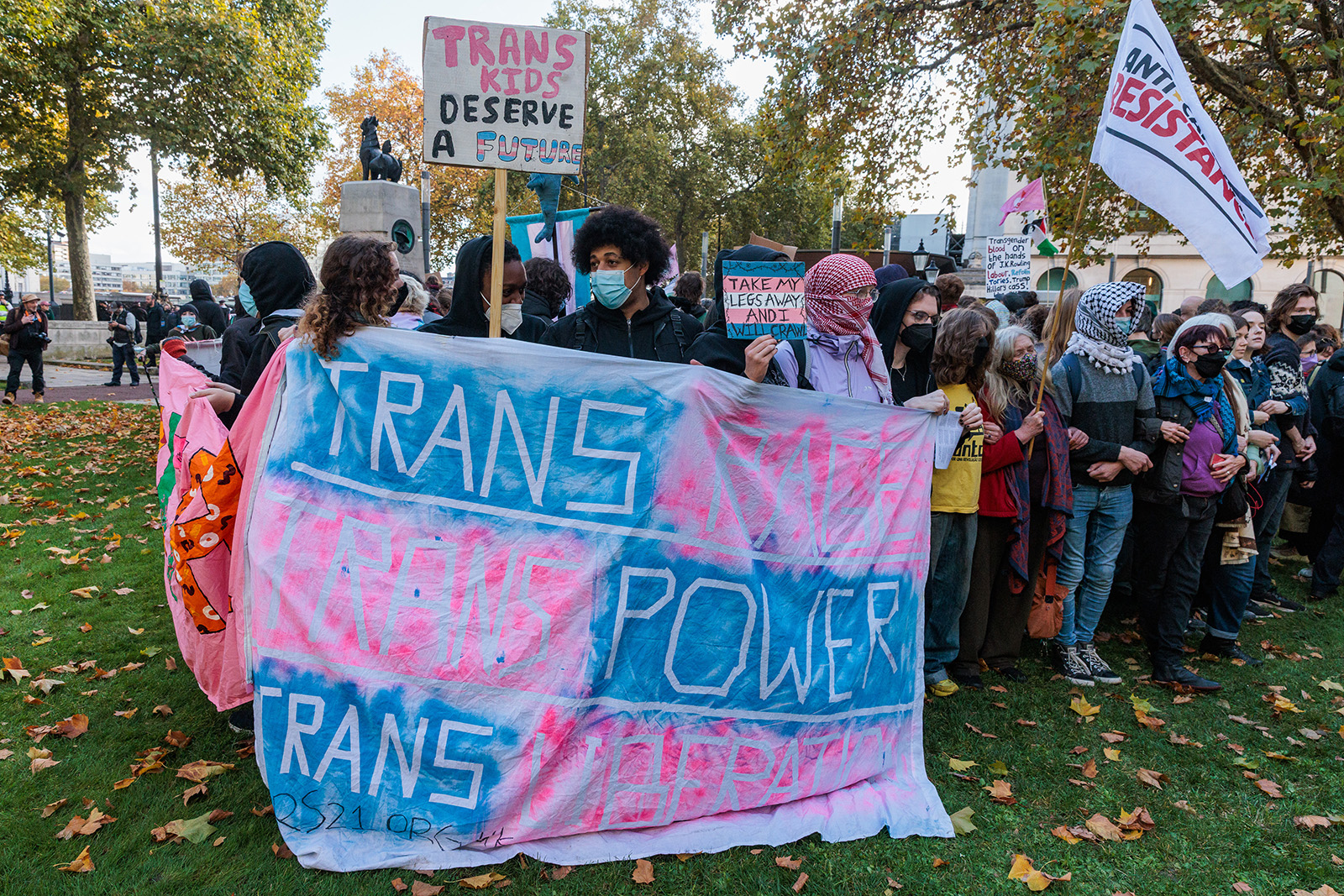
The supreme court ruling has intensified these pressures by emboldening people to act on existing prejudice, she says: “People feel more entitled to act out. We continue to receive calls where the ruling seems to have changed the culture of acceptance and kindness to rejection and hate of Black and brown LGBTQ+ people.”
Black and Brown Rainbow has since adapted its approach by treating each call to the helpline as urgent. Its “one-chance rule” means staff assume a caller may never be able to reach out again. “Some people ring us from outside because they don’t feel safe talking at home,” Chana says. “We have to give them everything, like legal information, emotional support, safety planning in that one moment. Because for many, that might be the only moment they get.”
Hidayah, an organisation supporting LGBTQI+ Muslims, says the ruling has also exacerbated faith-related pressures. “Many people already feel they are living in a grey area, not fully accepted in mainstream LGBTQ+ spaces because of racism and Islamophobia and not fully accepted in their own communities because of their queerness,” says Dòm Idris, Hidayah’s chair. “The ruling has magnified that gap. People feel watched from all sides.”
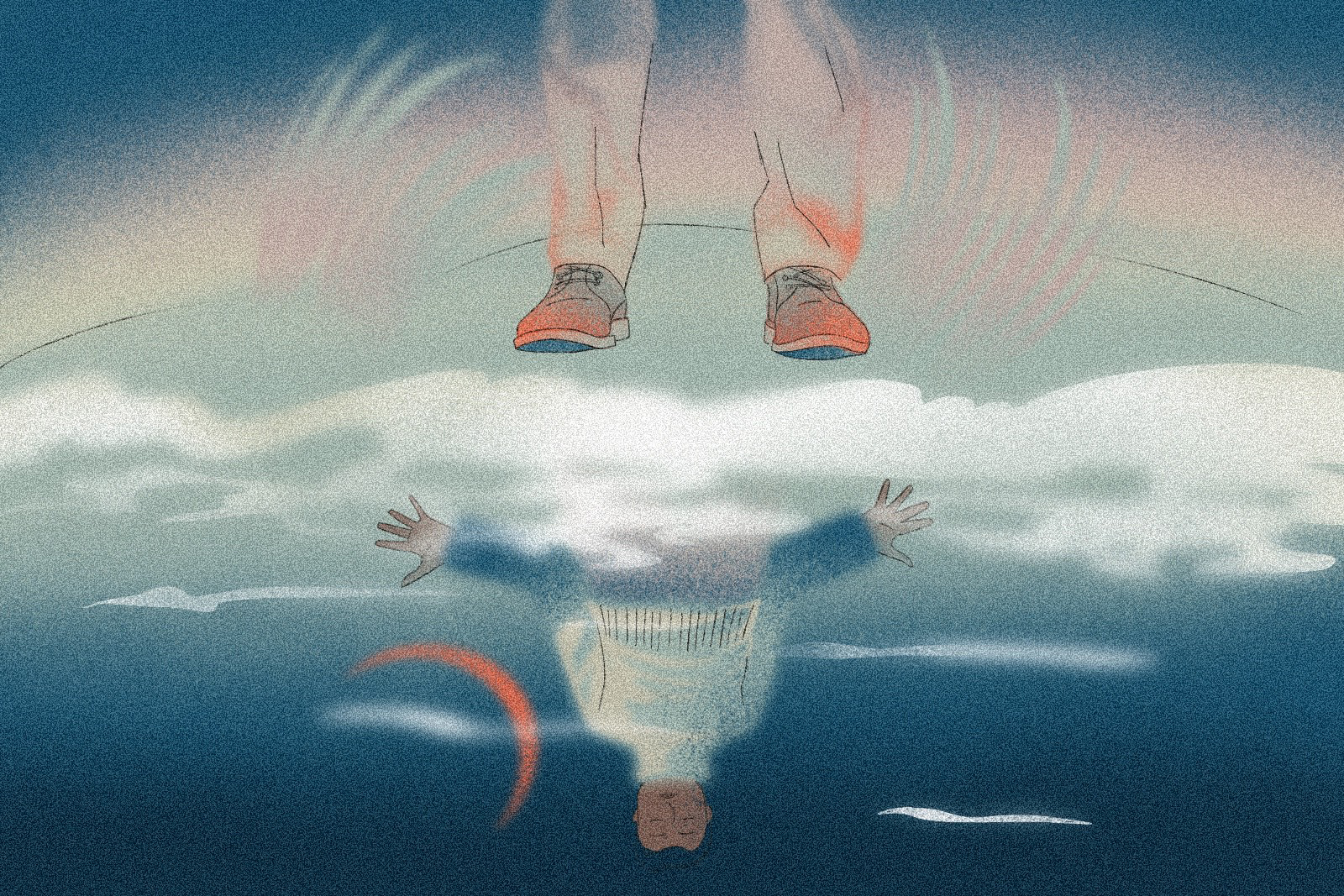
The organisation has seen an increase in requests for help with “identity management”, which involves rehearsing explanations in case a colleague or stranger challenges them about “what” they are. “People are exhausted,” Idris says. “It is not just about safety, it’s about having to shrink yourself to survive.”
While Idris says the ruling has reinforced discrimination, it has also strengthened community infrastructure such as helplines, mentoring programmes and peer support spaces.
“Whether it’s other Black queer and trans folks, Muslims who understand the complexity of living at these intersections, or online spaces where I don’t have to explain myself, those communities remind me that my existence isn’t wrong or confusing,” says Shems.
Faith also plays a significant role. “Reclaiming my faith on my own terms helps me walk with more confidence, even when people misunderstand me,” Shems adds. “Simple things like prayer, dhikr, or wearing something meaningful to me signalling my faith give me a sense of inner safety.”
Haddique feels similarly. “I pray and I try to live by my values I express myself in ways that do not fit what people expect of a Muslim woman but work well for me to be true to myself and Allah.”
Hidayah’s peer support groups, Idris says, are as much about protection as belonging: “Our aim is to hold a space where LGBTQIA+ Muslims can exist freely and authentically, without interrogation.”
The organisation’s work includes mentoring people dealing with family conflict or faith-based shame and training institutions to avoid repeating familiar patterns of exclusion.
Related content
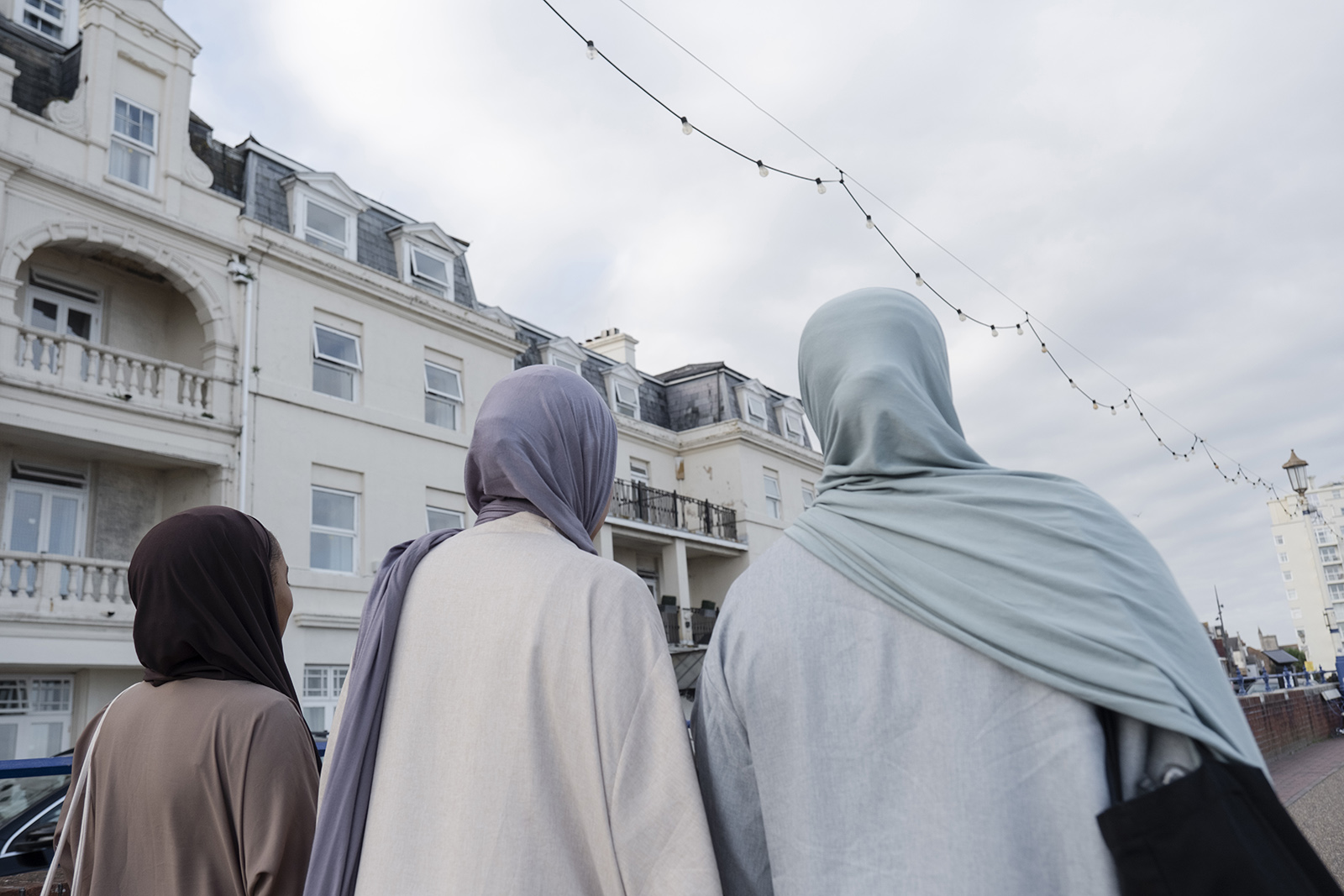
Both Hidayah and Black and Brown Rainbow believe their services are essential in the wake of the ruling.
“We want people to feel valued for their full, complicated selves. That sense of solidarity is what keeps many of our members going,” says Idris.
But community infrastructure can only go so far. Shems sees the 2025 ruling as part of a wider pattern of risk for trans people, emphasising that visibility does not guarantee safety.
“For me, visibility and safety go hand in hand, and it might be up to trans people to be visible, but it’s not up to us to be safe,” they say. “We don’t determine how safe we are — it’s the people who oppress us, the people who target us, the people who have power over us.”