

Young, French and Muslim: the new electoral force to be reckoned with
French municipal elections take place in March. After decades under a rightwing mayor, migrant communities in Nice are demanding change

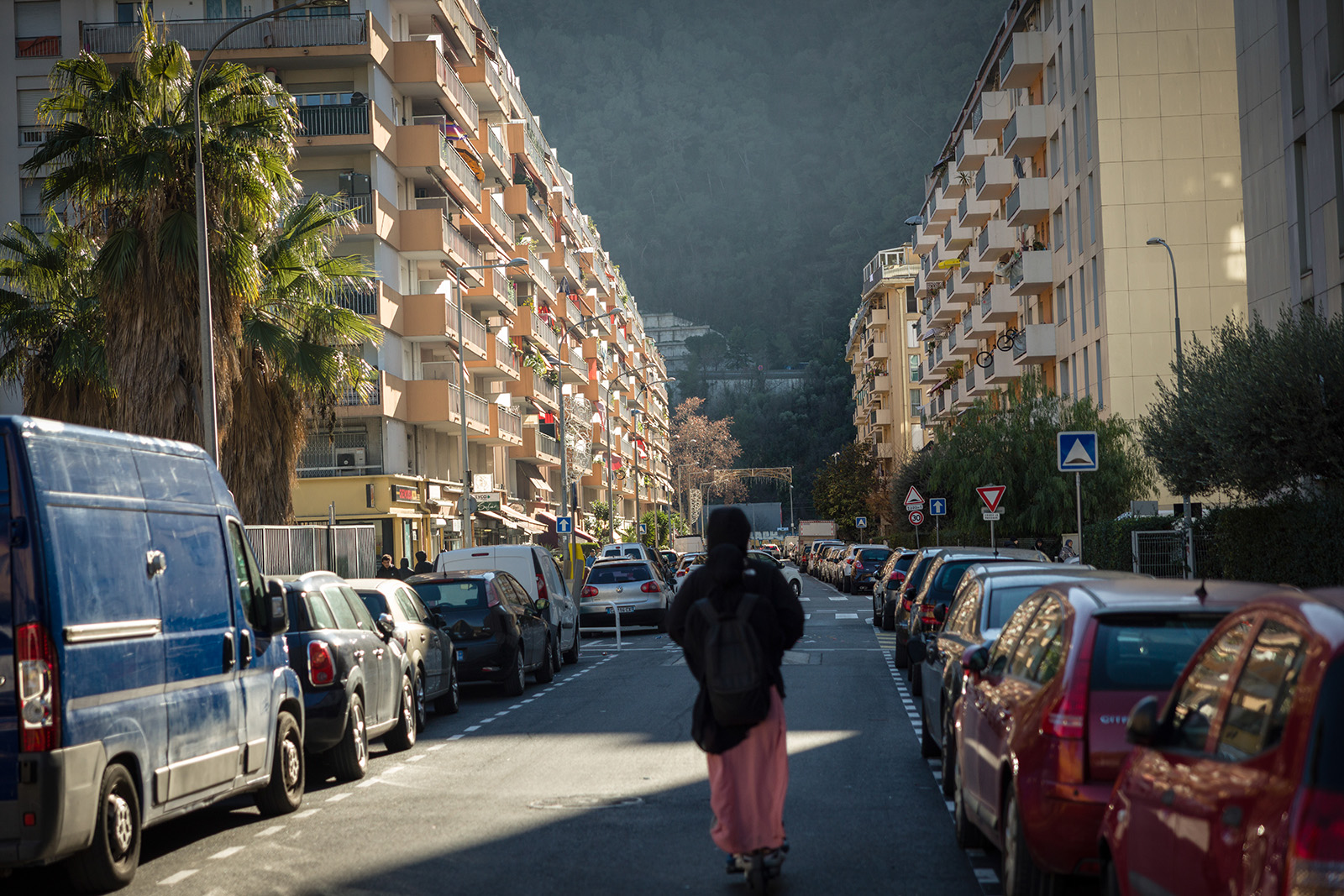
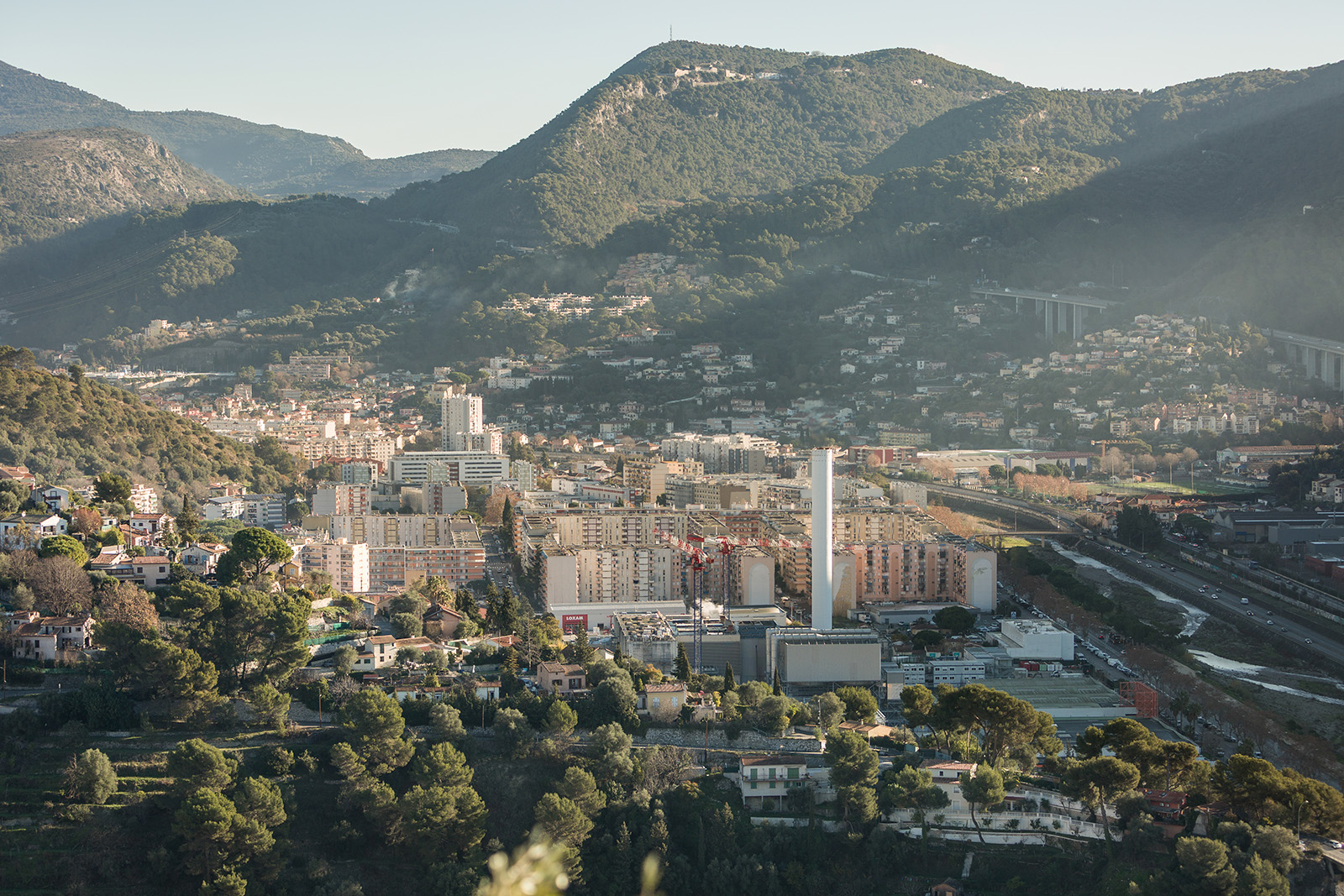
Late in the afternoon in L’Ariane, a dense suburb on Nice’s north-eastern edge, school children spill out of classrooms and race past the halal butcher on the main street, their voices echoing between tired tower blocks.
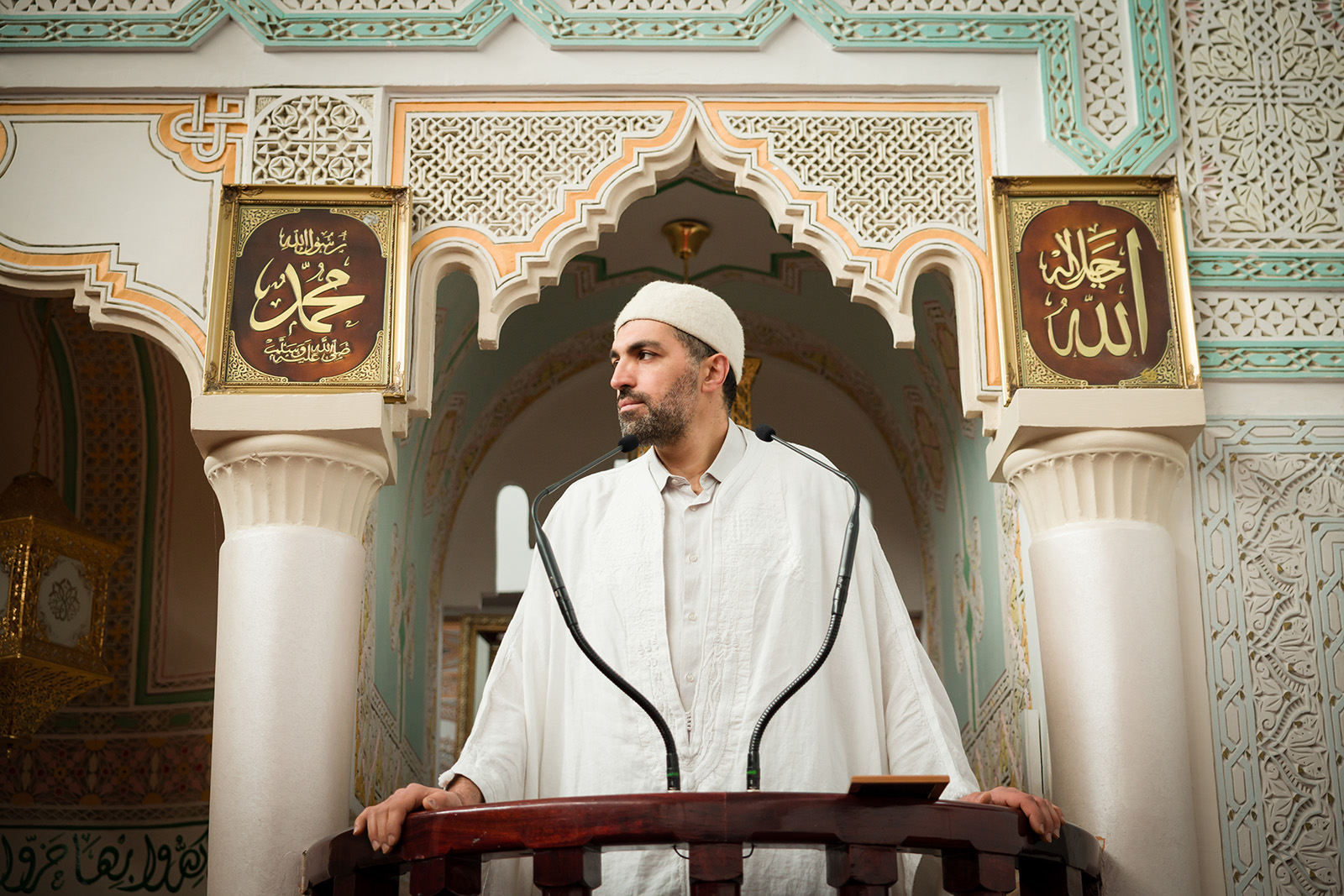
In the neighbourhood’s main prayer room, imam Obaïda Ben Salem sits in a cramped office lined with worn books amid teetering piles of paperwork. He speaks softly about a slow but perceptible shift among his community — something he describes as a tentative political awakening after years of disengagement. A generation that has viewed politics as remote or pointless is starting to ask sharper questions about local power, public services and representation.
“I see young people wanting to join associations, take responsibility, become part of national institutions — maybe even enter politics,” he said. “There is more energy than before. But if those who win power in Nice don’t meet these young people halfway, it won’t last.”
A test is just around the corner — France is set to hold the first round of its next municipal elections on 15 March. Mayor Christian Estrosi and his right-wing coalition have governed Nice almost continuously since 2008, during which time the relationship between city hall and voters in L’Ariane, Les Moulins and other of Nice’s marginalised districts has become defined by marginalisation, disappointment and mistrust.
Related content
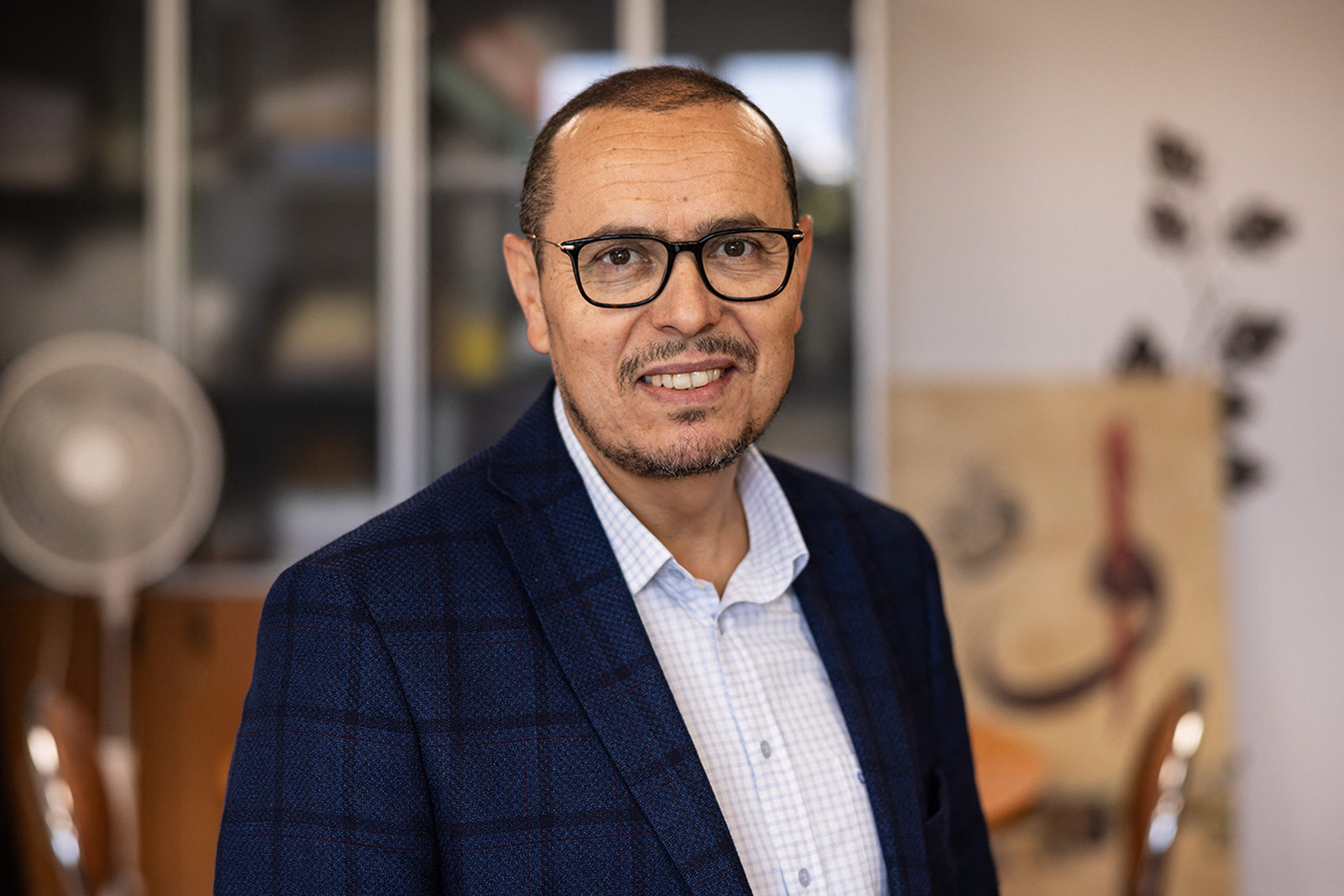
Nearly half of L’Ariane’s residents live below the national poverty threshold; nearly 60% of homes are social housing, compared with 14.5% in Nice overall. In Les Moulins, the figure is similar. While France does not collect official data on race or ethnicity, local associations report that many people in the community are of north and west African heritage and settled in Nice during successive waves of post-war migration.
“Unemployment, unequal education, lack of public transport, stigmatisation — these are the factors that shape everyday life here,” Bensalem said.
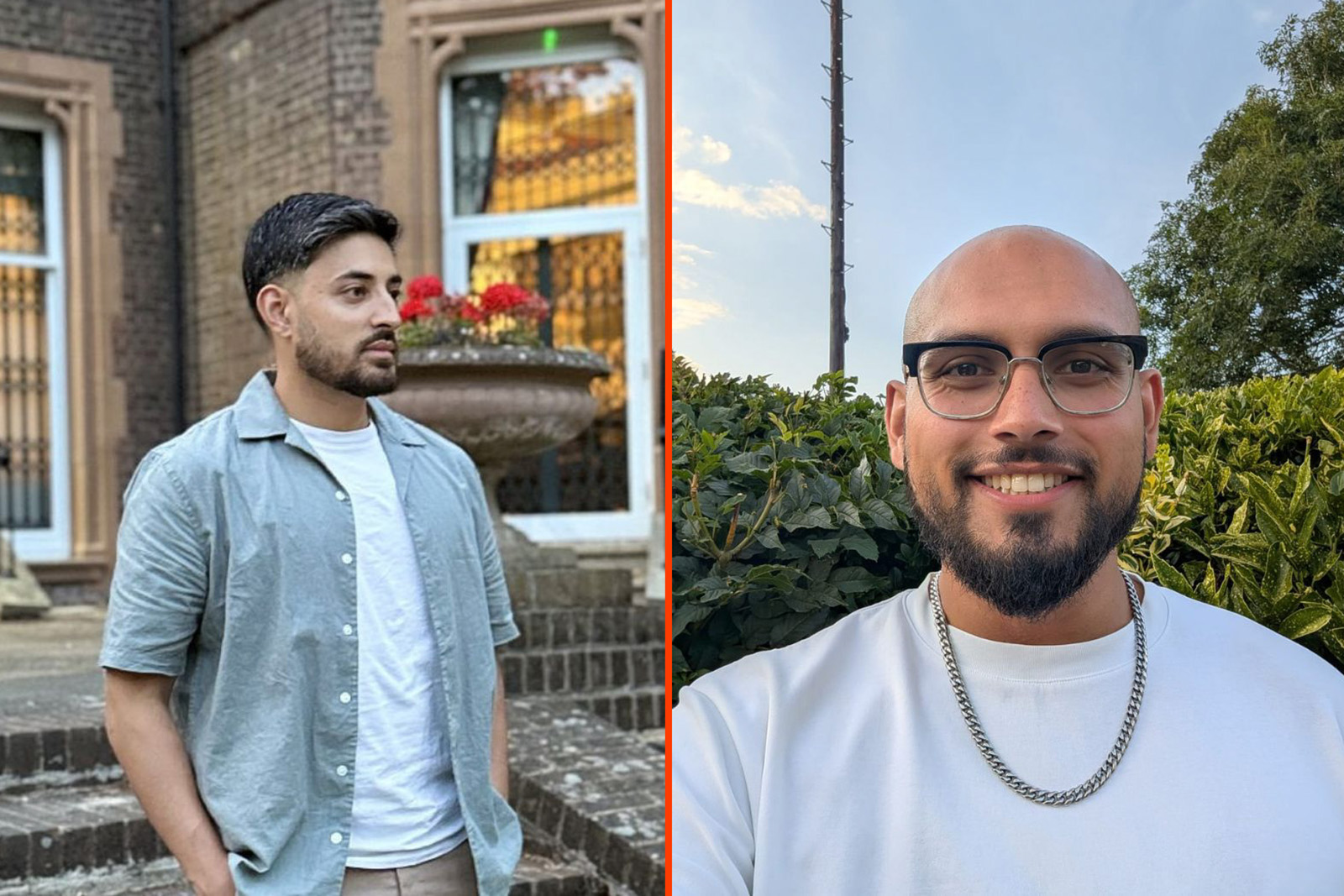
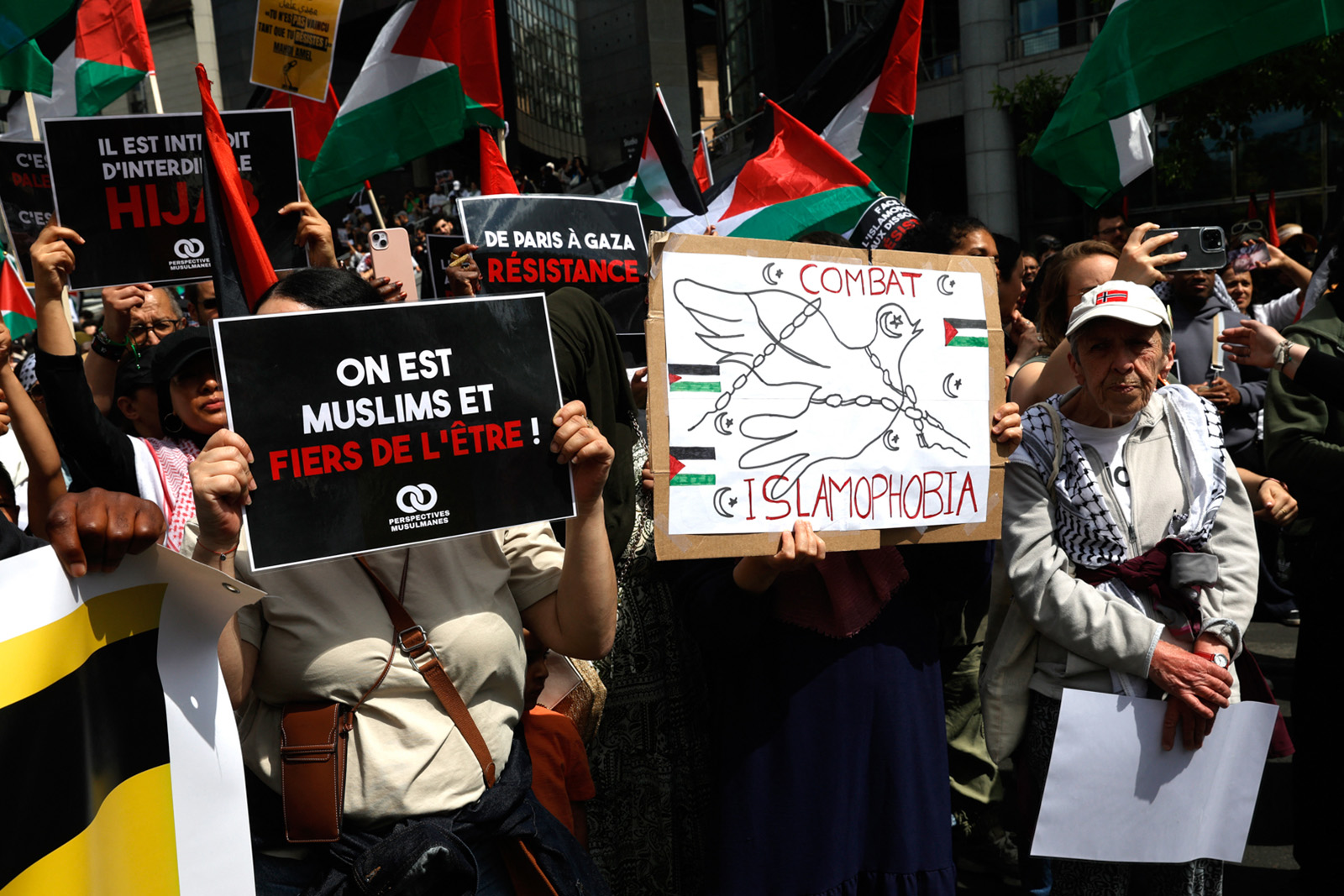
Naïm Laarif, 26, a computer technician, is one L’Ariane resident who has voted in every election since 2017. In March, he plans to vote for left-wing alliance La France Insoumise (LFI), but he’s previously voted for the Socialist Party and the Greens. “I don’t feel fully represented by any political party, but overall I feel closer to the left,” he said. “As a Muslim, my relationship with politics is specific. I vote exclusively for parties that do not constantly denigrate Muslims. There’s a strong feeling that Muslims are continually targeted or instrumentalised in political debate, especially in the media.”
His political engagement may have been unusual in previous years but persistent stigmatisation, he believes, is pushing more young Muslims towards politics rather than away from it. “At low levels, it can discourage people. But the more intense the pressure becomes, the more it encourages engagement,” he said.
“I don’t believe this election alone will radically change things but it can be a first step. If we can show that our numbers can tip the balance, that can change things. Elected officials always want to be re-elected and if gaining more votes means listening to us, they will. Voting is a way for Muslims to make their voices heard.”
In the last municipal elections in 2020, Estrosi — a former professional motorcycle racer — won nearly 60% of the vote, with a turnout of less than 30%. Estrosi has drawn national attention for his hard line on security and his outspoken support for Israel, draping the city hall with Israeli flags throughout the Gaza conflict. Marine Le Pen’s far-right Rassemblement National (RN) is his main opposition, regularly polling between 15% and 20% in Nice. The left struggles to gain a foothold.
After Bensalem’s afternoon prayer, Skenrder Rouis and Mohamed, who asked to be identified by his first name, discuss the upcoming vote with the imam. “Here in L’Ariane, we’re a really tight community,” said Rouis, 23. “People help each other, you never feel alone. But when it comes to politics it feels like we don’t exist. We’re part of Nice too.”
Bensalem points to the absence of a purpose-built mosque as emblematic of the community’s marginalisation. After more than 20 years of proposals and delays, Muslim worship in Nice remains constrained to cramped prayer rooms squeezed into basements or converted shop backrooms. However, what residents want more than anything else, the three men agree, is for the tram line to be extended and connect them to the city centre: a long-promised plan that has failed to materialise.
“People don’t realise how much [transport] affects us. If the tram came here, life would be different,” Rouis said.
Mohamed, now in his 50s, has lived in L’Ariane since 2003, and expresses his frustration more bluntly: “The tramline goes all the way west to Cagnes-sur-Mer, but it stops short of us, even though we’re only a short distance away. We pay the same taxes as everyone else but are always the last to see the benefits.”
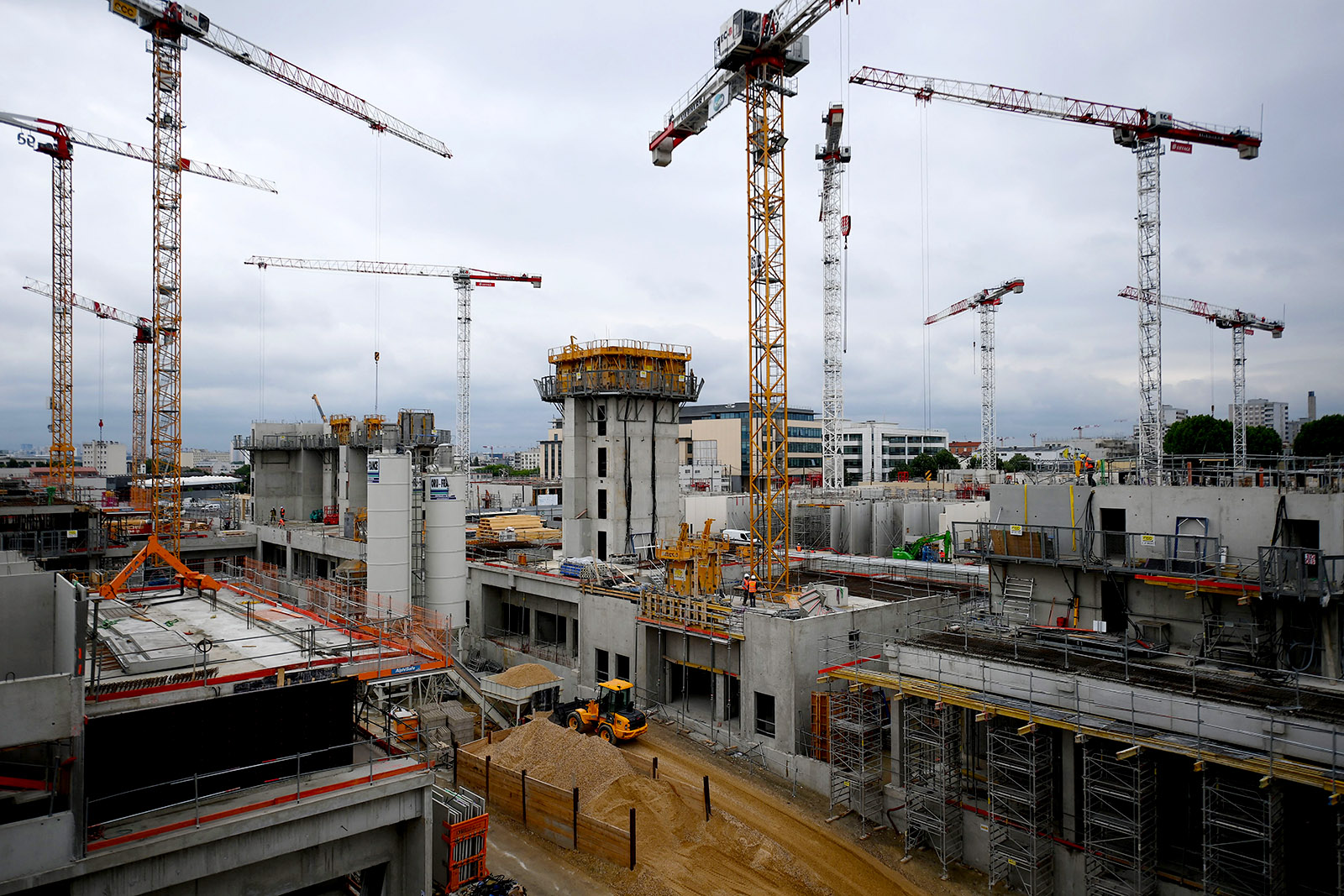
He points to potholed roads and a lack of green spaces as being among the neighbourhood’s most urgent needs. He says that new housing projects are being built but without the investment in infrastructure and services needed to support new and existing residents. “We’re not against development,” he added. “But it should improve the daily lives of people who already live here.”
Mohamed also raises a less visible but equally significant problem — political representation.
He has no confidence in the figures who dominate public life in Nice: neither Estrosi nor Éric Ciotti, the local MP, who was ousted as president of the centre-right Les Républicains party in June 2024 for suggesting an alliance with RN. Both politicians emphasise policing, counterterrorism and security — framing Muslim visibility as a problem rather than a constituent reality. “They come during elections, shake hands at the market, take their photos,” Mohamed said. “After that? Nothing.”
Nawel Boumehdi runs Regards Croisés, a local association that supports families through educational guidance, social mediation and community projects. She says most parents’ main concern is education. “There is a lack of opportunities, a lack of structures to guide young people,” she said. “Without that support, some young people end up drifting — and that can sometimes lead to tensions or even violence.”
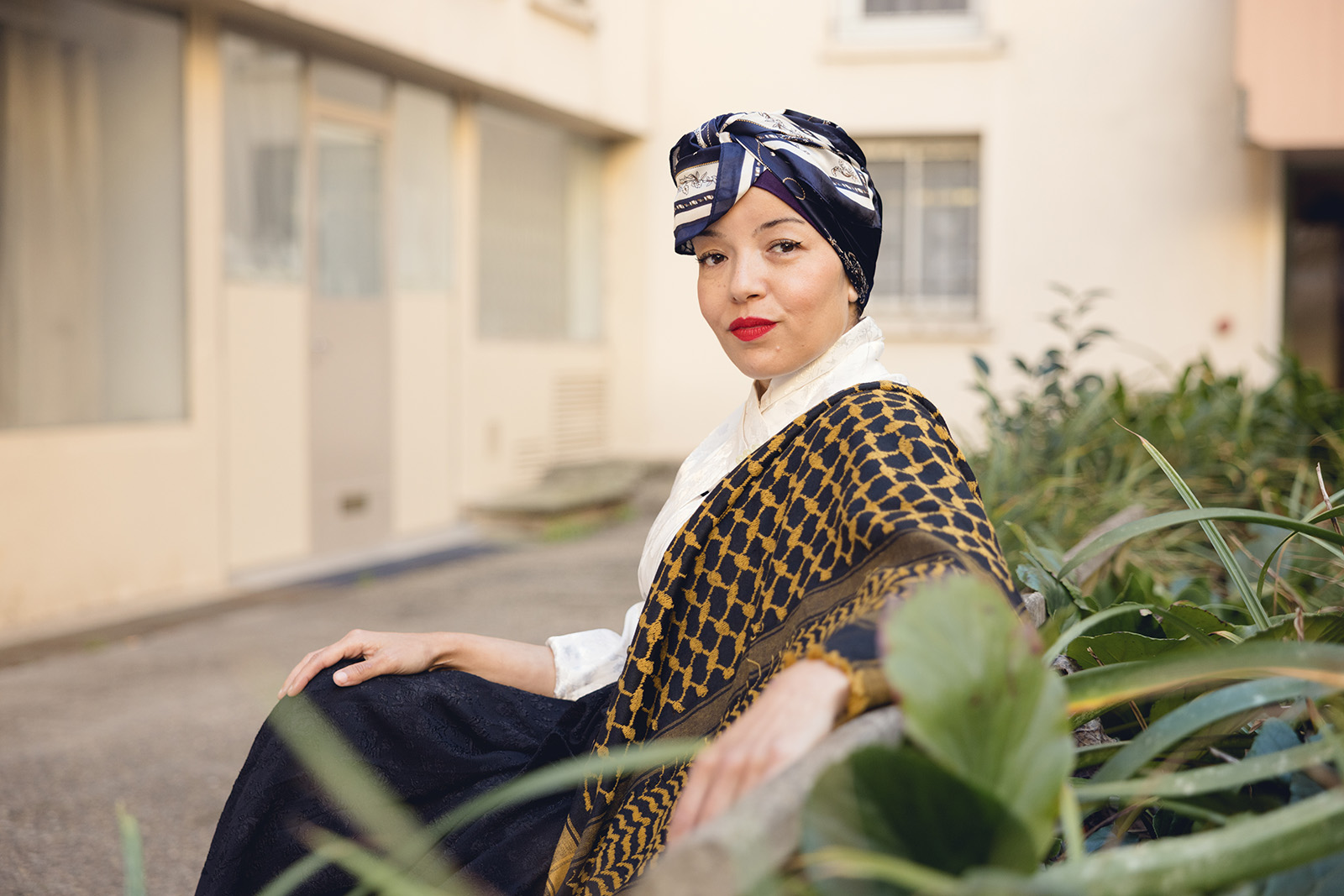
For Muslim adults, she adds, there are extra barriers to employment in an already difficult job market. “If you wear a hijab, getting a job or creating a business is very complicated.”
Newer initiatives, like Les Déterminés, founded by social entrepreneur Moussa Camara, also work with young people to help them develop business projects with mentoring, help with networking and access to financing. Grassroots initiatives like these are playing an important role in helping young people overcome considerable economic challenges, but aside from school breakfast clubs and family hubs, there is little meaningful help from local government.
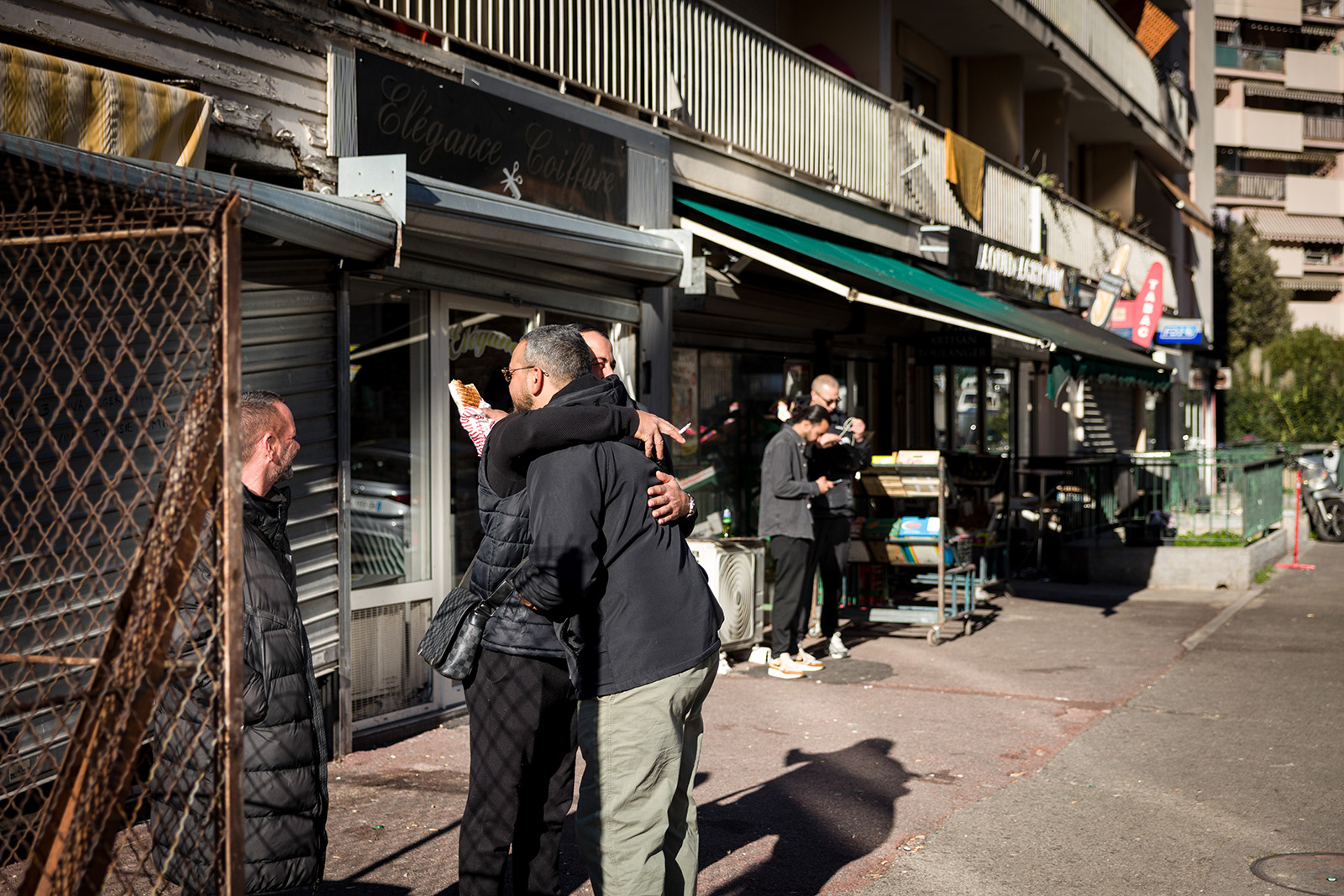
In Les Moulins, there are no safe spaces for youth, meeting places for mothers or rooms for older residents. The community reports chronic maintenance failures, from unreliable lifts to days without hot water. Hatem, who asked to be identified by his first name, has spent 19 years working with local associations to improve the lives of local residents and says families here have come to rely on each other rather than the state: “People look out for each other. Without that, life would be unliveable.”
A father in his 60s, Hatem bristles at the gap between the reality of life in his neighbourhood and the public perception of Les Moulins as a mess of criminality, insecurity and disorder, shaped by media and political narratives. “The immense majority of residents are responsible, hard-working people who want their children to succeed. But that never makes the headlines.”
What weakens trust, he believes, is how quickly and reliably the area is deprioritised after an election. “Officials come for visits, tidy the neighbourhood for the cameras, then everything goes back to how it was. We fall back into being second-class citizens.”
Even so, Hatem senses a shift ahead of the upcoming vote. “People are asking whether a different elected team might finally bring visible solutions.”
Mireille Damiano, co-lead of the leftwing Union Populaire alliance in Nice — which includes LFI, the Greens and other allied parties — believes this is a crucial moment to engage voters. “Residents focus on presidential politics, so we have to explain that municipal elections can directly improve their lives,” she said. “When you feel politically abandoned generation after generation, belief in change becomes very hard.”
Patrick Allemand, president of the Socialist Party in Nice and a candidate on the local Union Populaire list, says there are real signs of hope that engagement is on the rise. Turnout in L’Ariane rose sharply in the summer 2024 snap national parliamentary elections compared with previous low participation levels in the district. The extension of the tram line to Nice’s eastern districts is a focus of his campaign. “It has been promised for 25 years. Now it must happen,” he said.
With the election now just weeks away, the door knocking, candidate walkabouts and last-minute clean-ups have started in L’Ariane. The activity feels routine but the conversations have shifted. Where national politics once dominated, questions are now about bins, buses, schools and housing blocks — the everyday mechanics of municipal power.
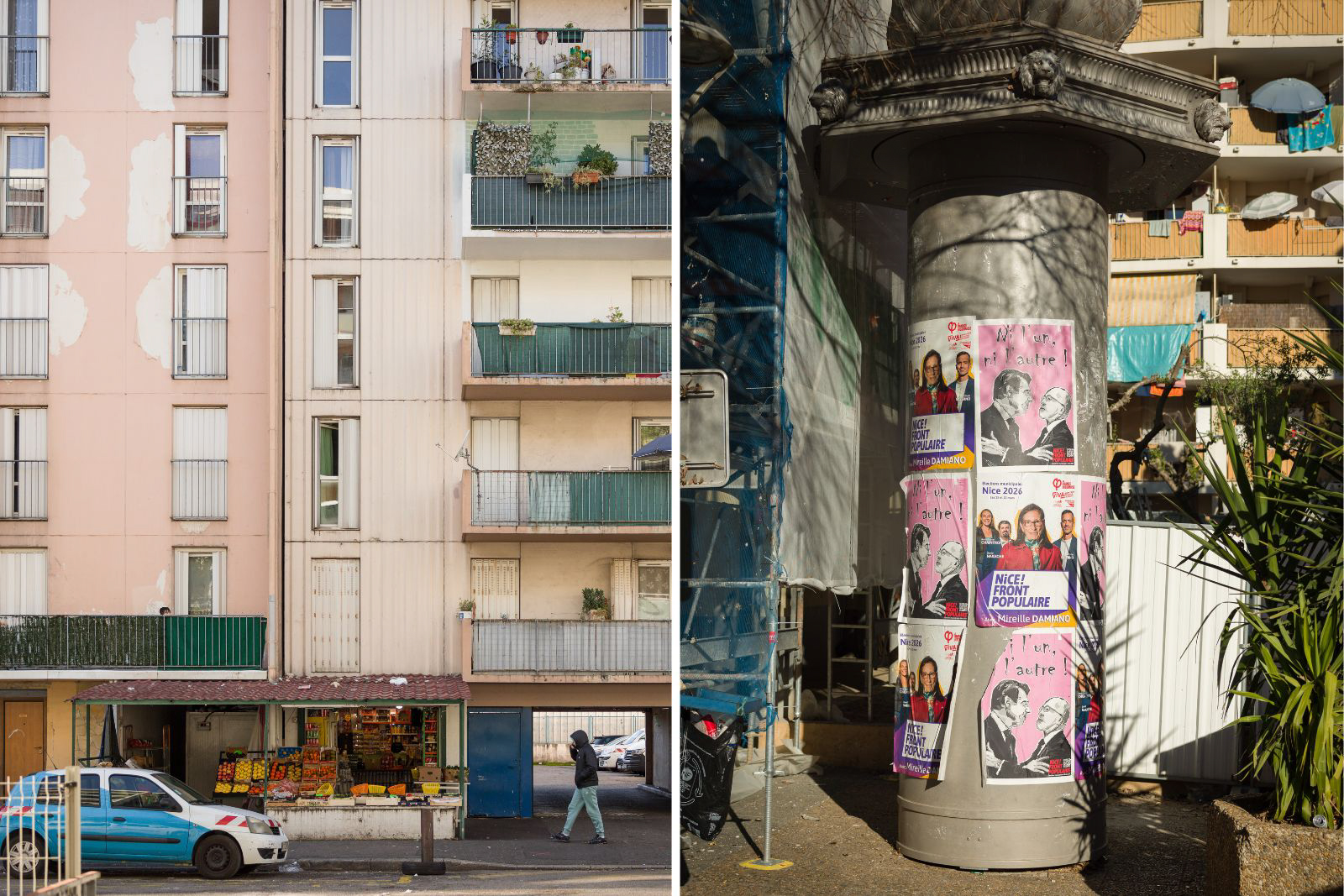
Early polling doesn’t suggest any major upset in Nice. The right wing is unlikely to be unseated from the town hall. Turnout in districts such as L’Ariane is likely to remain well below the city average. But some attitudes are changing — if not towards optimism, then towards active engagement.
“We’re not suddenly believing in politics,” Rouis said. “But people are paying more attention. They want to know who’s responsible for what and whether anyone will actually deliver. That’s the difference.”