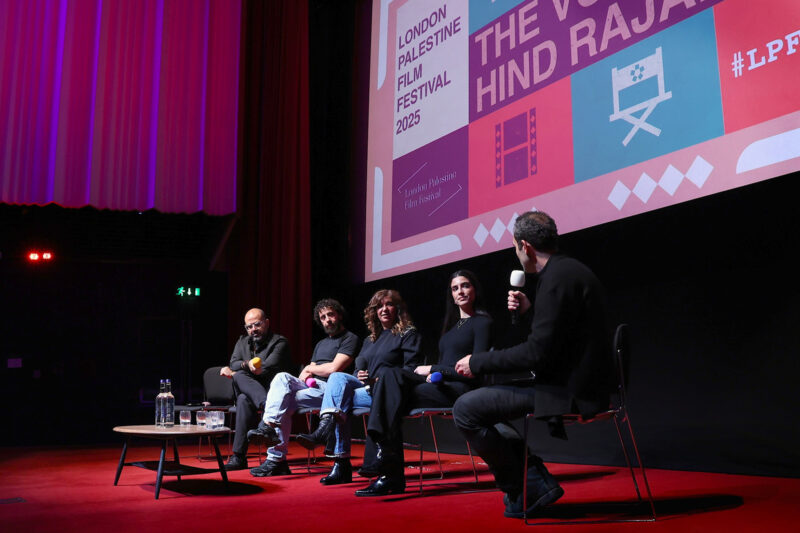


The Voice of Hind Rajab: ‘I want everyone to see this film so we can unite as humans and say never again’
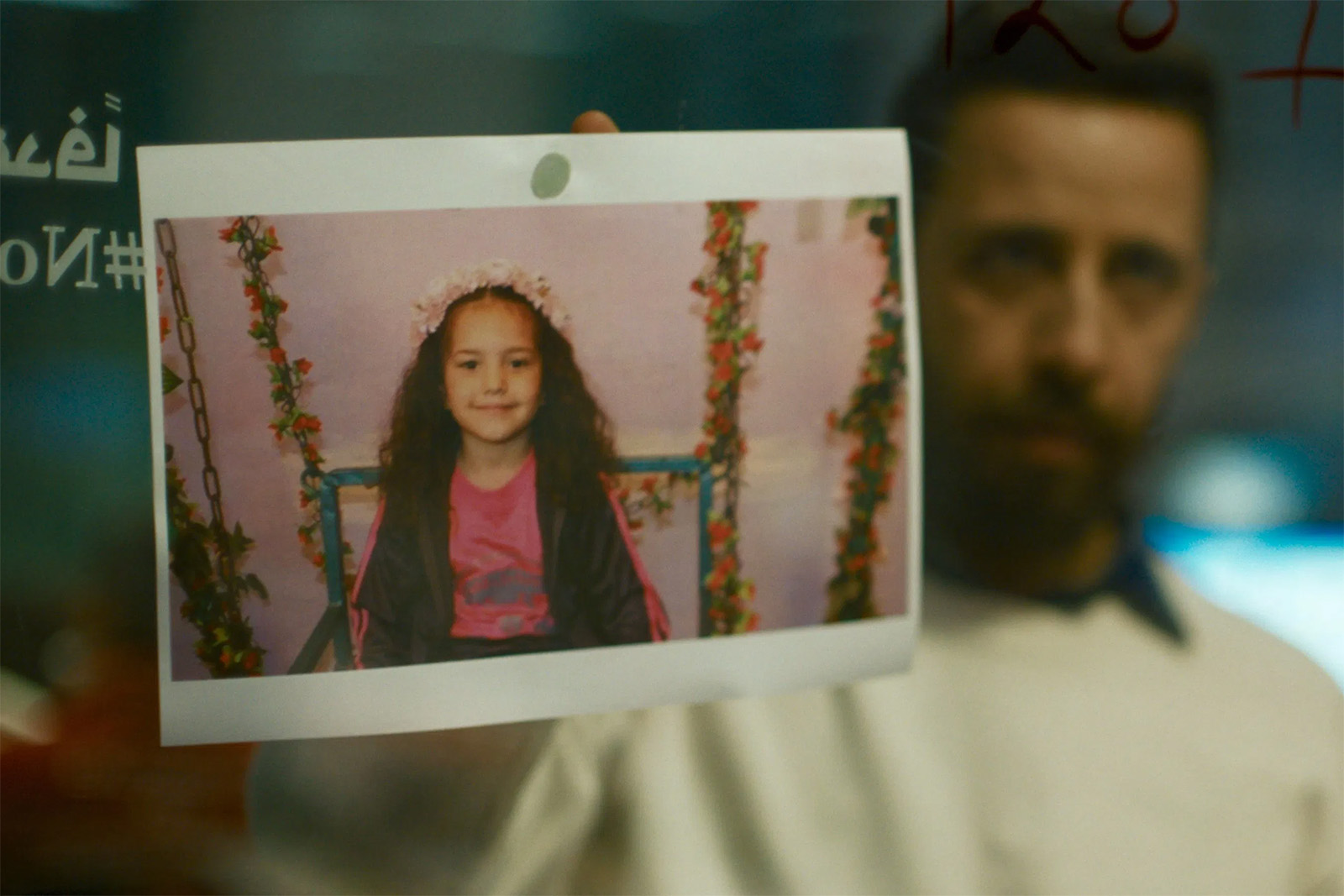
Kaouther Ben Hania’s devastating docudrama earned a 23-minute standing ovation at Venice. Here, the actors speak ahead of the film’s UK release

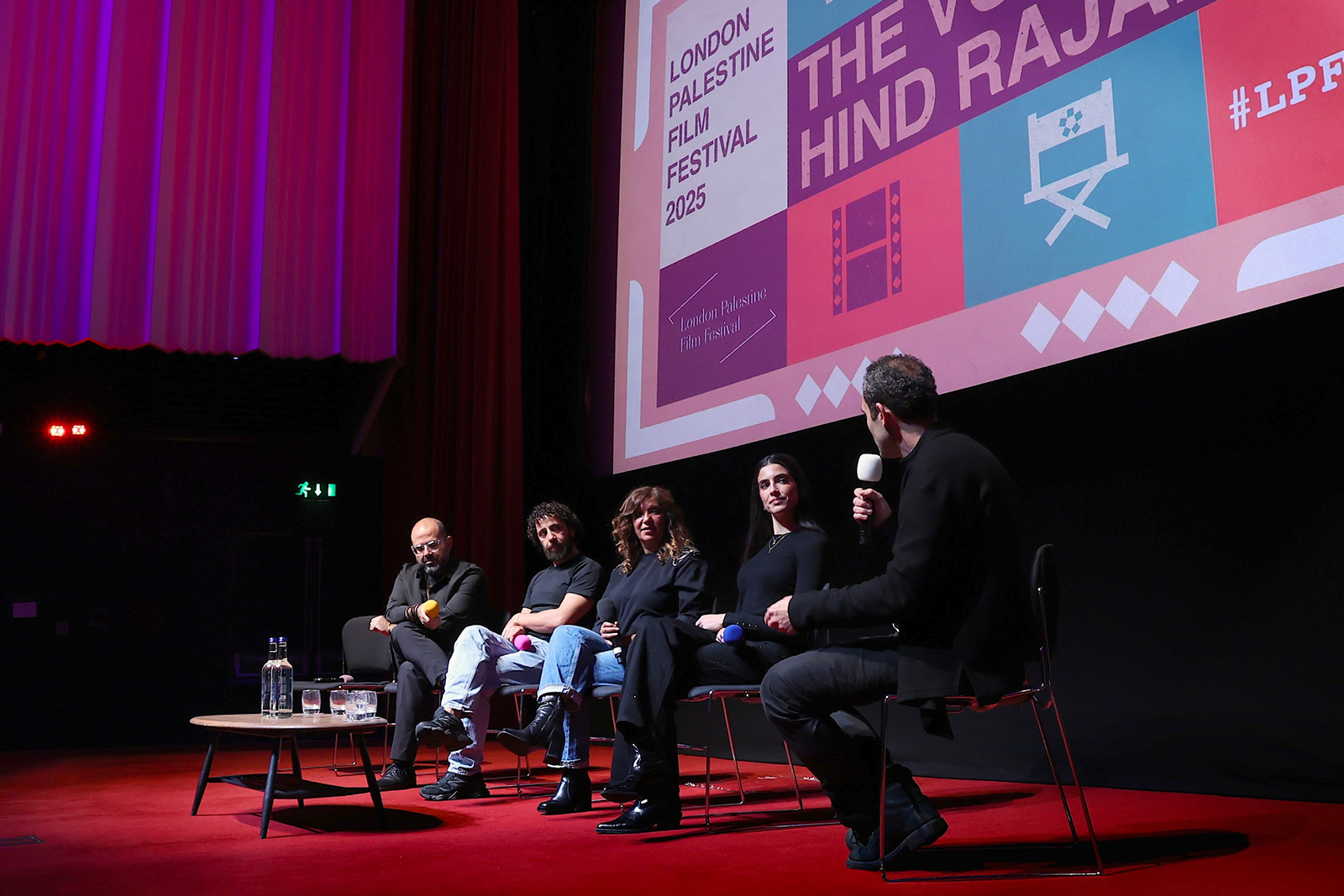
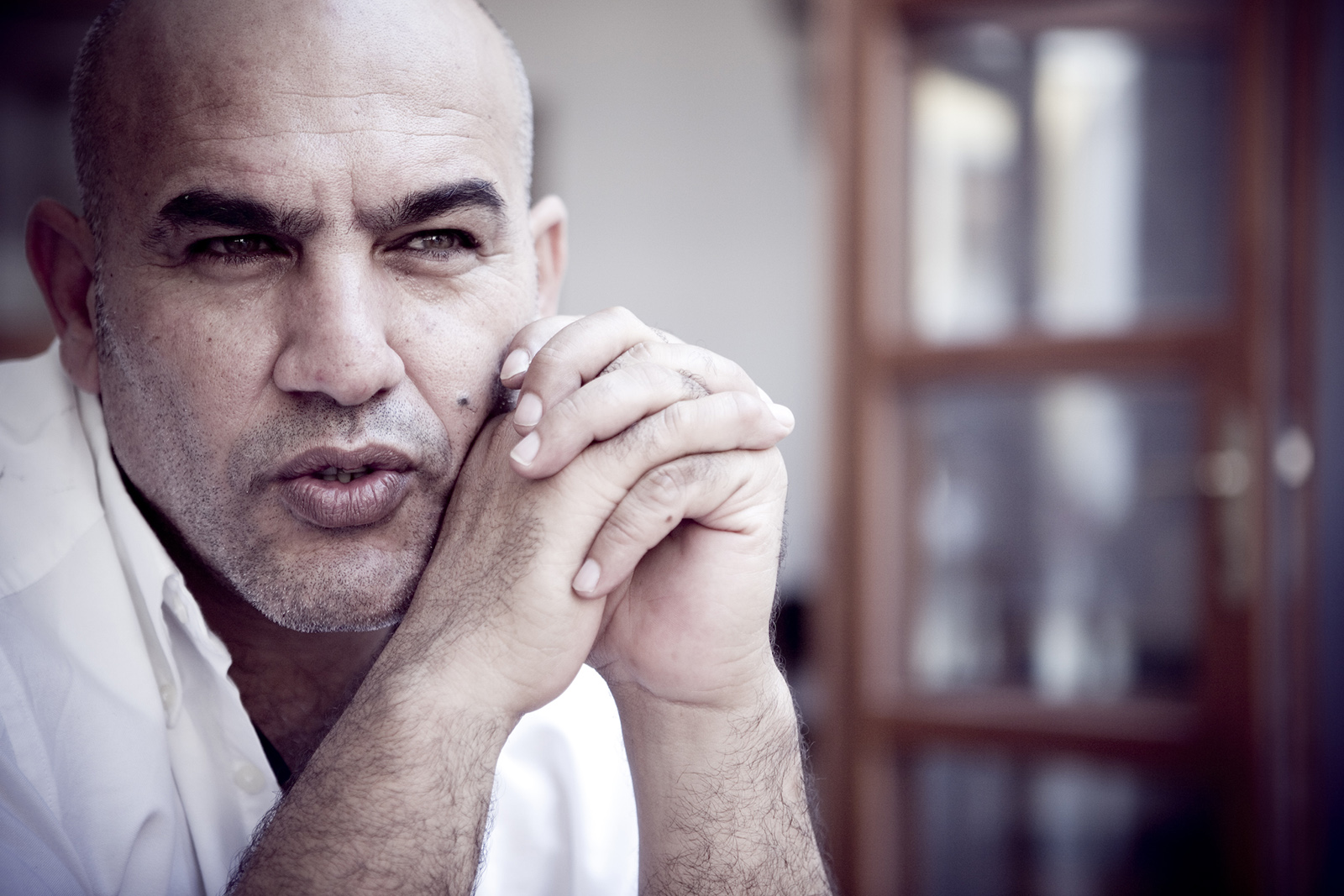
“To listen to Hind’s voice again and again immediately threw us into the story,” says Amer Hlehel. The Palestinian actor is talking about Hind Rajab, the six-year-old girl who was killed by the Israel Defence Forces in Gaza in 2024. “Every time, it was as if we were listening to the phone call for the first time.”
Hlehel appears in Kaouther Ben Hania’s docudrama, The Voice of Hind Rajab, which follows the Palestine Red Crescent Society’s (PRCS) response on 29 January 2024 to a desperate call from the child. Hind’s family had been attacked by the IDF while fleeing a neighbourhood in Gaza City and she was trapped in the car wreckage for hours, surrounded by her relatives’ dead bodies. She pleaded with emergency services for help. Her body, alongside six of her family members and two PRCS paramedics, was found two weeks later.
Hind’s cries for help were shared worldwide, becoming a symbol of Israel’s brutality against civilians in Gaza. The attack has been submitted to the International Criminal Court as evidence of genocide and crimes against humanity.
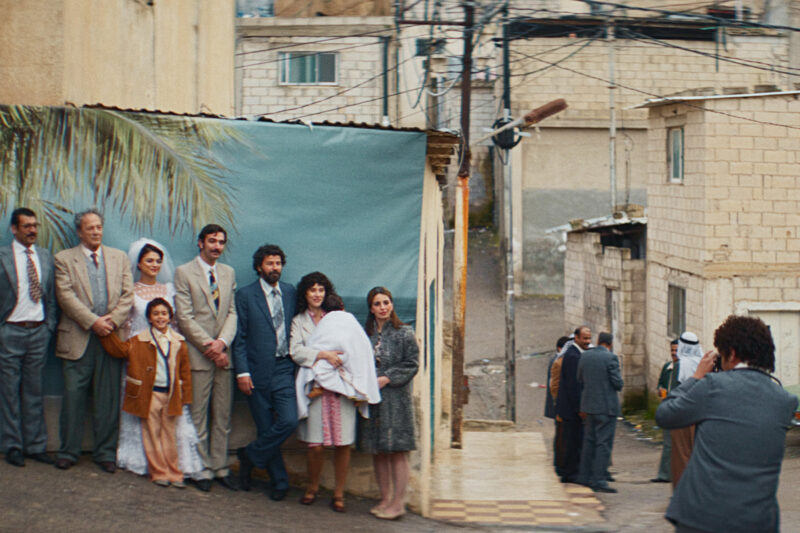
Now, that audio has been used to bring Hind’s story to new audiences in a powerful blend of testimony and cinematic reconstruction that earned a 23-minute-long standing ovation at Venice Film Festival. The film won the Silver Lion Grand Jury Prize at Venice and is shortlisted for the 98th Academy Awards.
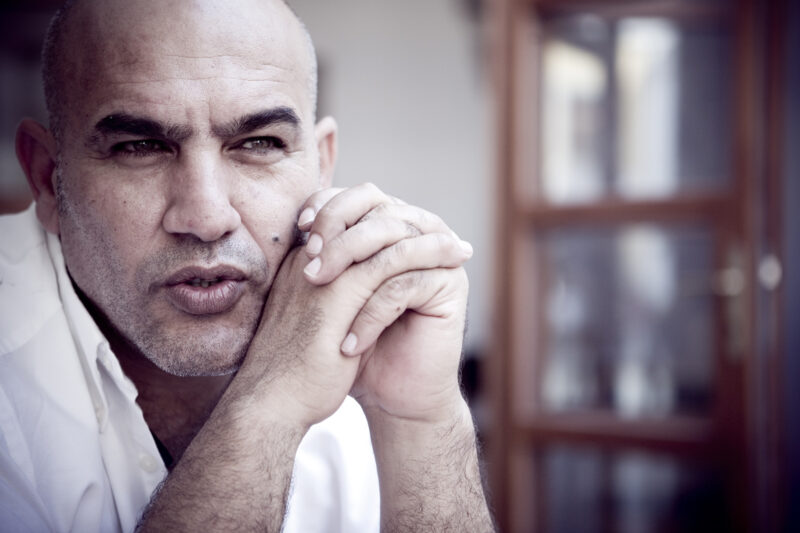
“History is written by victors of war, but human stories are written by the artists,” says Hlehel, who plays Mahdi M Aljamal, one of the first responders for the PRCS. “Doing such a film is what is really important: to tell your story and that of your people, and preserve it for ever.”
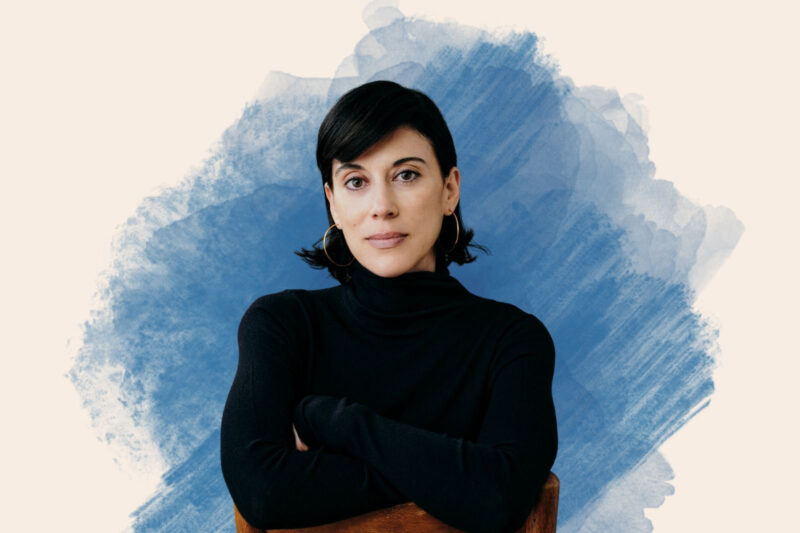
Ben Hania, the Oscar-nominated Tunisian director best known for Four Daughters (2023) and The Man Who Sold His Skin (2020), first came to Hind’s story like many of us — on social media. After hearing the heart-wrenching audio during her press tour for Four Daughters, she immediately contacted the PRCS and spoke at length with Hind’s mother, Wesam. By that November, three weeks of filming had concluded in Tunisia, with the film debuting at Venice Film Festival the following September.
For the cast, proximity to the story made the process both urgent and at times unbearable. “It is hard to disconnect when you are living with such proximity to what’s currently going on in Palestine,” says actor Saja Kilani. “On set, you’re dealing with an important and heavy story that is still ongoing, but it made it that much more important to be a part of this film.”
Kilani plays Red Crescent dispatcher Rana Hassan Faqih, a role that required restraint and care. “I spoke with Rana after reading the script and our first conversation was around three hours long,” Kilani says. “She was so generous in sharing her perspective and she gave me an important piece of advice. She said, ‘I don’t want you to mimic me, I want you to just listen to the phone call.’”
The act of listening is central to Ben Hania’s storytelling. The real phone call from Rajab is played in its entirety over the film’s duration. “The only thing we were thinking of was how we can serve the story in the best way possible,” says Motaz Malhees, who portrays PRCS responder Omar A. Alqam.
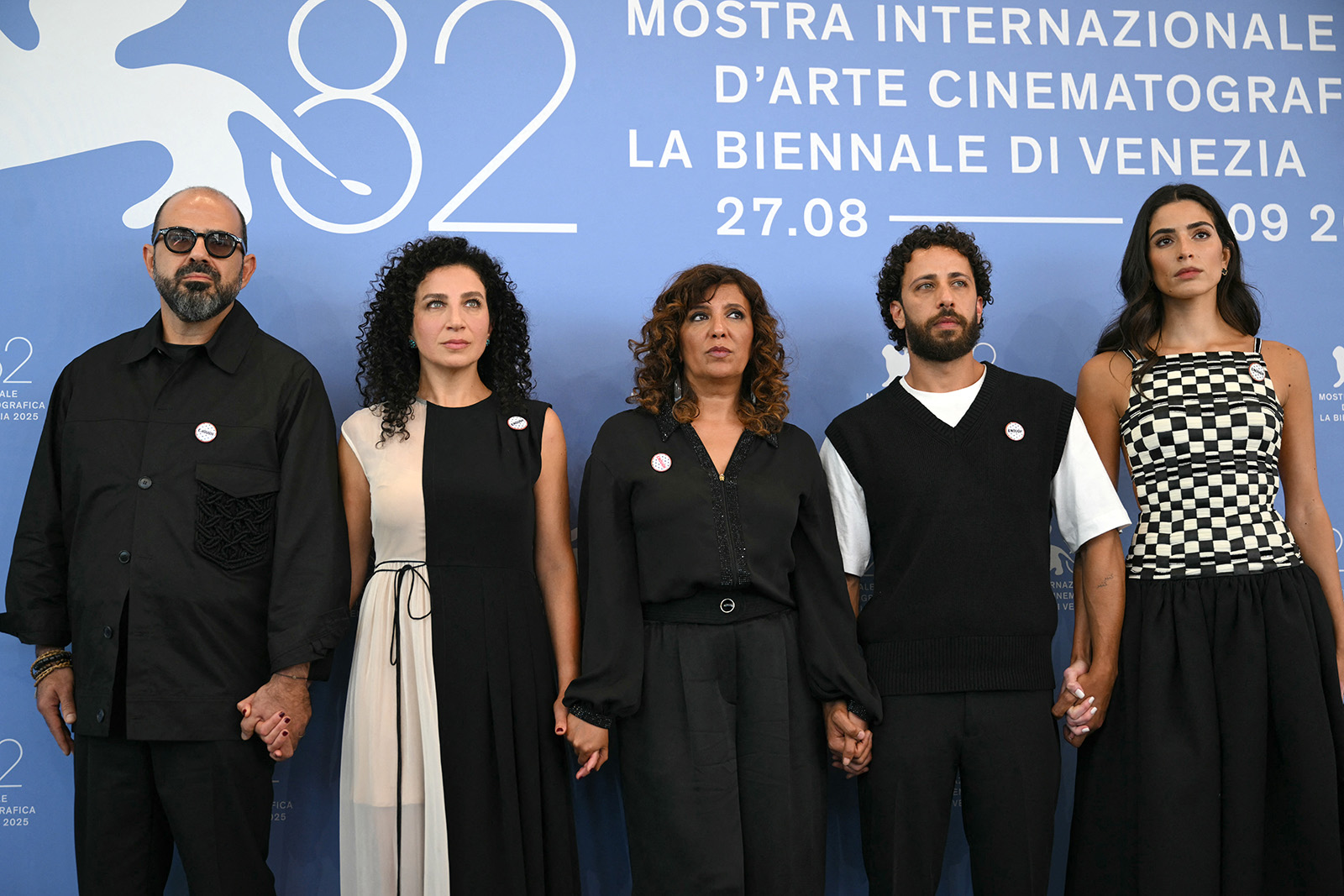
“I got in touch with the real-life Omar and it wasn’t an easy thing to do because I was opening his wounds, which must have hurt,” he says.
“But at the same time, you want to portray and honour him properly. As it’s a true story, it made sense to get in touch. Some actors don’t bother, but I found it important and we are now friends and I will be meeting him face to face for the first time.”
Kilani agrees. “When you tell stories like Hind Rajab’s, it’s not just a performance. You’re preserving that memory,” she says.
“I’ve always been drawn to films based on true events as it keeps the conversation going. That’s what I’ve noticed with this film and I hope to continue telling stories like this, but I also hope we don’t have to.”
The Voice of Hind Rajab is both an artistic work and an act of protest. “It’s important for those who choose to look away to watch this film,” Kilani says. “We know the story and how it feels as a Palestinian right now, but it’s important for others to watch as it really zooms in. Hind is not just a headline or number, but she is also one of many.”
The film does not offer closure, nor does it attempt to soften its ending. Instead, it asks its audience to sit with discomfort, pain and with responsibility.
“I hope this film can prevent the killing of more children in Palestine,” Hlehel says. “We didn’t do this film to be movie stars or move forward in the industry. This isn’t an individual dream, it’s the dream of a collective to influence, use your voice and spread awareness. We can only hope to prevent suffering.”
That hope — fragile, urgent and unresolved — lingers long after the screen fades to black. “I hope we are able to reignite the collective humanity,” Kilani reflects.
“My hope is that we don’t need to tell more stories like this,” Malhees adds. “I want everyone to see this film so we can unite as humans and say ‘never again’.”
The Voice of Hind Rajab is in UK and Irish cinemas from 16 January.