

‘We do this together, or not at all’: the Centre for the Study of Islam in the UK turns 20
Founded in 2005 by Sophie Gilliat-Ray, the Cardiff University institution has produced pioneering research on British Muslims
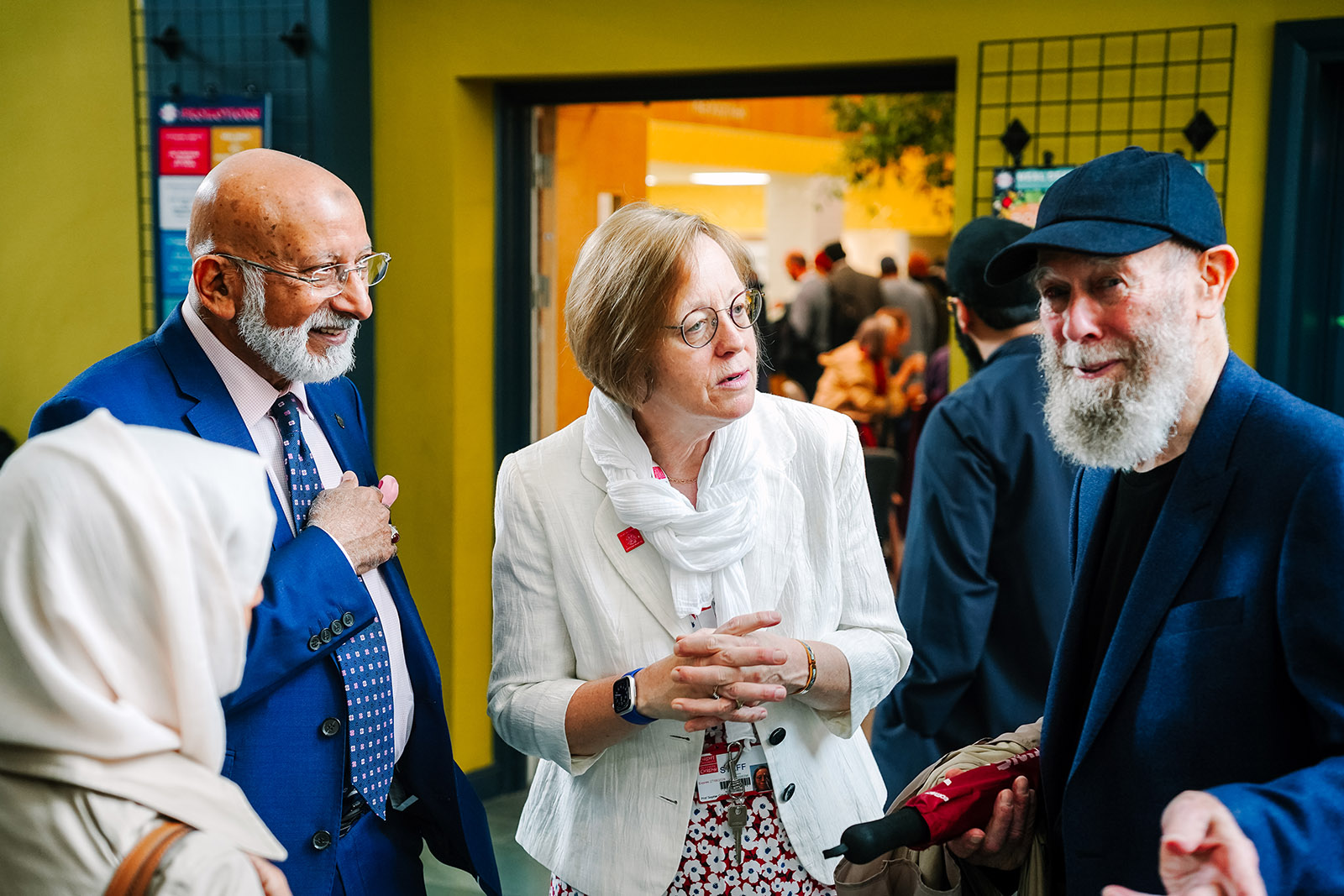
For two decades, the Centre for the Study of Islam in the UK has produced leading research on Muslim life across the country. It was founded in 2005 by Professor Sophie Gilliat-Ray, then a research fellow at Cardiff University whose pursuit of religious studies had been driven by an interest in the growing presence of Muslims in Britain. By that time, she’d become convinced of a pressing need for rigorous research about their lives.
“One of the things that was very clear to me is that there were lots of academic institutions in Britain doing excellent work for classical Islamic studies, but there didn’t seem to be a space for the study of Muslims,” says Gilliat-Ray. “Religious identity was becoming increasingly important, particularly for second and third-generation Muslims. I wanted to create a space where we could explore that.”
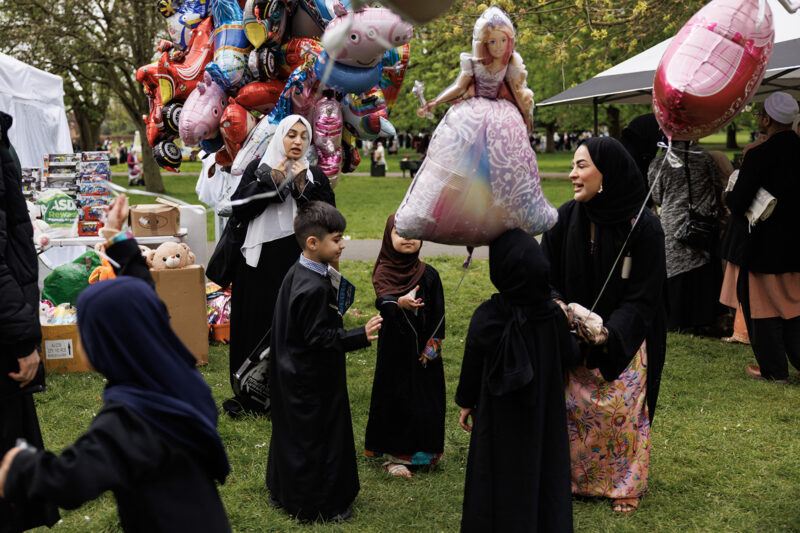
The centre was the first of its kind. There were approximately 1.5 million Muslims in England and Wales when it was launched, a figure that has since risen to about 2.8 million. In a 2005 interview with the BBC, Gilliat-Ray noted that Cardiff was an ideal location, as the city is home to one of the UK’s oldest Muslim communities, believed to have been established after Yemenis settled there in the 19th century.
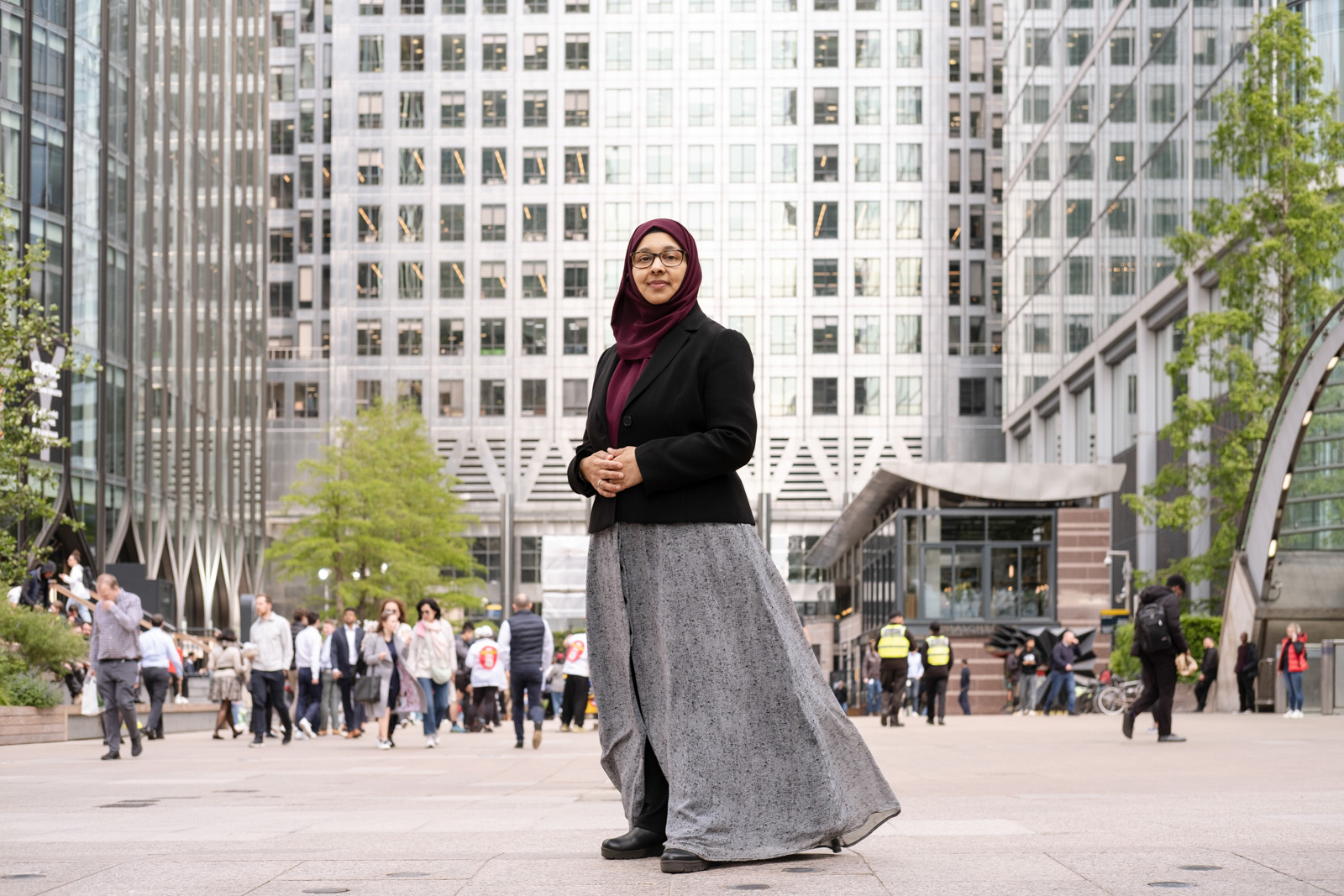
Engagement with British Muslim communities has been at the core of the research centre’s work. “Before we got anywhere near launching, I met with then secretary general of the Muslim Council of Wales, Saleem Kidwai. I said to him, either we do this together, or not at all,” says Gilliat-Ray, who in 2020 received an OBE for her services to education and Muslims in Britain.
“I just knew this couldn’t happen just with me — the community needed to see the vision. So that community ethos is part of our DNA.”
The team has since gone on to produce pioneering studies on many aspects of these communities, receiving more than £8 million of investment from research councils and philanthropists over the two decades.
“When the centre opened in 2005, people weren’t thinking about research on Muslims in the way they are now,” says deputy director Azim Ahmed. “We needed informed, quality research, not just for policymaking and broader government agendas, but for our own communities themselves, so that mosques, charities and other institutions could really understand and address the challenges facing the community.”
Gilliat-Ray points to the changing demographics of British Muslims, who have a median age of 27, compared with 40 years for the overall population in England and Wales. She says that, while there is a growing number of wealthy professionals who are Muslim, many others still live in severe deprivation. “In our work, we think about the different kinds of disadvantages, and how poor education, poor housing, poor health, poor employment prospects have a cumulative effect.”
Ahmed adds: “For me, it’s a really exciting place to be because all of our research comes with that strong focus on: how does this benefit the Muslim community? How does this address their questions and concerns? And how can we make sure our research is of value and has real impact?”
Their work has had an impact beyond academia, including running free online courses to help educate the wider public on issues affecting Muslims. To date, more than 22,000 people have enrolled.
In 2016, Dr Mansur Ali launched a research project on organ donation, analysing all the available English, Arabic and Urdu fatwas (non-binding legal opinions issued by Islamic scholars) on the topic. The team concluded there are justifications both for and against organ donations, and that British Muslims should make a personal choice on the issue. This research was later used by the NHS in its engagement with Muslim faith leaders to increase positive attitudes towards organ donation.
Related content
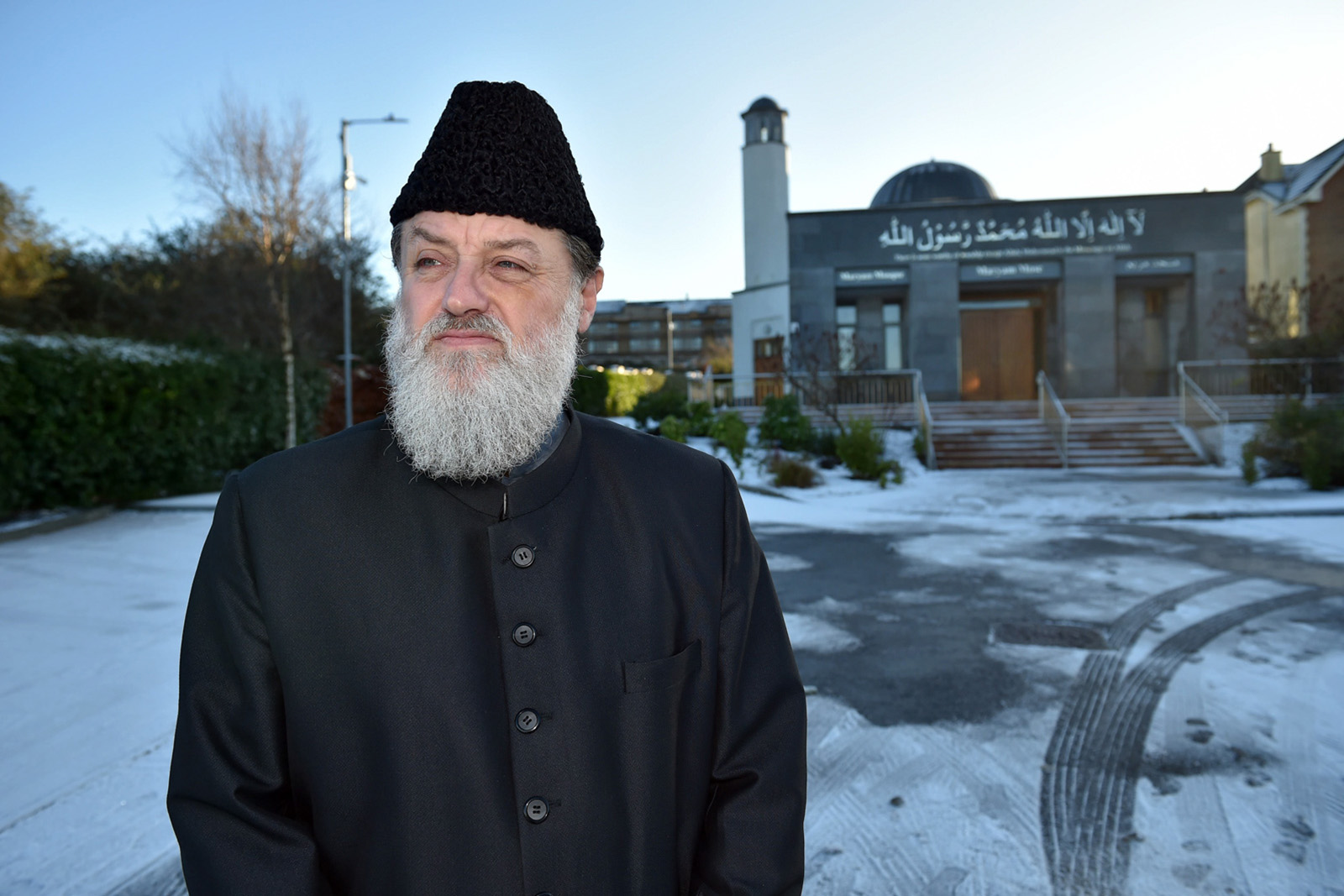
Other significant work has included research into mental health, how the first Muslims came to settle in Wales and the lives of British imams, with findings on their roles within mosques and their working conditions due to be published by Oxford University Press in 2026.
Ahmed, who is also the secretary general of the Muslim Council of Wales, led projects looking into medieval archives in Wales as well as helping young Muslims document their own family histories.
These stories have been displayed in mosques and the Wales Millennium Centre and at the National Eisteddfod, an annual music and poetry festival.
This work “embodies the centre’s approach in making sure our research doesn’t just stay in academic circles. It gets out there,” Ahmed says.
Gilliat-Ray adds: “We’re not trying to do Islamic studies. It’s about trying to apply classical Islamic knowledge to some of the contemporary issues concerning British Muslims.
“It’s very important that in our current time there is a research powerhouse for British Muslim studies, and Cardiff is that powerhouse.”