

Halal food fraud reports hit five-year high, data shows
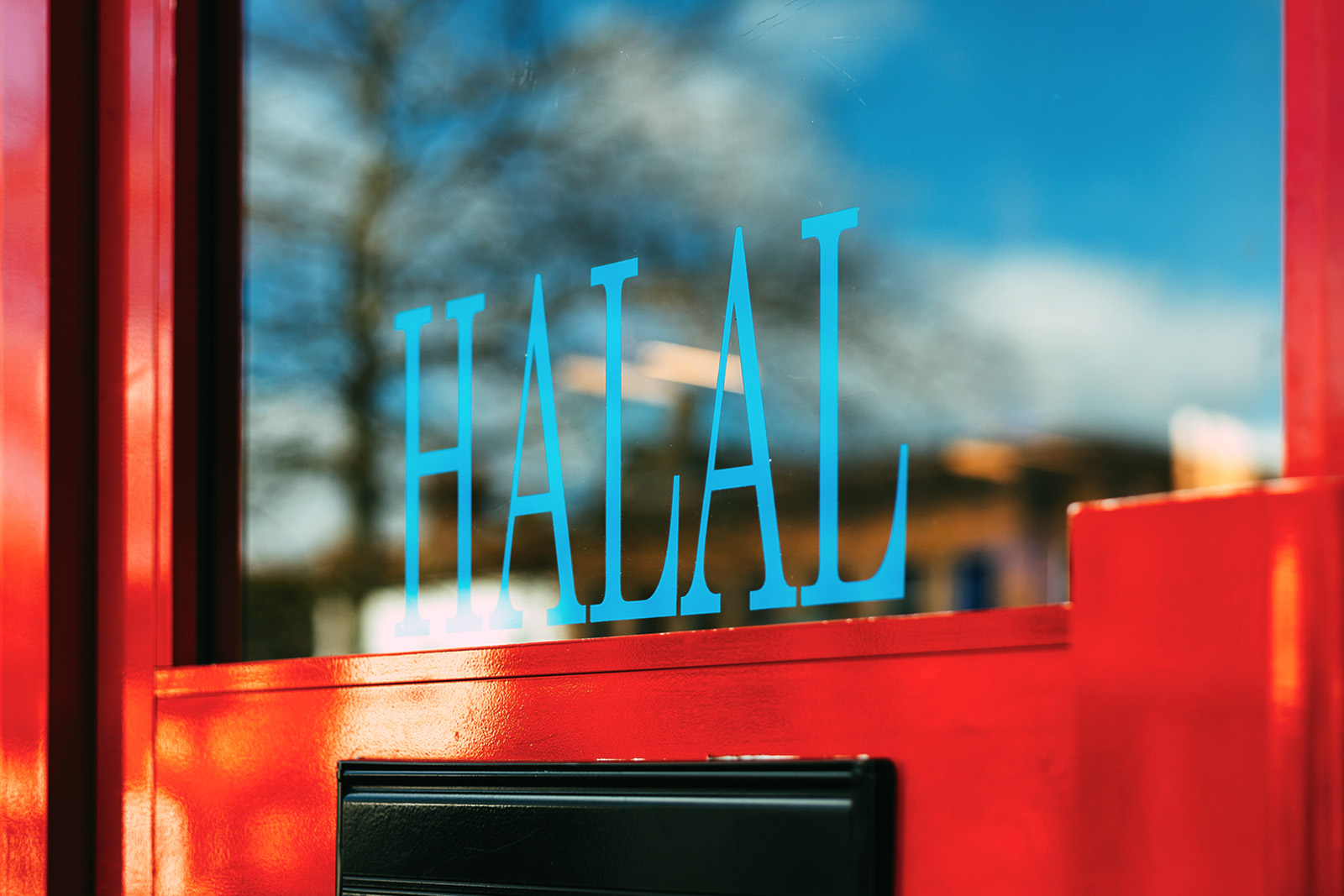
Meat being misrepresented or mislabelled as halal and document fraud are among the 44 allegations made to the watchdog in recent years

Halal food fraud reports to the Food Standards Agency (FSA) hit a five-year high in 2024, Hyphen can reveal — but a certification expert has warned this is just the “tip of the iceberg”.
The watchdog’s national food crime unit received 16 reports of suspected halal food misrepresentation in 2024, up from 12 in 2023, eight in both 2022 and 2021 and none in 2020, data obtained by Hyphen through a freedom of information request shows.
Of the 44 reports to FSA food crime officers between 2021 and 2024, half concerned claims that non-halal meat was being misrepresented as the real thing, with 10 such alerts in 2024.
Related content
Nine reports of meat being mislabelled as halal and seven regarding alleged unlawful processing were also among tip-offs received by the FSA over the four-year stretch.
Since 2021, the regulator for food safety and hygiene has also received three reports of firms having “no halal certification”. There is no legal requirement to have halal certification in the UK, or to label halal food as such, but the law states that food must be “labelled, advertised and presented in a way that is not false or misleading”.
Naz Shah, Labour MP for Bradford West, said allegations of halal food fraud were “deeply disturbing” and that any wrongdoing by sellers “should carry clear consequences and meaningful penalties”.
“A small number of bad actors risk tarring an industry that is not only growing, but which works hard to uphold transparency, quality control and openness with consumers who place their trust in halal standards,” she added.
Anyone can report suspected food crimes to the FSA in confidence, including members of the public and whistleblowers within the sector such as staff.
In addition, the FSA received two reports of document fraud and one regarding misrepresentation of qurbani, a ritual involving the slaughter of animals during Eid al-Adha, the data shows.
Of all business types, “food premises” — defined by the FSA as those that serve hot or cold food to customers, such as takeaways — accounted for the most reports of suspected halal misrepresentation between 2021 to 2024, 14 overall including eight last year.
Wholesalers have been subject to 11 such allegations since 2021, while food retailers sparked seven complaints, meat cutting plants garnered five and caterers were accused four times.
In 22 of the cases reported to food crime officers, the type of meat involved was not specified. But 12 involved poultry, four were about sheep and six concerned “various” meats.
For meat to be halal (permissible) under Islamic laws, a practising Muslim must use a sharp blade to cut a healthy, living animal’s throat so it bleeds to death – and recite a prayer. Cross contamination with haram (forbidden) products, such as pork, must also be avoided.
The FSA works to ensure slaughterhouses and businesses, including those processing halal meat, comply with food safety standards and animal welfare regulations.
But representatives of multiple halal certification bodies have told Hyphen the halal meat sector needs to be properly regulated to help prevent Muslim consumers from being misled.
Nadeem Adam is operations director at the Halal Monitoring Committee, one of Britain’s largest halal certification bodies, which said in official filings that it had monitored the halal compliance of over 750 businesses and 75 schools last year.
Related content

“It’s the tip of the iceberg in terms of the number of halal food frauds that are reported,” he said of the FSA figures, adding: “We are also finding businesses are fraudulently using the HMC certification mark without any prior permission.”
The FSA referred 34 of these complaints on to local authorities to investigate, led six enquiries itself, and flagged one to the police. No further action was taken in two cases.
The watchdog would not say what outcomes had resulted from the investigations, suggesting this could compromise its work.
Neil Castle, deputy head of the FSA’s food crime unit, said: “While food fraud remains very low in the UK, we are vigilant to any risk and work with businesses to help them meet their legal responsibility to sell food that is safe and what it says it is.”
The FSA said the unit had got better at identifying and recording incidents in recent years — and that the rise in reports did not necessarily mean misrepresentation had increased.