The best reads of 2025
Short stories, family histories and a supernatural satire on millennial renting all feature on this year’s list

Now that we’re properly settling into the colder months, and with the holidays just around the corner, the chance to catch up with your to-read pile is finally within reach. Over the past six months of this column, we’ve covered books of many genres and moods, but a few titles from 2025 deserve a special spotlight.
From sharp political non-fiction to searing novels, the past year has seen many great book releases. Here are five of my standout reads — ideal companions for those long winter evenings.
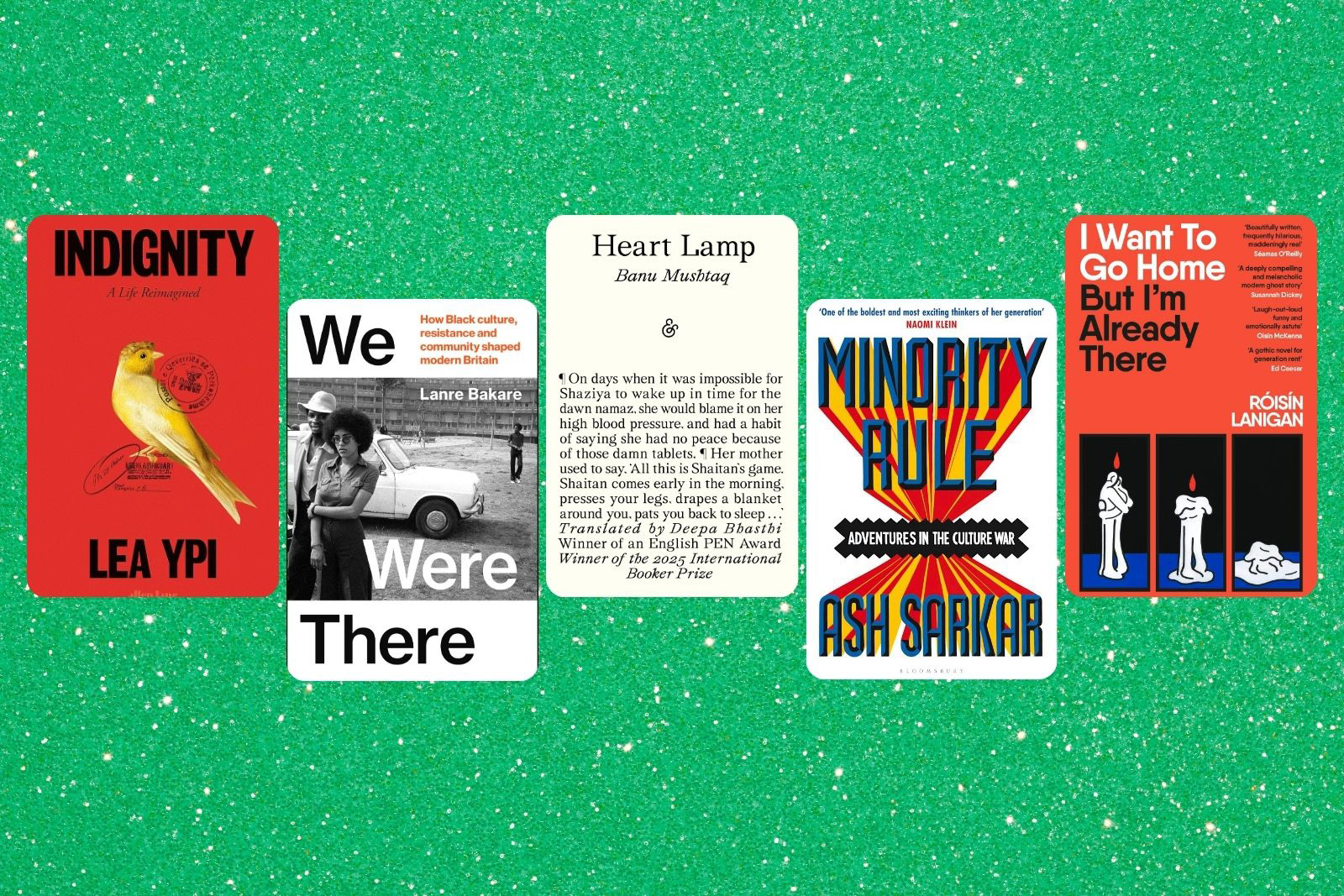
Indignity by Lea Ypi
When Lea Ypi discovers that a photograph of her grandparents, sitting on sunloungers at an Italian ski resort during their 1941 honeymoon, has gone viral on Facebook, she is stunned by the comments. Some people accuse them of being fascist collaborators, while others suspect them of being communist spies. Having grown up believing the police destroyed her family’s records during the early days of communism in Albania, Ypi wonders what other traces might still exist.
The photograph sends Ypi on a search through Albania’s state archives to uncover the truth of her grandmother Leman’s life. She discovers a story shaped by the collapse of the Ottoman Empire, the upheavals of the second world war and communism. Unlike Ypi’s debut memoir, Free, which received worldwide acclaim, Indignity blends non-fiction and fiction to reimagine Leman’s life. It’s a multi-layered piece of work, but what stayed with me were the reflections on the experience of living through shifting borders, war and occupation, and what it means to do so with dignity.
We Were There by Lanre Bakare

According to the most recent census, the majority of Black Britons actually now live outside London. This raises the question: why is the capital so prominently featured in mainstream representations of Black British culture? And what important Black British histories outside the city are being overlooked? Lanre Bakare’s We Were There is dedicated to uncovering a Black Britain that has been pushed to the margins of national memory.
Bakare describes this work as a “road trip around Black Britain during the Thatcher era”. In one chapter, he takes us to learn about the rise of the Rastafarian movement in Birmingham and, in another, to a legendary Manchester nightclub that provided a place of Black refuge and resistance. The author also delves into the history of the pioneering Black Environment Network, a group of artists and activists who questioned the nation’s prevailing assumptions about rural life and race. This book has been described by Academy Award-winning director Steve McQueen as “a vital corrective”, and I couldn’t agree more.
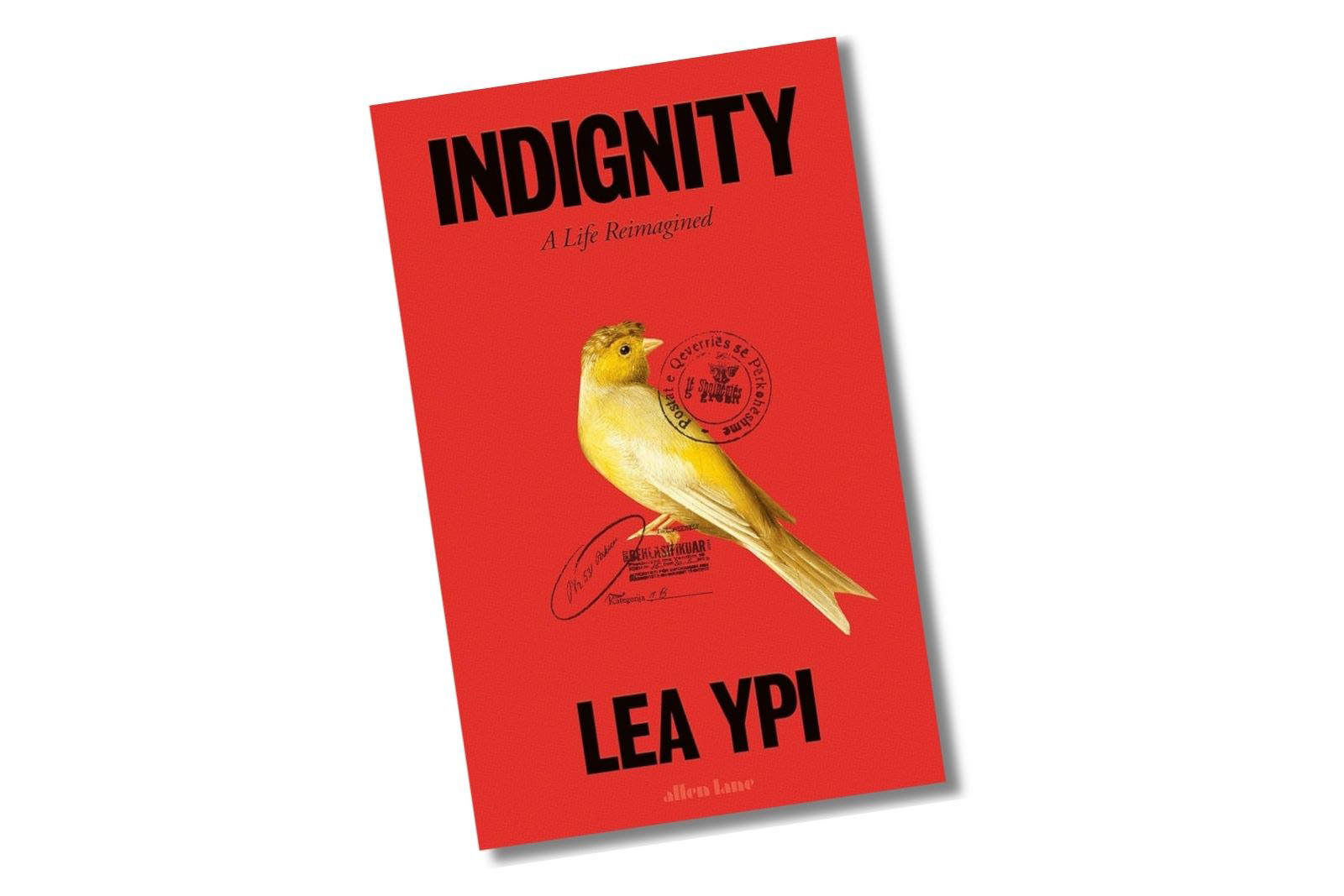
Heart Lamp by Banu Mushtaq
Never before has a collection of short stories won the Booker, but Heart Lamp by the Indian Kannada-language author Banu Mushtaq claimed the international prize this year. From nearly 50 stories Mushtaq has written over the past three decades, translator Deepa Bhasthi selected 12 that illuminate the everyday lives of girls and women in predominantly Muslim communities. Many confront the realities of misogyny and domestic abuse, yet the author also captures the resilience of those who push back against patriarchal structures.
Alongside the more difficult narratives — such as Black Cobras, the story of a woman abandoned by her husband for giving birth to three girls, and Heart Lamp, in which a woman attempts self-immolation to preserve family honour after leaving her unfaithful spouse — the collection also carries warmth and lightness. In Soft Whispers, for example, protagonist Safiya slips into childhood memories of adventures with her grandmother and wondering whether a boy she once knew still remembers her. These shifts between suffering and tenderness, tradition and defiance make Heart Lamp a masterfully balanced collection of stories, unified by a clear and incisive feminist lens.
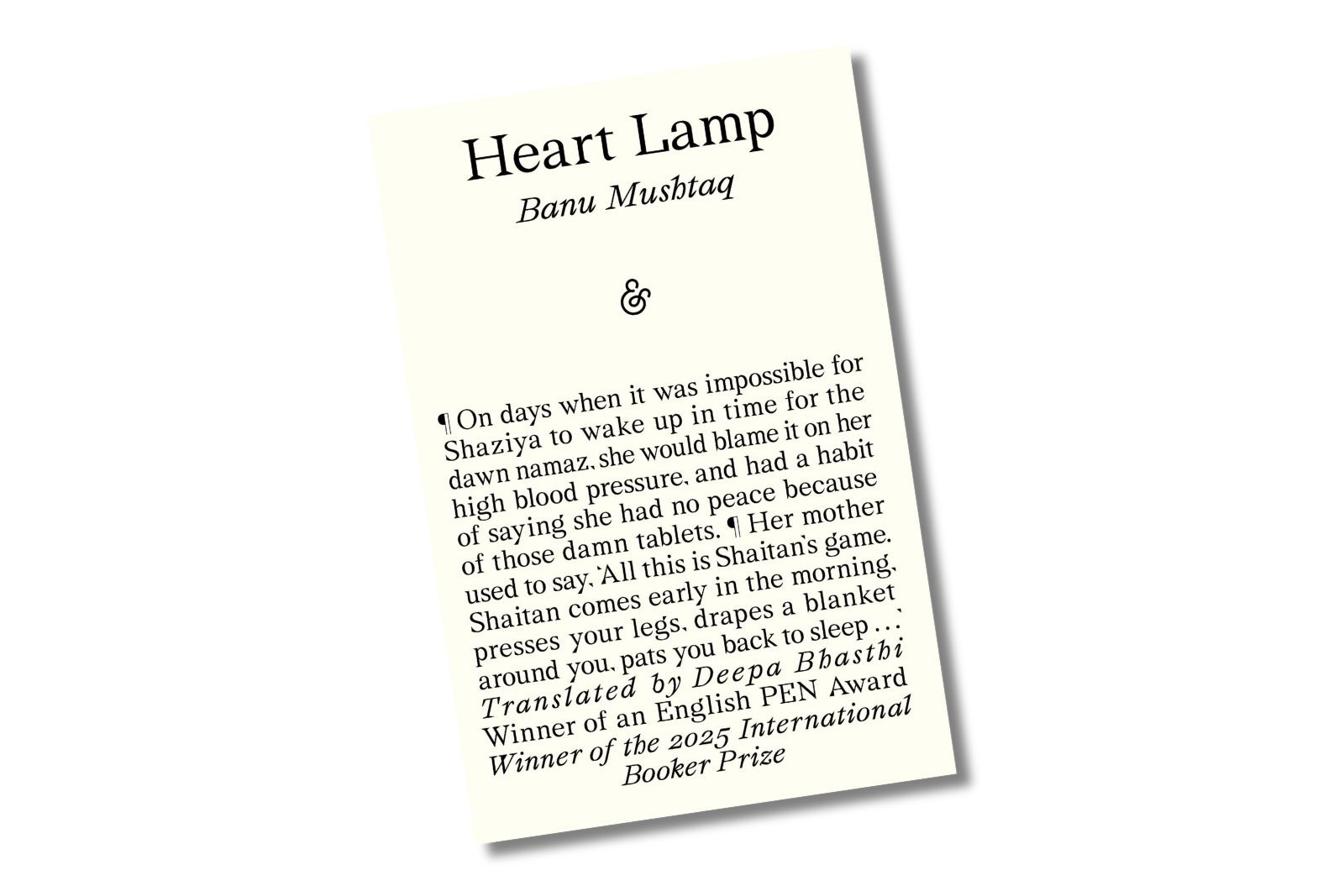
Minority Rule by Ash Sarkar
Minority Rule made a huge splash this year, with many speculating before its release that prominent leftwing journalist and political commentator Ash Sarkar had turned her back on identity politics. Though she makes it clear that she is not criticising the concept of intersectionality — the way in which forms of oppression can overlap — Sarkar argues that liberal identity politics is holding back the progressive movement. In her view, too many of us are getting lost in matters of identity and the intricacies of language, while the power and wealth of the elites skyrocket.
The press reviews may lead you to believe this book focuses on the limitations of identity politics, but that topic is primarily addressed in the first chapter. Those that follow concentrate on challenging the prevailing culture war narrative that marginalised groups, such as immigrants and LGBTQI+ individuals, are a threat to the majority.
In my view, the standout moment is the chapter examining the 2011 riots and the rhetoric that followed. The author traces how, during that period, rightwing media reframed its depiction of working-class people‚ moving from the derogatory “chav”’ stereotype to a focus on the “left-behind white working class” as a distinct and separate group. It was yet another tactic to keep the majority of the population divided along identitarian lines, and, as the author shows, it proved all too effective.
I Want To Go Home But I’m Already There by Róisín Lanigan
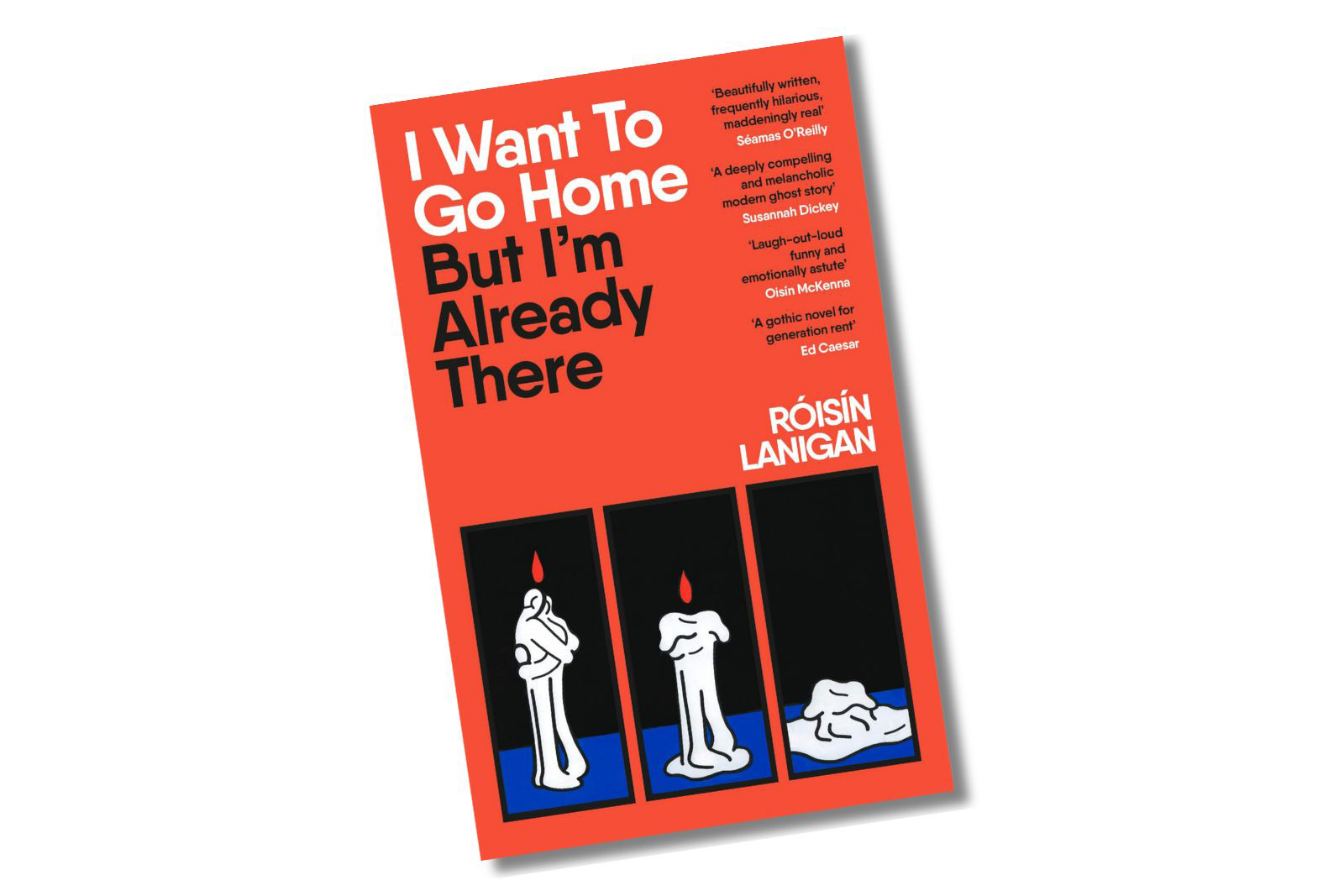
We all know renting is a nightmare, but what if it truly was one? That’s the premise of I Want To Go Home But I’m Already There, the debut novel by Róisín Lanigan, who expertly captures the horrors of bad landlords, precarious housing and faltering relationships in your 20s. But there’s a twist: the ground-floor flat Áine and her boyfriend Elliott rent in an affluent neighbourhood may also be home to a ghost.
The novel is divided into 12 chapters, mirroring the months of the couple’s lease. With each passing month, tensions escalate. The more time Áine spends in the flat, the more her relationships begin to crumble. But what exactly is to blame? A supernatural presence? The pressures of the world outside? Or Áine’s own streak of bad luck? Lanigan leaves that question open, crafting a darkly funny, unsettling portrait of millennial domestic life.