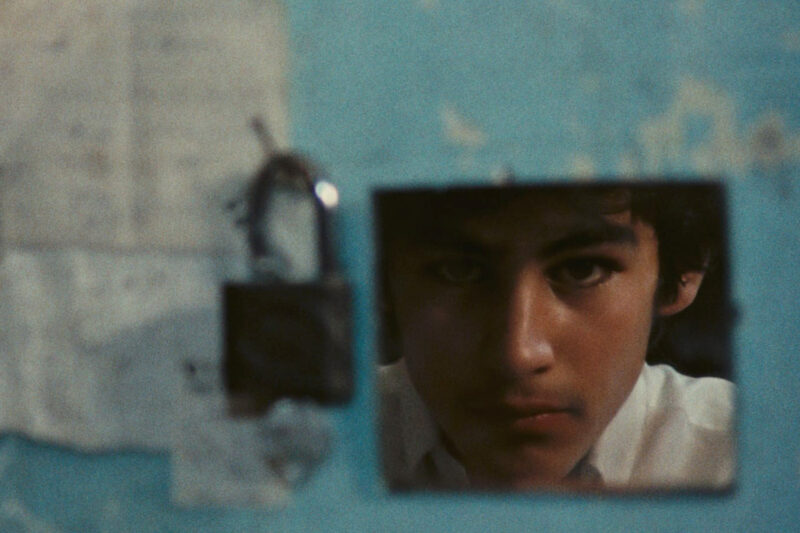


Preparation for the Next Life: love and survival on the fringes of New York
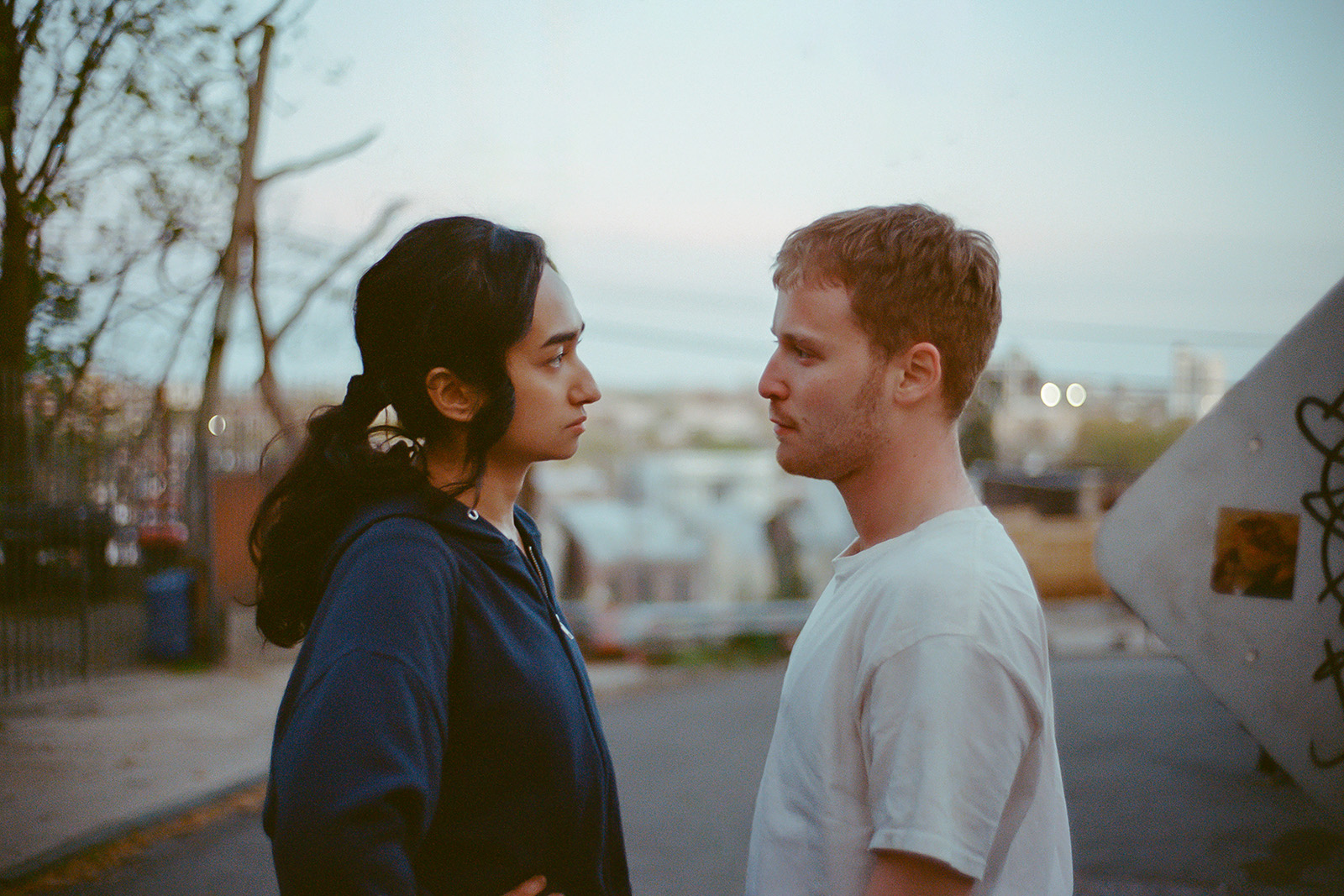
Chinese-American director Bing Liu and Uyghur actor Sebiye Behtiyar on their multilingual story of a young immigrant woman falling for a troubled US soldier

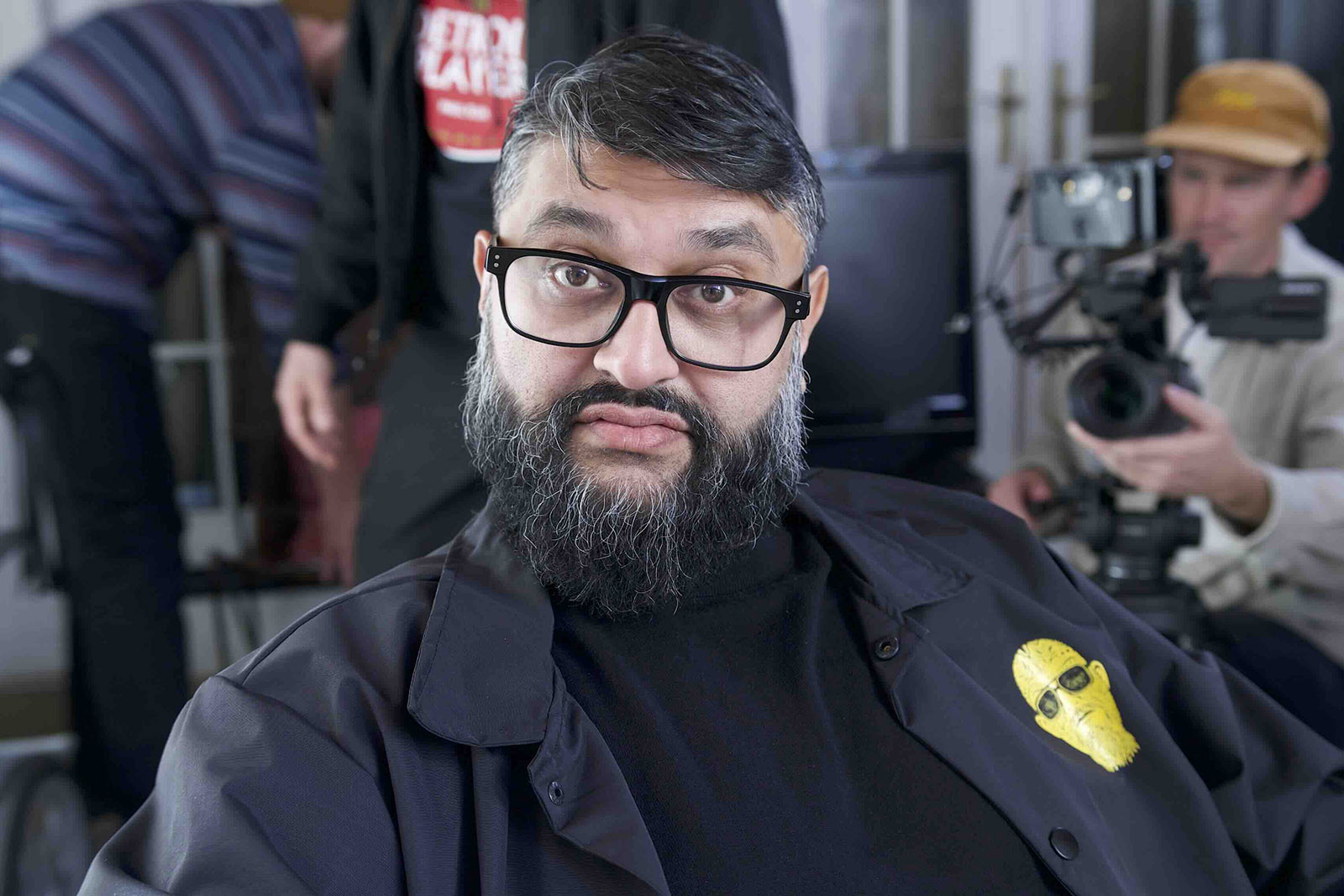
Chinese-American director Bing Liu has always been interested in telling stories of people who’ve been pushed to the fringes. His documentary feature debut, the Oscar-nominated Minding the Gap (2018), followed his childhood skateboarding friends and their shared experiences of growing up in abusive households. His next film All These Sons (2021) documented a youth programme aiming to tackle gun violence in Chicago.
Liu’s first scripted feature Preparation for the Next Life — which is out in UK cinemas from 12 December — explores a different form of storytelling. Based on the novel by Atticus Lish, the film centres on Aishe (Sebiye Behtiyar), a Uyghur woman living without documentation and picking up work in various kitchens and warehouses across New York.
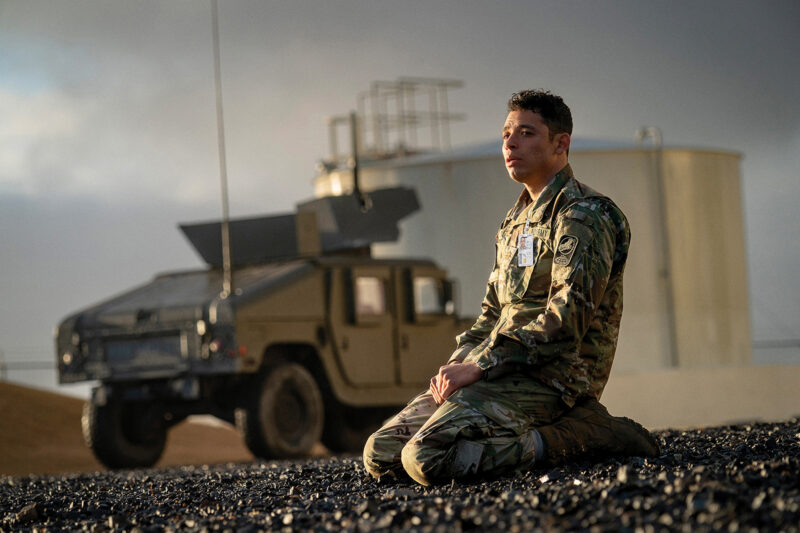
One day she meets Skinner, played by Fred Hechinger (Gladiator II, Thelma), an American soldier traumatised by multiple tours in Afghanistan and Iraq. They fall in love, but the two are driven apart by their struggles on the outskirts of society. As a Uyghur Chinese immigrant, Aishe finds herself isolated from both white Americans and the Chinese migrants she works with, reflecting the tensions caused by the violence against Uyghurs in China.
Shot in Queens, New York, Liu says from the start he approached the feature with “a documentary-like instinct”. “I had to include more explicit context about the communities we were representing in the film,” he says.
“Having spoken to many Uyghur artists, writers and community members around the US, on top of the years of research I’d done while developing the script with screenwriter Martyna Majok, I knew that the Uyghur and Chinese diasporas — like all diasporas — are not monoliths.”
Preparation for the Next Life is as intimate and thoughtful as Liu’s documentary work. Behtiyar is herself of Uyghur descent, born in Ürümqi in the Xinjiang Uyghur Autonomous Region. The mountains that surround her home city similarly loom over Aishe’s memories and dreams in the film.
Behtiyar studied in Shanghai before moving to the US in 2021 to train at SCAD School of Film and Acting. She auditioned for the role of Aishe in her first year as a student, having only performed in some short films at the school.
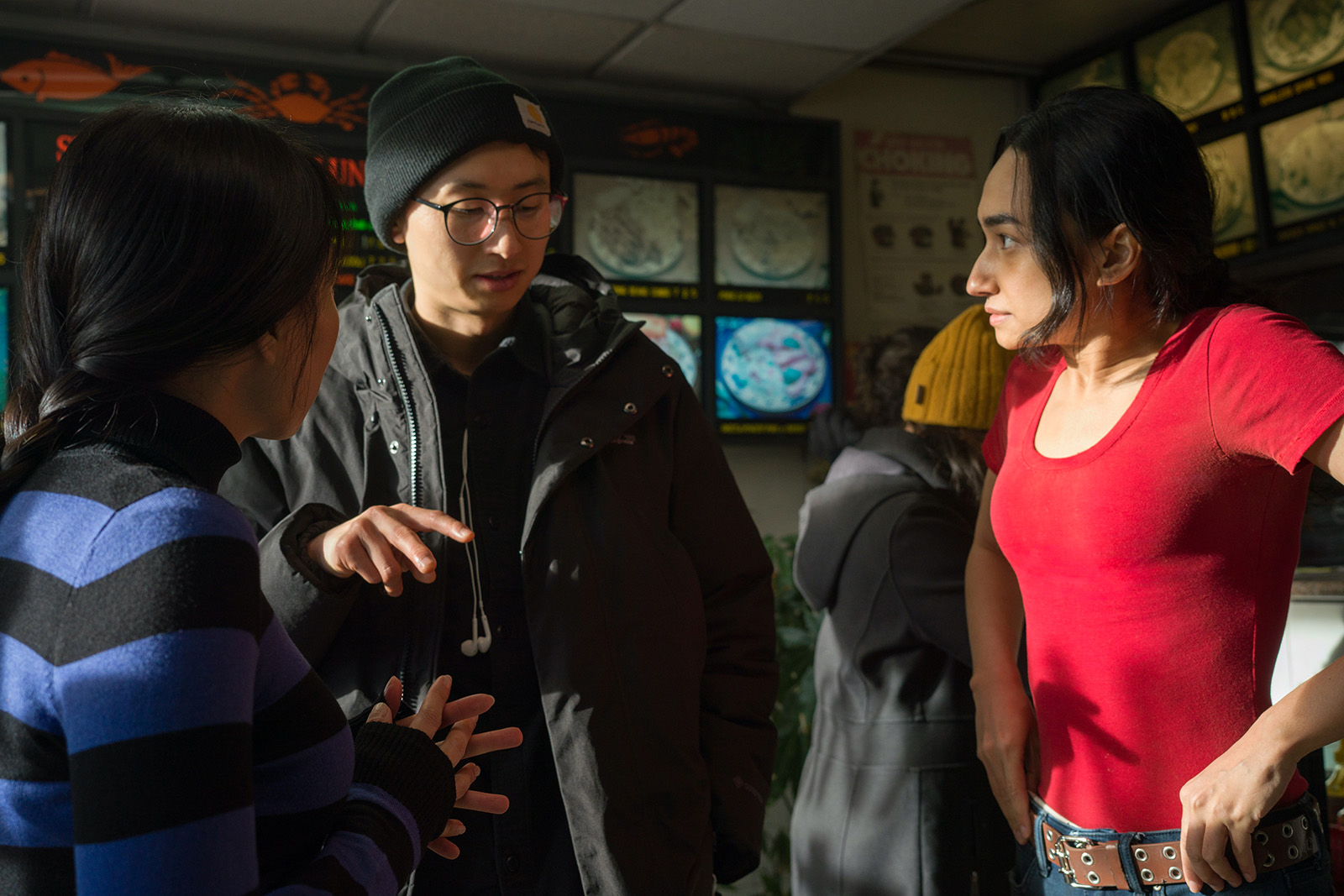
The role felt like the perfect fit as it requires someone who speaks Uyghur, Mandarin and English. “I never expected to come across a role that allowed me to speak all three languages, and especially including my mother tongue,” Behtiyar says. “Honestly, I didn’t think I was ready to take on a character this layered and this demanding. With all this excitement at the time, and there was also a very small moment of self-doubt that I kept asking myself: ‘Can I really do this? Am I good enough?’”
One of the challenges was navigating all languages within her performance. “I think a lot of multilingual people relate to this, that when you’re speaking different languages, it’s like you’ve brought up a different version of yourself.” Though it’s her mother tongue, Behtiyar found her Uyghur to be the weakest of the three, having lived away from Ürümqi for 10 years.
“But for Aishe it’s the opposite,” she says. “It’s her most fluent language, which expresses her truest self, so I went back and corrected my accent. I wanted to bring out the elegance that this language naturally has, and I want this language closest to her soul to sound beautiful and authentic on screen because for her that’s the language she would dream in.”
Behtiyar, who moved to Los Angeles six months ago, related closely to the script. “I still feel the loneliness of being far away from home,” she says. “When I first read it, I couldn’t stop crying, not only because I feel so close to her but also as someone who left home and is trying to build a life far away, I deeply understood her longing and her loneliness.”
Liu was similarly drawn to the story due to the experience of seeing his mother never quite find her sense of belonging in the US.
“There weren’t many folks of Chinese descent in Rockford,” Liu says of the Illinois town where he grew up. “Her life devolved into isolation and loneliness that she dealt with by burying herself in work and spending her free time playing solitaire on the computer for hours and hours. It was crushing to see how much she’d sacrificed and left behind to make it in this country only to never find her place in it.”
Preparation for the Next Life feels particularly pertinent as cities across the US continue to face immigration crackdowns. Immigration and Customs Enforcement’s presence looms over Aishe in the story, and in early December, protesters blocked a raid in New York’s Chinatown, where some of the film is set.
“We’re living in a culture of fear. It’s a really scary time to live in this moment, because you don’t know where history is going to take us,” Liu later said in a statement. “But it feels like a historical moment where it really could go in a very dark, even more restrictive place for the people that are most vulnerable in our country.”
Behtiyar hopes the film will provide some humanity to the experience of immigrants. “I want people to talk about how difficult survival could be,” she says. “And I want people to talk about loneliness, about invisible people in a big city, about women’s strength.”
Preparation for the Next Life is in UK cinemas from 12 December.