

‘Fresh, punk, DIY’: the Muslim theatre-makers thriving on the fringes
Theatre productions outside of mainstream institutions are giving more space to boundary-pushing storytelling from diverse creatives
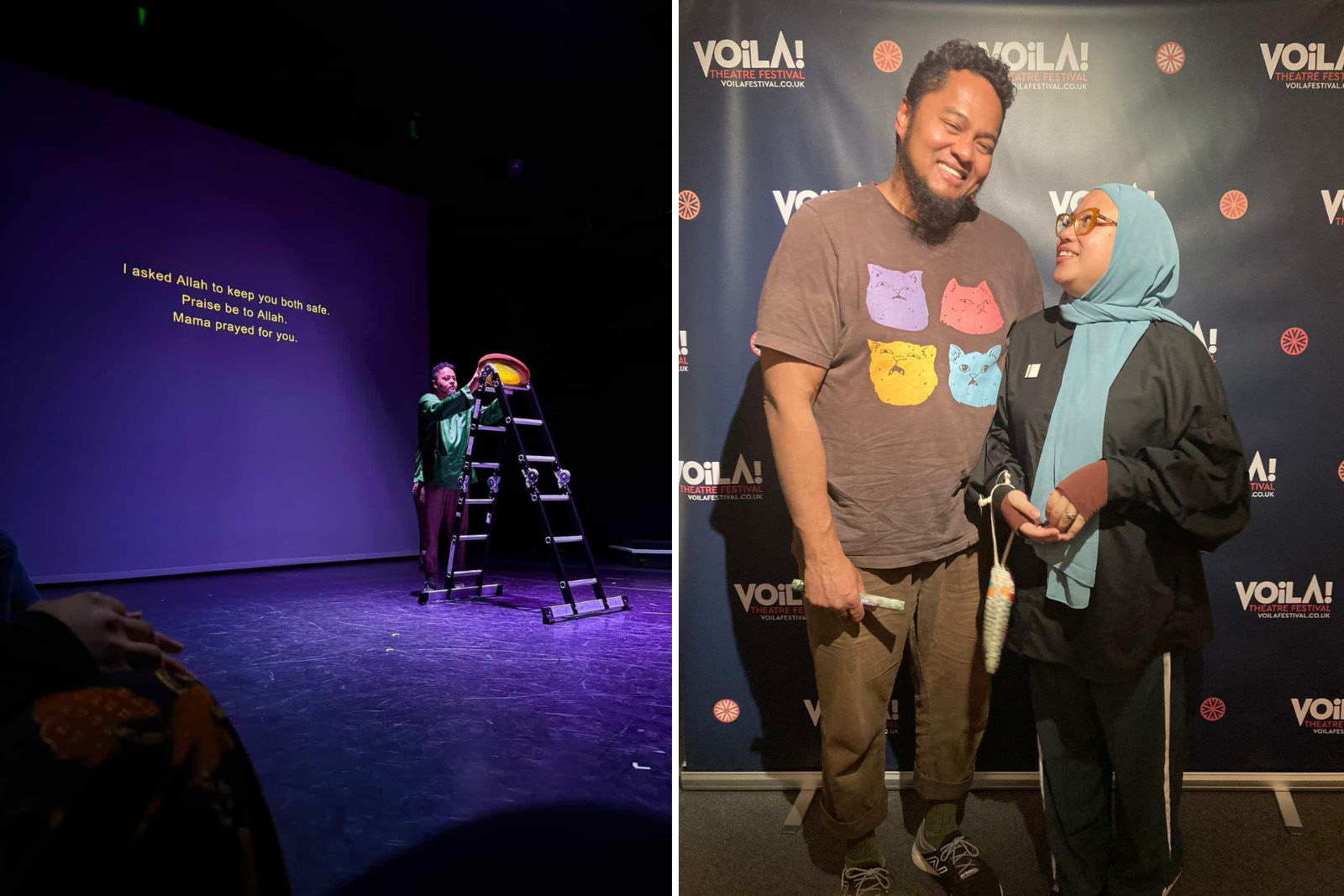
The stage is dimly lit at The Cockpit, a small theatre in Marylebone, London. The spotlight follows actor Faizal Abdullah carrying a kompang, a traditional Malay frame drum.
Over the next hour, Abdullah bounces between nine different personas telling the story of Malay-Singaporean migration to Britain.
Created in partnership with his wife, Nur Khairiyah Ramli, Mendaki is a sequel to Abdullah’s first solo show in 2023, Siapa Yang Bawa Melayu Aku Pergi? (Who Took My Malay Away?), which was shown at the Vault Festival, Migration Matters Festival and the Edinburgh Festival Fringe — events that typically welcome more diverse talent.
The past few years have seen a steady increase in Muslim theatre-makers, particularly among independent productions. Produced outside of mainstream institutions, fringe theatre allows for boundary-pushing stories made by people who might otherwise be sidelined from the arts. A recent study from Creative UK found just 10% of managers and directors in the cultural sector are from ethnic minority backgrounds.
Abdullah and Ramli, who operate as Khai & Faizal, recognise the potential of fringe theatre as a space in which Muslim and minority creatives can tell their stories.
“A lot of people come to the UK and try to make it to the West End,” says Ramli. “But that was never mine or Faizal’s intention. The heart of the story is so important to our practice. It’s also about being accessible to the audience. Whenever we make a show, we think about who it is for. We want to create a community and invite the audience into the conversation.”
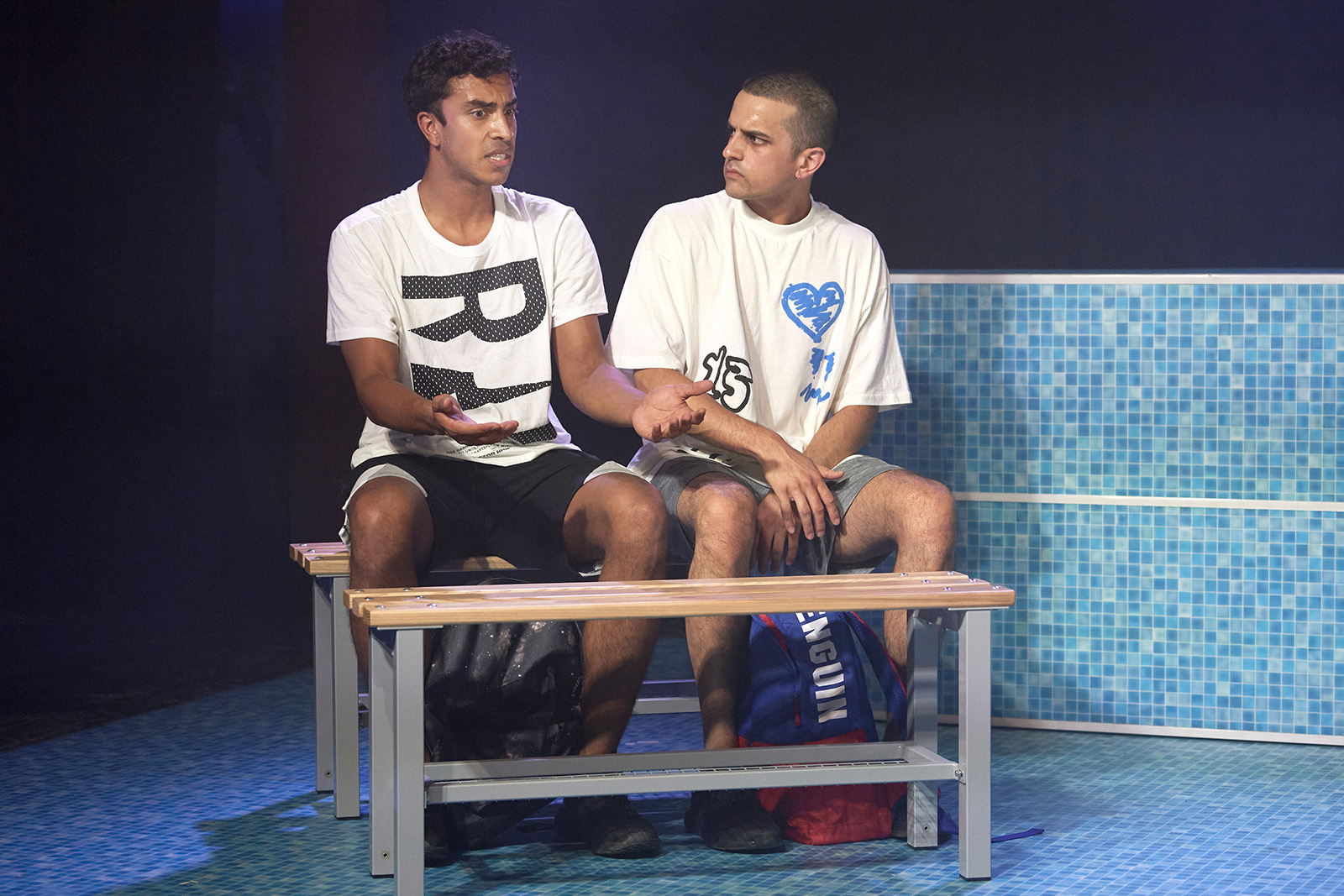
Community is also at the front and centre of award-winning playwright Karim Khan’s work. The Oxford-based writer is known for his sell-out 2022 Edinburgh Fringe show Brown Boys Swim. Since then, the play has had two runs at Soho Theatre in London and a national tour.
“Fringe theatre offers a lot of space to experiment and try things, in a space which feels quite protected and supported,” says Khan. “You’re with creatives who you align with and who want the best for the work. It’s a really great platform to share your stories in a way where your voice isn’t being transformed or distorted into something else.”
As for the transition from fringe to national, Khan believes venues were especially accommodating of Brown Boys Swim because of its prior success.
“I’ve been quite lucky that I’ve not had to modify my stories for the sake of commerciality. But I’ve definitely had experiences before where I’ve tried to find homes for my work and it takes a while for people to essentially put their money where their mouth is,” says Khan.
The majority of fringe theatre productions are self-funded, something that is unlikely to change without urgent intervention — since 2017, funding from UK arts councils has been cut by 16% in real terms.
“You can start from nothing essentially and create your own work, which obviously requires a lot of time and effort,” Khan adds. “But I do think it’s a good place for newer artists because they have control over their work and they’re not trying to negotiate with venues who are the guardians of their stories.”
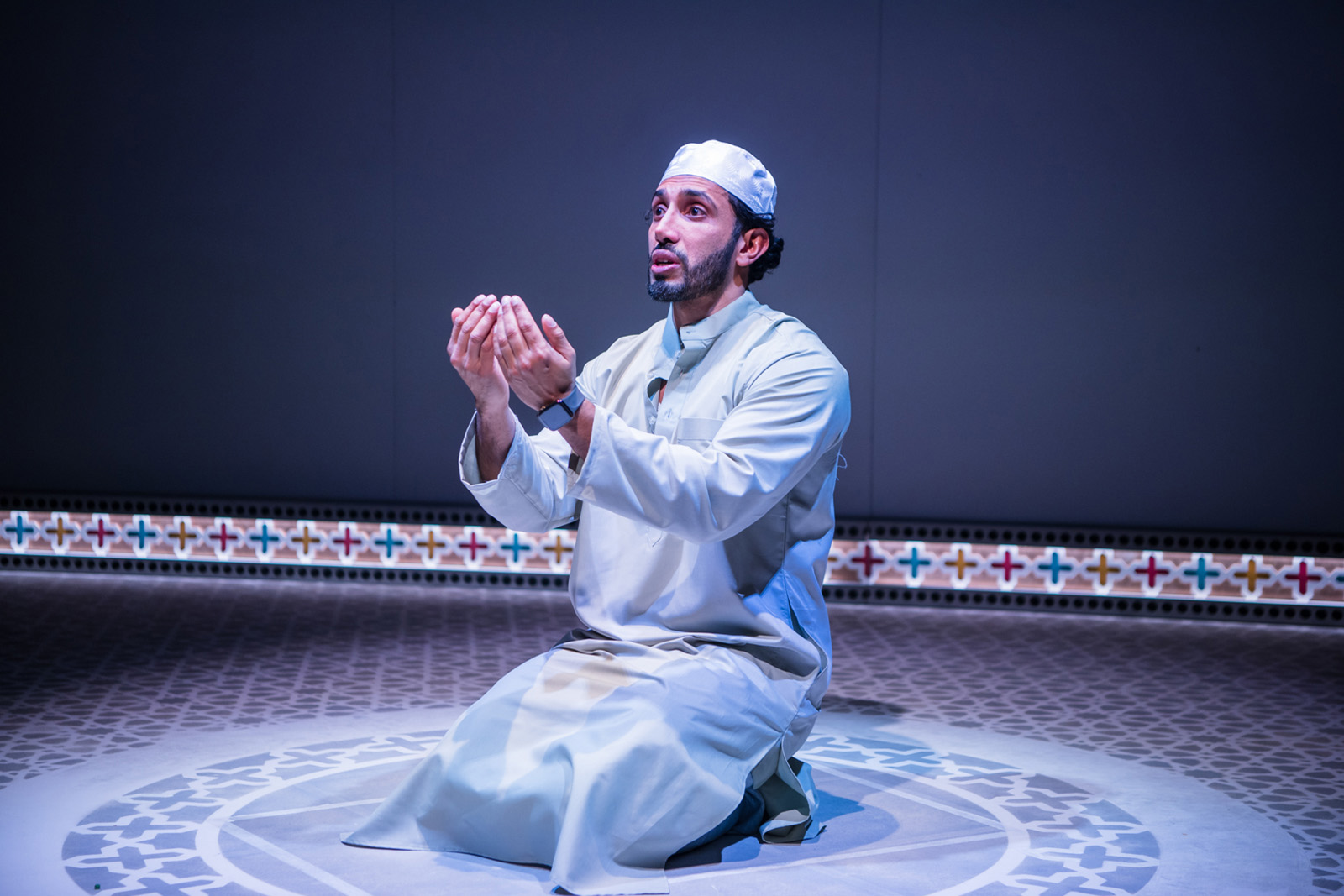
London-based Bangladeshi writer Muhammad Ahmedullah has overseen various community projects that have used the arts to promote anti-racism and social inclusion. “I’m not a normal storyteller,” he says.
In 2006 Ahmedullah co-founded the Brick Lane Circle, a programme that uses drama to educate audiences on Britain’s colonial legacy in Bangladesh.
“We have received a lot of praise from the community, but the one criticism has been in the quality of the productions,” says Ahmedullah. “Typically the budget for these projects is very low, so there’s a lot of challenges. Bigger institutions obviously have more access to experts and resources, but I’ve worked in mainstream sectors in other areas. I know the politics and restrictions of these institutions. This way, I have more freedom.”
While some plays that began off Broadway and the West End and centre the experience of people of colour — such as Hamilton and For Black Boys… — have reached mainstream institutions, audiences for both fringe and mainstream theatre are disproportionately white. That lack of diversity was highlighted earlier this year with the launch of a new scheme by artist LULA.XYZ to diversify audiences at the Edinburgh Festival Fringe. The initiative aims to do so by spotlighting “global majority and non-white artists”.
According to a database managed by Fringe of Colour, a platform dedicated to supporting audiences and artists of colour, fewer than 10% of more than 3,000 Edinburgh Fringe shows “centre artists of colour”. However, the space and demand is clearly growing.
“More establishments should be working to bridge this gap,” says Alessandro Babalola, co-chair and creative associate of Soho Theatre Walthamstow (STW). “We should not only be celebrating the diversity of this country, but investing in it. Because when you invest in diversity, you build connections.”
STW recently launched a writing programme alongside the British Pakistan Foundation, specifically for young writers of Pakistani backgrounds and led by the award-winning playwright Ishy Din.
“Work by Muslim and South Asian artists forms a big part of Soho Theatre’s identity. We’re inviting people to bring new perspectives on storytelling that blend what comes from their cultures, their personal life and growing up in Britain. So you end up getting this beautiful splice of storytelling styles,” Babalola says.
Related content
As an actor and director who started in fringe theatre, Babalola also emphasises its importance within the wider cultural landscape. “Without fringe, you lose the heart of London theatre because everything starts there. It’s important that we, as a theatre, don’t lose our connection to fringe.
“Part of what makes Soho Theatre beautiful is that even though it’s a West End theatre, we still have that fringe quality. In many ways, we represent the energy of fringe, which is fresh, punk, energetic, raw and DIY.”
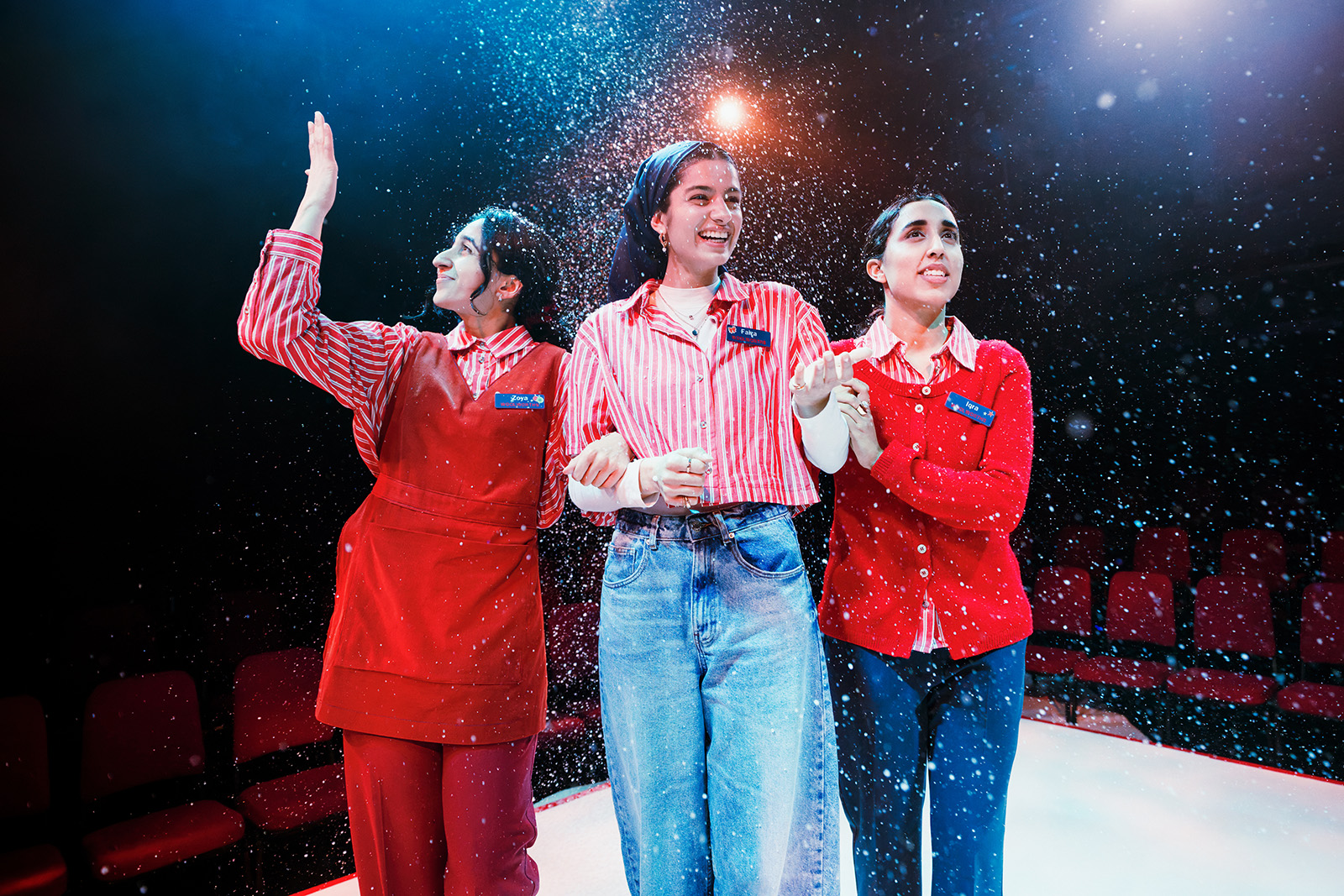
For his latest show, Khan — who is also a Soho Theatre Writers’ Lab alumnus — shares the story of two Pakistani migrant women working at a branch of Woolworths in the run-up to Christmas in 1999. The production, Before the Millennium, is running in his own home town of Oxford.
“Sometimes we fall into the trap of telling traumatic stories associated with being Muslim, as opposed to leaning into the joy or the mundane and everyday,” says Khan. “I never thought I’d be able to write a Christmas show about Muslims and South Asians, and to write about what it means to celebrate through our lens.
“I’m so grateful that I get to tell that story. And I’m really determined to get this play out to the community, because I know they exist.”
Karim Khan’s play Before the Millennium is on at the Old Fire Station in Oxford until 21 December.