Plans to scrap jury trials have unleashed fury within Labour
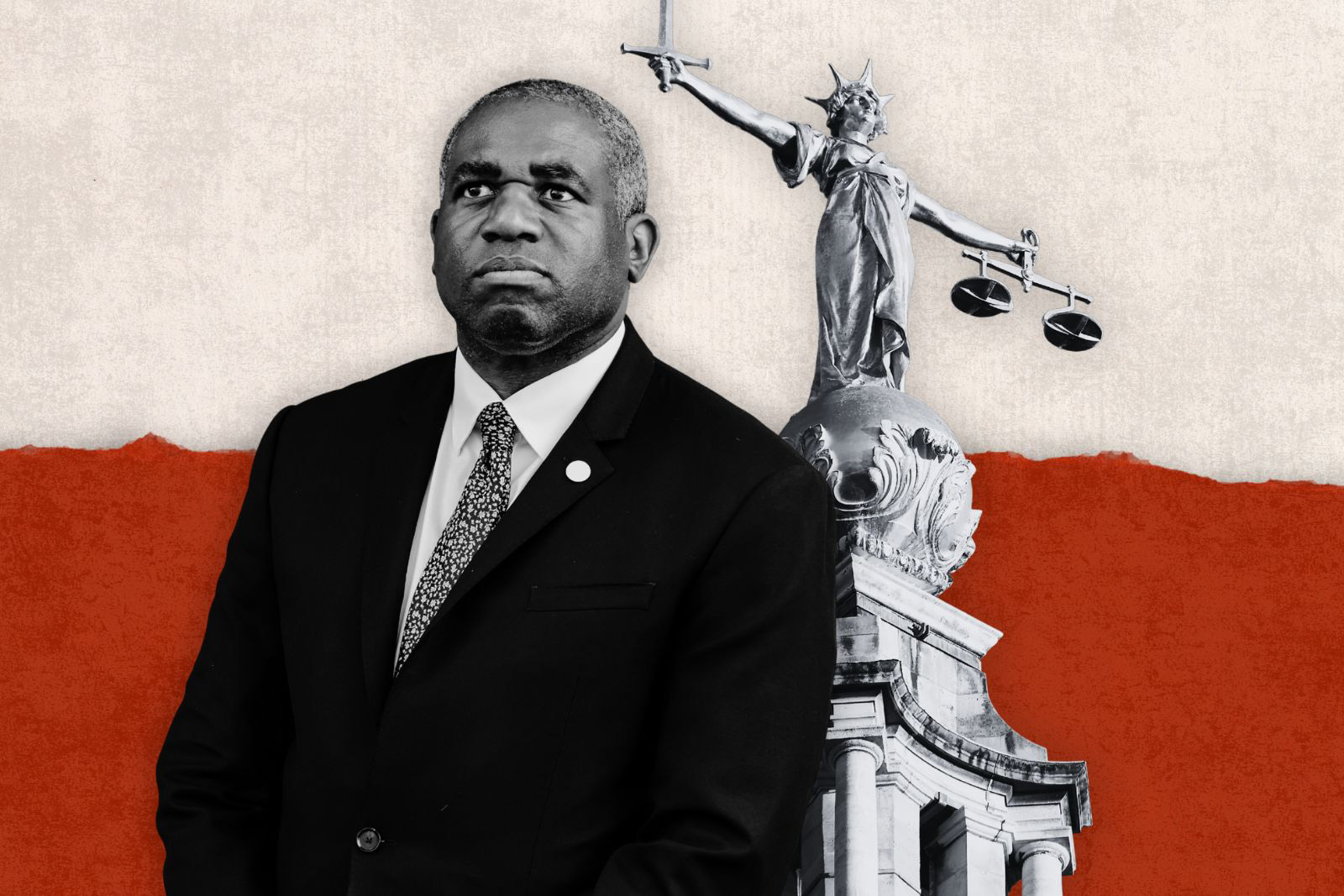
David Lammy’s proposals to restrict the right to trial by jury to the most serious criminal cases have angered even loyal backbenchers

Outrage has hardly been in short supply in Westminster recently, but the fury unleashed this week within Labour’s own ranks and beyond over David Lammy’s criminal justice reforms is deeper — and arrives at a moment when the government is already going through a brutal time.
For many Labour MPs I have spoken to, Lammy’s plan to restrict the right to jury trial is not simply a policy disagreement but a betrayal of a fundamental principle of British justice, one they are struggling to see the benefit of.
The justice secretary insists his proposal is a pragmatic response to a system at breaking point. Crown court backlogs stand at nearly 80,000 cases and are projected to exceed 100,000 within a few years. Some defendants, including those accused of serious offences, have trial dates for 2029 or even 2030.
Related content

Those close to Lammy argue that victims and witnesses are losing faith while defendants, some held on remand, wait years only to be acquitted later. Swift justice, Lammy argues, is essential justice. He told me himself that he fundamentally believes in the principle that justice delayed is justice denied.
His solution is to remove a defendant’s choice of jury trial in either-way offences that are likely to result in sentences of three years or less, extend magistrates’ sentencing powers to 18 months and create a new tier of judge-led “swift courts”. He believes, evidently, that the scale of the problem demands structural change.
For many of Lammy’s colleagues, however, the government is trampling on a cherished principle that dates back more than 800 years to Magna Carta: the right to be judged by one’s peers.
In the Commons, Labour MP Stella Creasy noted that jury trials make up only about 3% of criminal cases and questioned how curtailing them could meaningfully reduce the backlog. Another backbencher from the party told me they had concerns that those from disadvantaged or ethnic minority backgrounds would be more likely to end up in front of magistrates or judges who do not look like them or understand their lives, while a jury is likely to be more reflective of wider society.
The number of Labour MPs who are adamantly opposed is not small. Karl Turner, who has only defied the whip four times in thousands of votes since 2010, says he will vote against this and believes there is enough support to stop it in the Commons. One Labour MP told me that they do not believe that Keir Starmer, a former director of public prosecutions, will actually go through with it. They predicted yet another U-turn.
Perhaps most awkward for Lammy is that some of the sharpest ammunition comes from his own past. In 2017, he argued in his landmark review on race and criminal justice that juries act as a filter for prejudice and outperform other parts of the system on fairness. In 2020 he went further, saying criminal trials without juries were a bad idea and that you could not fix the backlog with trials that would be widely perceived as unfair.
The justice secretary has already retreated from the most radical suggestion revealed in a leaked memo last week, which proposed stripping jury trials from all cases with maximum sentences under five years.
One senior lawyer I spoke to this week was adamant that the changes would not address the backlog at all. They and other opponents of the scheme from within the legal profession tell me that removing juries from thousands of cases is a blunt instrument aimed at the wrong target.
They point to structural decay stemming from years of underinvestment and the spiralling complexity of digital evidence. Others highlight the growing number of defendants representing themselves due to cuts in legal aid, which slows down proceedings. The Criminal Bar Association said the proposals brought a wrecking ball to a system that is fundamentally sound and that juries have not caused the backlog.
Related content

The experts I’ve asked have also pointed to the fact that juries have delivered acquittals on conscience grounds in the past in cases ranging from anti-racist marches and self-defence to climate protest, outcomes they say would have been unlikely in a judge-only forum. Juries are more likely to be understanding and sympathetic to these causes, they argue, than judges who are predominantly from a wealthier and more conservative social background. There are fears that restricting jury trials will disproportionately harm defendants who already distrust the system, and raise the risk of wrongful convictions.
While the government is adamant this is needed, the strength of opposition has been such that one journalist at the daily Downing Street briefing asked the prime minister’s spokesperson to name a single supporter of the proposals who was not linked to the government. It was a scathing question and an indication of the wider mood.
The government’s challenge is clear. It knows it must deliver radical change quickly to an electorate that is already frustrated. Pressure is building on multiple fronts, the NHS, policing, the economy and justice among them. Finding solutions will not be easy, but the future of the government depends on it.
Shehab Khan is an award-winning presenter and political correspondent for ITV News.