

UK Asian Film Festival 2026 preview: art as a warning against indifference
Ghost School and Shadowbox, screening at this year’s festival, are two deeply affecting portraits of women navigating impossible circumstances

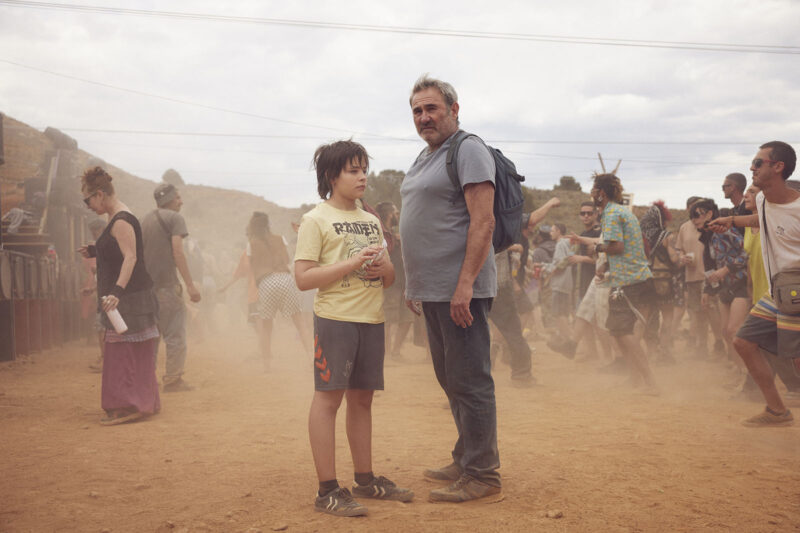
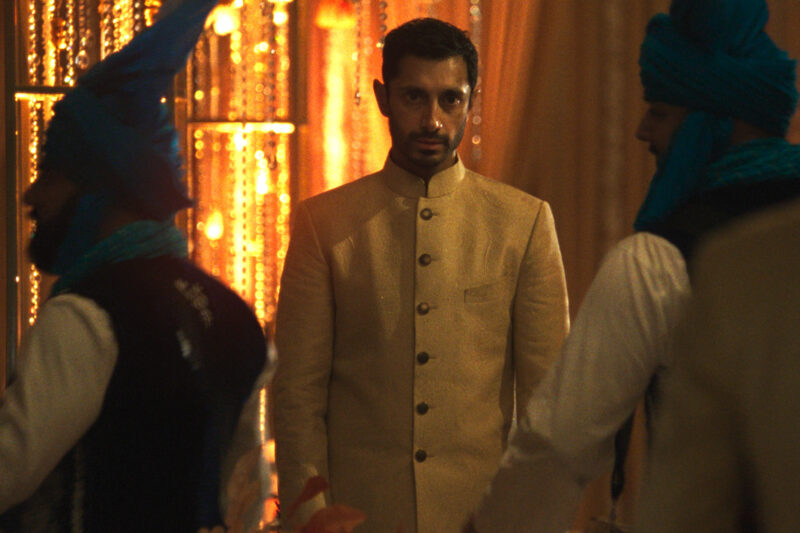
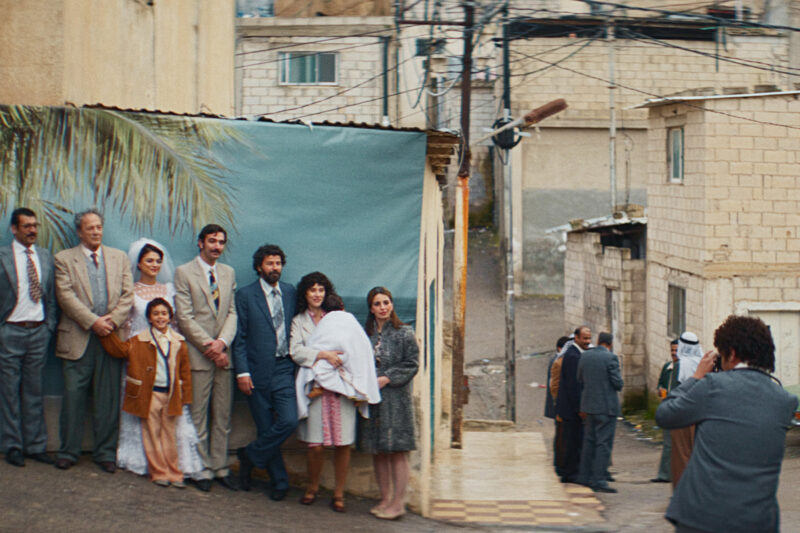
The world’s longest-running South Asian film festival outside of the subcontinent returns for its 28th year, with a programme that feels uncannily attuned to the present moment. Running from 1-10 May across London, Leicester, Warwick and Cumbernauld, this year’s theme is Stories That Bind Us — films about the ties that hold people together, the fractures that threaten them and the often painful work of repair.
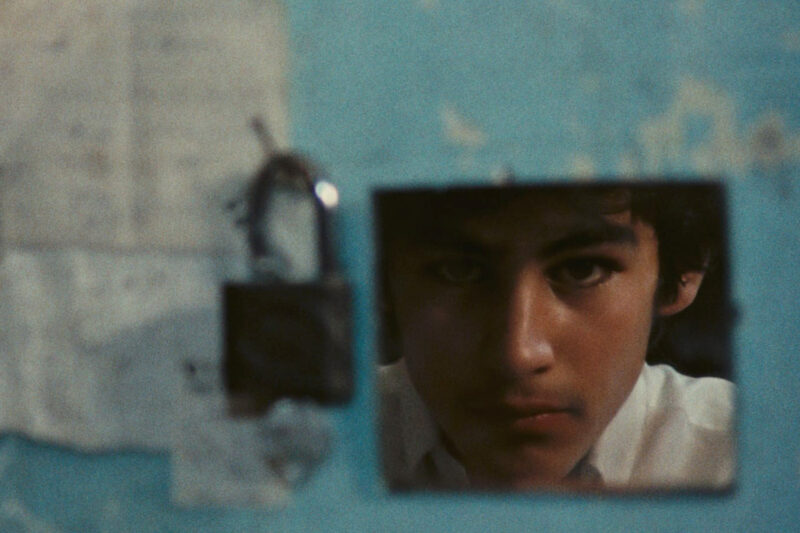
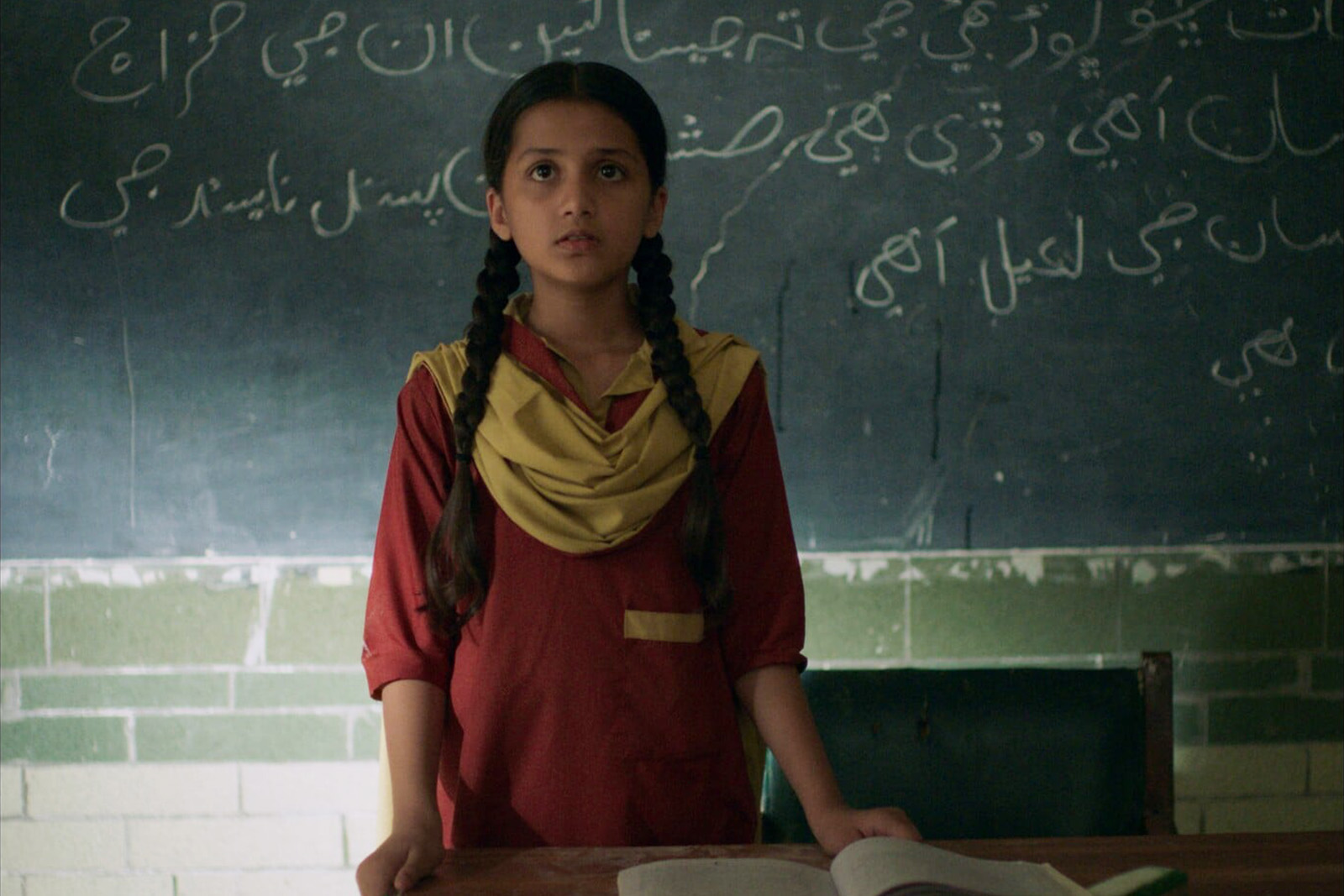
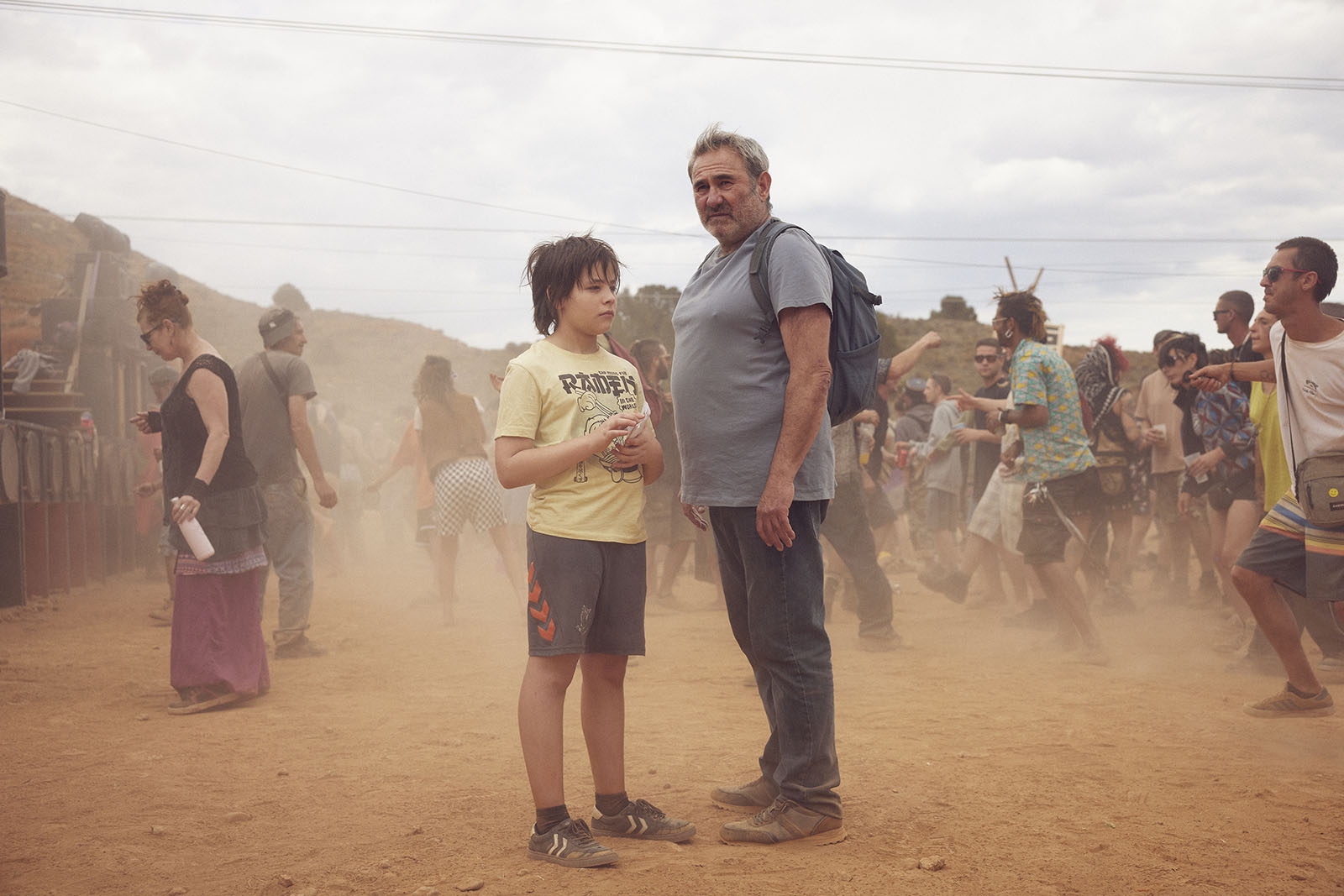
The festival opens at BFI Southbank with the UK premiere of Seemab Gul’s Ghost School, a quietly devastating debut that already carries significant acclaim as Pakistan’s sole selection for this year’s Toronto International Film Festival. Set in rural Pakistan, the film follows 10-year-old Rabia, who arrives at school one morning to find the gates shut, the teachers gone and the adults around her offering little more than shrugs.
Related content

The premise has the shape of a mystery, but Gul uses it to expose the realities of Pakistan’s “ghost schools” — abandoned institutions that exist only on paper yet still receive government funding, failing the children they were meant to serve. Around Rabia, rumours swirl of curses and jinn, but the real forces at work are corruption, bureaucracy and neglect.
What makes Ghost School so compelling is the way Gul filters these failures through a child’s perspective. Rabia moves through her village with a stubborn determination, questioning everyone she meets with blunt clarity. The film recalls the child-centred quests of many Abbas Kiarostami films, such as Where Is The Friends House (1987). The Iranian director was known for building narratives around young protagonists, understanding that children can perceive injustice with startling lucidity.
Nazualiya Arsalan gives a remarkable performance as Rabia, capturing both the restlessness of childhood and the dawning understanding that the world is not arranged in her favour. For Rabia, the closure of the school is not merely an inconvenience. Education represents the possibility of a life outside of societal norms, where girls are expected to disappear into domesticity. Gul makes this painfully clear in fleeting moments: a neighbour casually discussing an upcoming wedding, a mother too exhausted to entertain dreams of anything different. Rabia’s determination becomes not simply admirable, but necessary.
While Ghost School follows a girl fighting to preserve her future, the festival’s closing film examines what it means to hold a family together when the past refuses to loosen its grip. Directed by Tanushree Das and Saumyananda Sahi, Shadowbox is an intimate, deeply affecting portrait of a woman in Kolkata trying to survive the fallout of her husband’s trauma.
Tillotama Shome plays Maya, who supports her family through a relentless succession of jobs while caring for her husband Sundar, a former army officer is incapacitated by severe PTSD and alcoholism. Maya moves through the film with the practised efficiency of someone who knows that if she stops, everything else will collapse. She irons clothes through the night, cleans houses by day and still finds the emotional reserves to coax Sundar towards some semblance of stability.
Then Sundar disappears, and when his drinking companion is found murdered, he becomes the chief suspect.
The thriller elements are secondary to the film’s portrait of caregiving and exhaustion. Das and Sahi are more interested in the quiet attrition of Maya’s life than the mechanics of the mystery: the judgment of neighbours, the resentment of relatives and the impossible burden of remaining hopeful when hope no longer feels rational.
Shome gives a performance of extraordinary restraint. Maya’s suffering is contained in the small things: the speed with which she moves through her day, the flicker of panic when the phone rings, the simple fact that she keeps going because there is no other option.
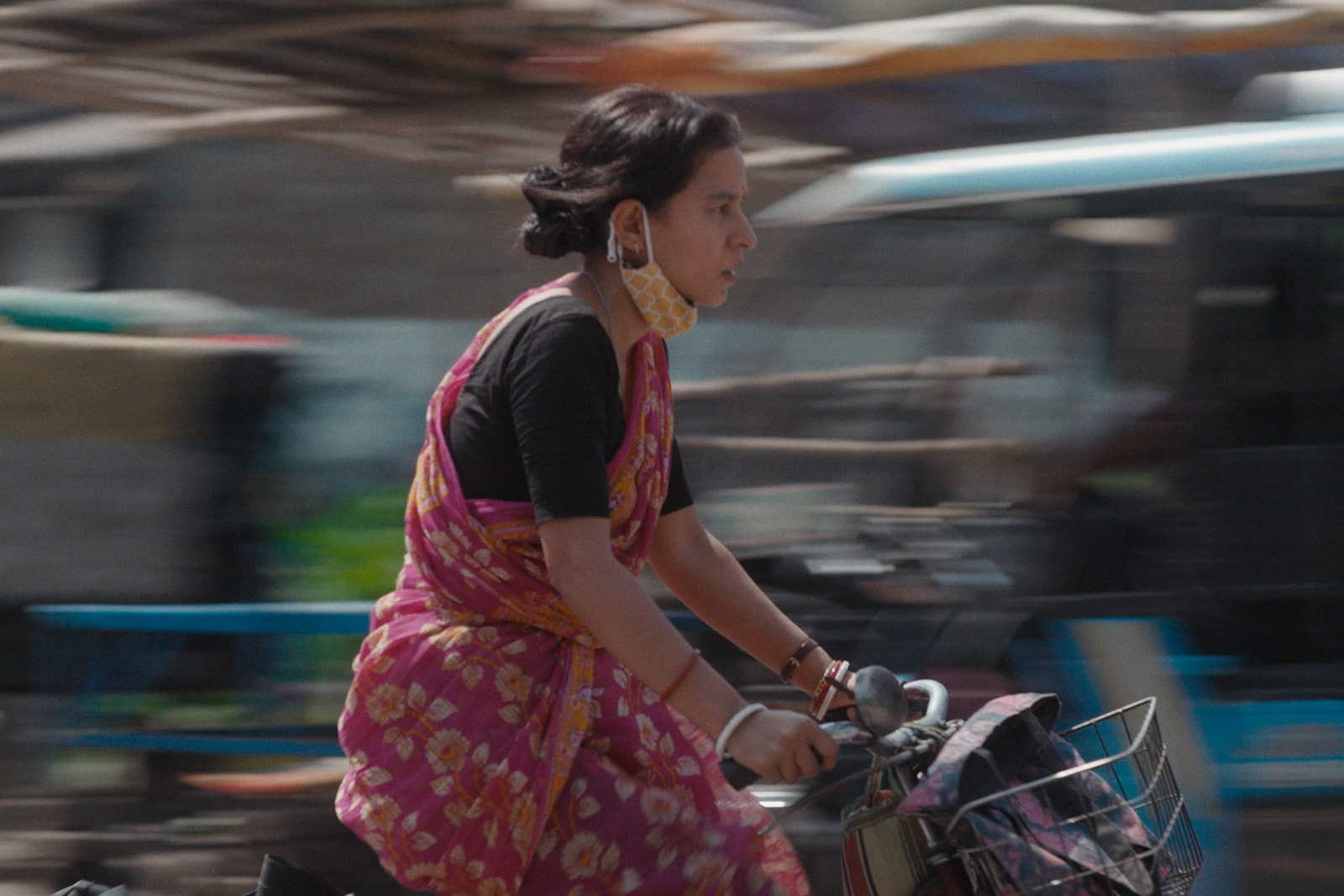
Shadowbox handles mental illness with unusual sensitivity, refusing both melodrama and easy redemption. Instead, it becomes a film about resilience, and about the complicated, often thankless labour of loving someone who is in pain.
Alongside these contemporary works, the festival offers a reminder of the richness of South Asian cinema history with a screening of Muzaffar Ali’s Umrao Jaan in its newly restored 4K version at BFI IMAX. Released in 1981, Umrao Jaan remains one of the great achievements of Hindi cinema: a ravishing portrait of a courtesan and poet navigating love, betrayal and exile in 19th-century Lucknow.
Rekha, who won a National Film award for her role, delivers one of the most exquisite portrayals in Indian film. As Amiran, abducted as a child and transformed into the celebrated courtesan Umrao Jaan, she conveys yearning, dignity and devastation with extraordinary elegance.
Umrao Jaan feels particularly resonant within this year’s programme, speaking to similar themes of identity and survival. Like Rabia in Ghost School and Maya in Shadowbox, Umrao is a woman trying to assert herself within systems designed to confine her. The specifics may differ, but the emotional terrain remains familiar.
These are films about women navigating impossible circumstances, about communities shaped by violence and neglect, and about the stories people tell in order to endure.
In that sense, Stories That Bind Us feels less like a theme than a warning against indifference — and a reminder that the stories we choose to pay attention to can still change the way we see the world.
The UK Asian Film Festival 2026 runs from 1-10 May in venues across London, Leicester, Warwick and Cumbernauld.