

In a world that expects the opposite from us, the joy of Muslim women is radical
Shahed Ezaydi on the harms of white feminism and why she wrote her debut book The Othered Woman
I have never hidden my faith, but I have still come across people who seem shocked or surprised that I am Muslim. Many of these experiences have been interactions with older white women in feminist spaces, especially in my early 20s, when I was involved with feminist-led organisations in Sheffield. Each year, my team and I would spend months planning an events programme for Women’s History Month and every year, I would see shock and surprise from some attendees that I was not only involved, but often in a leading role “Well, good for you,” one woman said, clearly taken aback.
What was it that made them think I wasn’t a Muslim? The way I look because I don’t wear a hijab? That I’m not afraid to share my opinions? That I work in a white, male-dominated industry? Or perhaps they spotted me laughing with a colleague and my happiness doesn’t fit into their perceptions of a Muslim woman?
I still have to navigate awkward and sometimes uncomfortable interactions in some feminist spaces. I’ve had difficult conversations with people that elicit reactions of defensiveness or accusations of racism when talking about white feminism and its harms. This term refers to a type of feminism that focuses exclusively on white middle-class women and prioritises individual power over collective liberation. It assumes that white women experience misogyny in the same way all women experience misogyny. But that is not the case and is therefore an exclusionary approach to tackling gender inequality.
Specifically, Muslim women are left out of this form of feminism. It has also fed many of the negative stereotypes and myths that affect our lives, including the belief that oppression of Muslim women is rooted only in our faith. I often think back to an interview on BBC Woman’s Hour in 2021 with the then newly elected general secretary of the Muslim Council of Britain, Zara Mohammed.
Presenter Emma Barnett steered the conversation to questions about female imams and the exclusion of some Muslim women from society, rather than Mohammed’s historic appointment as the first woman to be elected to the post. Barnett persisted with her line of questioning even after Mohammed stated she didn’t know the answers to her questions.
This interview was widely criticised by high-profile figures (both Muslim and non-Muslim) and an open letter stated that Barnett “appeared intent on reinforcing damaging and prejudicial tropes” about Islam. Many of us saw our own experiences reflected in the way she approached her questions to Mohammed.
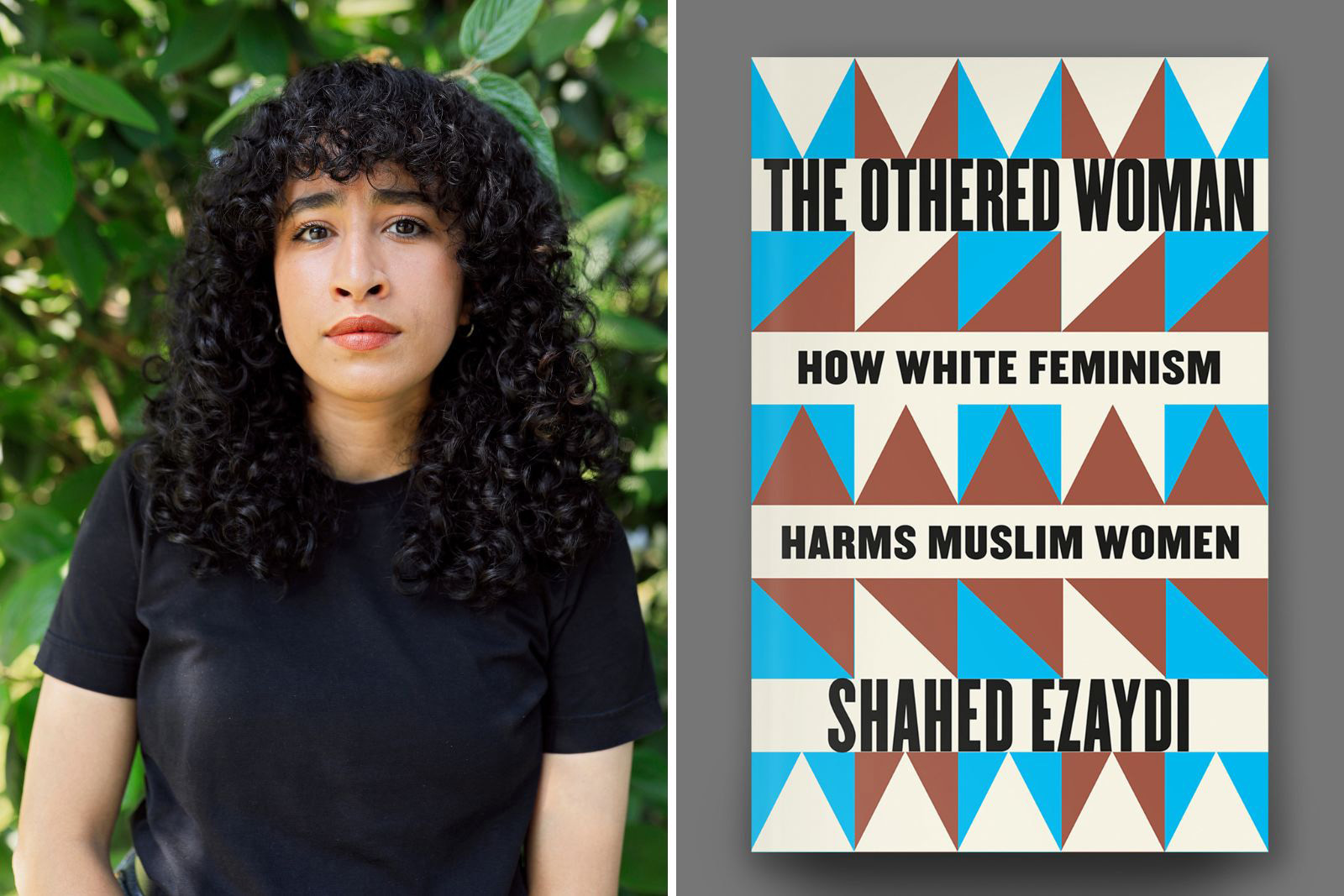
That’s why I began writing my debut book, The Othered Woman, which explores and interrogates the impact of white feminism on Muslim women, specifically how this way of thinking harms us. In my book, I expose the myths and stereotypes it has created or reinforced, such as the perception that Islam is the only oppressive force in a Muslim’s life and the way the hijab has become politicised.
It’s rare to read about the lives and experiences of Muslim women without negative stereotypes, offensive language or a saviour perspective. Research from the Centre for Media Monitoring found that nearly 50% of all articles about Muslims in the UK — around 20,000 pieces — contained measurable bias in 2025. Across all 40,913 articles analysed in the study, 70% associated Muslims or Islam with negative aspects or behaviours.
News articles that suggest all Muslim women are forced to wear the hijab, that family voting disproportionately impacts our communities and presents us as women who do not speak for ourselves. But we are not being given the space and opportunity to tell our own stories.
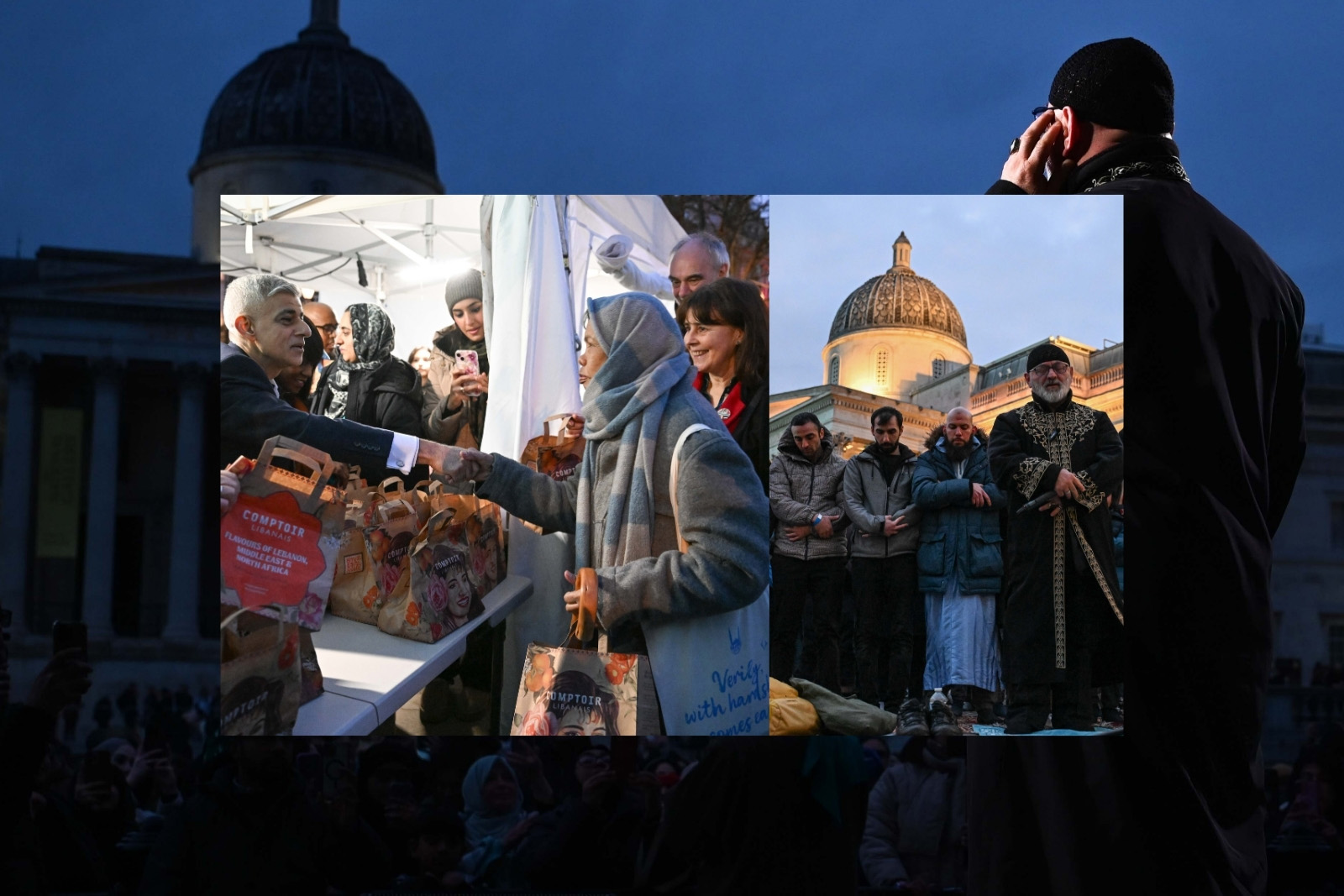
In March, for example, the shadow justice secretary Nick Timothy referred to an open iftar event organised by the Ramadan Tent Project, as an “act of domination” and “straight out of the Islamist playbook”. Since then, politicians including Reform UK’s Robert Jenrick have criticised the fact that Muslim men and women were praying separately, stating that this perceived inequality was at odds with British values. The belief that Islam is oppressive to women and isn’t compatible with British life or gender equality is the exact narrative that white feminism pushes regarding Muslim women.
White feminism has pushed Muslim women into a harmful box that assumes we are weak, submissive, unintelligent and oppressed. We are the opposite. We are women who have fundamentally changed this world for the better by making early contributions to the fields of medicine and astronomy, through pioneers such as Rufaida Al-Aslamia and Maryam Al-Ijliya, or fighting on the frontlines of protest movements from the Arab Spring to the civil war in Sudan.
In the context of the discrimination we face in society, there’s a particular radicalness to a Muslim woman’s hope and joy. You only have to walk into any mosque during Ramadan and see us coming together to pray, break fasts and talk for hours each night.
My own mother, despite experiencing several Islamophobic incidents over the years, has never stopped feeling joyful. She is the woman who taught me about the abundance of women’s rights in Islam and encouraged me to learn more from feminist thinkers such as Angela Davis and Lila Abu-Lughod, whose names we weren’t taught at school.
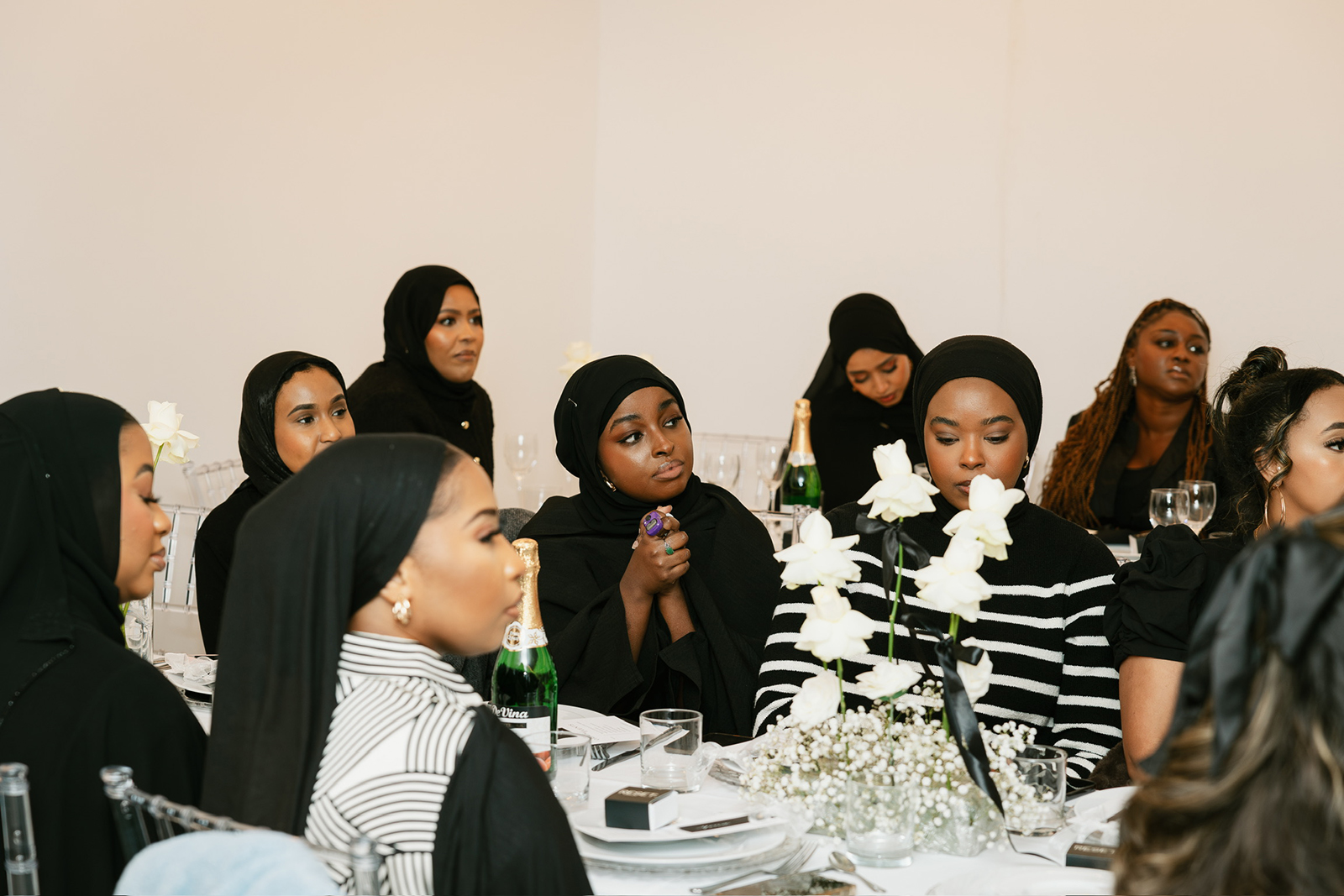
That is the main reason why I wanted to end The Othered Woman on a hopeful note, highlighting the many inspiring Muslim women within our community and reflecting the resilience and happiness we share. There’s Anwar Ditta, a campaigner who fought back against the Home Office and the British government in the 1980s, when they separated her from her three children in Pakistan. Fatima al-Fihri, who in 859 founded the world’s first and oldest university in Morocco. There are the Three Hijabis who have been campaigning for accessibility in sport since 2021.
Not only does Islam encourage light and optimism in how we conduct ourselves in this world — even a smile is a good deed — it also allows us to imagine a bigger and better world for everyone. If I’m able to believe in angels and jinn, then I’m able to believe in a world free from oppressive forces such as racism and misogyny.
In a world that expects the opposite, it is radical and liberating for Muslim women to push past these stereotypes and to live a joyful life.
The Othered Woman: How White Feminism Harms Muslim Women by Shahed Ezaydi is published by Pluto Press.