

Film-maker Rehana Zaman on the lands that inspire her
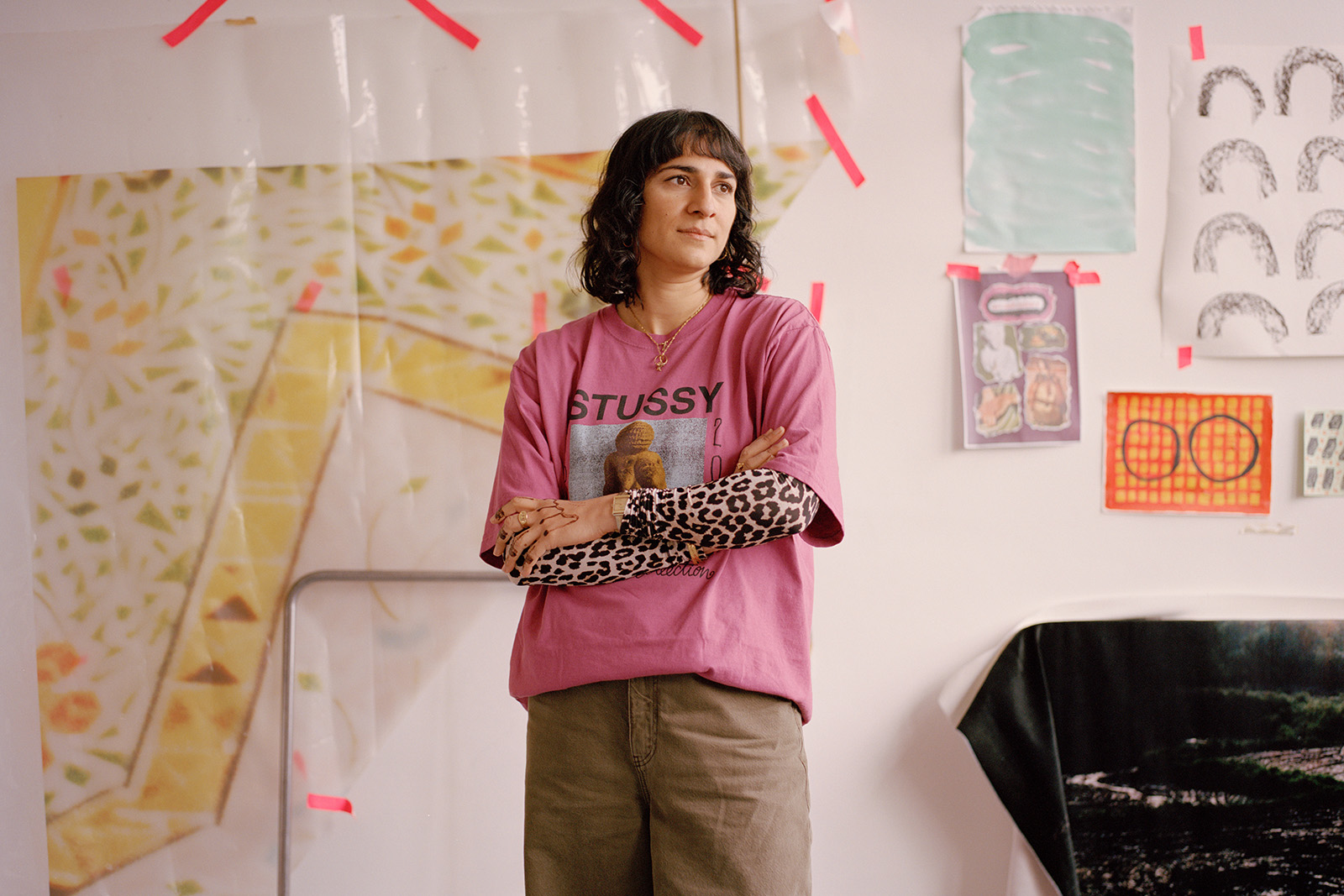
The artist’s latest body of work — two films examining questions of land ownership, immigration and labour — will be touring galleries across the UK and Ireland throughout the year

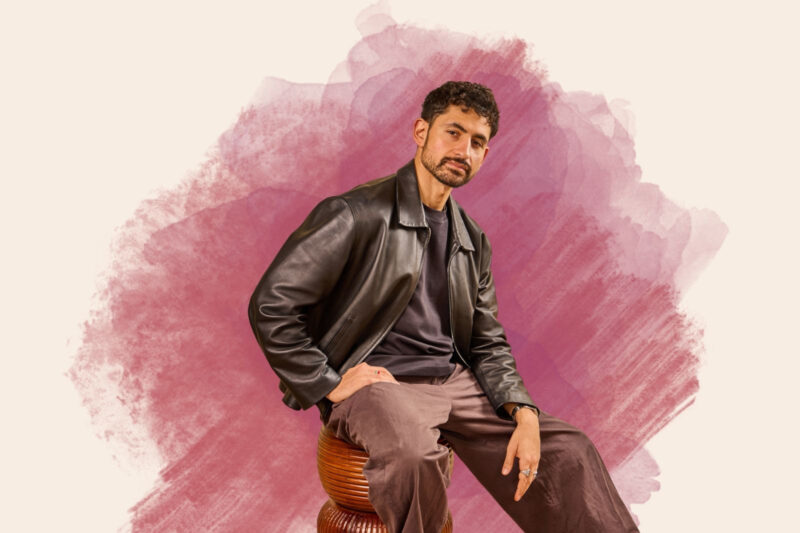
In 2020, London-based artist and film-maker Rehana Zaman was on a residency in Scotland when she encountered a number of berry farms along the eastern coast. Stretching out across the cliffs of Arbroath and the neighbouring towns were acres of plastic-covered polytunnels. The visual dissonance between the opaque arches and the dramatic, green coastline was an odd sight, she recalls.
Many of the farms were staffed by workers on a seasonal visa, from countries such as Nepal, Kenya, Tajikistan, Uzbekistan. Housed inside small caravans, the workers spend months in constricted living conditions.
“The farms felt like a world within a world,” she tells me.
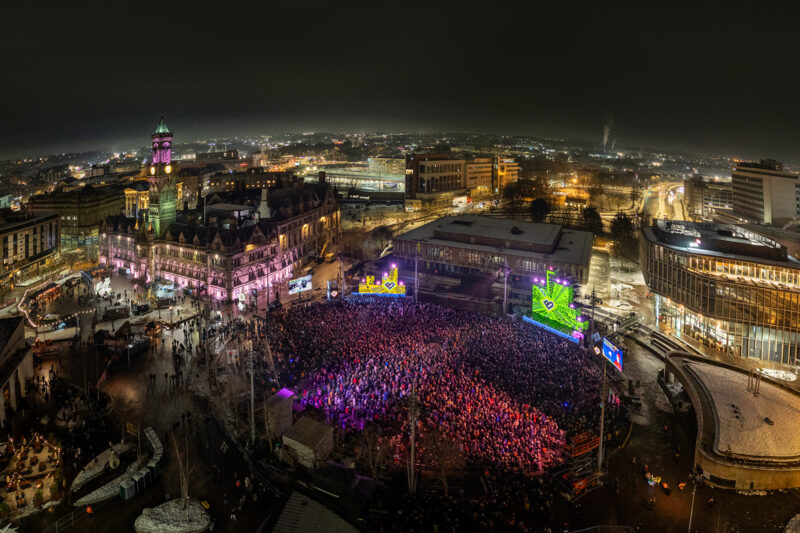
A grower herself, Zaman’s experience in Arbroath planted an idea for a body of work investigating the state of industrial farming, which is now on show at Sheffield’s Site Gallery, and will tour across the UK and Ireland until April 2027.
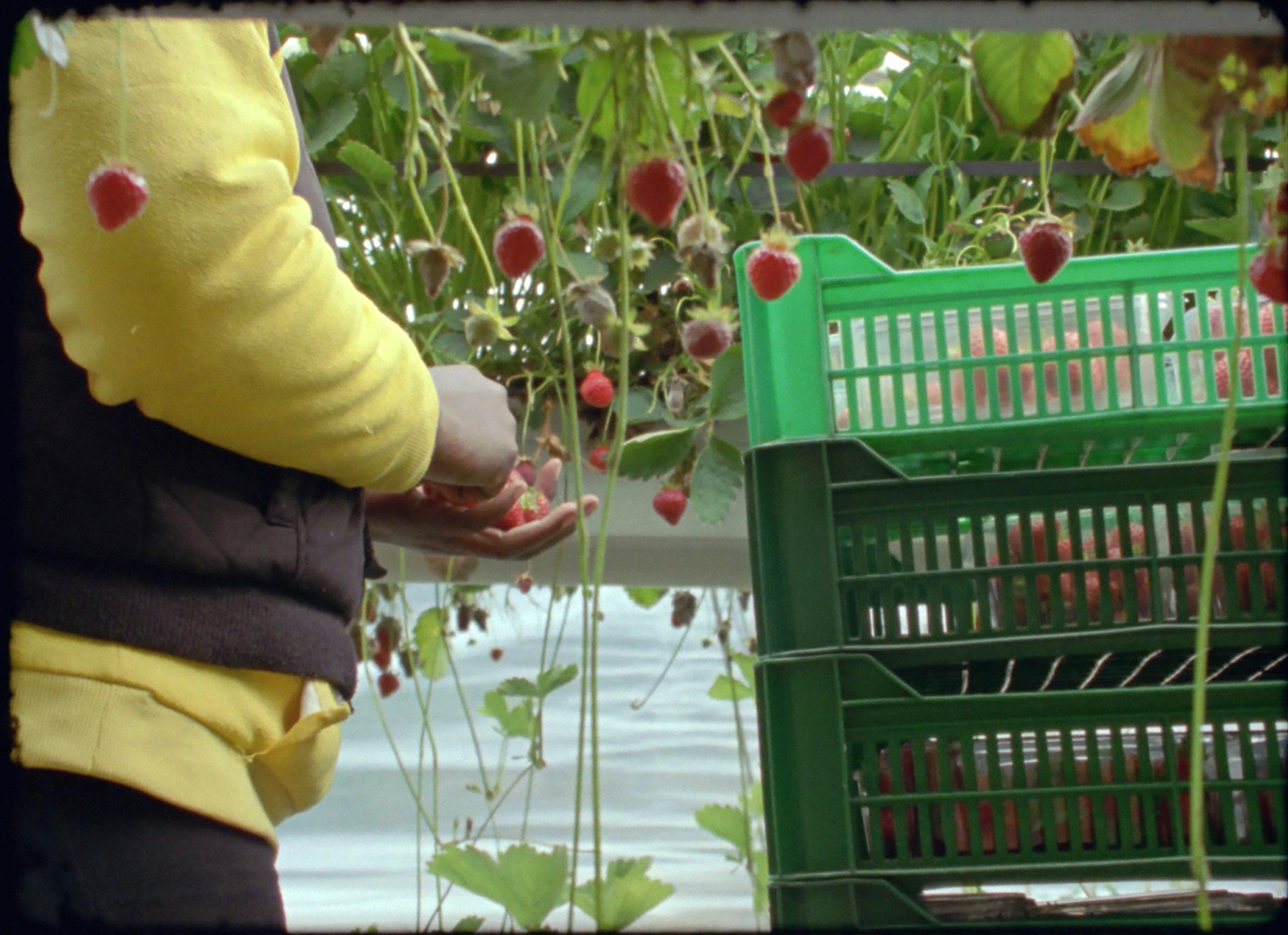
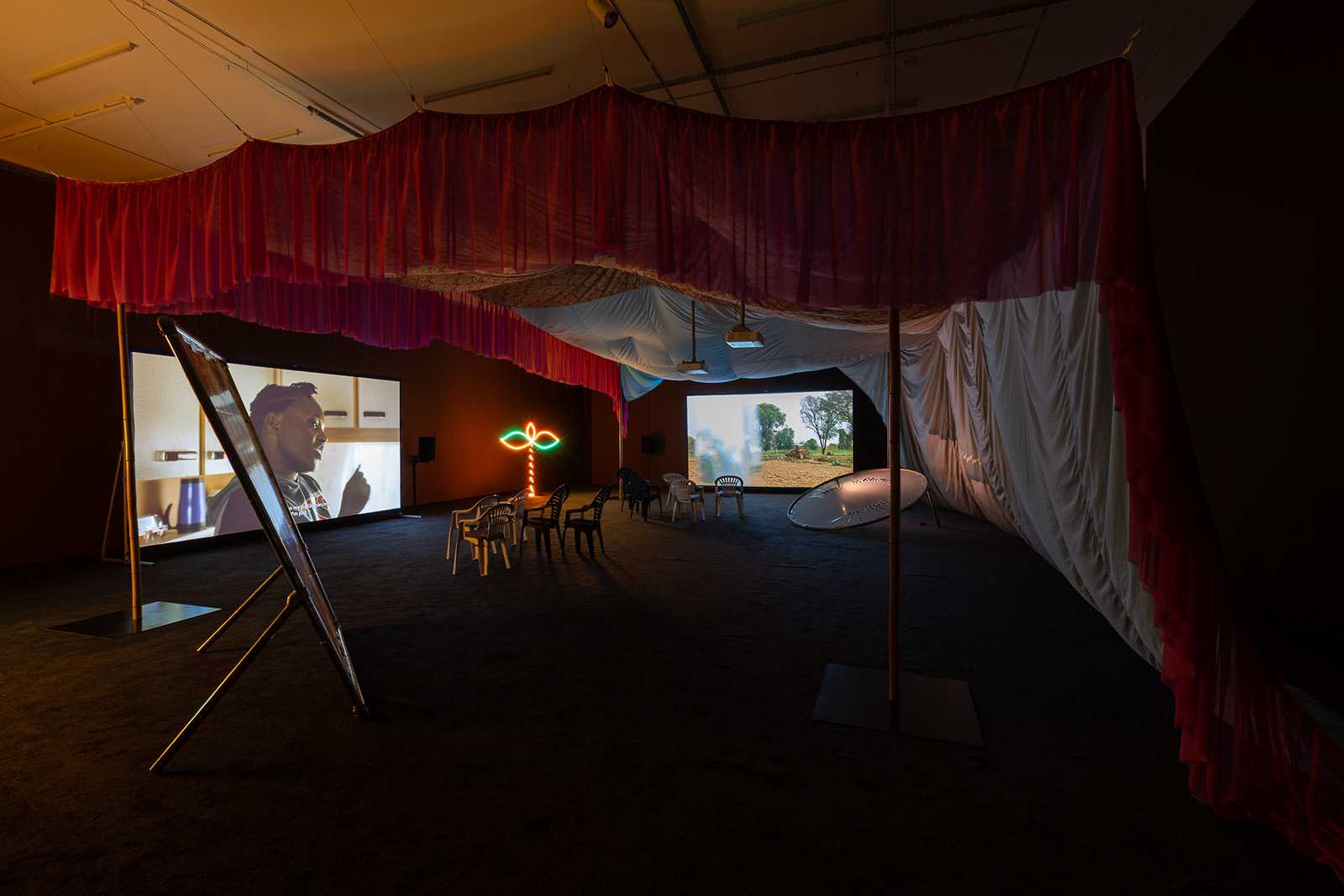
Plantation examines questions of land ownership, immigration and labour through two films shot on 16mm and shown on a loop within an immersive exhibition space. Soft Fruit (37 mins), filmed at one of the berry farms in Scotland between 2024 and 2025, focuses on a Kenyan woman’s day-to-day life as a seasonal worker supporting a family back home.
The other film, Jo Kherray So Khaey (53 mins), was filmed on farmlands in rural Punjab, Pakistan last year and spotlights the experiences of local farmers and landless tenants in the region.
Born in Heckmondwike, West Yorkshire to Pakistani parents in 1982, Zaman’s craft often points to her heritage, and that of other diaspora communities: films focusing on creative groups of young women from British Somali and Pakistani backgrounds, women of colour affected by the UK’s immigration laws and prison system.
“Growing up in a small town, I wasn’t really exposed to anything that resembles contemporary art but I encountered other forms of culture: my mum would play the tabla and sing Punjabi folk songs at weddings,” she says.
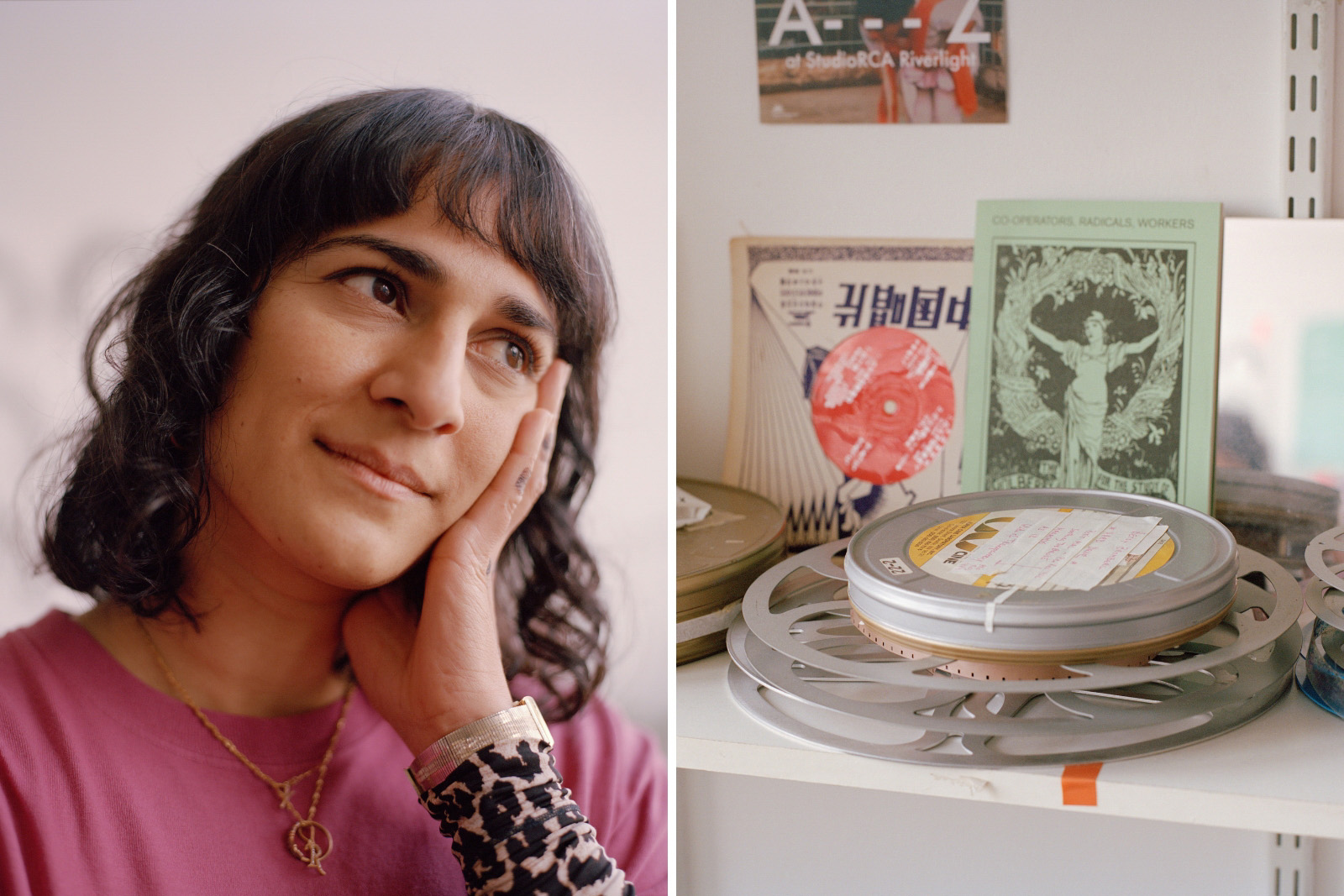
The youngest of eight siblings, Zaman first encountered a wide range of cinema through her brothers who worked at the local Blockbusters. “[They] were regularly bringing home independent and art house films like David Lynch or French cinema or early Ang Lee, alongside Bollywood classics like Pakeezah, Devdas, Sholay.”
Zaman studied fine art at Goldsmiths, University of London and early on in her career worked primarily in performance, producing and directing live works, and sometimes featuring in them herself. An early collaborator was the actor Souad Faress, known for her roles in The Archers, Dune and Game of Thrones.
An interest in film-making grew out of these collaborations and performances. Zaman is drawn to the works of experimental feminist film-makers such as Sandra Lahire, as well as the practices of feminist film collectives in the global south like the Yugantar Collective whose films explore the grassroots, organising power of Indian women.
Zaman’s films — which have been shown at galleries and festivals including the Serpentine Civic, Bergen Centre for Electronic Arts, ICA Miami, and BFI London Film Festival — similarly probe the experiences of individuals contending with power structures. Both works in Plantation explore the ways in which industrial farming’s exploitative practices have a universal impact on agricultural workers across countries. “You might be coming from Kenya and you’re picking fruit here in Scotland, but then the potato farmer [in Pakistan] is also counting the sacks in his piece work there, and it’s all dependent on the market rate,” Zaman says. “Somehow, you’re just at the mercy of these things and it’s one big system of exploitation.”
Some years ago, Zaman inherited farmland in Pakistan through her late father, an experience that prompted her interest in making a film there. “A lot of the laws around property and land ownership are a legacy of the colonial era,” she explains. In one scene, the landless tenants who Zaman speaks to in Jo Kherray So Khaey discuss the ways in which land has been deprived to them by successive governments — a denial with roots in legislation enacted by the British.
Several strands appear across the two productions, particularly with regard to Zaman’s interviews with the female protagonist of Soft Fruit, and the women workers participating in agricultural labour on the farms in Pakistan. “They’re the breadwinners in both cases, but at the same time, dealing with the gendered nature of how land and capital presents itself across ideas of property,” Zaman explains.
“Women are talking about getting married, and we’re here talking about land ownership, and it’s all these layered ideas of property upon property, where people’s bodies have become instituted by those very same laws and regulations.”
An unnerving soundscape heightens the visuals — the large polytunnels in Scotland, the manicured swathes of farmland in Punjab landscaped to accommodate the extraction of produce. “We wanted the films to have this kind of peculiar resonance that it was of the place, but also amplified or skewed somehow,” she says, likening these sound-filled sequences to something out of science fiction.
For Zaman’s mother, who grew up in a rural part of Punjab, watching Jo Kherray evoked recollections of life in a place similar to the one captured on screen. “It’s a real test of how the film is read in the context of somebody who doesn’t engage with art at all, but knows these sites very well,” Zaman says.
“It opens up a whole new level of discourse for how we think about our relationship to being in diaspora, or what our relationship to our ancestry is when we’re actively in dialogue with it in the present,” Zaman adds. “For that generation, there is a lot of sadness. For later generations, those feelings may still resonate, but we’re situated differently. That melancholia of leaving a place is more stark for the first generation immigrant, because you hold those memories in your body a lot more strongly.”
Plantation is exhibiting at Sheffield’s Site Gallery until 17 May.