

Naz Shah: ‘It’s women who find themselves vulnerable and men who hold the power’
In her new memoir, the Bradford West MP shines a deeply personal light on violence against women and the systems that enable it

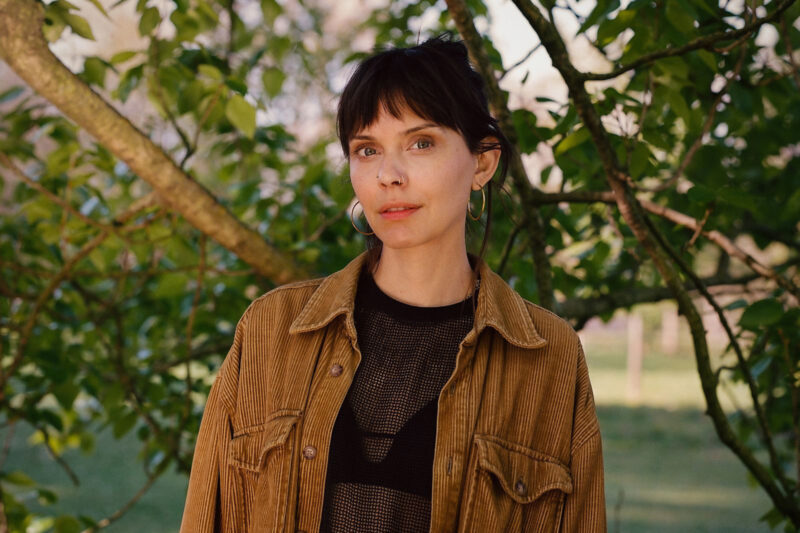
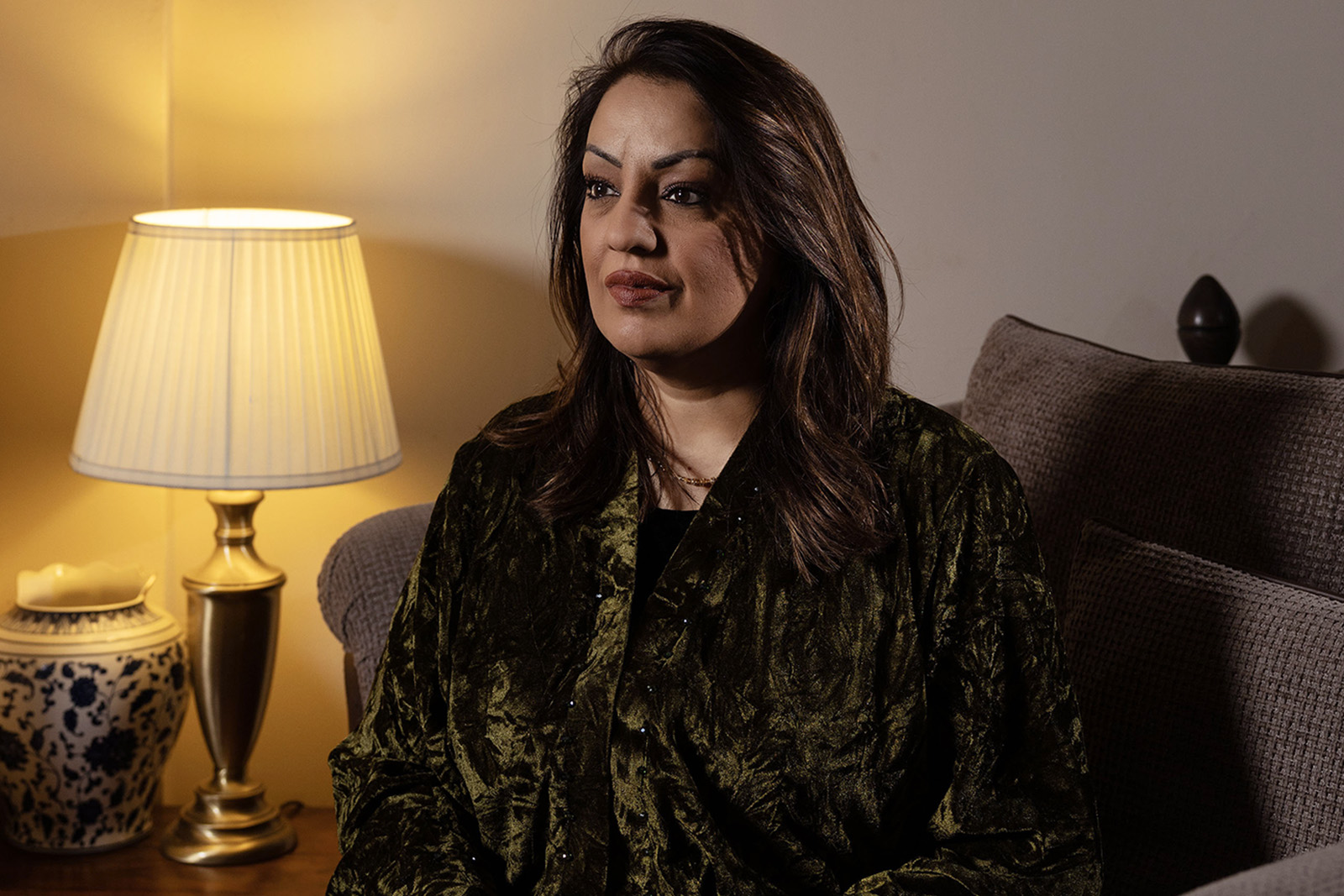
“Mari sherni — my lioness.” Those are the words Naz Shah’s mother, Zoora, used to describe her daughter at the launch of Honoured, the Labour Party MP’s memoir, at the Midland Hotel in Bradford earlier this month.
“She is really, really proud,” Shah, who represents the Bradford West constituency In parliament, says a few days later.
Shah’s book recounts her childhood in Bradford, the realities of living in poverty, the horrific domestic abuse her mother faced and her subsequent imprisonment for murder, and her own rise to political prominence. Through those experiences, she offers sharp insights into a community built on the principle of izzat — the Urdu word for honour — and the stigma that can follow a family when its reputation is tarnished.
Related content

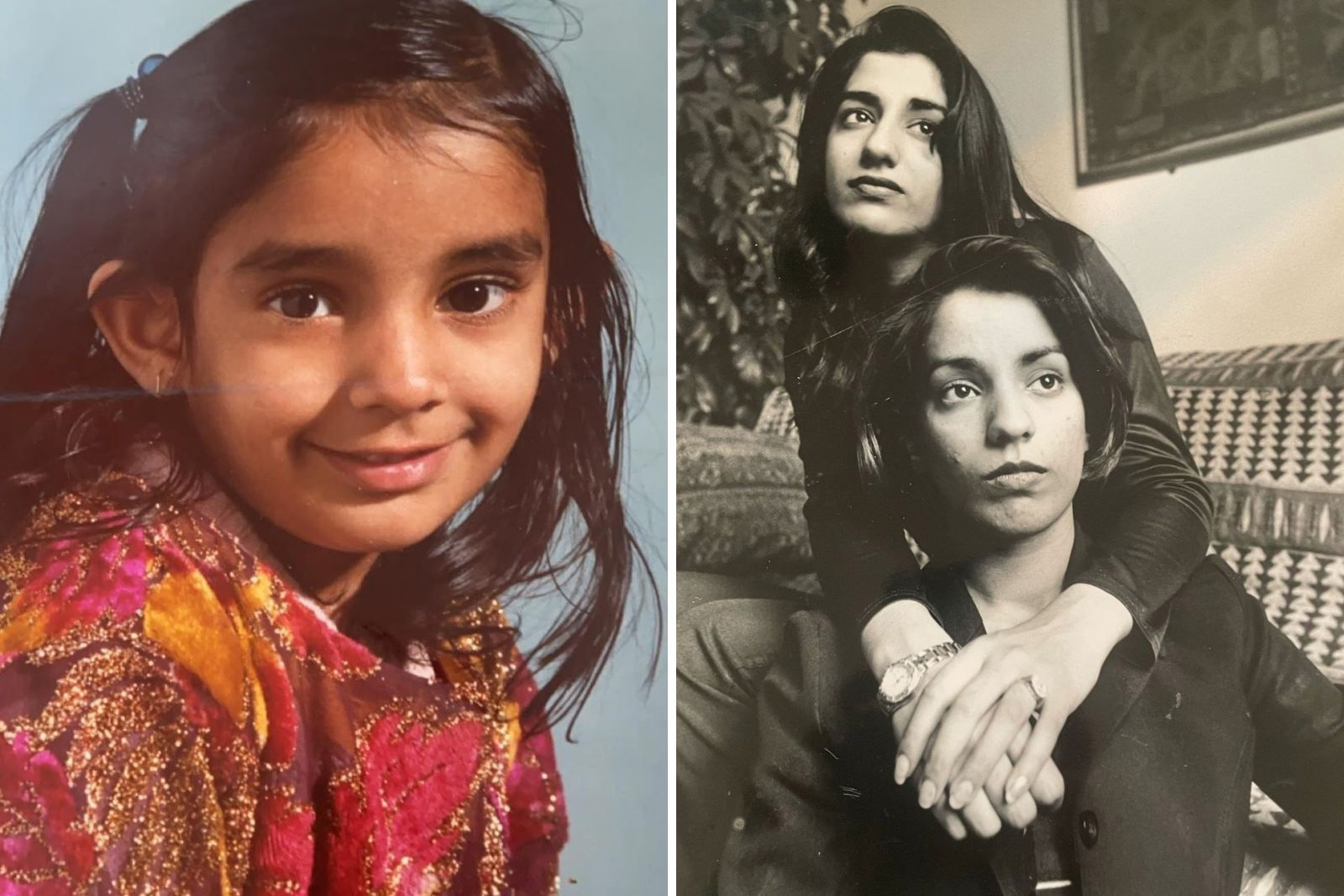
One of Shah’s earliest memories is of racing up the steps at the back of her family’s terraced house. “I know I’ve got to reach the top and find help. Dad is beating my mum and I need another adult to come and stop him,” she writes. “Five years old, running fast, trying to save my mum.”
A year or so later, at the age of six, Shah’s father walked out on his family for their 16-year-old neighbour. At the age of 12, Shah was sent to Pakistan to live with her maternal family in rural Azad Kashmir. There, aged just 15, and against the wishes of her mother, she was forced to marry her cousin, Mazhar.
Shah returned permanently to the UK in 1990 and Mazhar joined her a few months later. Within a couple of years, they had separated. In December 1993, when Shah was 20 years old, Zoora was sentenced to 20 years in prison for the murder of a family friend.
Uncle Azam, a well-known figure in the community, had appeared to be helping Zoora and her children find secure housing and would often drop off groceries and stay for dinner. Three years later, Shah learned the truth. He had repeatedly raped Zoora and, while he was serving a prison sentence for drug dealing, forced her to have sex with other men for money. Zoora had sent 12-year-old Shah to Pakistan to protect her when Azam threatened to do the same to her.
Honoured is a remarkable tale of survival. By the age of 21, Shah had twice attempted suicide. “There were times I didn’t have strength and times that I wanted out,” she says. “There were times where I could well have been one of the statistics.”
Shah found that strength in her faith and the obligations she felt to look after her mother.
“It’s about your inner resilience,” she adds. “It was the fact I had my mum, even though she was in prison. I had a sense of responsibility towards her from a very young age, when I was trying to get her stopped from being beaten by my dad. I think that conditioning certainly helped.”
A central theme of Shah’s book is the disproportionate way systems of honour and family reputation affect women. When Shah’s father walked out on his family, it was her mother’s standing in the community — not his — that was destroyed.
“Mum learned the hard way that in a patriarchal culture, the honour is always held by the men while the shame is carried by women,” she writes.
“It was believed that Mum drove Dad away by not being enough for him — that he was, in a way, left with no choice but to look elsewhere for happiness and satisfaction.”
When Shah’s father abandoned his family, her maternal uncles told Zoora that because of the shame brought upon the family, they would support her only if she gave up her children. Zoora refused, leaving her as a single mother of three children with no roof over their heads. In the following years, they moved 14 times.
Izzat is also at the heart of why Zoora didn’t tell anyone about Azam’s crimes against her until 1995, two years into her prison sentence. Even then, Shah had to convince her to take the case to the court of appeal.
“Mum had been sentenced to 20 years behind bars and was now effectively telling me that she would rather this unconscionable situation continue than suffer the shame of her izzat being compromised by having her ordeal exposed to the world,” Shah writes.
Shah’s memoir shines a searing light on the tight-knit community in which she grew up. Despite being abandoned by their extended family, friends and neighbours, she says that she, her mother and siblings still “craved acceptance” from them.
“Its a human condition of feeling that you belong and that you matter to the people that mean something to you,” Shah says. “When you’ve been raised in that community, then that belonging is important. What is unique to me is that when some people are abandoned by their community, they move away from it and resent it. I just don’t have the heart.”
Now that the book has been published, Shah anticipates that some members of her family will be unhappy about its candid nature, but she is adamant that it is her experience to write about, and that she has come to accept what she went through.
“Had I written this book 10 years ago, it might have been very, very different. I might have talked about different members of my family. Now I’m older and wiser, and a mother of three,” she says.
“It’s like going through a grieving process. You get angry, and then you reconcile things, you have sadness, and time allows you to live with it. You don’t ever forget it, but you start learning to live with the experiences.
“That’s where I’m at with my wider family. There will be people who may be very upset by this book, but it doesn’t stop me from speaking my truth.”
Shah adds that a meaningful part of her healing has come from talking openly and honestly with some of her relatives.
“I’ve had a beautiful conversation with my mum’s eldest brother, Iqbal,” she says of one of her uncles, who is now in his 80s. “I asked him about my mum turning to him for help, and he admitted that she had.
“For an older person to actually sit there and say, ‘I got this one wrong’, I think this is heartening and it helps restore your faith that people have the ability to change and see where they have made mistakes, and I do genuinely have so much admiration and respect for him.”
In 1998, the courts dismissed Zoora’s appeal against her conviction. Her lawyers had tried to explain the cultural importance of izzat, and how it had initially stopped Zoora from telling the police the full story about Azam.
“At the time the judges did not understand the concept of honour and the concept of izzat as it affects the Asian community,” Shah says. “They said she didn’t have any honour to salvage, but in Pakistan even a beggar on the street would still have izzat because it’s the kind of culture. It’s society’s measuring yardstick. That was missed by the system.”
Zoora was eventually released in 2006, after a decade-long campaign led by Shah and the Southall Black Sisters. Looking back on her mother’s experience, Shah says that while the justice system has come a long way, vulnerable women like Zoora are still being exploited today.
“If there was another Zoora Shah today, the outcome would not be 14 years in prison, I’m very, very confident of that. The judges aren’t what they used to be.”
“But let’s be really clear. Where there is an imbalance of power, the conditions of exploitation or abuse can take place. If we talk about what happened to my mum, I’d like to think it can’t happen again but it can. The Epstein files have shown us that, by and large, it’s women who find themselves vulnerable and it’s, by and large, men that hold the power.”
Shah is sceptical that legislative reforms alone can fix this. She points to the violence against women and girls strategy, published by the Labour government in December, and the Online Safety Act, introduced by the former Conservative government in 2023, which she believes will make some difference.
Shah says that alongside legislation to protect women and girls, there is a need for a “cultural shift”. “That happens through storytelling, through conversations. You influence society in different ways, and culture and books play a big part in that. We are in the space of cultural change, and when we get to that change, I’d like to think this book will contribute to that shift.”
Shah has been able to shift the dial on the issue of violence against women and so-called “honour-based” abuse through her work as an MP. In 2016, during the second year as an MP, she used her platform to obtain justice for Samia Shahid, a young British Pakistani woman who was murdered by her father and her ex-husband.

Shah was chosen as parliamentary candidate for Labour in 2015 after the party drew up an all-women shortlist to take on the constituency’s MP George Galloway, who stood for the Respect party. Shah’s campaign highlighted that Galloway had largely been an absent representative for the people of Bradford, taking part in just 11% of possible votes while he was the constituency MP. She was elected in May that year with a majority of 11,420 votes.
Despite Zoora’s release from prison 11 years earlier and then home secretary Jack Straw publicly affirming that she had been a victim of Azam’s abuse, the family was welcomed back into the community only after Shah’s victory.
“In one stroke, I had effectively restored my mum’s izzat,” she writes.
For the past 11 years, Shah has served a community that abandoned her during the most vulnerable years of her life. Reflecting on whether this has been challenging, she says her faith has been a valuable guide.
“When you put yourself in a position to serve, that comes with a responsibility and an expectation. If anything, I feel pressure to make sure I do things for people. There are some people who will never come with me, but you meet people where they are at and you do what you can do best,” she says.
“God teaches me about mercy and compassion, and if you want to emulate that from a leadership perspective, I look at the Prophet Muhammad (PBUH), and I see the best of leaders who was full of both mercy and compassion. What you find is you’re in a much stronger position because you’re at peace with yourself. Some people find that peace, and others don’t.”
Writing the memoir, Shah says, has been cathartic. “There’s a purpose behind it. What you’re saying to people is that this happened, but I came out of it, and those experiences I went through made me a better person and gave me the strength and ability to do what I’m doing now.
“It’s how you view the world, whether you view it as half-full or half-empty. And I’m a half-full girl.”
Honoured by Naz Shah (£22), published by Orion Books, is out now.