

‘I’ve got to beat Sadiq’s time’: London’s deputy mayor on training for a marathon during Ramadan
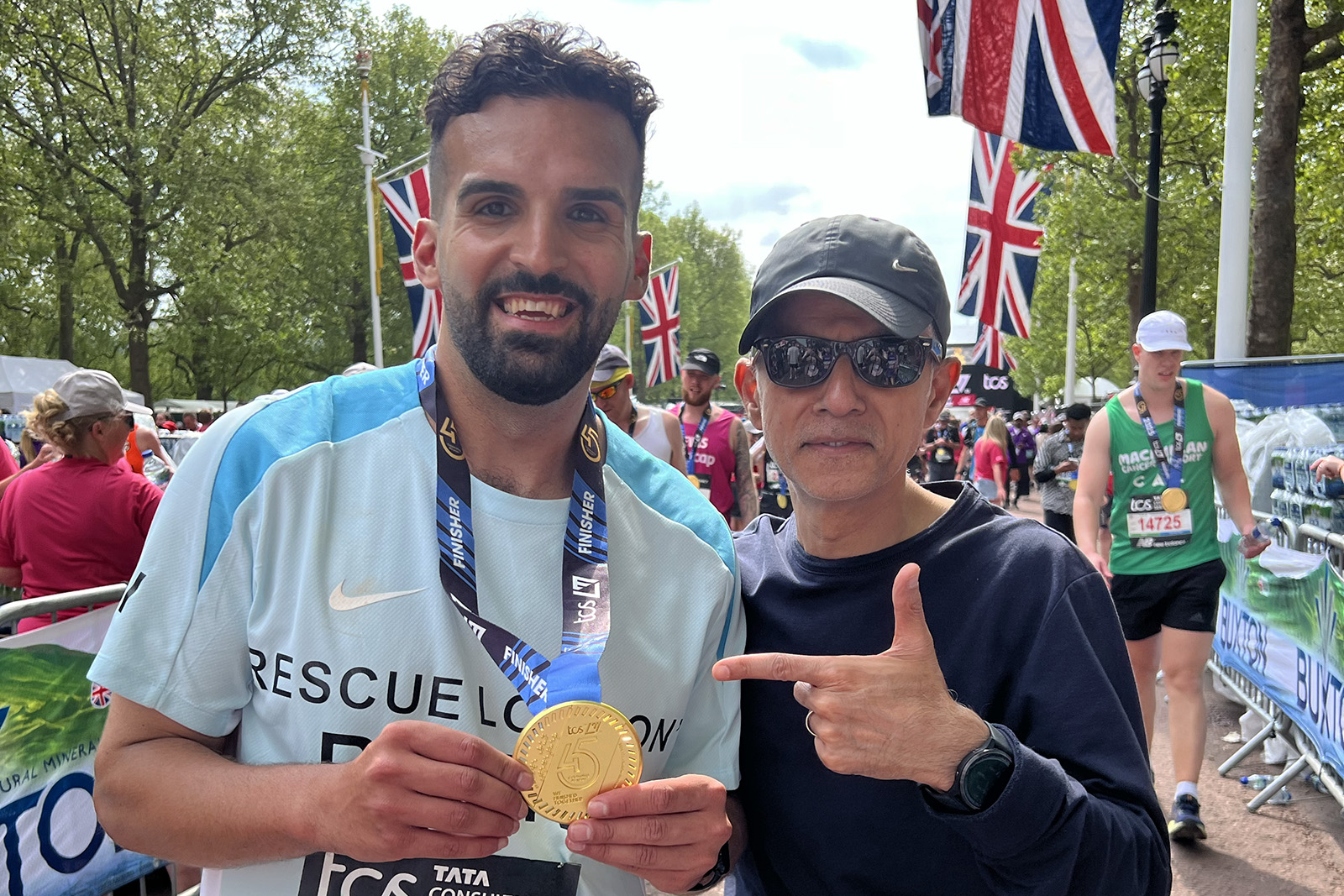
Mete Coban shares the challenges and surprises of running while fasting, and how he’s hoping to match the mayor’s record in the London Marathon next month

“I am preparing for the biggest mistake I’ve made in my life,” Mete Coban, London’s deputy mayor for environment and energy, says with a smile.
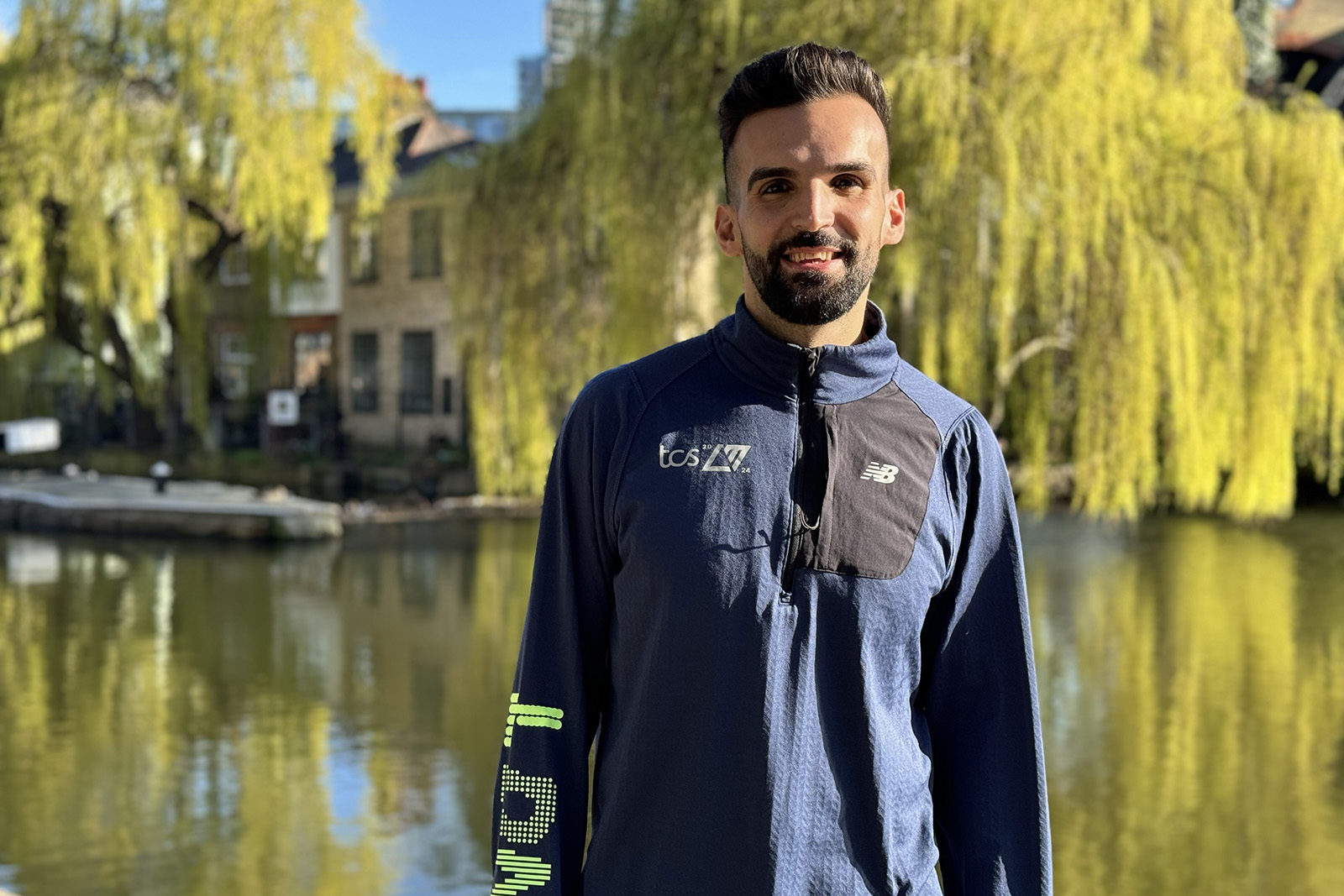
He’s training for the London Marathon which takes place on 26 April. When we meet, Coban, 33, is running along Regent’s Canal near Islington. It’s 3pm on a sunny afternoon during Ramadan and he hasn’t eaten or had a sip of water in hours.
Training for a marathon is demanding under any circumstances. For Coban, one of London’s most well-known Muslim politicians, the challenge of long-distance running while fasting has been as much about focus and resilience as it has about endurance.
“Everything changes when you’re training for the marathon during Ramadan,” he says. “Everything slows down, but you just have to be intentional about everything.”
Related content

That included reshaping his daily routine. During Ramadan, he would wake for suhoor, making sure he’d eat a healthy meal — usually oats — and hydrate properly, then would fit running around fasting hours. Sometimes early in the morning after suhoor, or later in the day, a couple of hours before iftar.
“It starts off well, then as you’re getting on a bit, you start to feel more tired. It teaches you a lot of focus, which is really important in our faith. In many ways, I’ve actually benefited from training for the marathon during Ramadan,” he says.
The physical intensity, Coban says, is constant. His runs could stretch from 20km to 30km three times a week, often leaving him questioning why he signed up at all.
“When you’re running and you’re hitting 20km, you’re thinking, ‘Why would you put yourself through this?’ That is literally what I think to myself every other day,” he says.
Even after a training session, there’s no escaping that question. “My biggest supporters during this time have been my family and my cat — when I come home, he’s looking at me thinking, ‘Why did you do this to yourself’, and I’m looking at him thinking, ‘I don’t know’.”
But Coban has been surprised at what his body can handle. “The other week I was running 30km and I was just waiting for my body to start hurting and to feel thirsty, and I just wasn’t. Your body is actually much more resilient than you think. I’ve been quite surprised with how well I’ve been able to cope during Ramadan.”
In fact, Coban says the hardest part of training wasn’t the fasting itself, but balancing it with his job as a deputy mayor of London. He laughs as he recalls running his first marathon last year, which he says he “badly flopped” after not preparing as effectively. “There were parts of my body that I felt that I didn’t know existed. I can’t even describe how difficult it felt,” he says.
When he got to the finish line last year, London mayor Sadiq Khan was waiting. “I was like, this is really sweet. He’s come out to support me.” But, Coban says, “the first thing he said to me is: ‘You didn’t beat my time.’ That’s why I’m doing it again — to make sure that I beat him.”
He’s also running for a cause close to his family’s history. “My parents [came to the UK as] asylum seekers from northern Cyprus and we live in a world right now where Islamophobia and the rhetoric against migrants and asylum seekers is rising. It’s important that during this time, we stand up for our values and what makes our city great. Hopefully I’ve picked a charity that really speaks to that,” he says, adding that he can’t share the name of the organisation.
Coban, who joined Khan’s team in July 2024 after a decade as a Hackney councillor, is also on the board of the London Marathon Foundation. He says social media has been an important way to get Muslim runners involved with the event and provide a space where they can share advice.
Coban often posts videos of his runs online, in part to show that it is possible to train efficiently while fasting.
Related content

“It’s also about trying to make sure that we get more young people into sports and to live more healthy and active lifestyles,” he adds. “What we want to see is more young people from underserved communities take up cycling, running, swimming and open up these sports to make it more representative of society. Even if you can’t run it this year or next year, come and watch it — it’s your streets, it’s your city, you should be part of it too.”
In 2025, 56,640 people crossed the marathon finish line and more than 1.1 million people entered the ballot for this year’s race.
For Coban, the marathon is a reminder of what brings people together. “At a time when the world can be so complicated and feel so negative, there are thousands of stories of why people are running the marathon — it’s so personal and I think it represents the best of society,” he says.
That sense of community is what Coban is most looking forward to when runners take to the streets next month — and beating Khan’s record, of course.
“I’ve got to beat Sadiq’s time. It’s four hours 16 minutes,” he says.