

Hundreds of Muslim healthcare professionals to gather in Glasgow
The annual British Islamic Medical Association conference will see medics discuss topics such as Muslim women’s experiences in maternity services

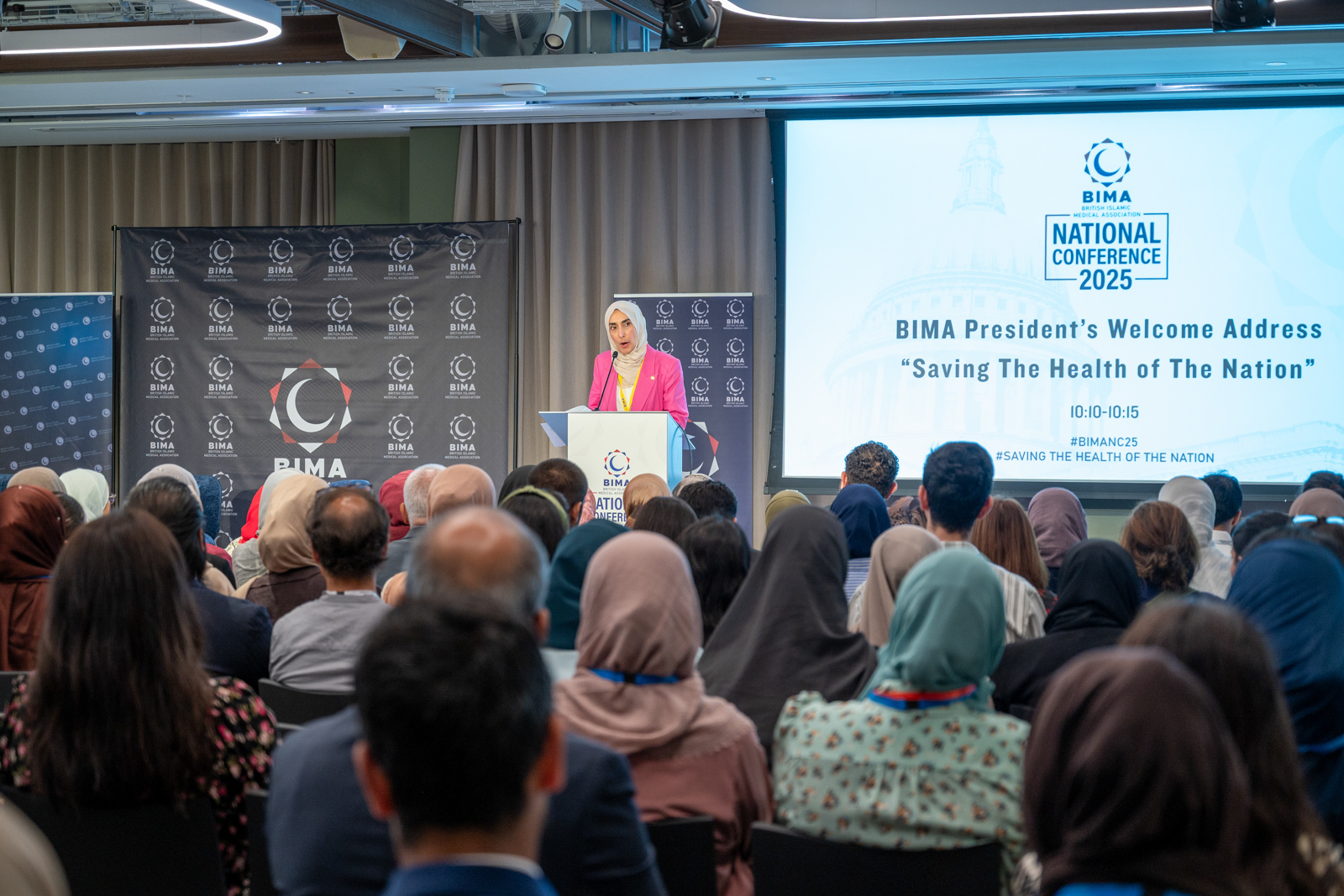
Hundreds of Muslim medics and students will gather in Glasgow for the British Islamic Medical Association (Bima) conference in May, where they will discuss topics including health inequality, social media and Muslim women’s experiences in maternity services.
The two-day event — Bima’s first in Scotland since its launch in 2017 — has the theme Living Well: Restoring the Balance. Among other subjects, conference panels will explore how healthcare systems and communities can respond to rising levels of chronic illness.
“Glasgow is a really unique place in terms of health inequalities,” said Rumaisa Zubairi, the association’s national conference director. “There’s something called ‘the Glasgow effect’, which refers to a significantly higher burden of illness and poor health in Glasgow compared to similar deindustrialised cities in the rest of the UK.
Related content
“It’s been difficult to explain why Glasgow sees this kind of increased level of ill health but it historically has a lot of associations with poor health.”
The conference is sponsored in part by Hyphen. It will feature two main plenary sessions, with the first themed on prevention and early intervention.
“In a society facing rising chronic disease, widening health inequalities and growing pressure on healthcare systems, it explores what it truly means to live well across the life course,” said Zubairi.
A second plenary session will bring together speakers from healthcare, public health and government to discuss how to build a healthier society and improve access to care in marginalised communities.
The conference will also include shorter talks on topics including plant-based diets, public health messaging on social media, sustainable models for funding healthcare projects and digital tools that healthcare professionals can use to engage with communities.
Among the smaller sessions will be a panel discussion revisiting the findings of the report Invisible: Maternity Experiences of Muslim Women from Racialised Minority Communities — published in 2022 by Shaista Gohir, head of the Muslim Women’s Network UK — which highlighted inequalities experienced by Muslim women in maternity care.
“We know from the Invisible report that many Muslim women reported very negative experiences in terms of their engagement with healthcare professionals in the perinatal period,” said Zubairi.
“The report also came with several recommendations, so this session hopes to explore: what does the landscape of maternal health look like for Muslim women now? Have those recommendations been enacted? Have things improved in any way?”