

How one mosque reduced food waste during Ramadan
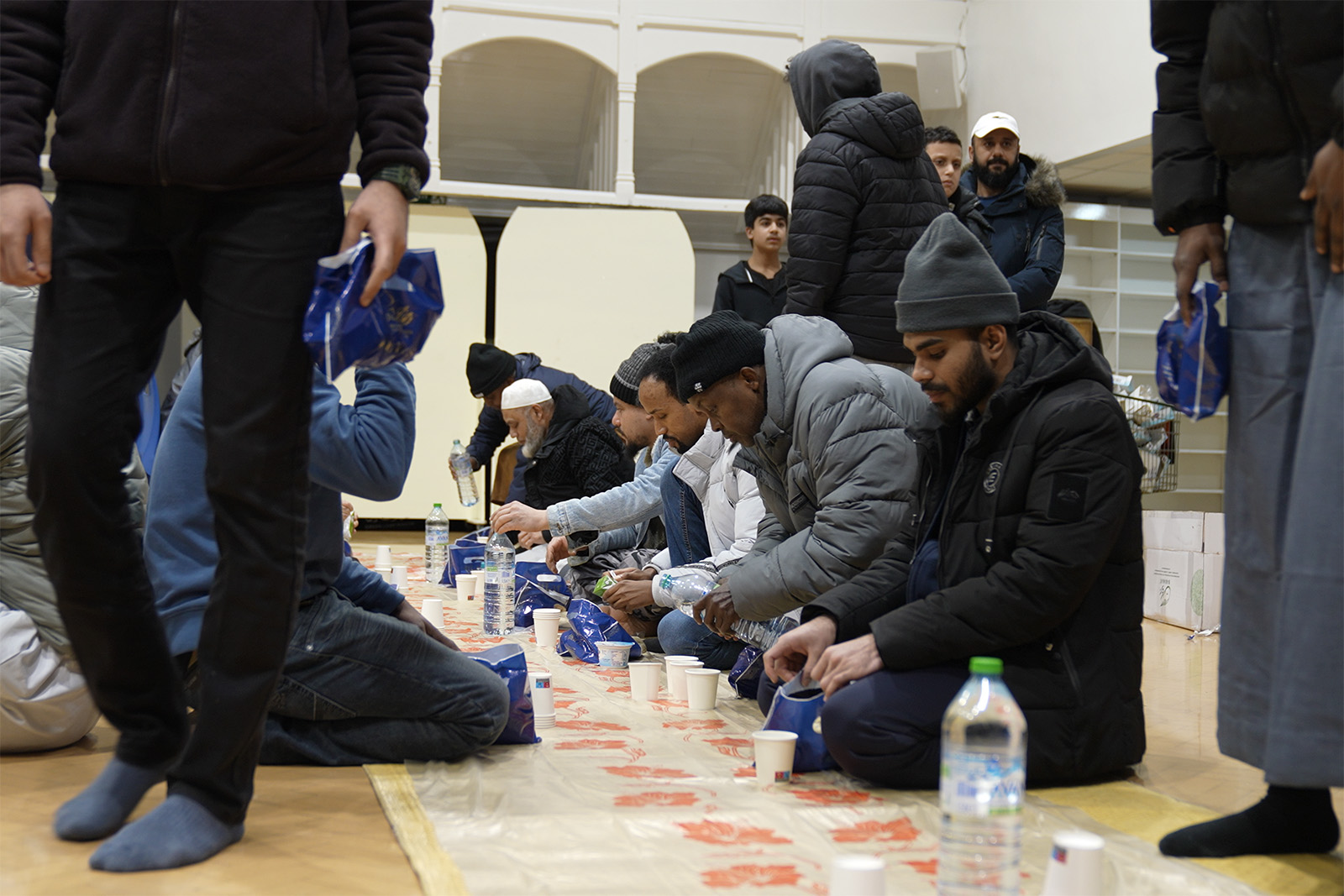
Green Lane Masjid in Birmingham offered iftar packs including smaller portions of food to address wastage during the holy month

Amid a number of community iftar initiatives this Ramadan, Green Lane Masjid in Birmingham has focused its efforts on tackling food waste.
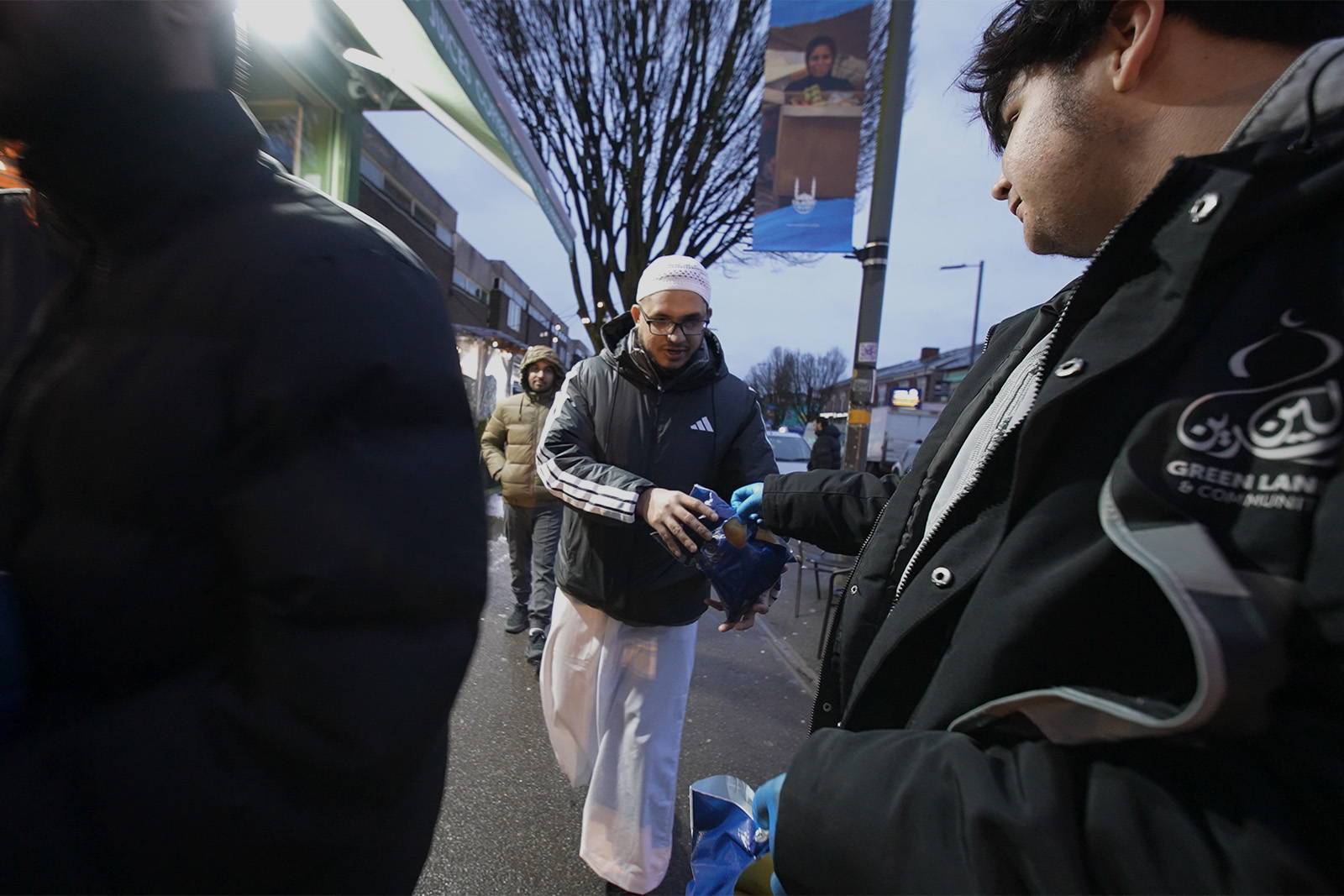
The mosque, which hosts hundreds of people for iftar during the holy month, introduced iftar packs as part of a plan to reduce food waste during Ramadan. Inspired by the food packages served at the Prophet’s Mosque in Medina, Saudi Arabia, attendees in Birmingham have been given a small bag containing dates, fresh bread, fruit and yoghurt with a spice mix. The biodegradable packs are designed to minimise leftovers while still allowing people to gather together.
“The whole idea of it was the community aspect, for people to come together and break their fast and share in this act of worship together,” says Semir Said, senior outreach project manager at Green Lane Masjid.
Related content
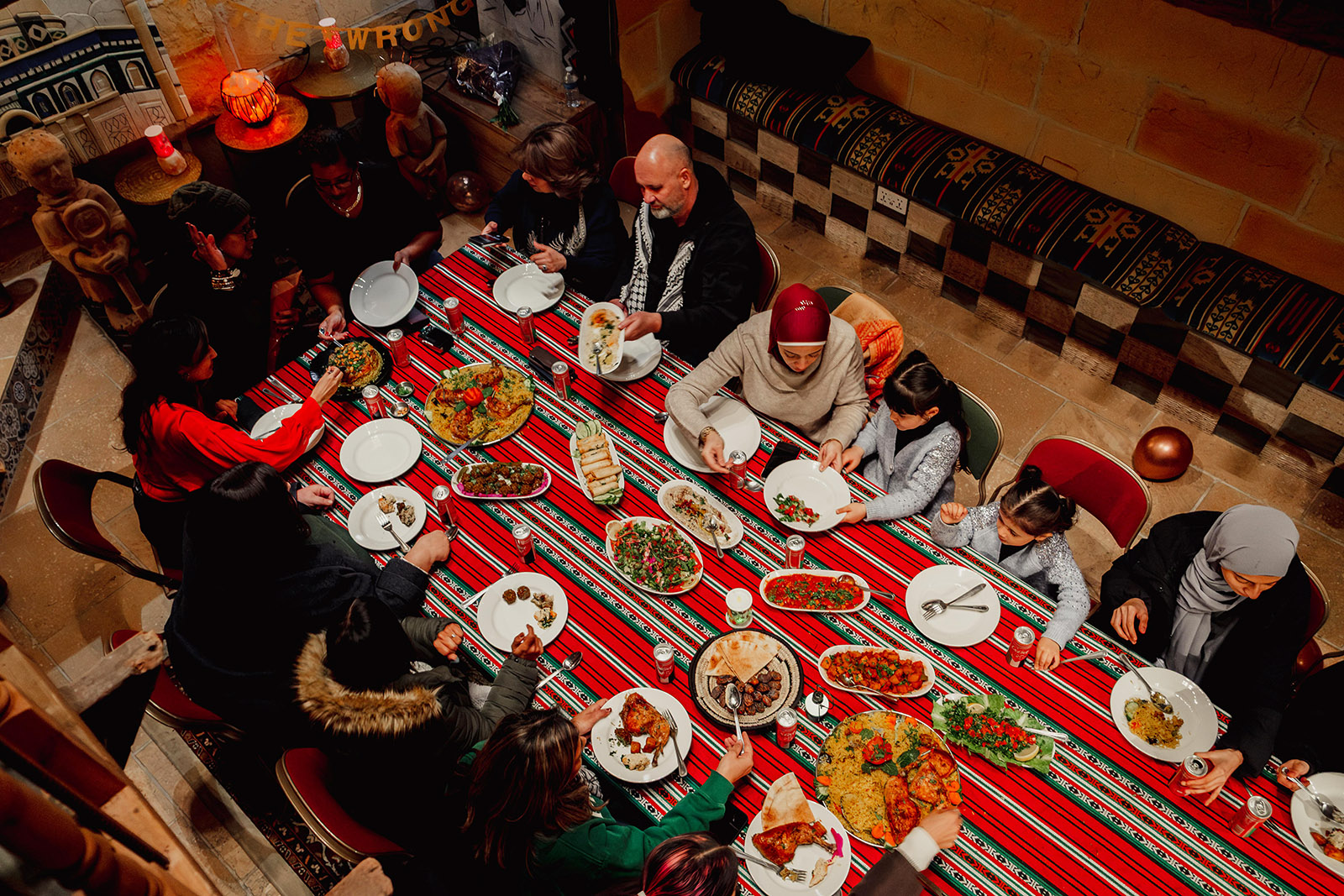
According to a 2023 survey by environmental action NGO Wrap, the majority of Muslim respondents in the UK believed that more than 60% of households in their community over prepared food at least once during Ramadan. It also cited research from the UAE which, similarly, found that daily food waste had increased from an average of 2.7kg per person per day to 4.5kg during Ramadan.
Those figures mirror research in 2022 by Human Appeal which found that 54% of British Muslims did not consume all the food they prepared during the holy month.
In recent years, initiatives such as ethical iftars and movements to tackle plastic waste have taken place across the country, from a Green Ramadan recycling drive organised by mosques in Wales, to Islamic Relief’s “Fast On Waste” campaign last year. Despite nationwide efforts, food wastage is still an issue.
Said says the initiative came about after volunteers noticed a significant amount of uneaten food after iftars. “The amount of food that was wasted was worrying, so we had to make a choice because we saw our congregation was increasing.”
The mosque has hosted community iftars for years, initially offering full meals a few days a week before expanding the programme to run every night during Ramadan. As the numbers of attendees grew, so did the scale of catering.
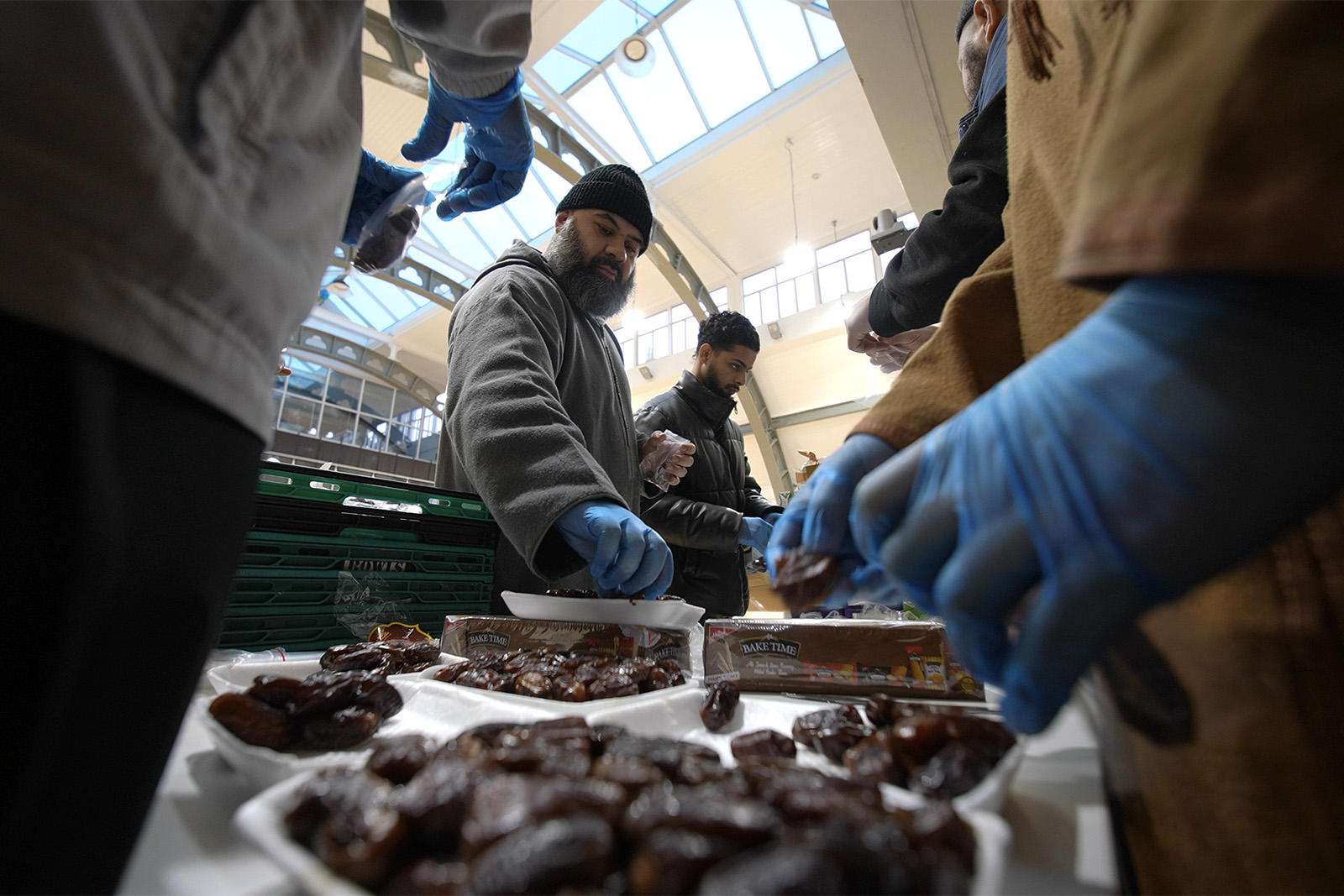
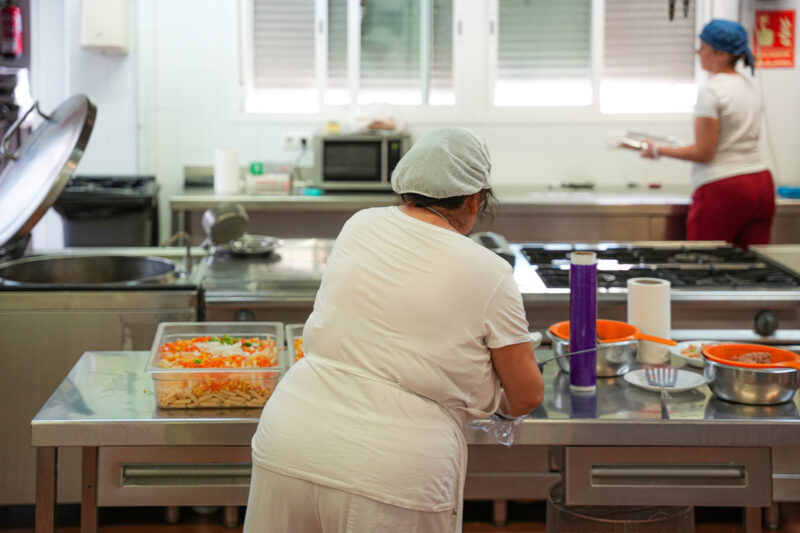
According to Said, the mosque can host between 700 and 800 attendees each night during Ramadan. The mosque would distribute hot meals including rice, meat and samosas, but Said says that large portions of the meals were often left unfinished.
“We had a lot of young children and they wouldn’t necessarily finish their food. Or sometimes people would take but not really eat and just leave food.”
The mosque previously tried to distribute leftovers wherever possible, offering unopened food containers outside the mosque to people in need. But as their iftars grew, the mosque had to look for ways to prevent wasted food building up in the first place.
“This was one of the ideas that came up, to replicate what happens in the holy mosque in Medina. This is what they provide there — a simple pack with healthier alternatives that’s more sustainable and reduces waste significantly,” he says. “It really was a no-brainer for us.”
By providing smaller portions of food that people can either eat there or take home, the mosque aims to use resources more responsibly while offering healthier options. Said says this has been received well by worshippers. “We’ve had very good feedback from people coming in and also online from people who have been seeing what we’re doing,” he says.
Mohammed Attaur Rahman, founder and chief executive director of grassroots organisation Rochdale Science Initiative, says the issue of food waste during Ramadan goes beyond mosques and into family homes. “During that period within our Muslim community, unintentionally we tend to generate this surplus of waste,” he says.
The Rochdale Science Initiative launched its food waste awareness campaign in 2025, encouraging families to think more carefully about meal planning and food preparation.
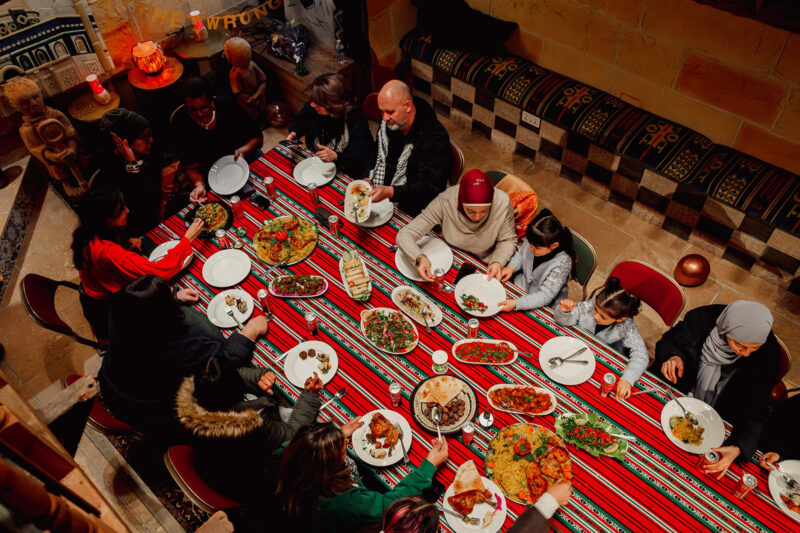
“When we are inviting friends and family, it’s normal for us to want to put on this grand spread,” he says. “You feel compelled when you invite guests to have so many items on the table.”
Rahman says mosques can also play a role in encouraging more sustainable practices, particularly at large iftar gatherings.
“You have these iftar get-togethers and it’s great, bringing the whole community together… but what you find is after Maghrib, the next day, when you go into the mosque you’re going to see the backyard littered with black bags of all this rubbish,” he says.

“The idea is to get the message across to our community that, of course, we need to have these parties because we’re trying to be inclusive and bring about social cohesion, but can we plan better?”
For both Rahman and Said, environmental responsibility is tied to faith. “As Muslims, we are naturally the stewards of our planet so we should be at the forefront,” says Rahman.
Said agrees: “There are people out there who don’t have. Whatever we have, we should be grateful for — part of that is to not be wasteful.”
At Green Lane Masjid, he hopes the initiative will inspire people to rethink their approach to food during Ramadan.
“Cook less,” Said says. “The hope is that people realise that this month of Ramadan isn’t about having a hundred types of dishes on the table. It’s more about connecting spiritually.”