

100 years of Leighton House and the influence of Islamic art in Victorian Britain
A new exhibition will show a short film from director Soudade Kaadan, inspired by the Arabic tiles in 19th-century painter Frederic Leighton’s former home in west London

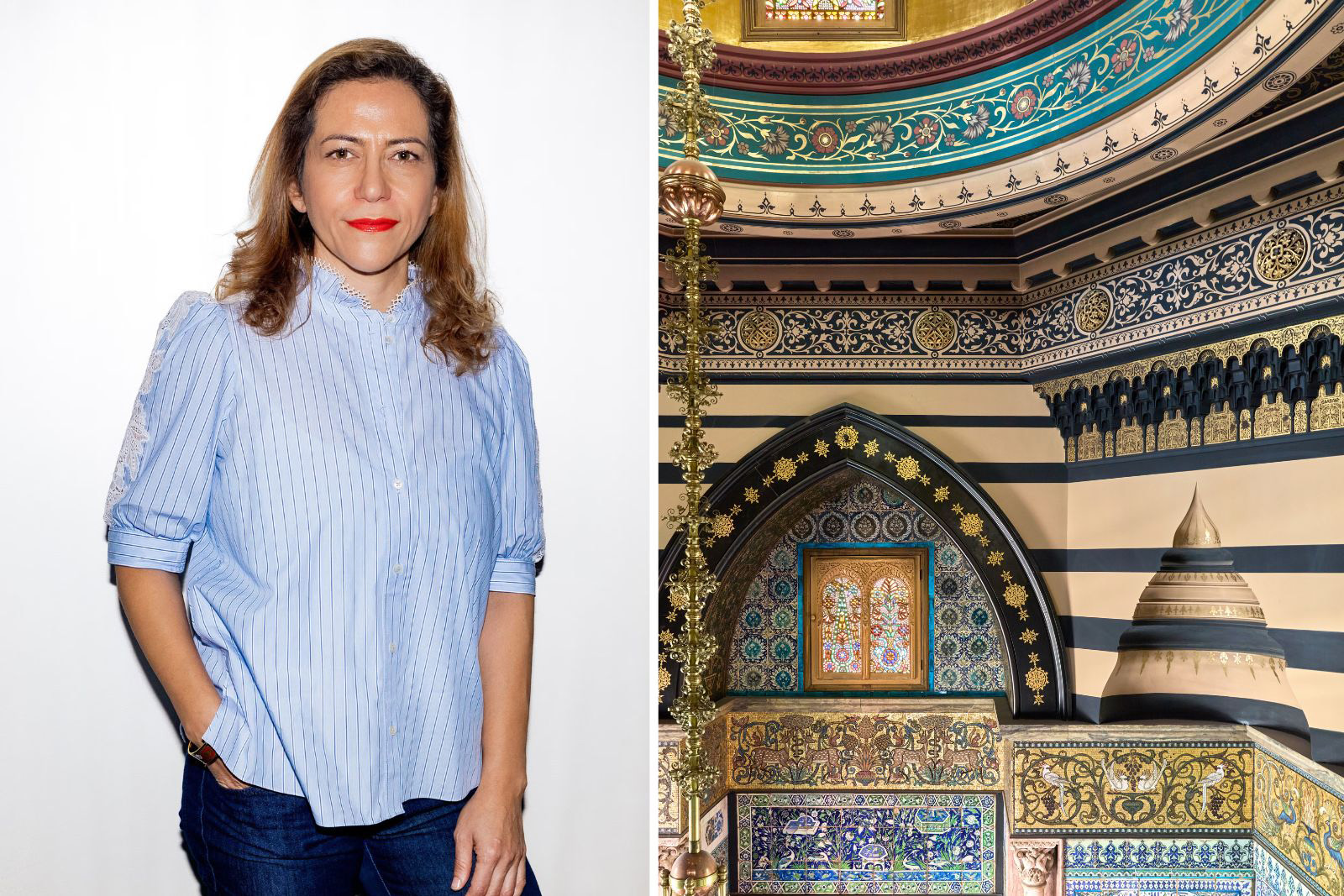
When Syrian film-maker Soudade Kaadan first visited the Arab Hall at London’s Leighton House, in 2023, she was struck by an overwhelming feeling of familiarity.
At the time, Kaadan — whose award-winning films include Nezouh (2022) and The Day I Lost My Shadow (2018) — was unable to travel to Syria, having been placed on a list of dissidents by the Assad regime.
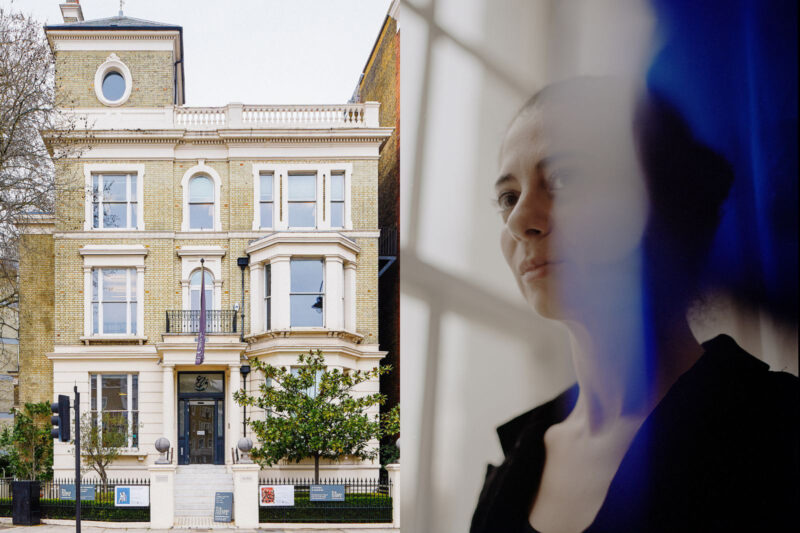
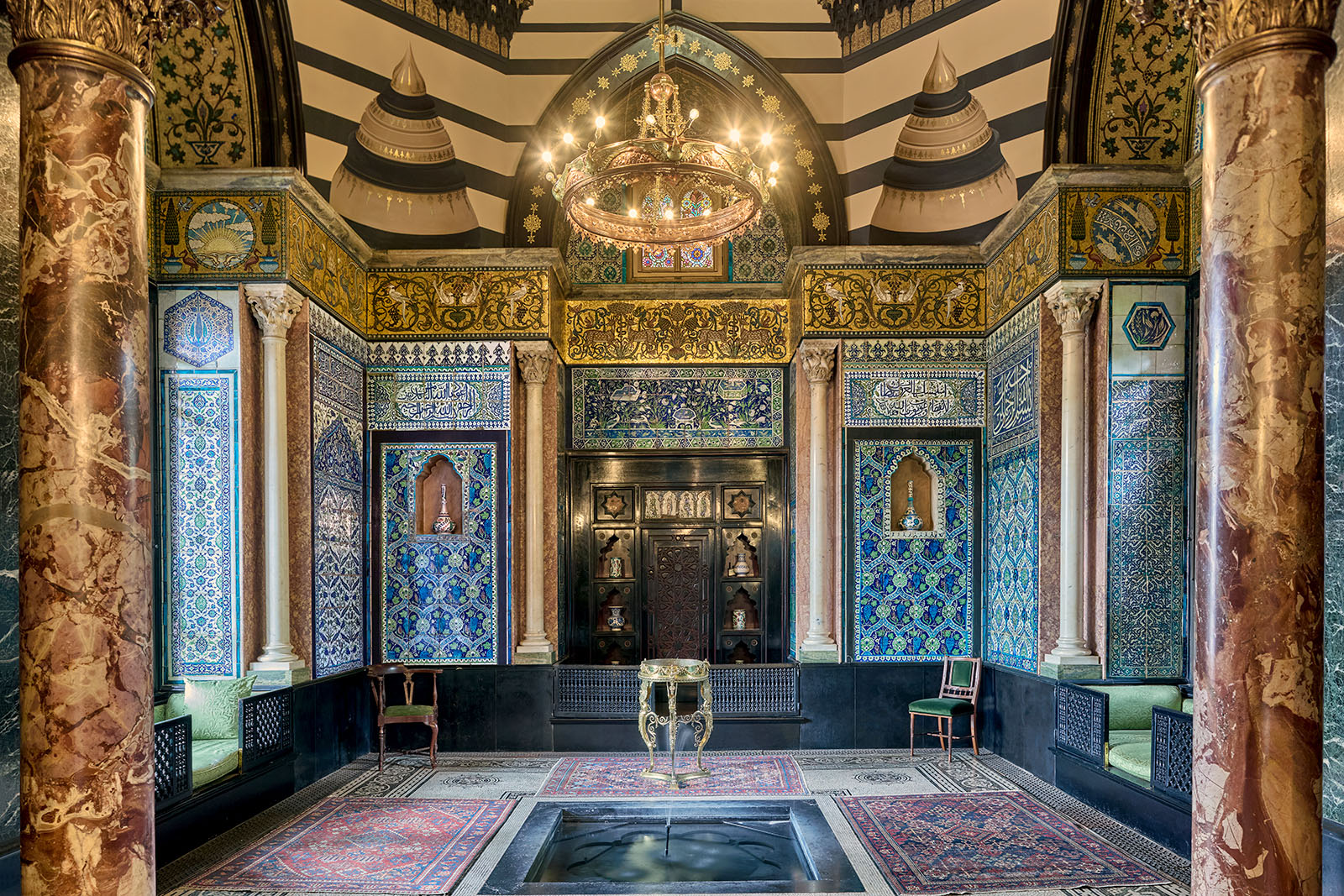
The hall, hidden behind a modest, 19th-century red-brick facade, is decorated in vibrant antique tiles from Damascus, Turkey and Iran. “I felt like I was passing through an old Damascene house and I was not a stranger somehow,” she says.
Leighton House is the former home of Victorian painter and sculptor Lord Frederic Leighton, on which he began construction in 1865. Leighton was part of the Holland Park Circle, a group of wealthy artists based in west London including GF Watts and William Burges.
Among Leighton’s early patrons was Queen Victoria, who purchased his first submission to the 1855 summer exhibition of the Royal Academy. In 1878, he became president of the RA, serving in the role for 18 years.
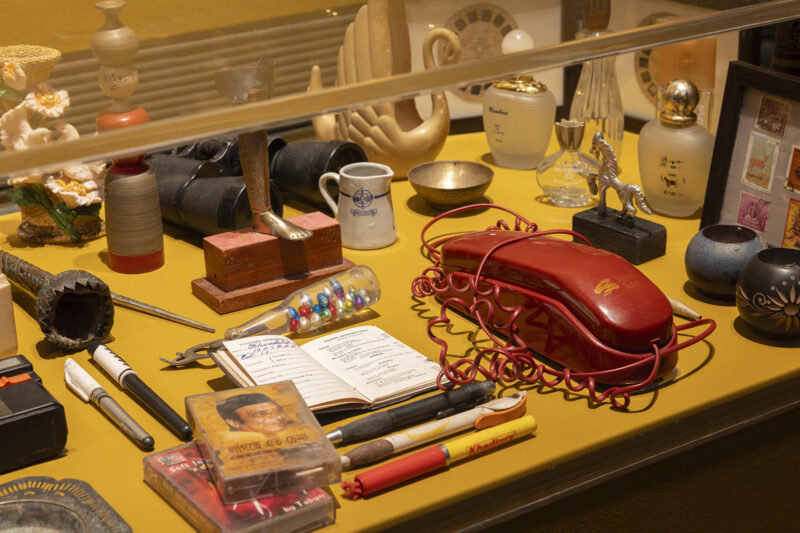
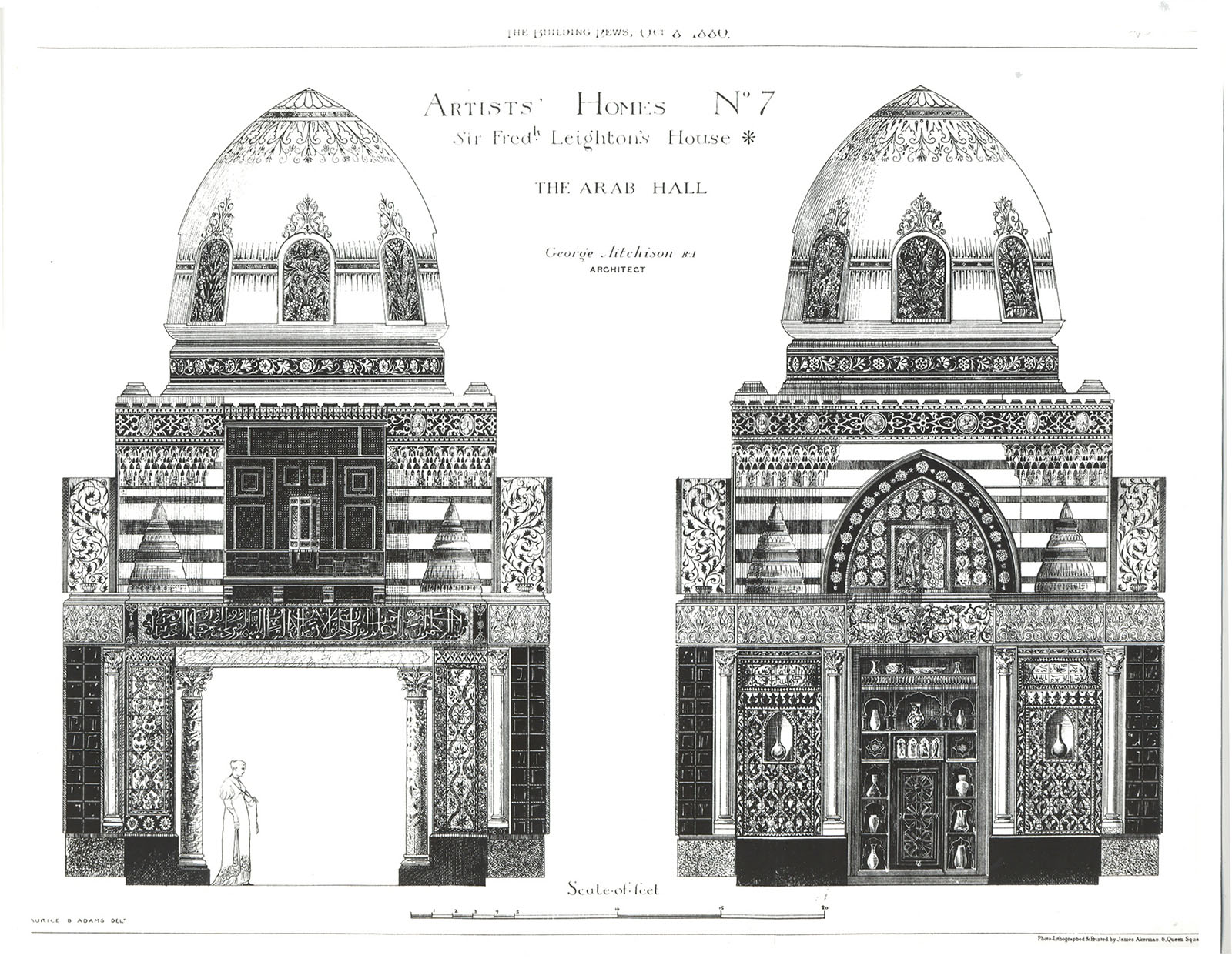
Since 1929, his former home has been open to the public, showcasing Leighton’s oil paintings as well as works by other contemporaries. The Arab Hall, which was added as an extension to the main building in 1881, is approached through a foyer and reception decorated with objects from the artist’s collection: wooden panels with mother-of-pearl inlay work, a taxidermied peacock, vases, ceramics.
A chandelier hangs from the hall’s golden domed ceiling, the space’s grand height initially obscured from view. A fountain sits underneath and the room is lined with tiles inscribed with calligraphy bearing the Islamic declaration of faith and verses from the Qur’an, while others bear floral motifs and illustrations of deer, fish and birds.
“For me, it was the same logic of Damascene houses,” Kaadan explains. “The facade is always humble. It is when you go through a small door that you discover the fountain, the courtyard, the house, the jasmine, the tiles.”
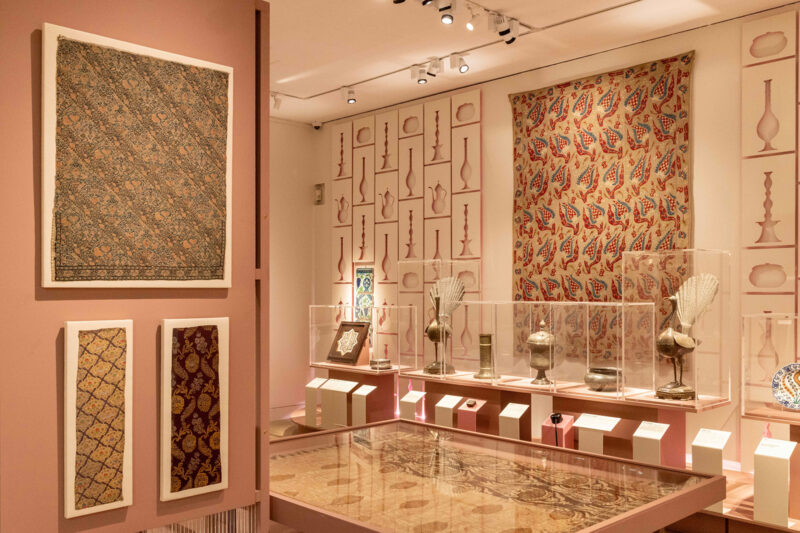
Kaadan, the first Arab woman to twice win awards for her films at the Venice Film Festival, has created a short film for The Arab Hall: Past and Present. The exhibition opens on 21 March and commemorates Leighton House’s centenary as a public museum managed by the Royal Borough of Kensington and Chelsea.
When The Tiles Spoke blends documentary and magic realism, narrating the tiles’ histories before Leighton, voiced by actors Khalid Abdalla, Leem Lubany and Soad Fares. “The house that held me crumbled. Fire, perhaps, or neglect,” one of the voices intones. “Perhaps I was taken, stripped from the wall, sold as a bargain. But tell me, should history ever be put up for sale?”
Part of a collection that Leighton purchased on travels to Greece, Turkey, Egypt and Syria in the 1860s and early 1870s, the tiles were among his several acquisitions, in addition to ceramics such as mashrabiya window screens and qamariyya stained glass windows.
Leighton’s interest in the aesthetics of the Islamicate world, exemplified in the orientalist visuals of his own paintings, was part of a wider movement of Victorian artists and designers turning eastward, concurrent with British imperialist expansion. Leighton’s journeys in the region provided him with subjects for his landscape sketches, as well as first-hand exposure to new visual traditions.
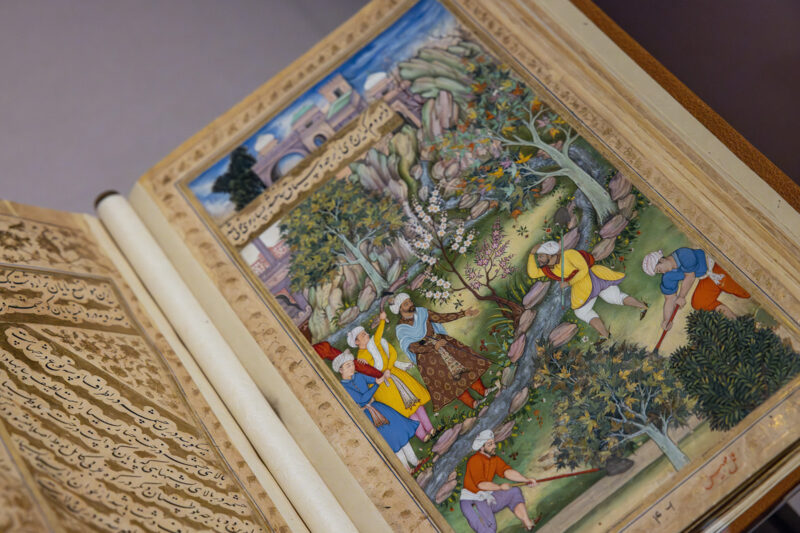
From the 1860s onwards, proponents of the aesthetic movement in Britain looked towards Islamic decorative arts as a source of influence. Architect and designer Owen Jones’s 1842 publication on the Alhambra complex in Spain and subsequent reproduction at the 1851 Crystal Palace exhibition, introduced British audiences to the “decorative possibilities of architectural tiling in the Islamic tradition”, writes scholar and Leighton House trustee Melanie Gibson.
Jones’s monograph was sought after by architects and decorators, who replicated the Ibero-Islamic style of the Alhambra for “Moorish” smoking rooms, such as that of Rhinefield House in Hampshire. Textile designer William Morris remarked in 1882: “To us pattern designers, Persia has become a holy land.”
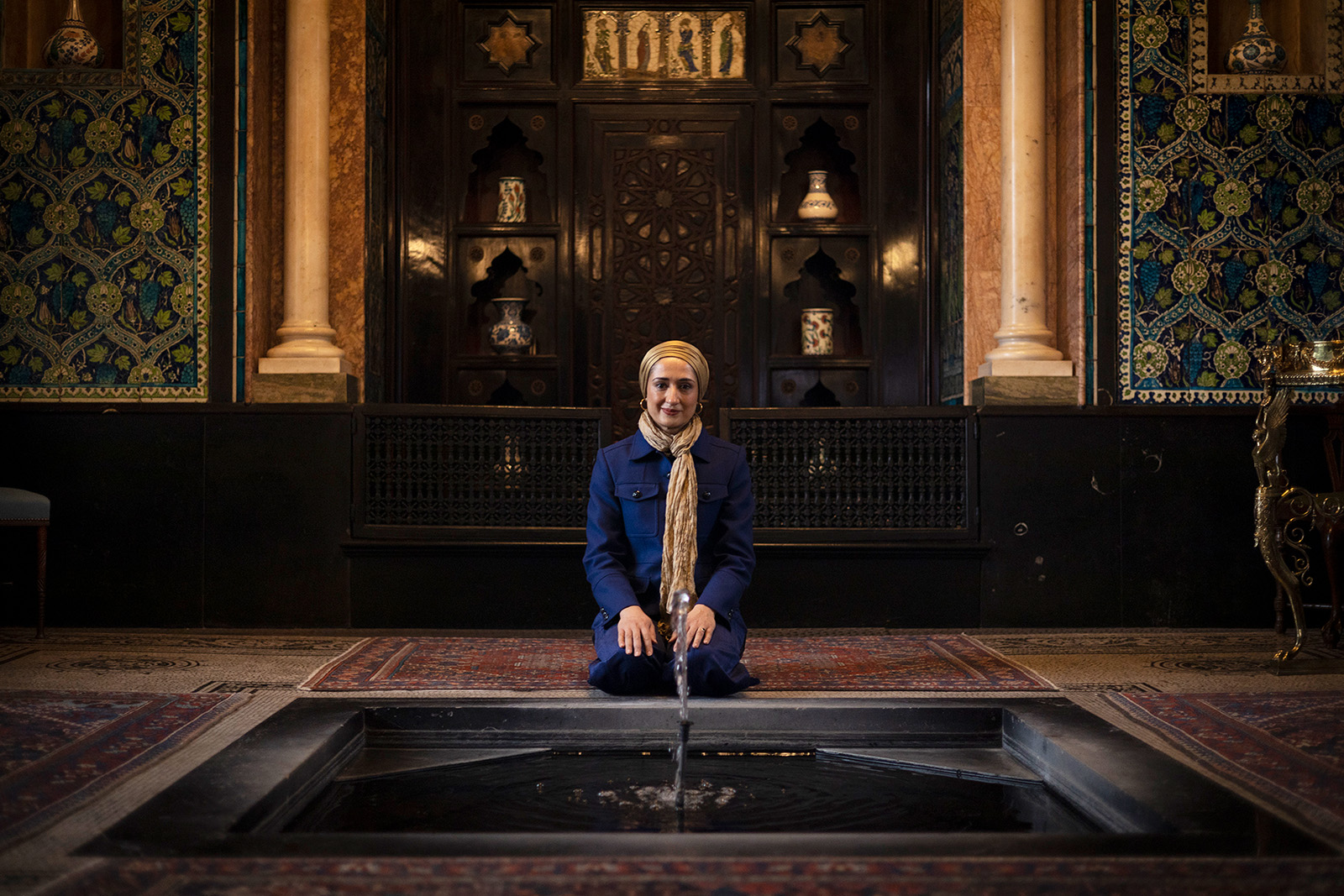
“I think there certainly were within other houses in London suggestions of the influence of the Far East and the Near East and India, but I think nobody went to the extent that Leighton did of actually positively extending his house in order to construct a space — the Arab Hall,” says Daniel Robbins, senior curator of Leighton House.
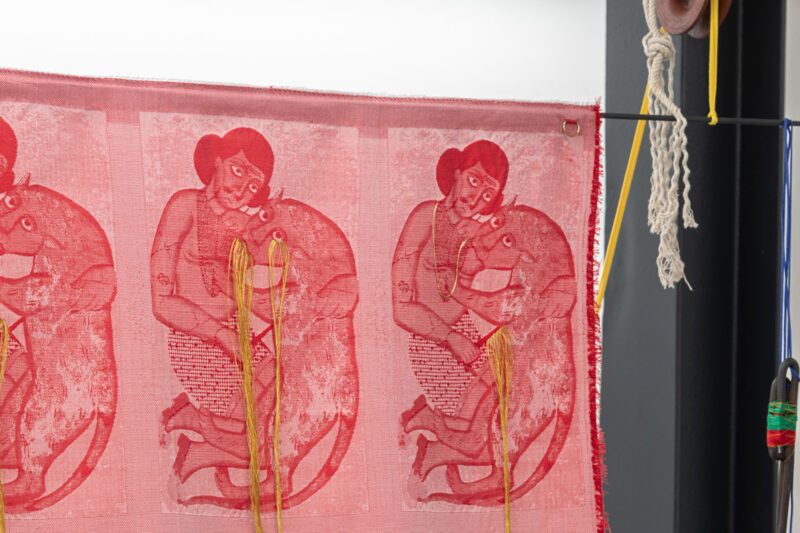
Also in the exhibition are a series of site-specific commissions from London-based Lebanese artist Ramzi Mallat, British-Bangladeshi artist Kamilah Ahmed, and calligrapher Soraya Syed. The inclusion of contemporary art, Robbins explains, is part of the museum’s efforts to speak to diverse audiences.
“I think it’s very important for somewhere like Leighton House not to be seen as a moment in time and a historic, static environment, but one that actually has a life and is continuing to keep questions and issues alive and debated,” Robbins says.
“What we’re conscious of — and obviously many museums at the moment are very preoccupied with — are questions of cultural appropriation and the circumstances in which collections were formed,” he adds. “Whatever Leighton’s motivations were, he clearly invested a great deal in the realisation of the space, and implicit in that is some sense of celebration on his part.”
In January, when Kaadan finally returned to Damascus for the first time in 14 years, she visited the Umayyad Mosque. Having been immersed in the creative process of her film and Leighton’s tiles in the prior months, she found herself drawn to the fragments of mosaics scattered along the mosque’s walls.
“I paused at details I had passed a thousand times without noticing,” Kaadan says. “I realised the film had quietly reshaped how I see the places I thought I knew so well.”
The Arab Hall: Past and Present is on at Leighton House from 21 March to 4 October.
The Arab Hall, Frederic Leighton: Traveller and Collector by Melanie Gibson will be published by Gingko on 19 March.