

Ramzi Hammad is carving out a new identity for the Zurich jazz scene
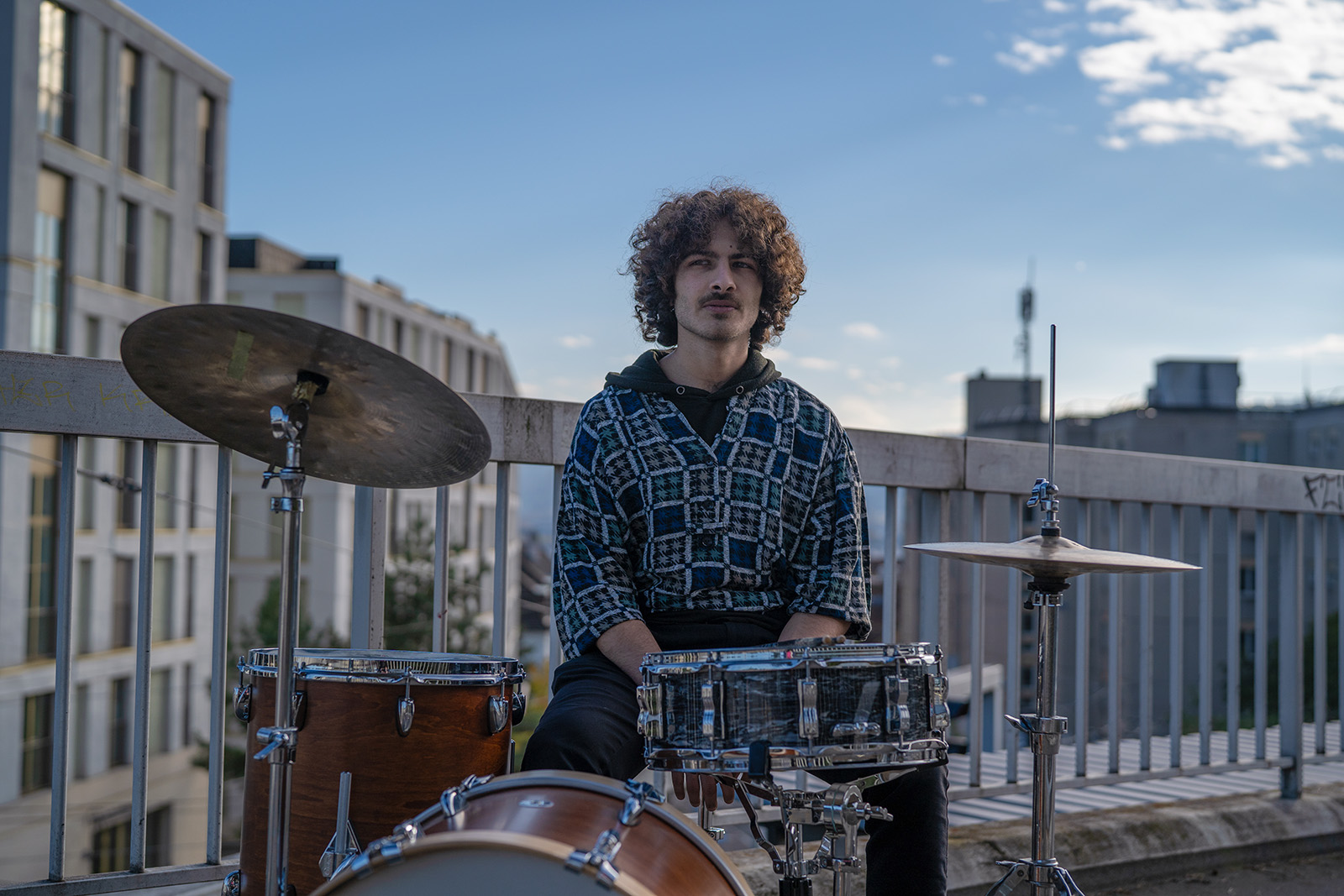
The Swiss-Palestinian drummer and band leader’s work blends Arabic musical traditions with the spontaneous thrill of improvisation
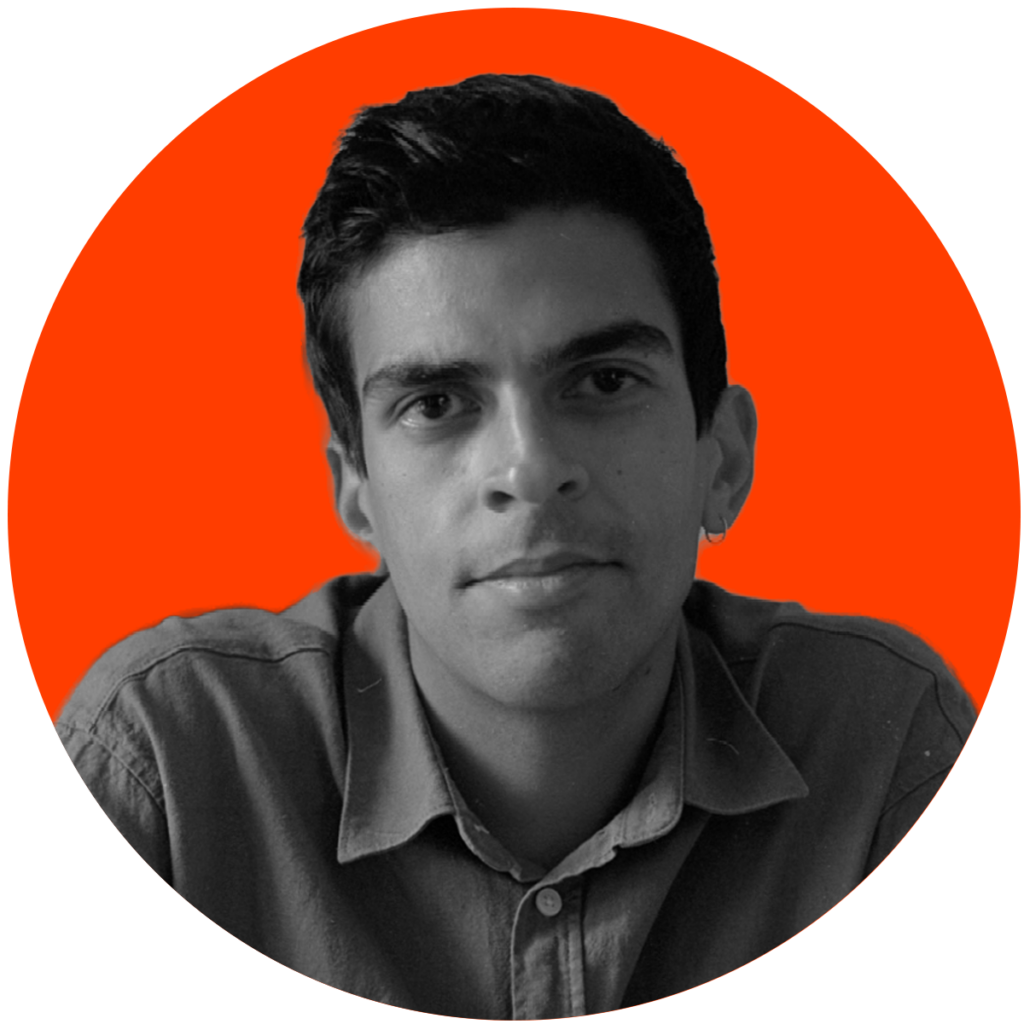
“London, New York, Barcelona, these cities all have music that’s distinctly theirs but Zurich doesn’t,” Ramzi Hammad says. “I want to put my city on the map with a sound of its own.”
The Swiss-Palestinian drummer and bandleader began releasing music with his 2025 debut EP Melting Pot and is already making waves with his distinct blend of jazz improvisation with Arabic melodies and rhythms.
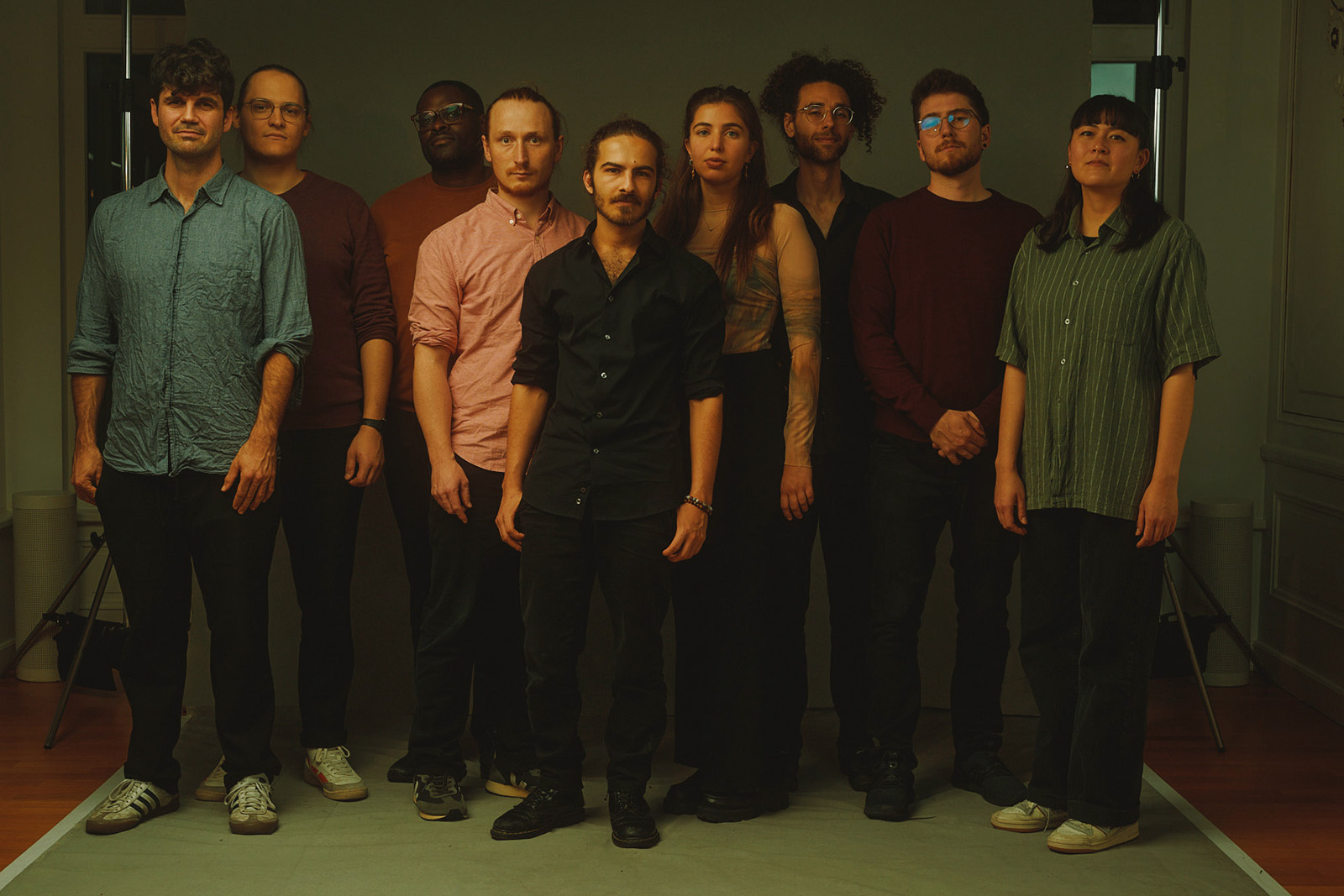
The 26-year-old musician was selected for the prestigious Montreux Jazz Festival Residency 2025, which pairs up-and-coming artists with mentors such as the celebrated Detroit techno producer Jeff Mills and jazz pianist Christian Sands. Now, on 15 March, he set to play his debut UK show at the Southbank Centre, alongside a six-piece touring lineup of his band, as Ramzi Hammad & Collective.
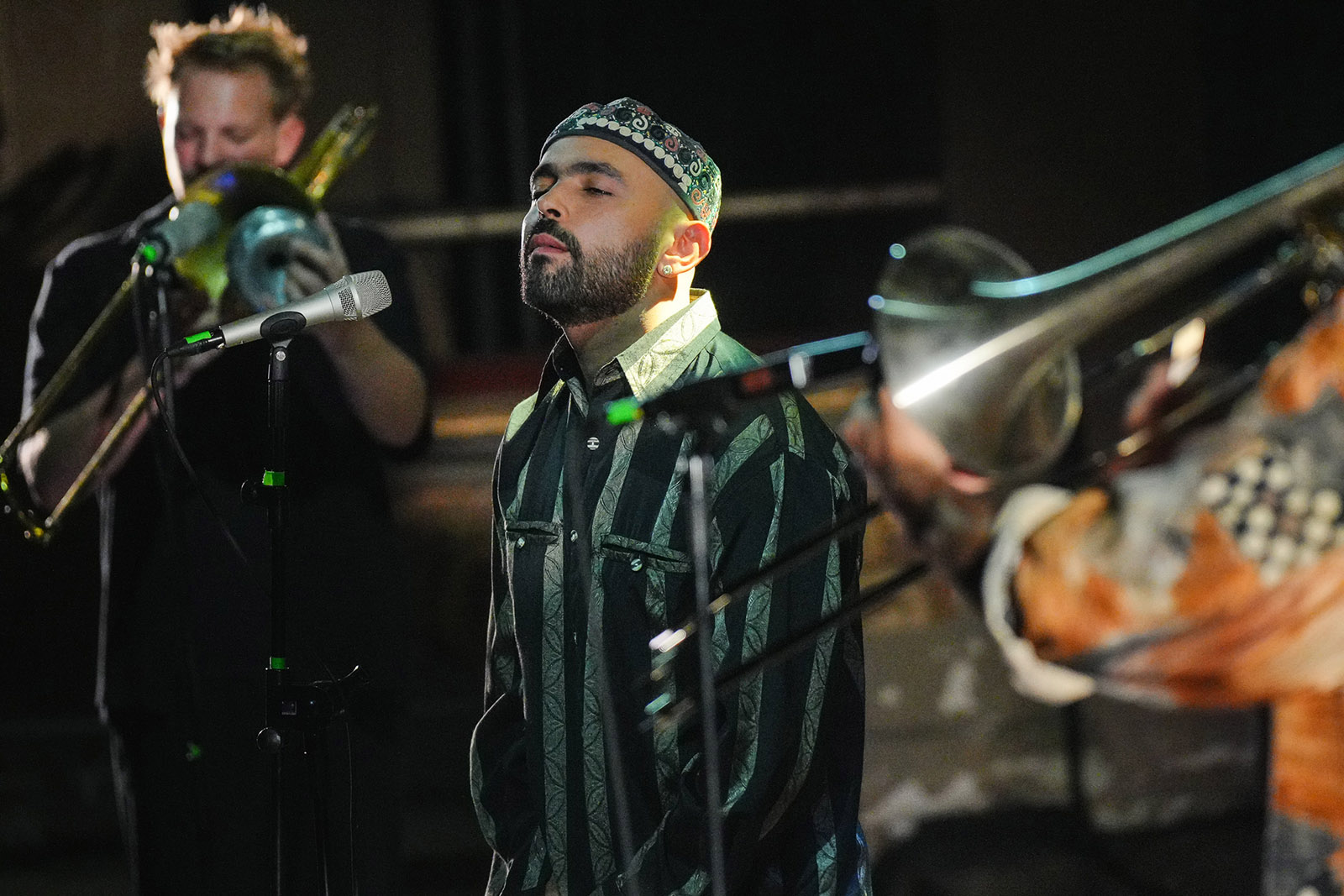
“I’ve lived my whole life here in Zurich and while it’s a small city, it has the biggest population in all of Switzerland,” he says over a video call from his home. “It is super-diverse and full of second-generation immigrants, like myself. That means the music scene is equally varied and no one plays any one style — lots of us came up through the open mic nights in town, learning to play everything from jazz to hip-hop and reggae. We are the sound of that diversity and we could do better to make it more known.”
Melting Pot is a reflection of that genre-hopping approach and features his full eight-piece multinational band delivering a raucous sound anchored by undulating percussion and intricate kit drums.
A rollicking darbuka rhythm sets the tone on the opening Olive Tree, with guitarist Rich Harpur laying down a melismatic, maqam-influenced melody, while Reet sinks into a downtempo, Afrobeat-inspired groove punctuated by horn fanfares. The closing Afro-Cuban fusion of Cross Rhythms wraps up the three-track record in explosive style, featuring a thunderous rhythmic breakdown shared between Hammad and percussionists Raphael Zuzak and Jonas Hutter.
“When it came to writing the EP, I had started to think more about my own identity and what this city means to me,” Hammad says. “I wanted to express my existence as a second-generation immigrant and what that displacement of living between cultures might sound like. It’s an identity of its own and so many of the others in the band share it too, with people having roots in South Africa, Japan, France and Congo. We all bring aspects of those cultures to our freeform playing.”
Growing up in a place better-known for its financial institutions than its music scene, Hammad immersed himself in his father’s Palestinian heritage from a young age. Taking an immediate interest in the beloved Arabic singers Fairuz and Umm Kulthum, whose tapes his parents played around the house, Hammad soon started taking darbuka lessons from his dad, who was a keen amateur player.
“I took to it very naturally and by 10 years old I was getting on stage with him to play Palestinian fundraising concerts in our local community,” Hammad says. “I progressed to the drum kit at 11 but I didn’t think it was something I wanted to do with my life until I was 16.”
Hammad gained his first experiences of live performance playing in high school bands. He was irresistibly drawn to the spontaneous thrill of group improvisation.
“It was like anything could happen in the moment we would be playing,” he says. “It was also during that time the UK jazz scene was having a resurgence. All of my friends were really into the record Black Focus by Yussef Kamaal. It felt really exciting hearing jazz blended with things like dance music or hip-hop and it inspired me to do the same.”
Determined to hone his chops and tap into the energy of the local jazz scene, Hammad spent the next year going to jam sessions and concerts every night. Then he enrolled in music school, where he met the majority of his present-day band members.
“I used to go to this coffee shop called Kon-Tiki where they had a reggae jam night, as well as the jazz jam at Moods, which is probably the most famous spot here,” he says. “Playing for the first time at a new jam is always nerve-racking but the more I showed up, the more I understood that audiences don’t care if you play perfectly. It’s all just about an energy exchange. If you can connect with them, it’s so freeing.”
While playing with the Collective, Hammad has been able to discover his skills as a composer and now with a second EP and debut album in the works, he plans to delve deeper into his roots than ever before.
“I have so many family members in the West Bank and the last time I saw them was the summer before the 7 October attack,” he says. “That trip felt like the first time I’d been there as an adult and it was when I realised I should really cherish this side of my heritage and learn about it more. It’s meant that I’ve been going back to all the tapes my dad used to play and transcribing melodies, as well as learning Arabic music and percussion again.”
The result is the first track, titled Fayruz, from his as-yet-untitled second EP. Named after a singer regarded by many as the first lady of Lebanese music, the three-minute track interpolates her signature soaring vocals into woodwind lines that glide over meandering polyrhythms.
Echoing the shrill pitch of a ney flute or the rattle of a darbuka, the song brings a sense of folk traditionalism into a conventional jazz setting of soprano saxophone, drums, bass and guitar. It’s the first step in a new direction that Hammad hopes will come to define his nascent Zurich sound.
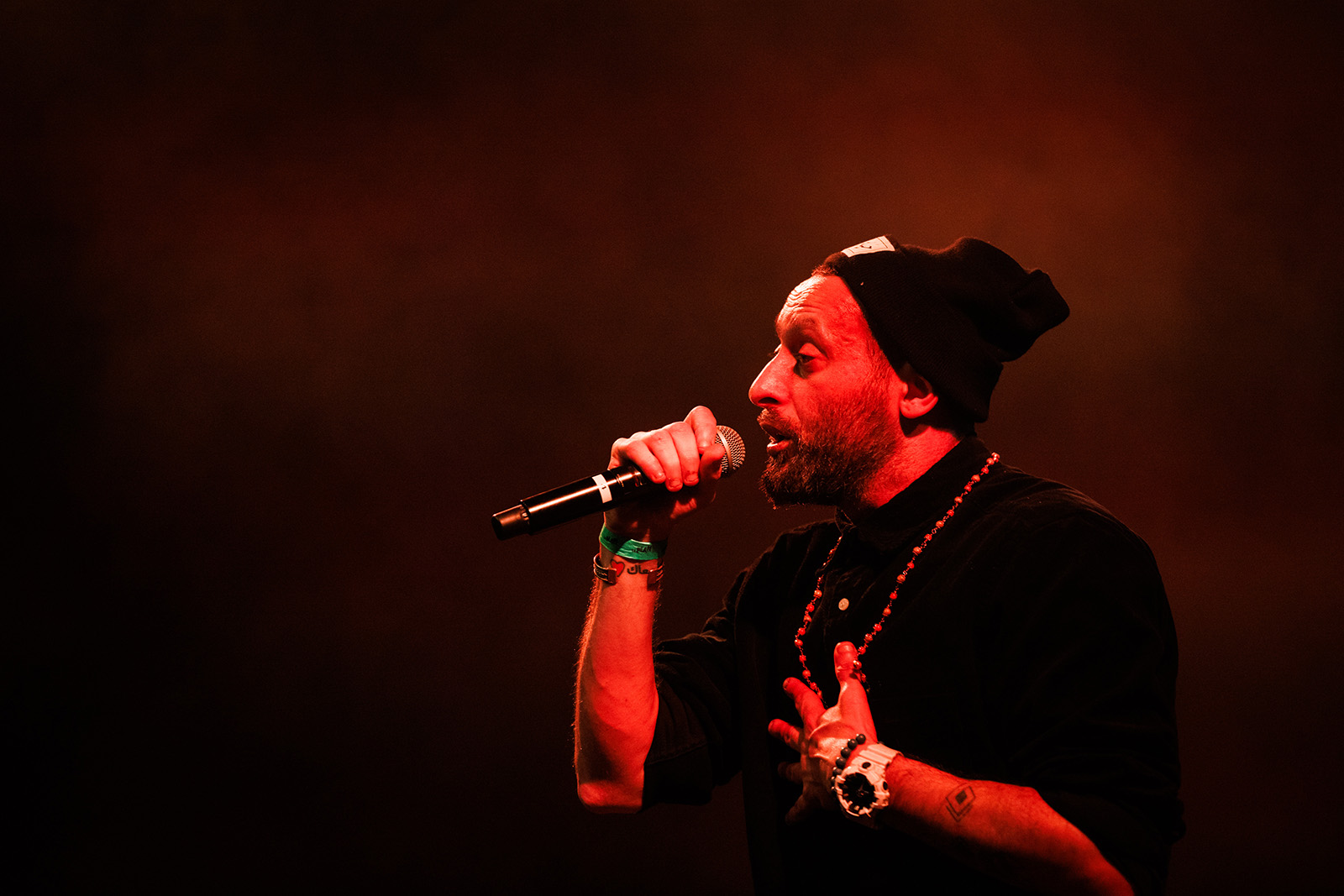
“I want to represent Palestine and my Arabic influences, as well as Swiss culture,” he says. “I’m currently working on writing my debut album and I’m excited to see where it takes me. Maybe I’ll blend it together with traditional Swiss-German music — that’s something no one has done before.”
Until then, London audiences can look forward to seeing Hammad play his debut international show at the Southbank. It will feel like a homecoming of sorts, he explains, citing the influence of the UK capital’s jazz scene on his own work.
“It’s one of my favourite music cities in the world and I can’t wait to bring our second-gen Swiss energy to the stage,” he says. “Audiences can expect the magic of us creating something new on the spot but it will all be music that aims to move them. No matter the influences, it’s just songs for your brain and your booty.”
Ramzi Hammad & Collective play London’s Southbank Centre on 15 March.