

Can you really categorise hair into types?
Curious to find ways to calm my natural frizziness, I went searching for answers from a hair historian, trichologist and a scalp analyst
Growing up, I always felt conflicted about my hair. Sometimes I liked that there was so much of it, that it was coarse and thick — something I put down to the mustard seed oil scalp massages I’d learned from my mother. While my friends complained of freshly styled curls falling flat within an hour, my hair could hold a blow-dry for days. At my school leavers’ assembly, I won “best hair” in the year group.
But most of the time, it’s a nuisance. It takes ages to wash, even longer to dry. Though I’ve learned to tame its natural frizziness by perfecting a blow-dry routine, I haven’t mastered how to let it air-dry without becoming an unruly mess. I’ve tried countless shampoos, conditioners and leave-in treatments, but I still haven’t found a routine that works.
Over the past few months, I’ve been trying to understand my natural hair and how best to care for it. I recently came across the hair-typing system on TikTok — my algorithm knows me far too well — which was created in the late 1990s by Oprah Winfrey’s stylist, Andre Walker, essentially as a way to market his own product line. “If you know and understand your true hair type, you’ll be able to find a formula that will let you take care of your mane with ease,” he wrote in his book, Andre Talks Hair!.
Related content
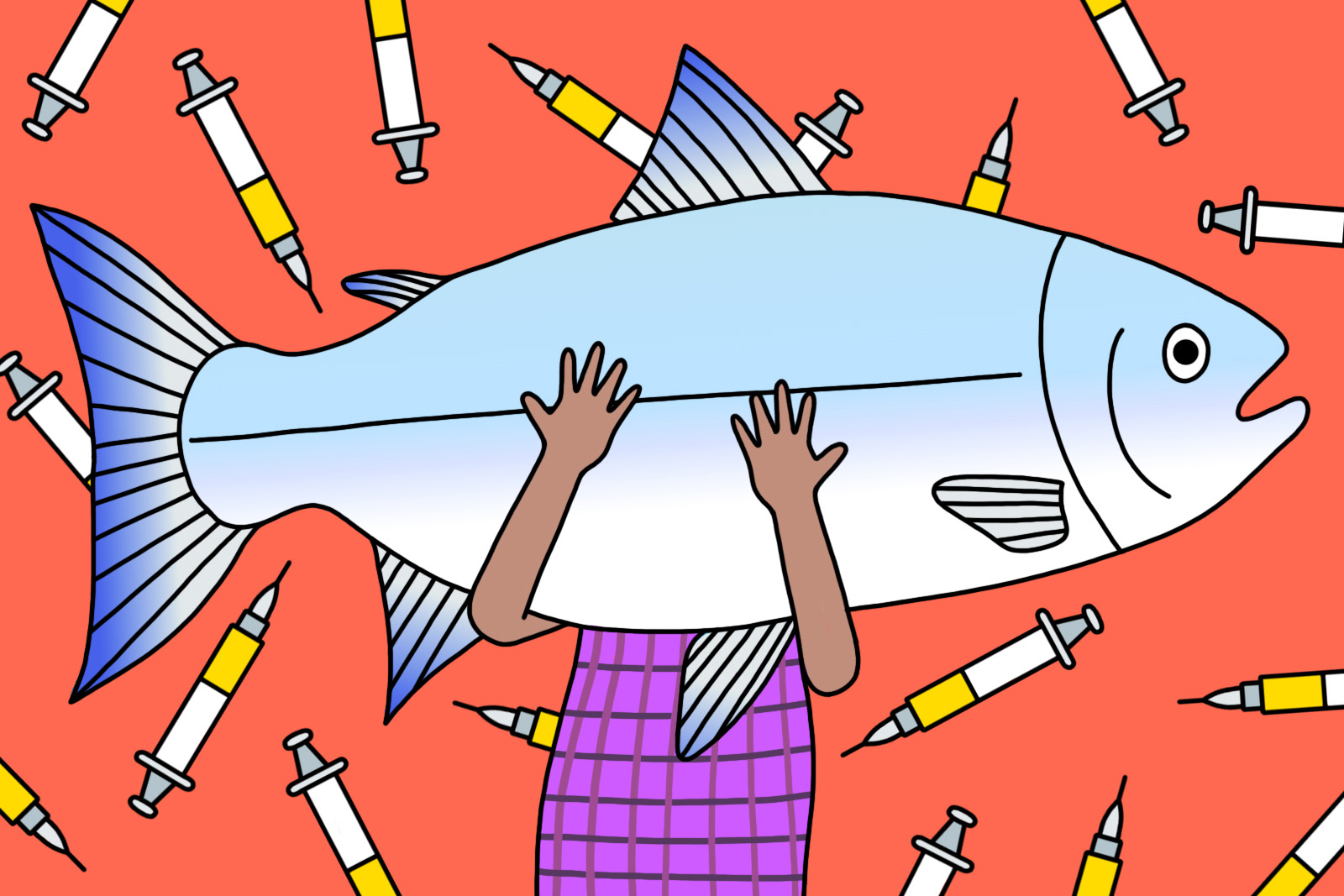
The concept took hold and has become the most widely used marker for different types of hair. Type 1 is straight, type 2 is wavy, type 3 curly and type 4 is kinky. There are also three sub-categories, A, B and C, based on thickness and frizz. On TikTok, you can find hundreds of videos from creators recommending products tailored to each category.
I decided I was type 2C (wavy, thick hair) and stocked up on the suggested shampoos, conditioners and treatments that were recommended by a popular TikToker. But it didn’t seem to work. Frustrated by the lack of progress, I was left wondering, can you really classify hair into such rigid types? I decided to look beyond the trending videos to find out whether the system was based in science or just marketing.
Many professionals are unconvinced by such categorisations. Samantha Stewart, a London-based trichologist, believes the system is based solely on the visual perception of our hair and therefore doesn’t take into account our lifestyle factors, the environment we live in, or what we do to our hair. Yet this is what we should be thinking about when building a haircare routine.
“Hair is dead. As soon as it comes out of our head, it’s purely under the influence of whatever you do to it,” she says. “Therefore if you are following advice for say, type 1 hair, and then you bleach it, it will likely mean that this regime will no longer work.”
Stewart adds that curly hair types likely don’t fall into just one category. “Hair is individual. Anyone who has curly hair knows that we don’t have one curl type on our head. Basing product choice solely on type is where people go wrong.”
Issues with categorisation go beyond its oversimplifications. Some have criticised the system for favouring straight hair over other types.
Related content
Rachael Gibson, a historian who specialises in the history and culture of hair, says categorising hair in this way has a “complex past in pseudoscience and eugenics, which was often used to make racist judgements and maintain white supremacist ideologies”.
The idea of “‘good’ and ‘bad’ hair” has roots in slavery and purports racist stereotypes that linked physical features, including hair texture, to ideas about intelligence and worth. This created a beauty standard that, Gibson says, never fully went away: “The pressure to conform to Eurocentric beauty standards prevailed through much of the 20th century and arguably still impacts how those with certain hair textures are treated.”
Gibson adds that though this “is inherently racist”, today “many cultures still associate straight, smooth hair with neatness, cleanliness and ideas about control and orderliness, while hair that’s kinky or curly is seen as the opposite”.
There is, of course, no hierarchy and looking after hair depends on your individual needs.
So how do I go about building a hair routine that tames my frizzy natural hair? Stewart says effective haircare should start with hydration and moisture, through shampoo and conditioner. The products that follow should be chosen based on what you want to achieve from your hair. In my case, a conditioning agent with a heavy sealant for a natural look.
Beyond products and styling, experts emphasise the importance of scalp health. “The scalp is the living foundation from which hair grows,” says Stewart. “Keeping the scalp properly and regularly cleansed helps maintain a balanced microbiome and supports healthy hair growth.”
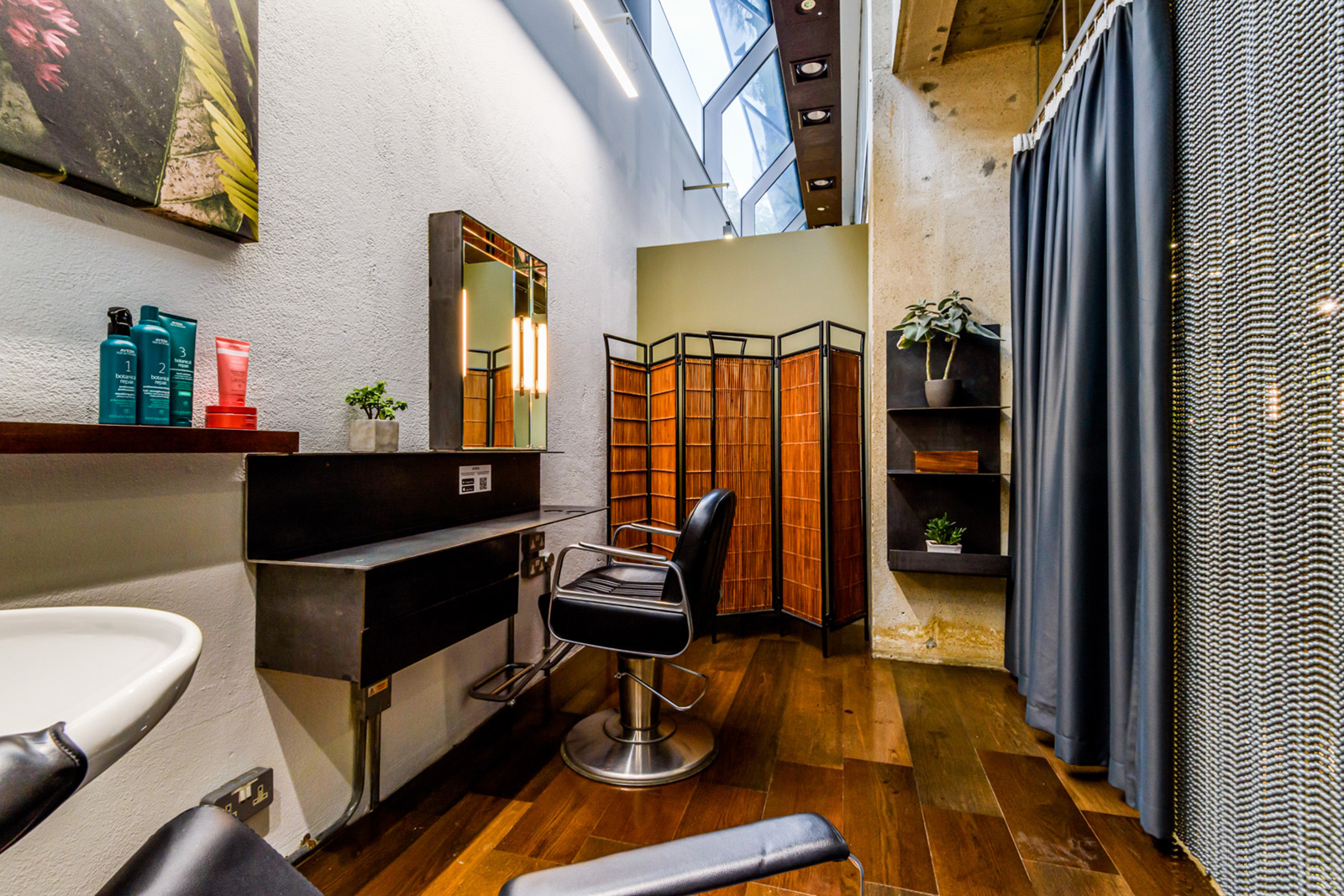
Curious to understand more about the health of my scalp, I visited the clinic Kama Ayurveda for an analysis by Dr Priyanka Balachandar.
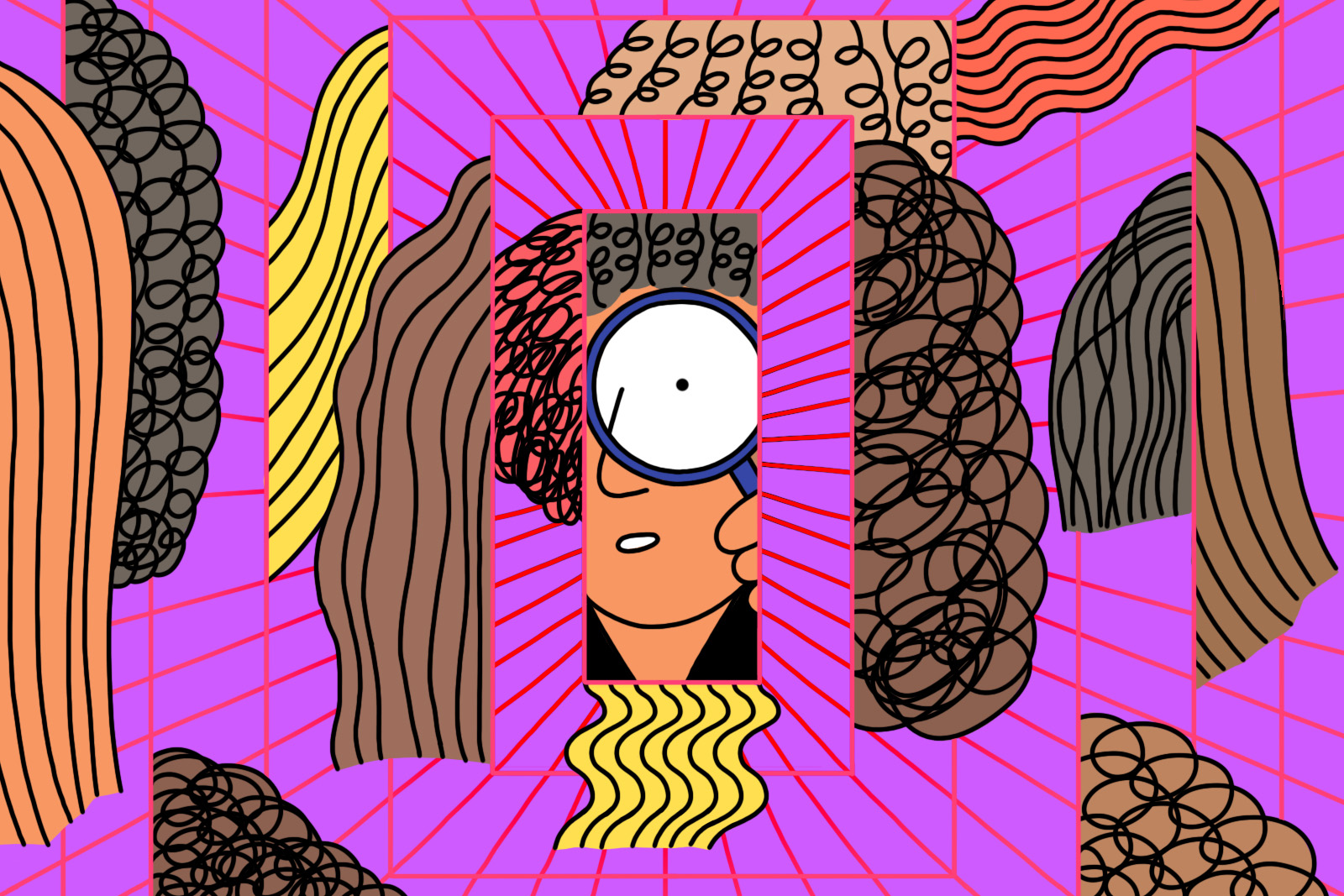
Balachandar takes a scalp scope — a specialised magnifying camera — and begins combing through different sections of my hair while I watch on a handheld device.
Related content
She examines the hair itself and says I have a good shine and strong roots showing I’m eating a hair-healthy diet, rich with vitamins and essential fatty acids, zinc and iron.
Balachandar then takes a closer look at my roots and finds a slight build-up, pointing to a waxy layer where the hair meets the skin. Build-up on the scalp is usually the accumulation of sebum, dead skin and hair products.
“Due to build-up, your scalp environment isn’t optimal for new hair,” she tells me. “We need to revisit how you are detoxing your scalp. Your external habits need adjustment.”
Balachandar says itchiness, irritation and flakiness are signs of build-up, which can make it harder for new hairs to emerge from follicles. She suggests I cleanse my scalp and wash my hair three times a week using a stronger, detoxifying shampoo to get the sebum under control. I’ve been doing this for just over a month now and I’ve noticed my scalp feels much calmer.
I have come to accept that there is no universal formula when it comes to hair. The hair-typing system promised clarity but delivered a bathroom shelf full of half-used products that didn’t work. I believe I have a clear understanding of my own hair now, not because these experts offered definitive answers, but because they approached hair as something individual rather than something to be categorised.