

How a Nigerian-Irish teacher hopes to reform Ireland’s school system
Frustrated by the lack of support for educators from ethnic minority backgrounds, Baisat Alawiye started an initiative to change that
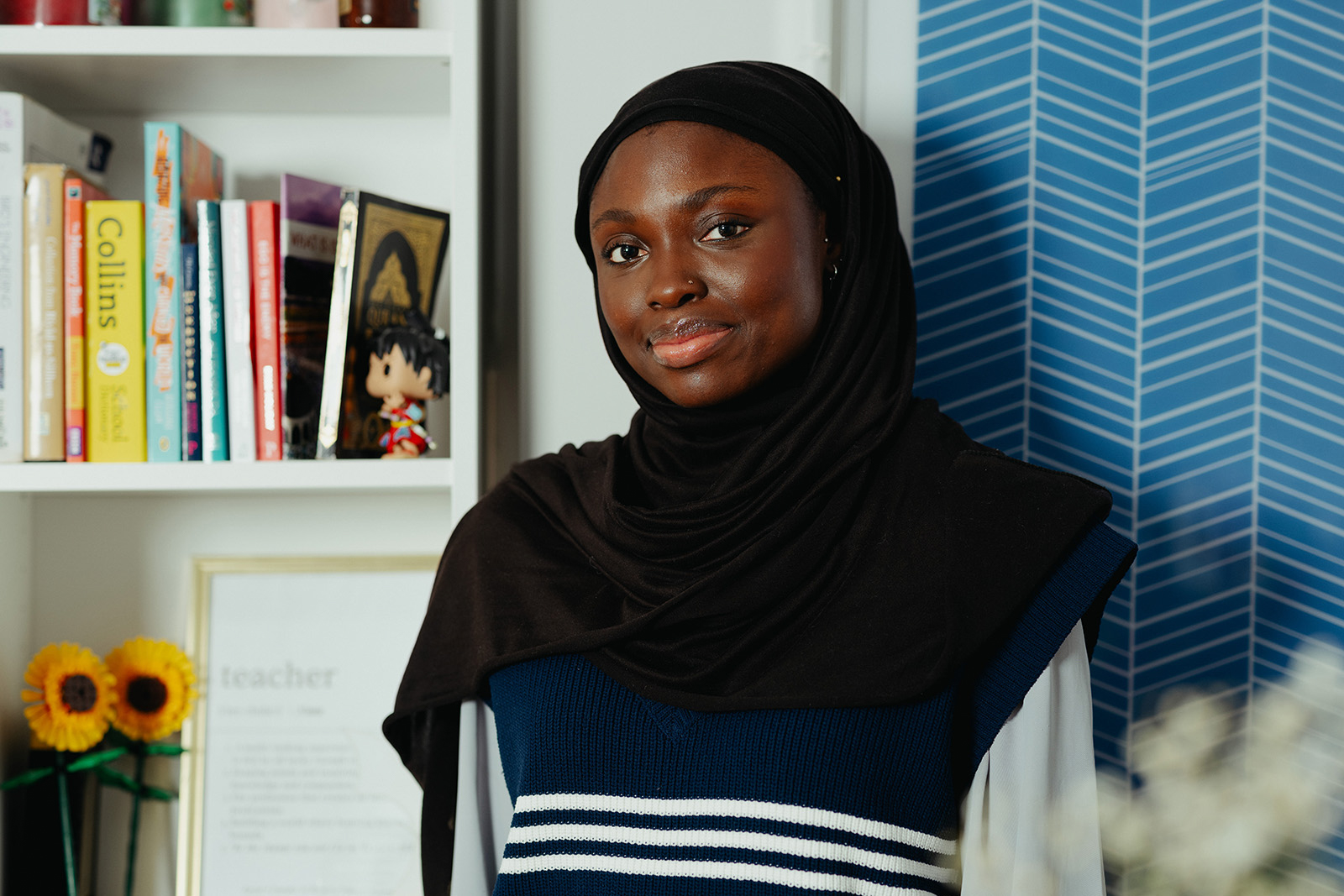
What happens when a country’s classrooms don’t reflect the communities they serve? For Baisat Alawiye, a newly qualified Nigerian-Irish teacher, the answer was simple: you try to change them yourself.
Born and raised in Dublin to Muslim Nigerian parents, Alawiye’s childhood dream of becoming a teacher was a surprise even to her family. “I remember the day when I told my mum that I wanted to be a teacher,” the 24-year-old founder of Minority Teachers Ireland (MTI) recalled. “My mum said: ‘Do they allow Black people to be teachers in this country?’”
After gaining a bachelor’s degree in English and Psychology and a master’s in primary education, Alawiye started work as a primary school teacher in September 2025. She loves the job, but as her mother’s reaction anticipated, it was a difficult journey getting there.
Alawiye struggled during her teacher training. She felt issues of racism and discrimination were not addressed in a sufficiently practical or sustained way. While her course included elements relating to equality and inclusion, she said these often came late in the programme and did not feel embedded throughout her training.
Initial teacher education programmes in Ireland are accredited by the Teaching Council, which requires providers to incorporate inclusive education and intercultural awareness into their curricula. In recent years, anti-racism and equality workshops have often been delivered in partnership with external organisations such as Show Racism the Red Card and the Praxis Project. However, the depth and format of this provision varies between institutions.
“I guess it’s more nuanced. I was the only Black person in the room, so I would have been the only one to pick up on certain things that I felt were missing. And although we did have a fantastic lecturer, it was clear that it wasn’t really a priority,” Alawiye said.
“It is crucial to address these issues. There were so many things that I wish educators knew.”
Alawiye says this was further compounded by her participating in a two-week Gaeltacht placement (an Irish language immersion programme) during Ramadan. Halal food was not readily available and she found it difficult to negotiate eating at different times from other trainees, and she had to find a suitable place to pray. She also observed that paths leading up to the placement’s location were not compatible with wheelchair access.
Ireland’s Department of Education has recently released figures showing the country has more teachers than ever before — more than 78,000. According to data released by the Irish parliament in February 2025, there has been a 20% increase in the number of student teachers graduating between 2018 and 2023, alongside a 30% rise in teachers registered with the Teaching Council since 2017.
While there are no official 2024/2025 government statistics publicly available yet that show a breakdown of teachers by ethnicity, country of birth, and religion, Irish media reported that in 2021, 99% of more than 65,000 teachers across primary and secondary education in 2021 were white, Irish-born and Catholic. Only 1% of primary teachers and 2% of secondary teachers come from minority ethnic backgrounds, compared to 10% of the country’s schoolchildren.
“If the same cycles keep repeating and the same types of individuals enter the teaching profession, how can we expect improvement?” Alawiye asked. “How can we learn more about our students and become culturally responsive educators?”
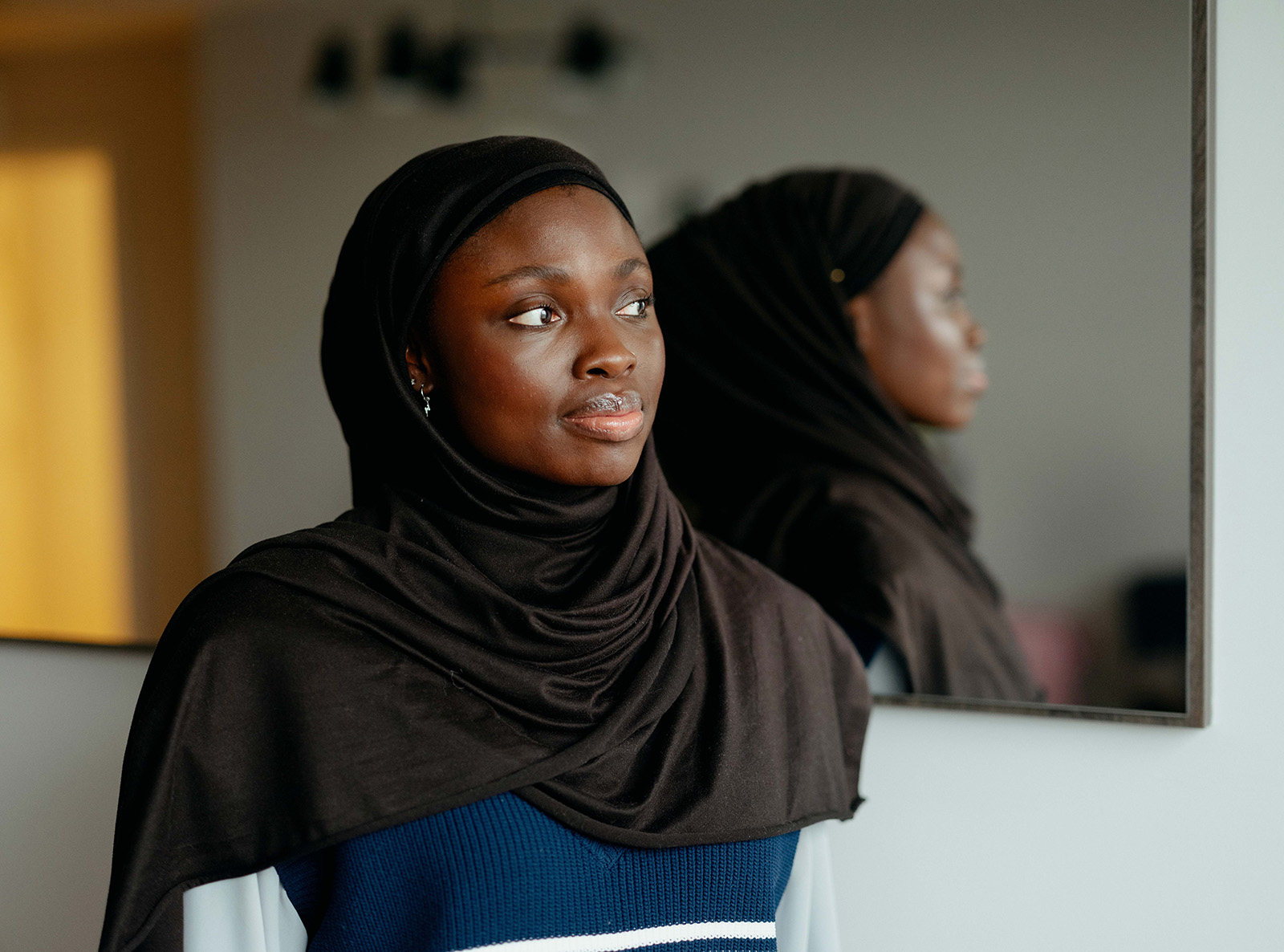
Before even entering the workforce, Alawiye had decided to help change it. In 2023, she launched MTI — a platform that supports and advocates for teachers from ethnic minority groups in Ireland, helping to build inclusive educational spaces and provide online resources for educators through social media platforms including Instagram.
As its website explains, MTI aims to “equip educators, students and institutions with the tools and confidence to build truly inclusive classrooms and foster meaningful Equality, Diversity and Inclusion (EDI)”. It does this by organising workshops for teachers, students and institutions aimed at tackling Islamophobia and racism.
“I believe that asking questions is crucial, and I want everyone to feel comfortable doing so,” she said.
Alawiye offers practical advice to teachers with Instagram posts offering tips on topics including How can I make my classroom inclusive from day one?, An honest discussion about EDI in the classroom and How to create conscious post-holiday discussions.
“When I create my posts, I have this eureka moment like ‘oh my gosh, wow, there’s nothing on this, so I really need to talk about this’.”
Alawiye has wanted to be a teacher since she was a child at Qur’an school, an educational environment in which the teachers were from ethnic minority backgrounds. “I was a very chatty kid and anytime I got particularly chatty and distracted others, my Kenyan Muslim teacher would send me upstairs to help her out with kids who were learning the Qur’an through Arabic. I started to enjoy it, it wasn’t a punishment anymore. That’s when I realised that I wanted to be a teacher.”
The Nigerian diaspora is among Ireland’s most significant non-EU migrant communities. In 2022, this community was 20,600, of whom 2,884 born in Ireland were dual citizens like Alawiye, navigating Nigerian and Irish heritages, parents and grandparents.
Alawiye’s experience of Ireland’s state primary schooling — where she was the only Black pupil in her class — was very different from her Qur’an studies.
“I was definitely othered a whole lot. Unfortunately, I think I adapted to that and was always the ‘loud or aggressive girl’. I think those environments made me play into those stereotypes,” she recalled.
“I think secondary school was when I really realised, ‘Oh my goodness, I’m Black, this is me, this is my identity, this is what I’d like to do, this is what I like to see, what I like to wear.”
Now, Alawiye’s workshops for teachers, students and institutions focus on tackling racism, Islamophobia and exclusion within Irish educational spaces. In Islamophobia 101, she unpacks both conscious and unconscious bias towards Muslims; What I Wish My Teacher Knew explores the lived experiences of Black and mixed-race pupils; Anti-Racism and Allyship for Teens is an interactive workshop designed to equip young people with the tools to recognise and challenge discrimination in their own schools.
Her work is already drawing praise and recognition. Among the positive comments on MIT’s Instagram account is a secondary school teacher and lecturer identifying themselves as Dr A Connor: “Baisat’s work is vital, as we strive to make our schools a truly inclusive space. The teacher workshop is relatable and practical.” Another anonymous teacher posts: “It was great to have the opportunity to ask questions in a safe space without judgment.”
In December 2025, Alawiye was shortlisted for the Professional Excellence in Academia award by the African Professional Network of Ireland. Looking ahead, she anticipates it might be a challenge to balance her MIT work with her responsibilities as a teacher, but she aims to keep pushing until equity and representation are no longer the exception but the norm in Irish education. “Teaching was an out-of-the-box choice for me, but then a year ago, I found out my last name is the title for a teaching book [in Nigeria], which is funny and ironic,” she said, suggesting that her work as a teacher may have been fated after all.