

The female cab drivers making roads safer for women and children
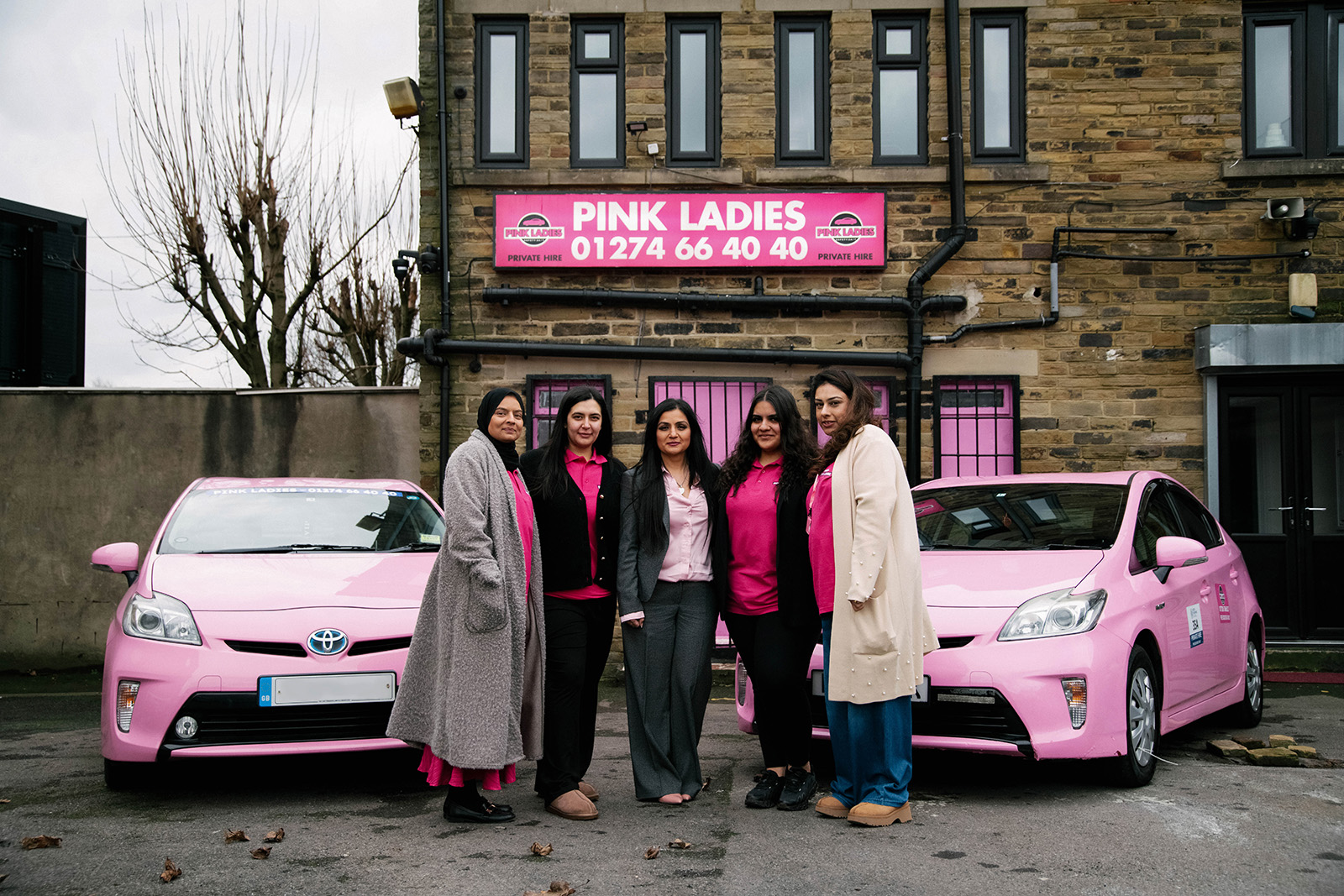
Pink Ladies and Annisa Cars are run by Muslim women and were founded out of a need to make taxis a safe travel option amid increasing reports of assault in private hire vehicles

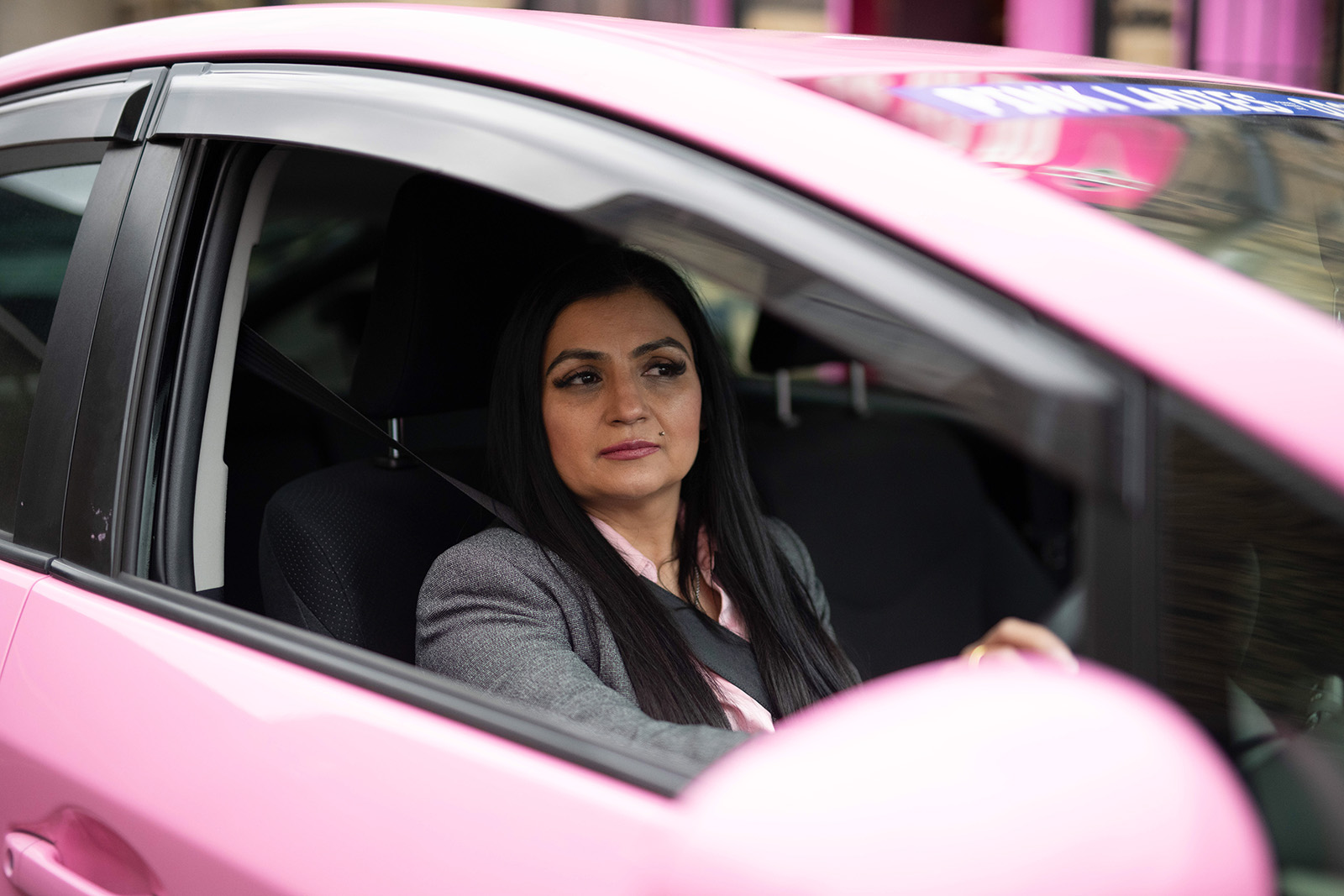
Atifa Ahmed’s day begins at 5am. She prays fajr, then puts on her pink uniform, starts up her minicab and begins a shift driving women and children around Bradford. Her husband, also a taxi driver, takes care of the school run and, at 6pm, they swap over so he can begin his evening shift.
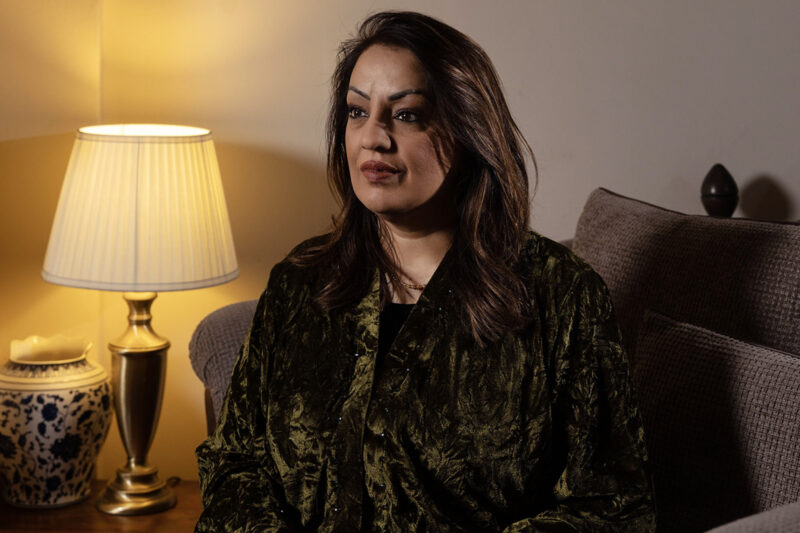
Ahmed, 36, will soon mark her first anniversary as a private hire driver. She’s part of the 12-strong team of female cabbies at Pink Ladies. Founded by Amberine Nawaz in 2023, the business began out of a need to make taxis a safe transport option for women and children.
A single mother who worked full time, Nawaz had to send her daughter to school in a taxi, but was always concerned for her safety. In 2017, the Guardian reported a 20% increase in reports of sexual assault in cabs in England and Wales in three years, from 282 incidents in 2014-15 to at least 337. In the Bradford district in 2023-4, there were 17 reported rapes and nine sexual assaults by taxi drivers as the suspected perpetrators.
Nawaz set up Pink Ladies, which only employs women, in Skipton and then a branch in Bradford last year “because there are going to be other mothers in my situation”.
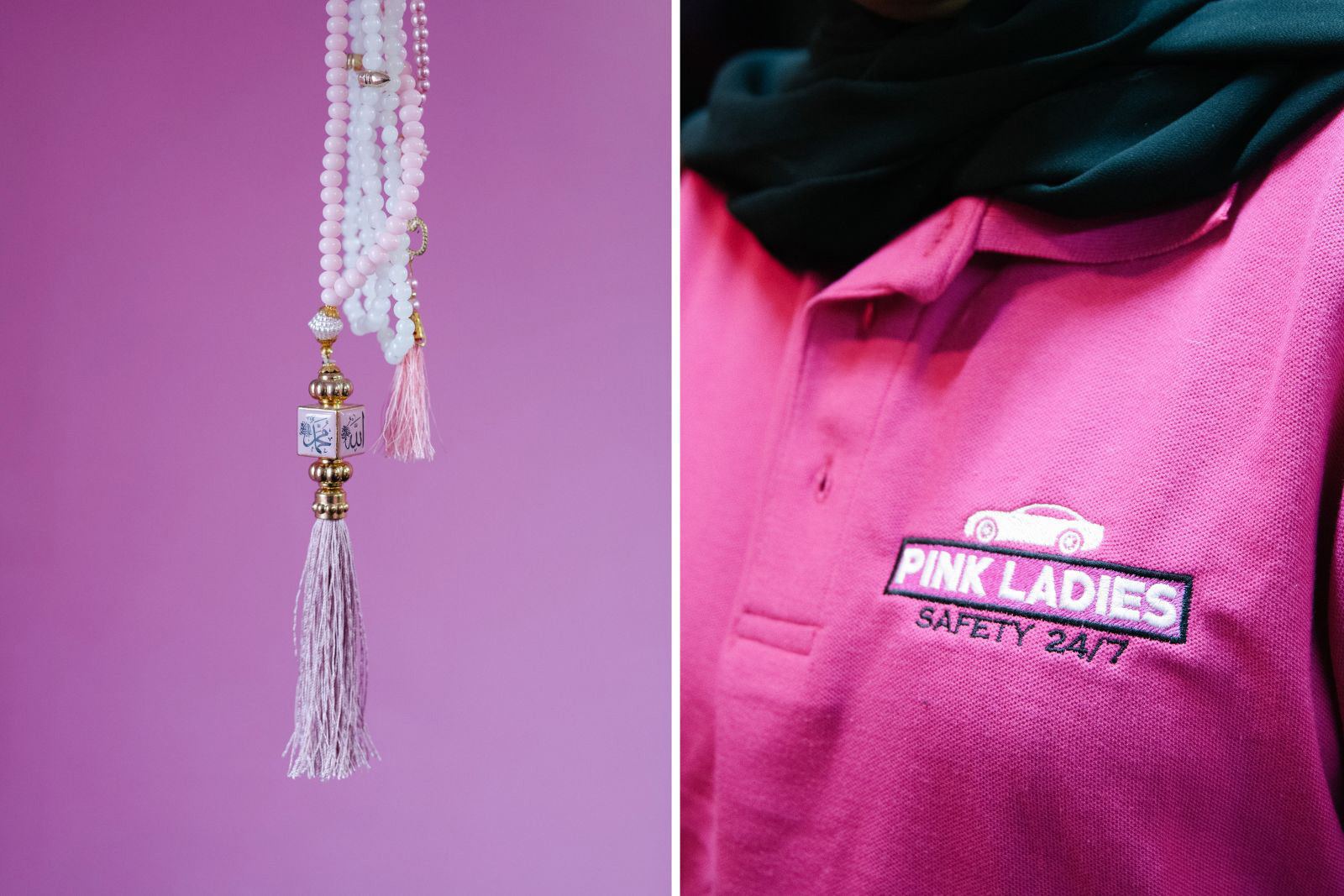
“We’ve had a lot of positive feedback from parents saying, ‘We’re so glad that you’ve come out because we now know that our child is safe.’ Their security is paramount to them and is really important to us as well,” says Ahmed.
On weekdays, Ahmed drives children to school and women to college. She takes new mothers to hospital appointments and picks up NHS workers after their night shifts.
Many of the passengers are Muslim and Ahmed says that one of the main reasons they use the service is because of the Islamic belief that a woman should not ride in a car alone with a non-mahram male driver.
Regardless of faith background, Pink Ladies’ clients primarily use her services out of concern for their safety.
Nawaz says many passengers have told her of their experiences of sexual harassment or inappropriate behaviour from male drivers.
“There are so many women that don’t come forward because drivers know where they live,” she says. “I’ve had women say to me, ‘We tell drivers to drop us off at the bottom of the street because we don’t want them to know our door number’.”
Croydon-based Annisa Cars is another female-led minicab company established for similar reasons. Since launching in 2017, founder Sade Agboola says that rising Islamophobia has also driven clients to use her company, as many of the drivers, including herself, are Muslim.
“Because of the current climate of Islamophobia and the atrocities that are happening in Palestine, it’s become more apparent that you need to safeguard yourself and your loved ones that are Muslim, especially those that are visibly Muslim,” Agboola says.
Nawaz agrees. “There are many women in Bradford now wearing the niqab and they have said how scared they would feel getting onto a bus or a train,” she says. “My drivers, especially the ones with the hijab, have said how other male drivers have tried approaching them.”
The women who work in private car hire and taxis are themselves a minority — just 3% of the country’s taxi drivers are female due to the perception that it is an unsafe industry for women, according to research from the Department for Transport. Indeed, Nawaz and Ahmed both say they’ve experienced harassment and intimidation from male taxi drivers while at work.
“They thought we’re coming into their area and stealing their business,” Nawaz says. “And it’s like, all we’re trying to do is make sure that your wives, sisters and daughters are safe.”
It is for exactly those reasons that the drivers at Pink Ladies and Annisa Cars remain determined in their mission to provide a reliable and secure service for women and members of marginalised communities.
“I know what it feels like to be a woman travelling alone, feeling unsafe, nervous and anxious,” says Agboola. “Even if it’s just one woman I transport, that’s one woman that feels safer.”