

Reform’s plan to ban church conversions blasted as divisive and unnecessary
People and groups of any faith background are being invited to share insights on resolving conflict between communities

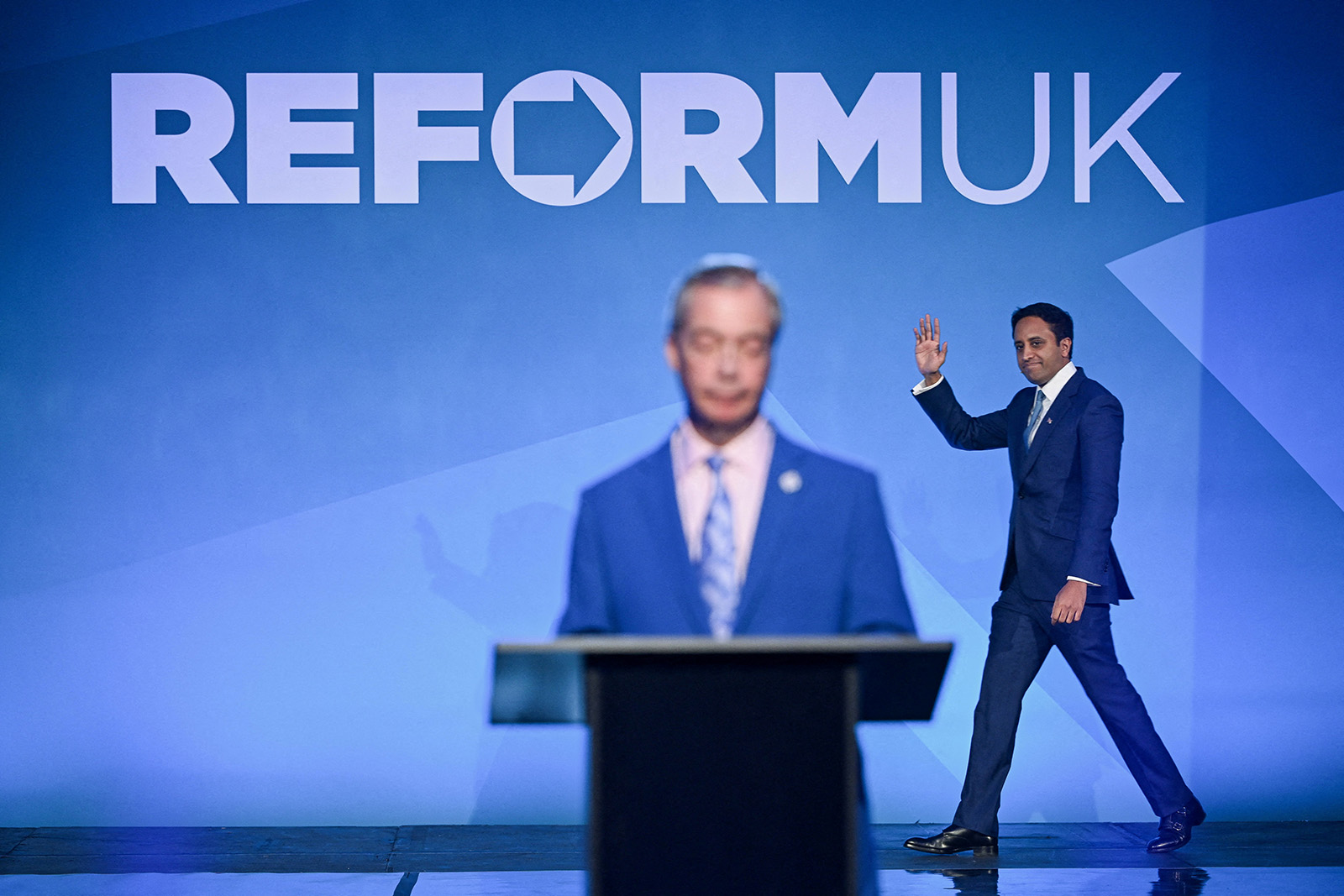
Muslim leaders have accused Reform UK of attempting to pit faith communities against each other after Zia Yusuf, the party’s home affairs spokesperson, pledged to prevent churches being turned into mosques or other places of worship.
Yusuf, who was appointed to the role earlier in February as part of Reform’s newly formed “shadow cabinet”, said the policy would seek to “protect British heritage and Christianity is an important part of that heritage”.
“We will end the incendiary practice of converting churches into mosques or any other places of worship by granting listed status automatically to all churches and prohibiting that,” Yusuf said.
He also claimed that Britain was at risk of losing its Christian values because of the “sheer quantities of people” coming into the UK.
Figures from the National Churches Trust show about 3,500 church buildings have closed in the past decade. Only a small fraction of these have subsequently been used for worship by members of other faiths.
Asim Qari, an imam at Leeds Makkah Masjid and chair of the Mosques and Imams National Advisory Board, said Reform’s framing of the policy risked dividing communities.
“In reality, the number of churches that lawfully change use is very small,” he said. “Where this does happen, it is typically because a building is no longer viable for its original congregation.
“What we seek is not conversion in a triumphalist sense, but the continued use of an existing place of worship as a place of worship for another faith — through lawful processes, local consultation, and with respect for the communities and local neighbourhood.
“Attempts to frame lawful religious practice as a threat risk undermining the unity that has made Britain strong. Communities must not be pitted against one another for short-term political gain.”
Yusuf told the Times that a Reform government would grant immediate and automatic listed status to churches across the UK, which would prevent any changes to their historic character or change of use without permission.
It would also create a new planning class for churches that would stop them from being converted into places of worship for other religions.
Yet Hyphen understands only two Church of England properties have been converted into other places of worship since the late 1960s, both into gurdwaras, and that there are no confirmed records of any Anglican churches in that time being converted into mosques. Yusuf told the Times he was aware of 40 cases where mosques had opened in former churches “in recent years”, citing a user-generated list online.
A spokesperson for the Church Commissioners, the body that administers Church of England assets, said: “There are robust legal processes in place to ensure that church buildings are closed only after comprehensive consultation and deliberation, and legal covenants are routinely used to prevent buildings from being used as places of worship for other faiths.”
Dr Wajid Akhter, the secretary general of the Muslim Council of Britain, said churches are “a part of Britain’s historic landscape and hold deep meaning for many communities”.
Akhter pointed out that some churches are already subjected to restrictive covenants that place limits on how they can be used in the future, and remain in place even after a building has been sold.
Related content
While the Church of England may waive the covenant — introduced as part of a law in 1968 — to allow places of worship to be turned into housing, restaurants or community centres, it is rarely done so to allow use of the church by other faiths.
“The fact some political parties see mileage in highlighting their opposition specifically to their repurposing as mosques, despite this being a fraction of the total, speaks volumes of the state of our public discourse today,” he said.
Haji Osman runs the Sheikh Nazim Mosque in north London. The mosque is housed in a former convent, which it purchased in 1990. Osman told Hyphen the convent was previously bought by a private company that hoped to turn it into a residential building. After failing to get planning permission, the company sold the building to the mosque.
Responding to Reform’s pledge, Osman’s message was short. “It’s very simple. If Christians are selling it, Muslims are buying it. We don’t turn it into commercial or residential buildings. We show respect, and we keep it as Allah’s house.”