

Labour MPs’ verdict on Mandelson is worse than anything Tories could inflict
Arrest of former US ambassador and New Labour giant may not directly implicate the prime minister, but some colleagues say his reputation is shot

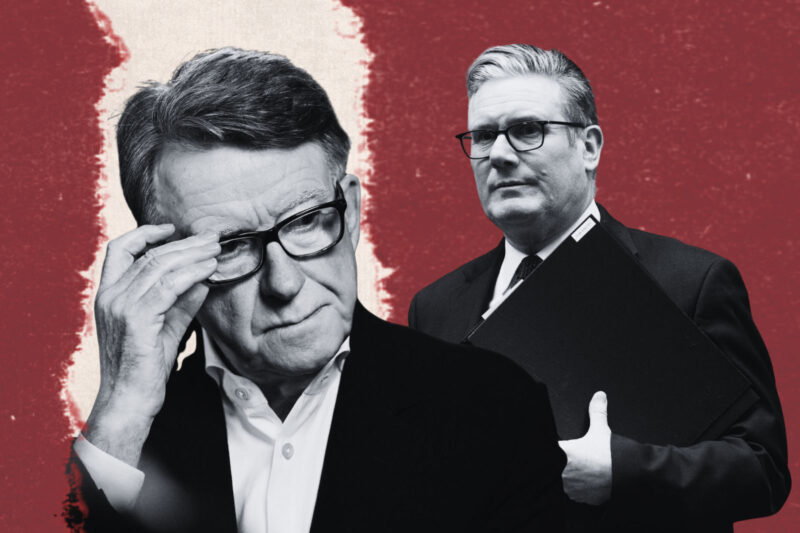
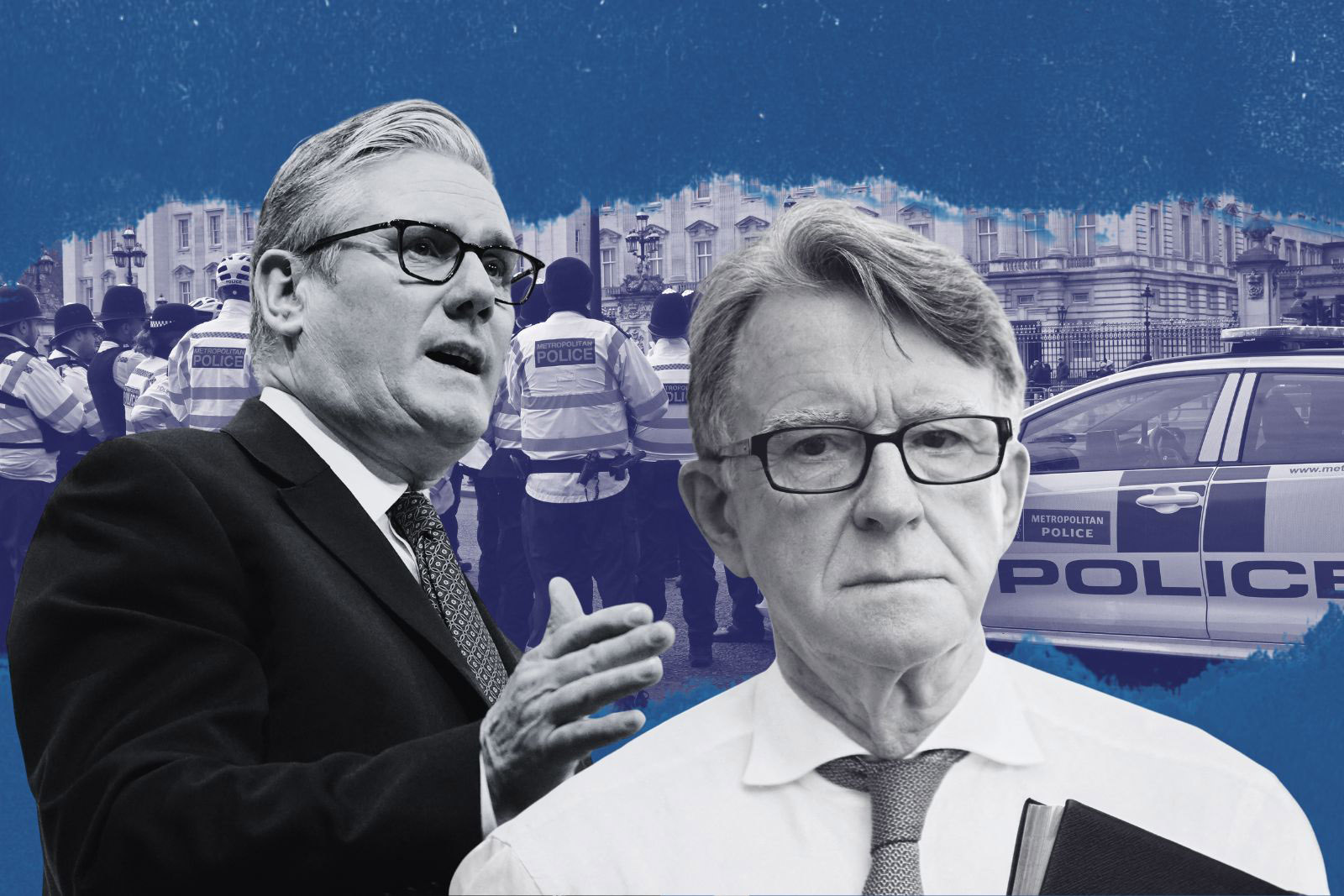
The images are extraordinary and, for this government, devastating. Peter Mandelson, the so-called Prince of Darkness, the man who helped construct New Labour’s political machine, the man Keir Starmer chose to represent Britain in the most powerful nation on earth, being led from his north London home by plainclothes police officers.
Mandelson has been released on bail following his arrest on suspicion of misconduct in public office amid the ongoing fallout from the Epstein files. The allegation is serious: that in 2009, while serving as business secretary, Mandelson passed market-sensitive government information to Jeffrey Epstein.
He denies wrongdoing — but the question hanging over Westminster today is not whether Mandelson is guilty of a criminal offence. It is whether Starmer will pay a political price for a decision that, in retrospect, looks like one of the most significant misjudgments of his premiership.
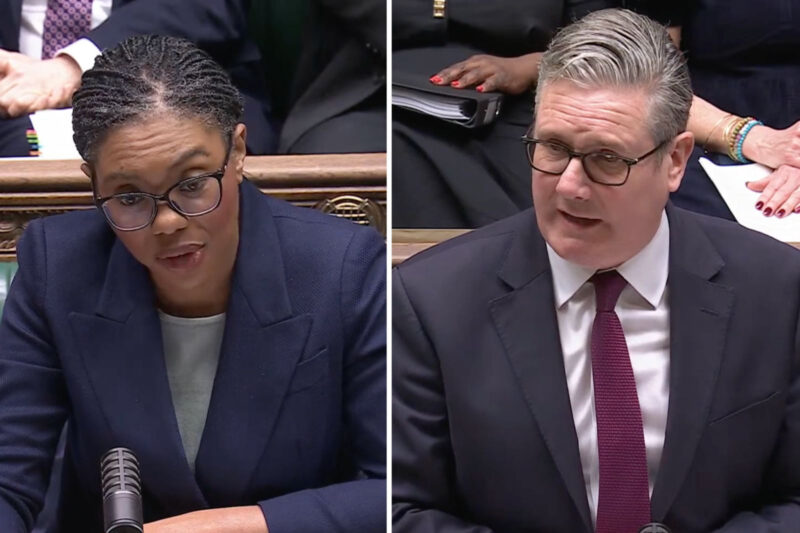
He has already lost his now former chief of staff, Morgan McSweeney, who took the fall for advising that Mandelson be made US ambassador, but that has not stopped the criticism. I spoke to the leader of the opposition, Kemi Badenoch, about it for ITV News. Unsurprisingly, she was not generous. She told me this was a “defining moment” of Starmer’s time as prime minister. For the Conservatives, the framing writes itself: a PM whose judgment cannot be trusted, who elevated a man with known associations to Epstein’s network into one of the most sensitive diplomatic roles Britain possesses.
Starmer’s defence for weeks has been that he acted decisively when he had cause, dismissing Mandelson when emails revealing more details of his links to Epstein first emerged in September 2025. But the harder question is why he hired him in the first place.
The grumbling within Labour’s own ranks is, if anything, more damaging than the opposition’s attacks. One Labour MP put it to me with barely concealed fury: “If he was never hired as ambassador, none of this would be at the PM’s door. But instead, we are hit with a scandal and our relationship with the United States is arguably worse. Terrible decision.” Plenty of others, from across the political spectrum, have made similar points to me in recent days, weeks and months — all raising questions about the prime minister’s political judgement, pointing to the long list of U-turns. Whether it is the two-child benefit cap or winter fuel payments, there are many in the Labour ranks who believe Starmer now has a proven record in making bad choices.
Among the Labour MPs who are already uneasy at the party’s struggles in the polls, the images of a once-senior figure from their own ranks being arrested have proved deeply dispiriting. One MP told me that Labour’s core pitch at the 2024 general election had been integrity — that they would be different from the Tories they were following. Yet, they pointed out: “We had ministerial freebies at the start, people being sacked for not paying their taxes properly and now an arrest. We’ve lost so much credibility.”
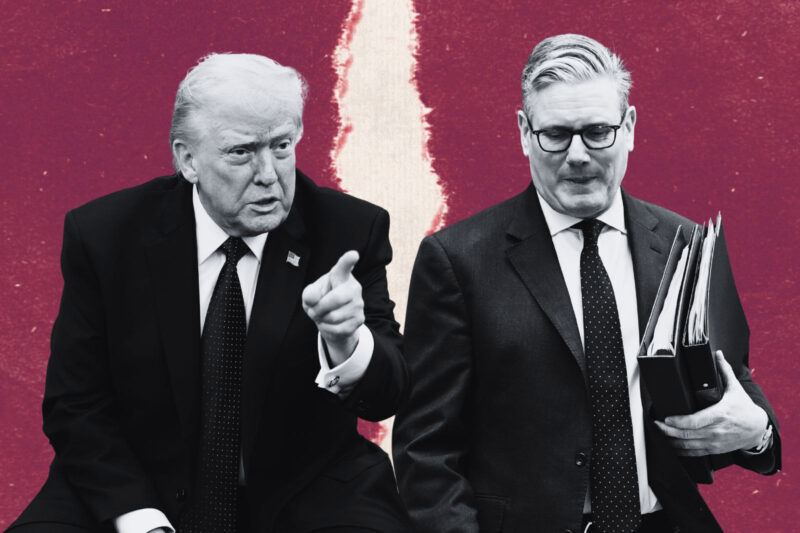
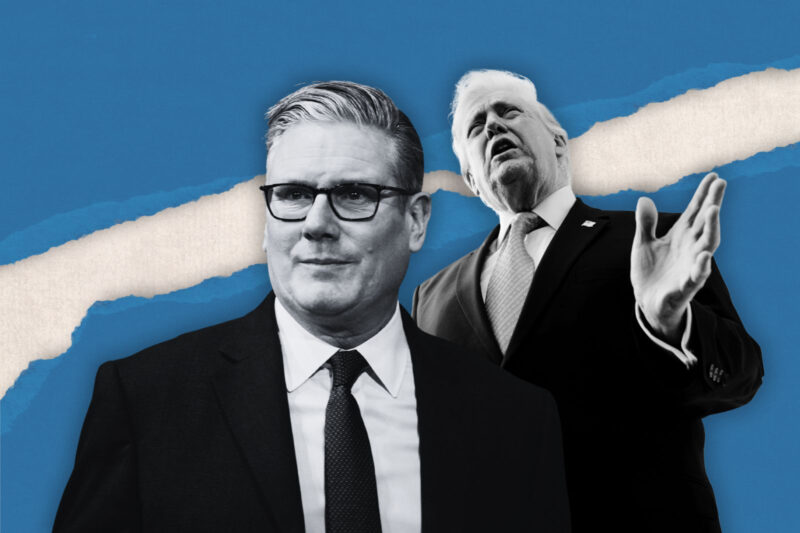
That point about judgement matters enormously. Mandelson was appointed, at least in part, as a signal — a statement of serious intent in managing Britain’s relationship with the Trump administration. The theory was that his stature, his experience, his transatlantic networks, would give Britain an edge at a critical moment. Instead, the Epstein files turned him from diplomatic asset to political liability within months. But Labour MPs routinely tell me this was easily avoidable. Mandelson had twice left ministerial positions shrouded in controversy, he had a long history of scandal — yet the prime minister decided to take the risk.
The government’s position is that correspondence relating to Mandelson’s appointment will be released to parliament — though some of it, ministers confirmed on Monday, will be delayed due to the Metropolitan Police investigation. That delay, however procedurally justified, will only fuel the suspicion that there are things in those documents Downing Street would rather not have seen exposed to full public scrutiny just yet.
Related content
Starmer’s allies argue, not unreasonably, that the prime minister cannot be held responsible for what Mandelson may or may not have done more than 15 years ago while serving in a different government, before Starmer had even entered politics. The prime minister’s press secretary has also been unwavering in insisting that the documents relating to the appointment will fully exonerate him.
But even if that is the case, the Epstein files have now claimed the then-prince Andrew and the former Labour ambassador to Washington in the same fortnight. The establishment figures caught in this reckoning span institutions, parties and decades — yet Starmer is unique among them in having voluntarily reached into this world and pulled one of its figures into the heart of his government.
For now, the prime minister is trying to hold his ground. But the arrest of Mandelson on suspicion of misconduct in public office, broadcast around the world, is not the kind of story a government weathers easily.
Shehab Khan is an award-winning presenter and political correspondent for ITV News.