

How to adapt your workout during Ramadan
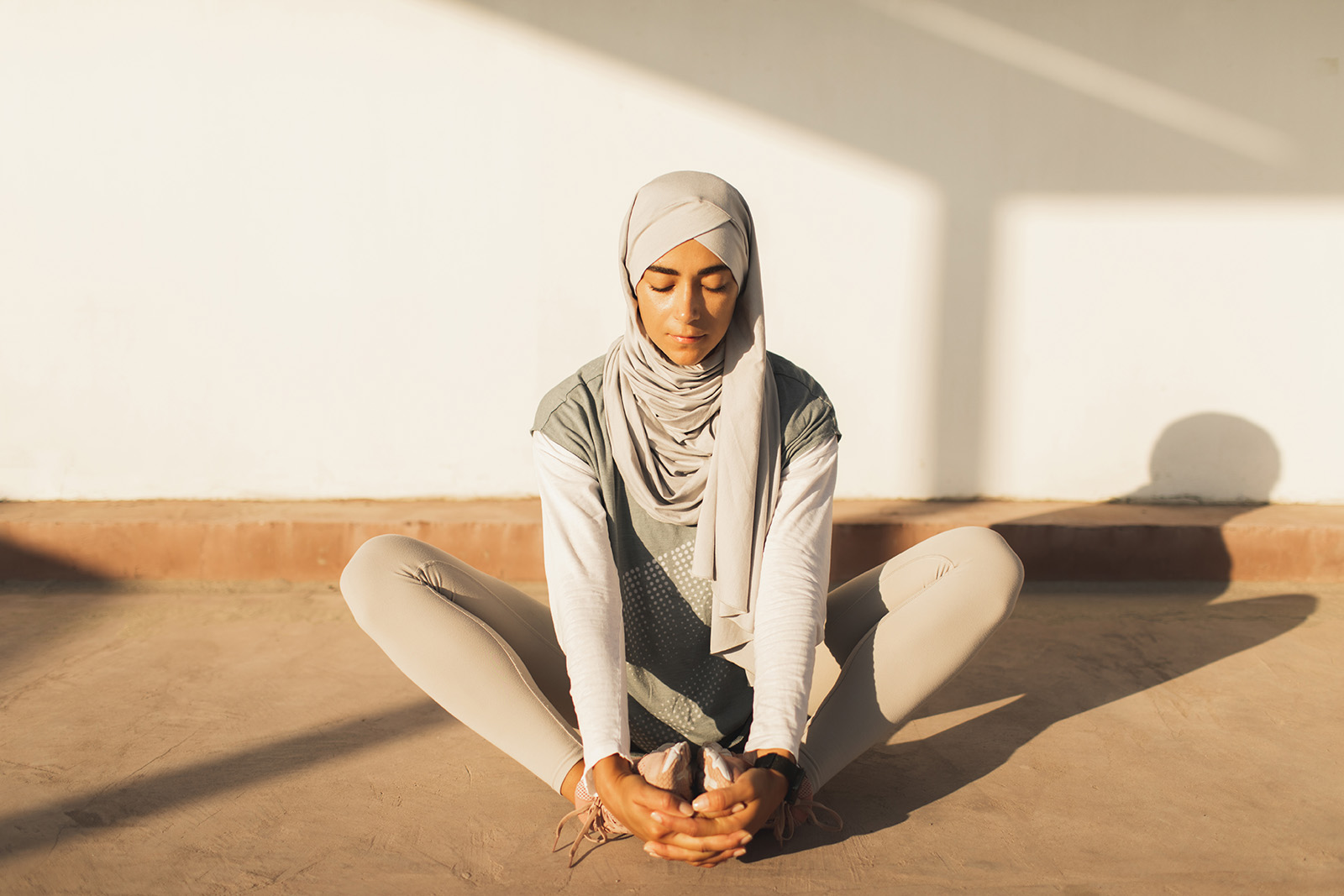
Worried about losing your gains or stalling your fitness progress during Ramadan? Here are some tips on training mind, body and soul during the holy month

Ramadan is a month when the bustle of everyday life is intentionally swept to the side to make way for increased prayer, reading of the Qur’an and remembrance of Allah. However, if you are on a fitness journey, you will likely still want to continue training.
As a personal trainer, I’ve worked with many Muslim clients helping them to navigate their way through the holy month and build the optimum training programme while fasting.
It’s important to remember that training is highly individualised and what may work for one person may not work for another. Always listen to your body, especially when fasting.
Related content

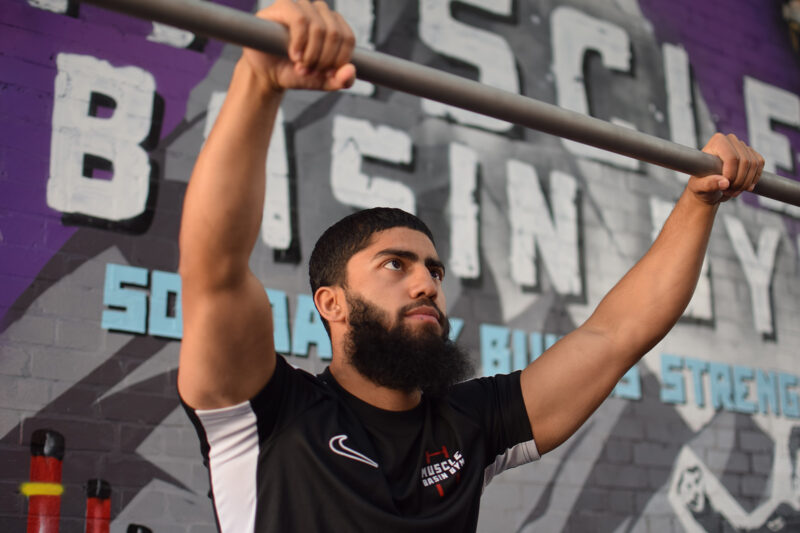
Focus on strength training
Ashiqali Damani, personal trainer and founder of fitness company Thrive With Age, suggests focusing on strength training. One of the benefits of fasting is increased amounts of growth hormone in the body, which helps build and repair muscle, so make sure to eat protein-rich suhoor and iftar meals.
Damani suggests training three to four times a week with bench presses, deadlifts and squats, so that you are hitting multiple muscle groups in one session.
Compound movements such as these require muscular power and energy, so may be best performed after iftar.
Planning ahead is key. “You might say you’re going to do three sessions a week, but you’re going to make them good, heavy, compound sessions,” he says. “Keep muscles safe from injury by starting with dynamic stretches and ending with resistance band stretching.”
View Ramadan as a time to deload
Reframe these four weeks as a deload period, when you train with lower intensity. Think about maintenance and not scoring new personal bests. Deloading practices give muscles time to rest and recover, so post-Ramadan you will feel motivated to amp up the intensity of your workouts again.
You can do this by opting for lighter weights and higher reps, decreasing the number of sets you perform and by shortening the duration of your workout from an hour to 30-40 minutes.
Research shows “exercise snacking” — training for as little as 10 minutes every day — improves muscular strength, endurance and cardiovascular health, debunking the myth that working out for less than half an hour isn’t beneficial.
Get well hydrated during suhoor
Running while fasting increases the risk of dehydration. If a morning run is non-negotiable for you, make sure to have a hydration tablet or sachet during suhoor and swap the run for a light jog after fajr prayer.
Up those steps
Fasting is said to improve mental clarity, so pairing it with a walk can boost your mental health. A brisk walk will help your body go into a state of ketosis, where it relies on its fat stores for energy. “A long walk before breaking your fast will help deplete your glycogen stores and use your fat stores,” says Damani.
Long steady-state cardio — low-intensity cardio exercise, such as walking, cycling or using the elliptical machine — can also be performed while fasting. It is also the best way to get cardio in if you are looking to burn fat without losing precious muscle mass.
Start your day with pilates or yoga
Consider practising pilates or yoga after you have prayed fajr. You will be feeling hydrated and energised from just having eaten suhoor and the meditative benefits will help you start your day feeling relaxed and revitalised.
If you opt for doing yoga or pilates later in the day, while fasting, perform movements in a slow and controlled manner. For supine exercises (lying on your back), make sure to roll onto your right side before slowly sitting up to avoid dizziness.
Related content

Leave high-intensity workouts for after iftar
If you are a fan of HIIT (high-intensity interval training), CrossFit or Hyrox, try doing these sessions in the evening. Doing high-intensity workouts while fasting can be dangerous — the high level of exertion causes the body to produce a lot of sweat within a short amount of time, which can lead to dehydration or fainting. They also require large bursts of energy, which you might not have due to your lowered intake of food.
Ultimately, remember that Ramadan only comes round once a year. Your soul will thank you for the increased time spent connecting with Allah, family and other loved ones. Your progress won’t diminish if you are training consistently for the other 48 weeks in the year.