

Campaigners push for permanent sickle cell day unit after centre’s closure
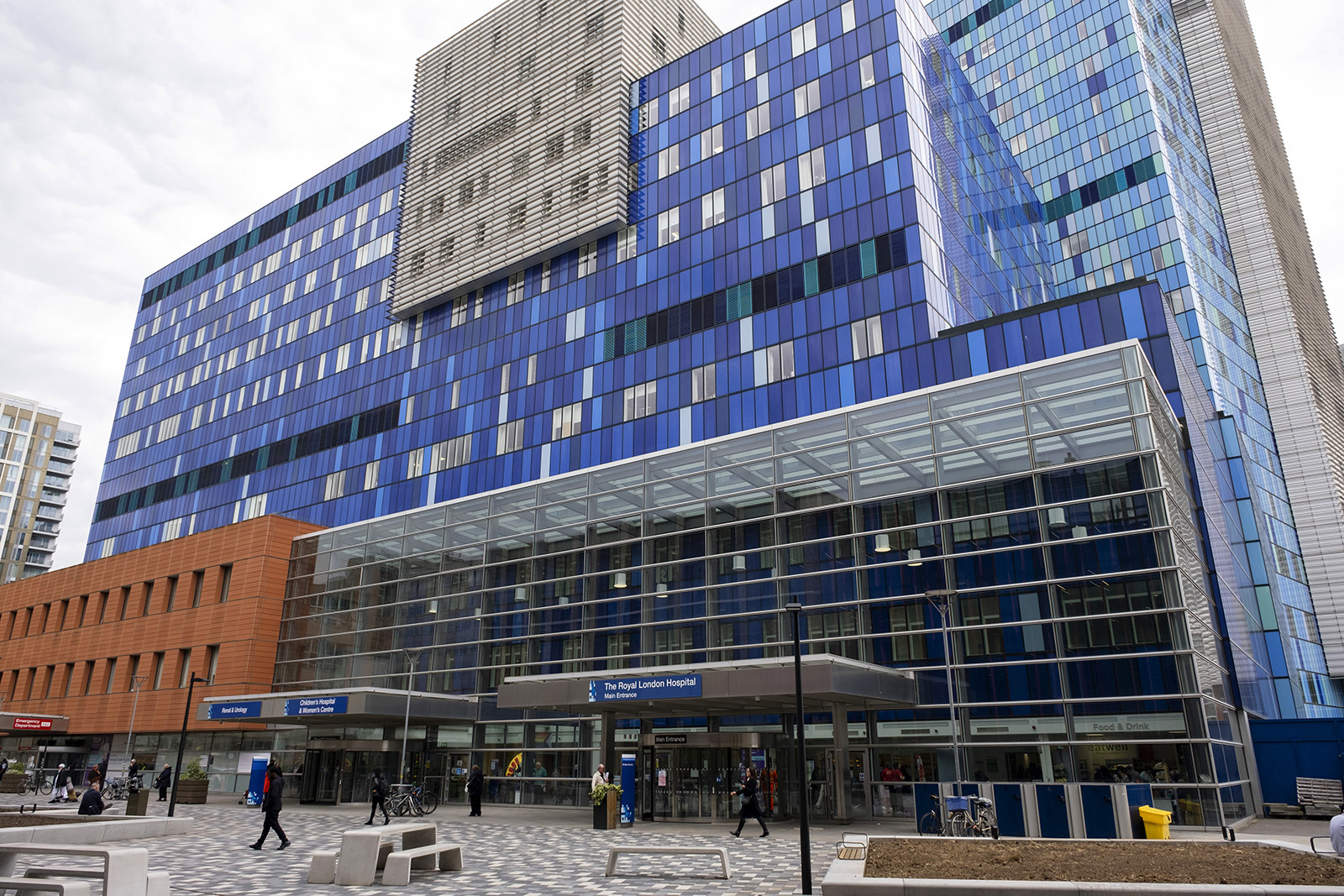
Emergency treatment centre attached to Royal London Hospital in Whitechapel closed in January despite a 42,000-strong petition to save it

Campaigners in east London who marshalled tens of thousands of signatures against the shutting down of a specialist sickle cell treatment centre have vowed to continue their fight for a permanent unit following its closure last month.
Despite a 42,000-strong petition and an early day motion in parliament backed by seven MPs, the Sickle Cell Day Unit at the Royal London Hospital shut its doors on 31 January following the end of a five-month trial. The same-day emergency care unit had been set up by Barts Health NHS Trust to test “an alternative route for treating emergency patients with sickle cell disease who were experiencing acute pain”, so people did not have to go to A&E.
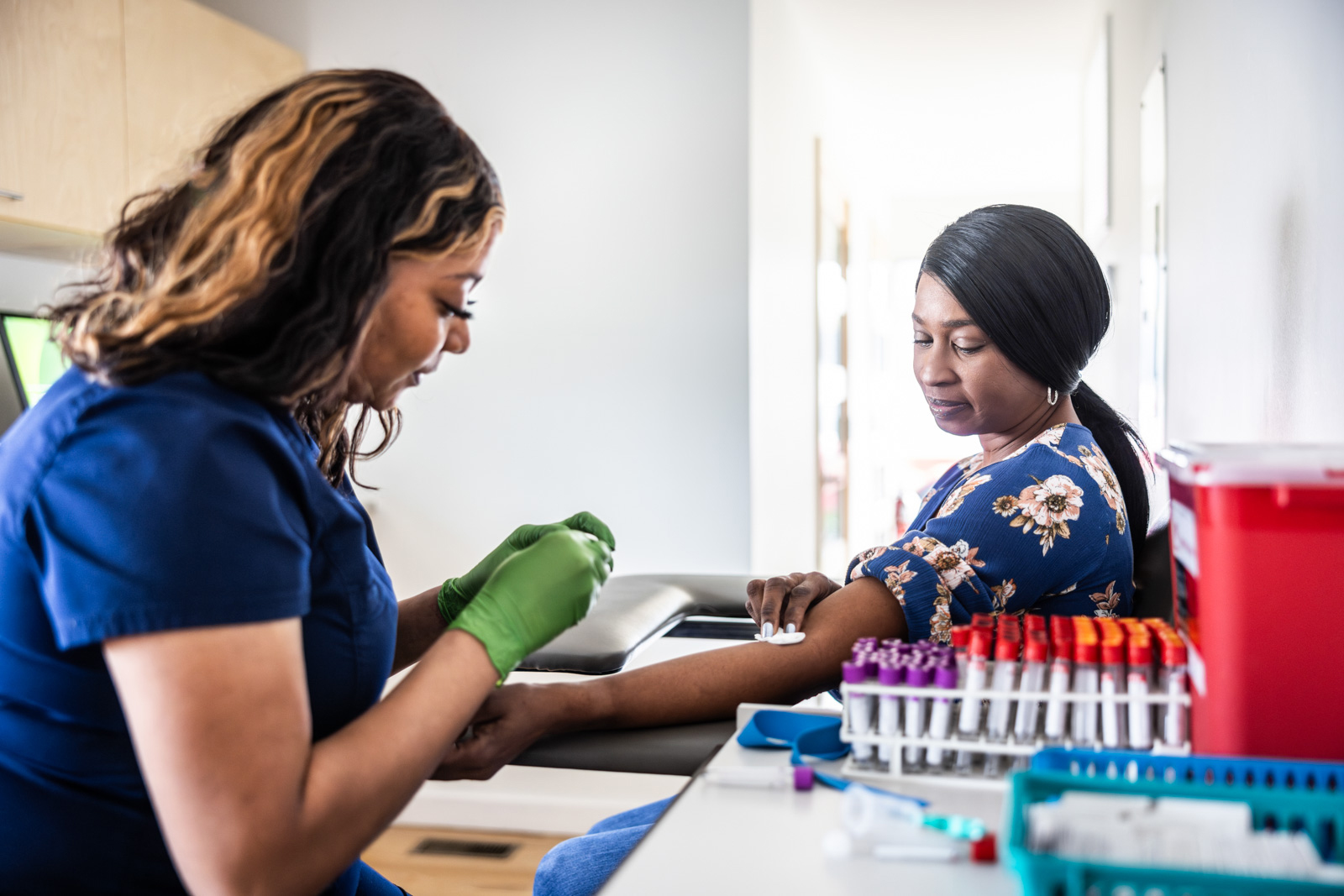
Sickle cell disease is a blood disorder that can cause severe pain and life-threatening complications when sickle-shaped red blood cells block blood vessels. These blockages are known as crises, are extremely painful and can be life-threatening if untreated.
The disease is most common among Black people, but can affect people from any ethnicity. Whitechapel, where the centre was based, is in Tower Hamlets, where at least 9% of residents are Black or have Black heritage, and 40% of residents identify as Muslim — one of the highest rates in the UK.
Related content
Delo Biye, who organised the petition to keep the unit open, said campaigners’ focus was now on securing a permanent sickle cell day unit.
Biye, who used the unit himself, said the service made a significant difference to patients’ experiences. Unlike A&E, where waits for treatment or pain relief can stretch for hours, patients could call ahead and receive treatment within minutes of arriving. “By the time you get there, because you’ve already given them warning, the pain relief and medication is administered within 15 minutes,” he said. “You’re comfortable and in a quiet space.”
He contrasted this with experiences in busy A&E departments. “Everywhere I’ve gone previously, I always have to remind the nurse when it’s time for pain relief,” he said. “On this day unit, they just straight up prepare it and bring it to you.”
Biye warned that the closure could have serious and potentially fatal consequences, saying that some patients already avoid A&E because of negative experiences and fears that their pain won’t be taken seriously.
Abdirahim Hassan, founder of grassroots community group Coffee Afrik, which works across Tower Hamlets and Hackney, told Hyphen he was “dismayed” by the closure. He questioned whether patients had been consulted and if an equality impact assessment — used by organisations to gauge whether decisions could have a disproportionate impact on a particular group — had been carried out. “It’s a tragic and terrible decision,” he said.
He said concerns about medical racism were frequently raised in the communities he serves, and echoed Biye’s concerns that the loss of local specialist provision could discourage people from seeking help or force them to travel further while in crisis. “That raises even more risks to their health,” he said, adding that the issue must be addressed at a national level, not just locally.
Seven MPs including Labour’s Apsana Begum, who represents the Tower Hamlets constituency of Poplar and Limehouse, signed an early day motion in January expressing concern about the centre’s closure.
Bell Ribeiro-Addy, Labour MP for Clapham and Brixton Hill, told Hyphen there was “fear and frustration within the sickle cell patient community” around the closure and added that “people are reporting they will have to wait hours in A&E rather than making an appointment with the day unit”.
“Care in non-specialised environments is often substandard, with patients having to battle for basic things like pain relief,” she said.
Related content
“Sadly, this unit’s closure is typical of wider trends in sickle cell care, where patients still aren’t seeing the level of support, care and respect they deserve. It is vital that the NHS works to address this and deliver on the recommendations of the No One’s Listening report in full.”
The report was published in 2021 by the all-party parliamentary group on sickle cell and thalassaemia following the 2019 death of Evan Nathan Smith, 21.
Ribeiro-Addy added: “The pilot has only proven how important it is to have specialised same-day emergency care for sickle cell patients. I hope the relevant authorities will also work together to get a day unit open again and ensure that Londoners can access such care.”
Barts Health NHS Trust has said it is reviewing the pilot and planning “more robustly for future services”, but Biye fears the lack of a clear timeline or commitment has left patients in limbo.
He said the campaign would continue to apply pressure through politicians and advocacy groups including the African Caribbean Leukaemia Trust, and has encouraged supporters to write to their MPs.