

Meet the group giving a leg-up to Muslim women in climbing
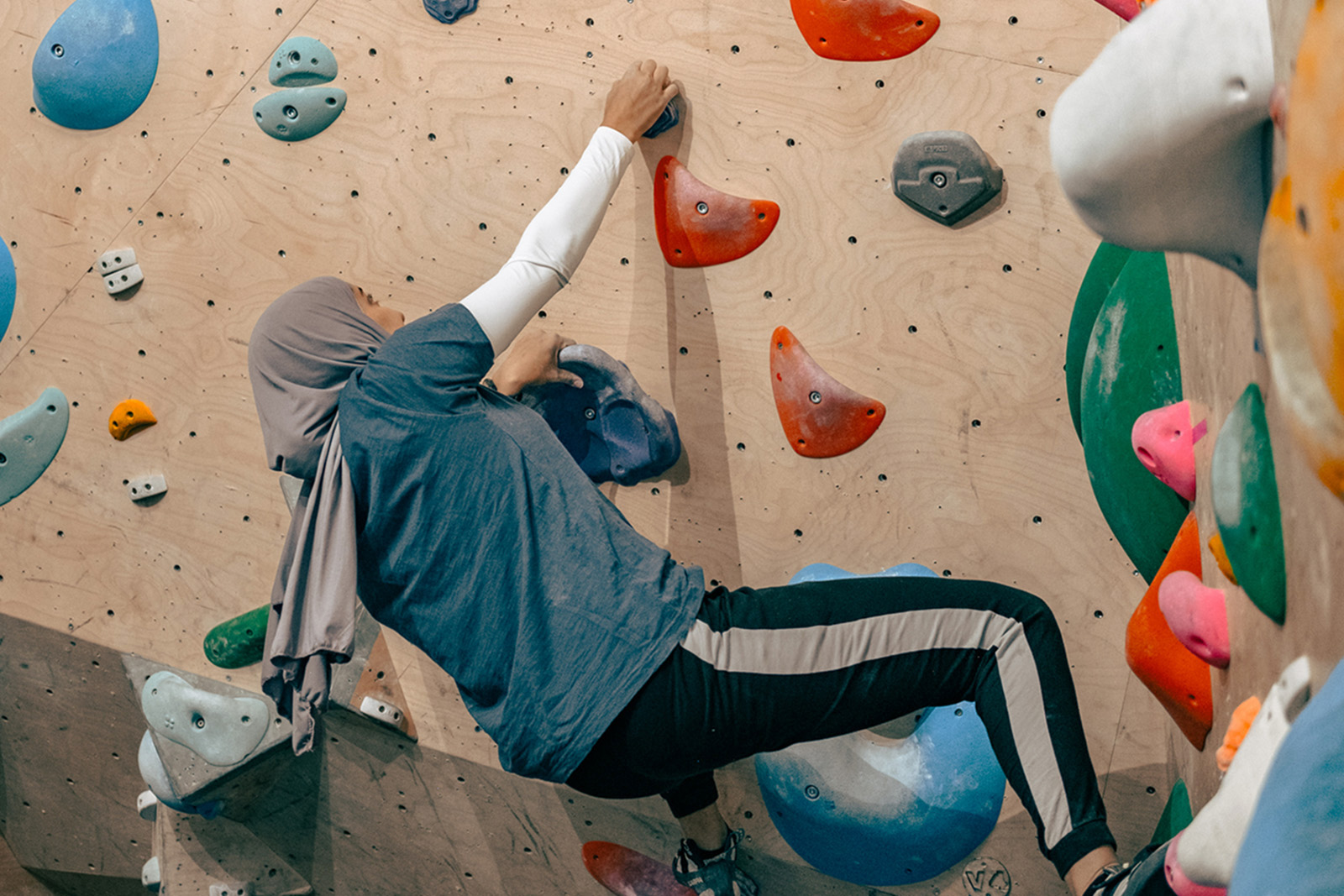
With indoor climbing becoming increasingly popular, ClimbMuz has grown to provide space and community for women of colour interested in the sport
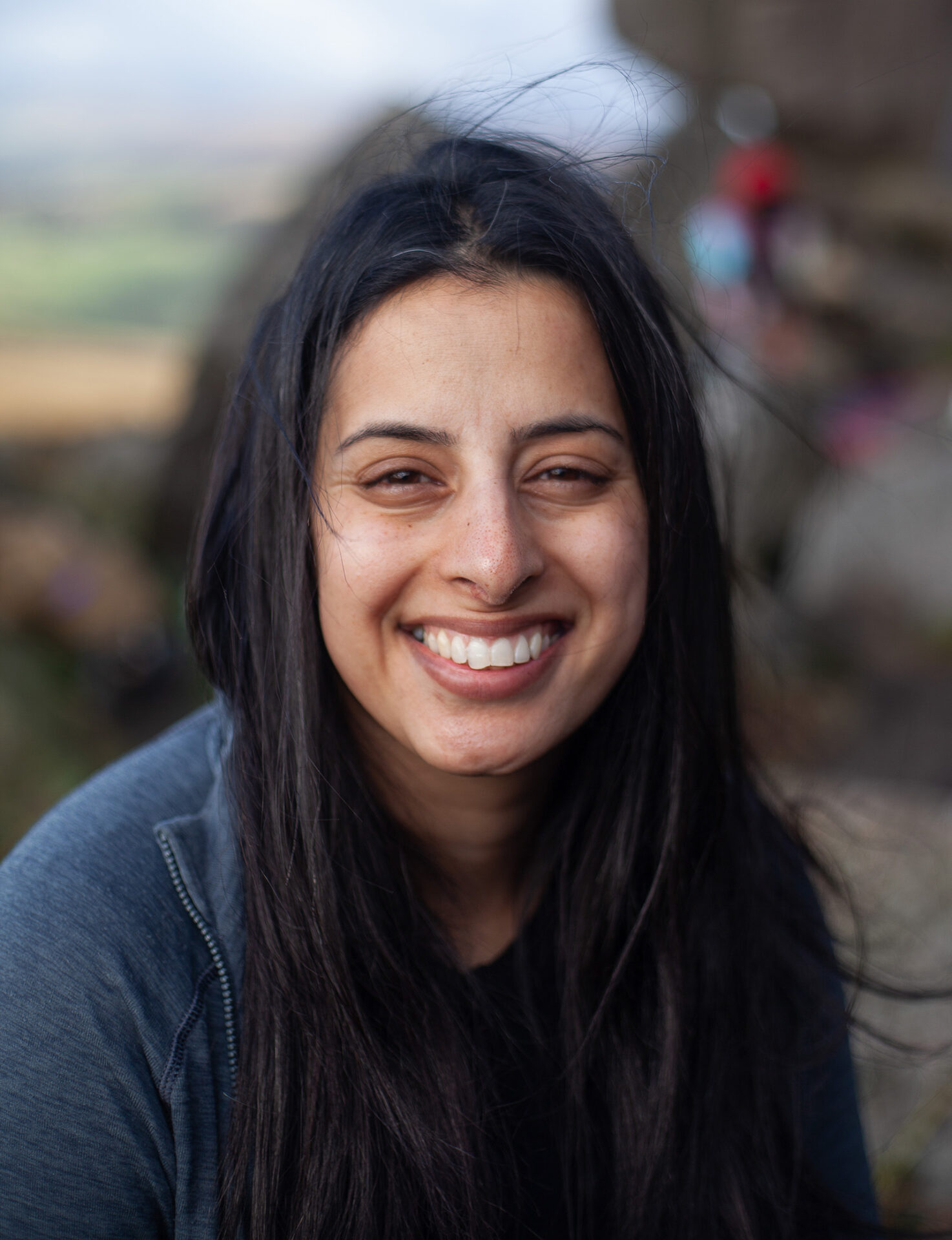
Throughout her two decades climbing, Siddrah Aslam, 40, had frequently noticed that she was the only woman of colour at her local climbing centre. It wasn’t until the resurgence of the Black Lives Matter movement in 2020 following the murder of George Floyd that she began to realise the weight of the fact that she was a minority in her chosen sport.
“I’d go to climbing walls and there weren’t a lot of people who looked like me. I used to think: ‘If I’m doing it, why can’t other people just do it? Why do people need that space?’,” she says.
“I realised that actually, not everybody can just turn up at a climbing wall. People really do need a safe space. I got tired of not seeing a lot of people of colour, or Muslim women around. There was a shift in representation, what that meant for me, and what that looked like.”
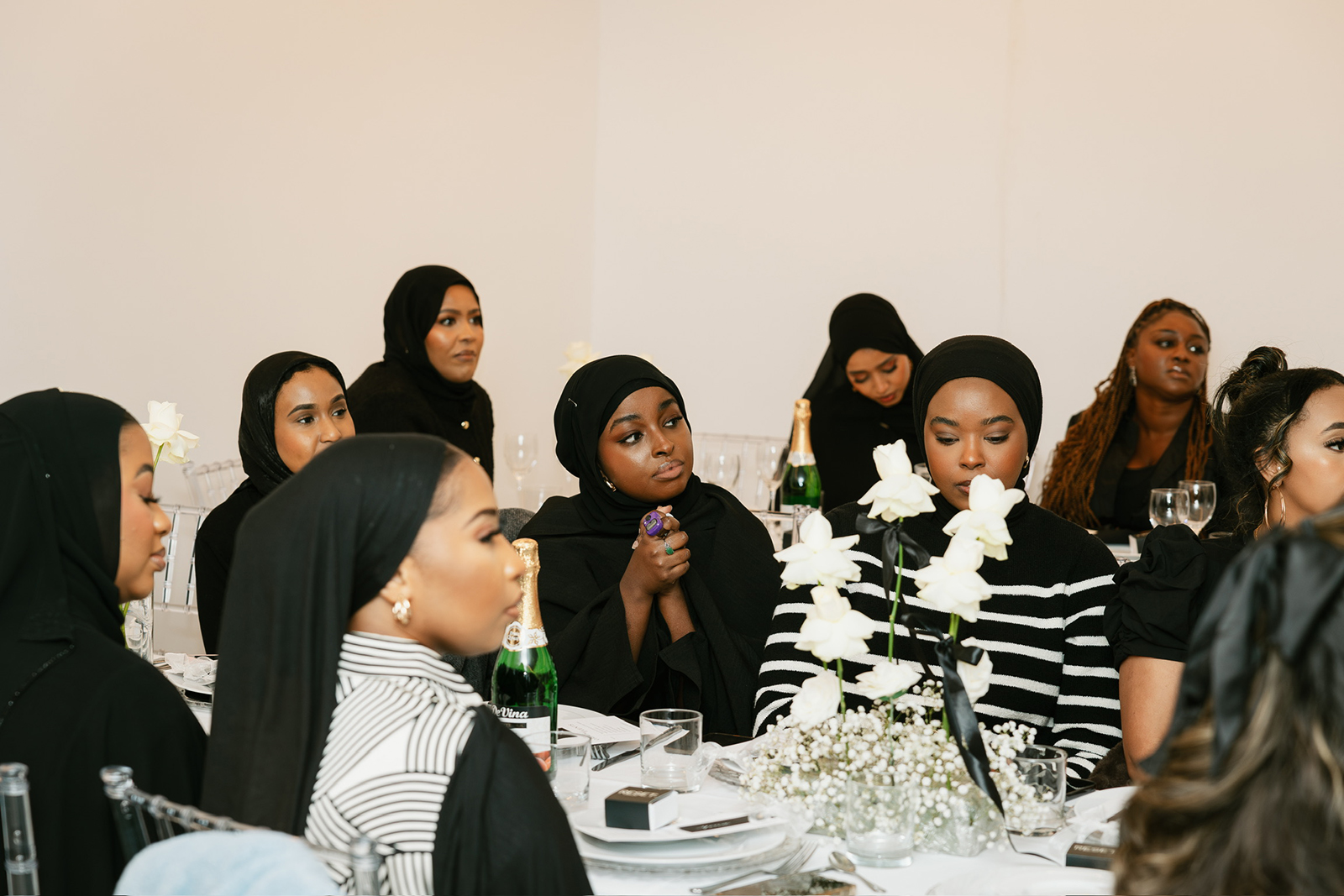
ClimbMuz, her climbing group, grew out of these reflections. Aslam set up the club in July 2021 as a space for Muslim women and women of colour. It’s part of an increasing number of Muslim-led outdoor groups including Muslim Hikers and the Wanderlust Women to encourage people to take part in sports where they may not see themselves represented.
In 2021, the British Mountaineering Council’s Partners Assembly surveyed more than 4,500 people and found that 93% of all respondents who indoor climb are white, with just 7% from Black, Asian and other minority ethnic backgrounds.
ClimbMuz now runs climbing socials twice a month in London — on a Sunday at BethWall and on a Friday evening at the Castle Climbing Centre. Participants warm up with stretches together before working their way around the walls at their own pace.
“They already know that they’re coming into a space where they won’t feel judged and won’t have to think about what they’re wearing,” Aslam says. “That can be really freeing, to climb with other people who look like you. There’s lots of representation in the group itself.”
Aslam says that for many women who attend ClimbMuz sessions, the barriers to entry have never just been about ability. She’s clear that the sport’s reputation for exclusivity is reinforced not just culturally, but financially.
Interest in rock climbing is growing rapidly in the UK. In 2024, the Association of British Climbing Walls found that customer visits per wall increased by 58% from 2019 to 2023, reaching more than 62,000 visits.
“One of the biggest barriers that people face is the cost of entry to climbing. It’s expensive,” she says. “Single entry in some gyms is about £16. On top of that, if you don’t have climbing shoes, that’s another cost. And then there’s the cost of actually getting to the climbing wall.”
Lowering those barriers for Muslim women and women of colour has become central to ClimbMuz’s work. Aslam says the group has relied on a network of financial support to make sessions more accessible, including the community group United We Climb which has helped reduce the cost of entry to climbing walls.
For ClimbMuz member Amalia Sanusi, the feeling of being out of place in both indoor and outdoor climbing spaces is familiar. “I feel like we always have to prove ourselves,” she says. “But this is something that’s not just in climbing, it’s in the workplace as well.”
Spaces like ClimbMuz, she says, disrupt that cycle. “They’re really changing the demographics inside climbing gyms. Now, especially in London, different gyms are becoming very inclusive and very welcoming. It’s really because of all these clubs and organisations that try to encourage more diverse people to get involved.”
Related content
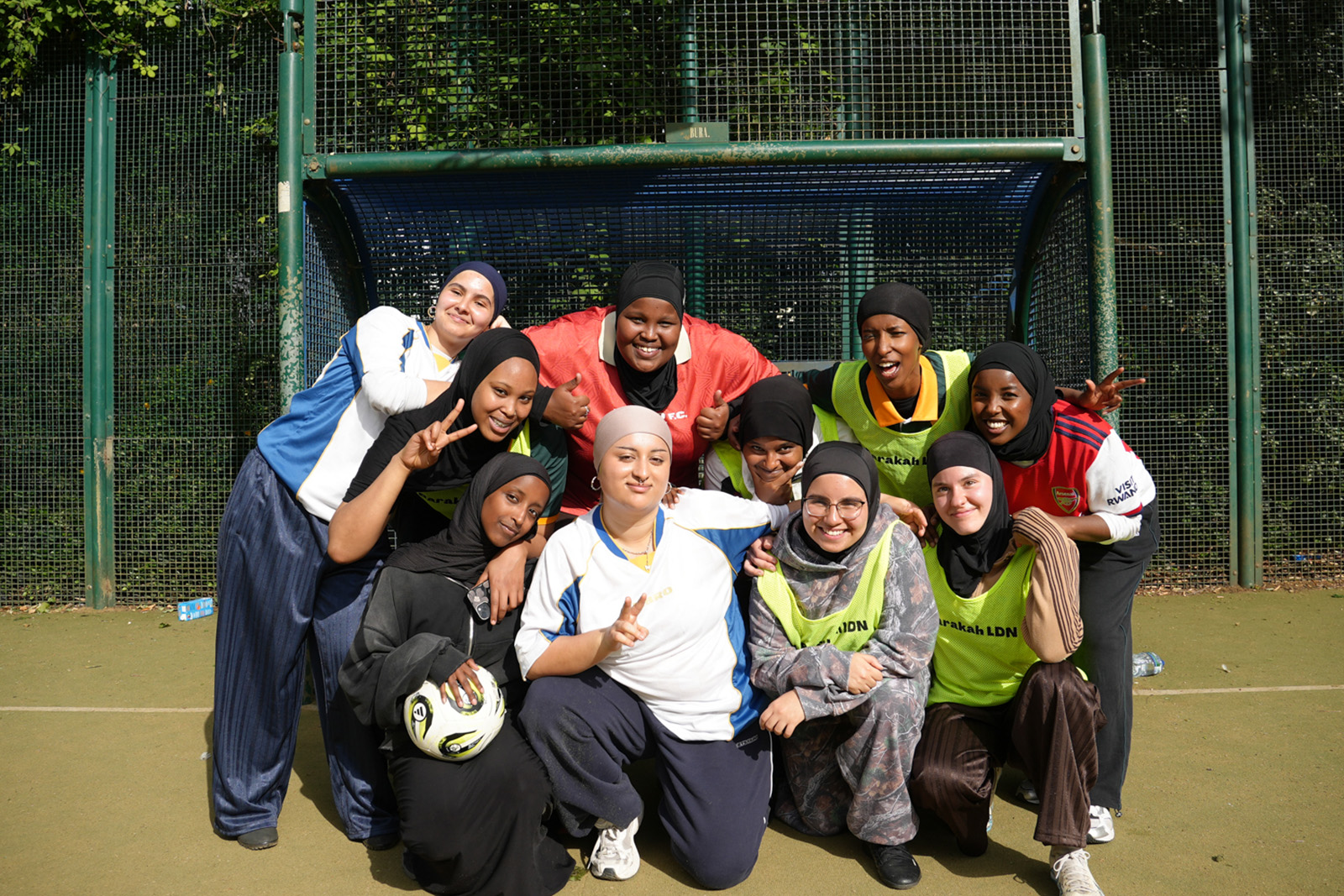
Aslam believes the growth of ClimbMuz is telling of the need for groups like hers. “When I advertised the first meet-up, it was for five spaces and four people showed up,” she says. Since then, she tells me the group has received interest from more than 600 women.
Ayesha Itani, who has been climbing since 2015, agrees that representation has been noticeably absent from the sport. “You have to search for it. Being born and raised in the UK, there’s a massive lack of representation,” she says.
Today, the group runs indoor sessions, outdoor trips and skills-based training, aimed at helping women build confidence and independence. “When people keep coming back, that’s always a reassurance that we as a community are doing something right,” Aslam says.