

Can Fily Keita-Gassama become her town’s first Black Muslim mayor?
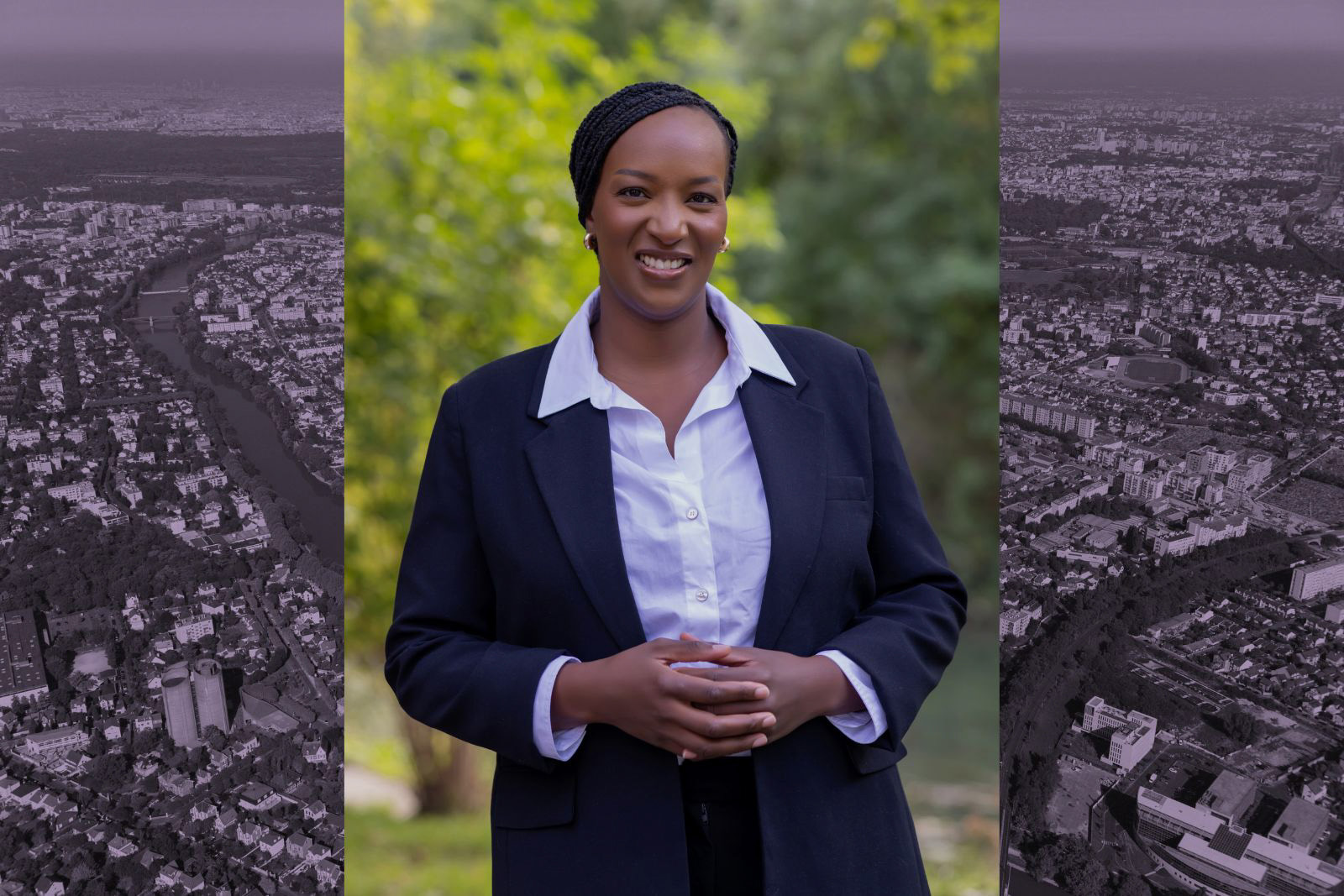
France votes in mayoral elections in March. In Champigny-sur-Marne, this local candidate is fighting disaffection and the right for a historic win in the Paris suburbs
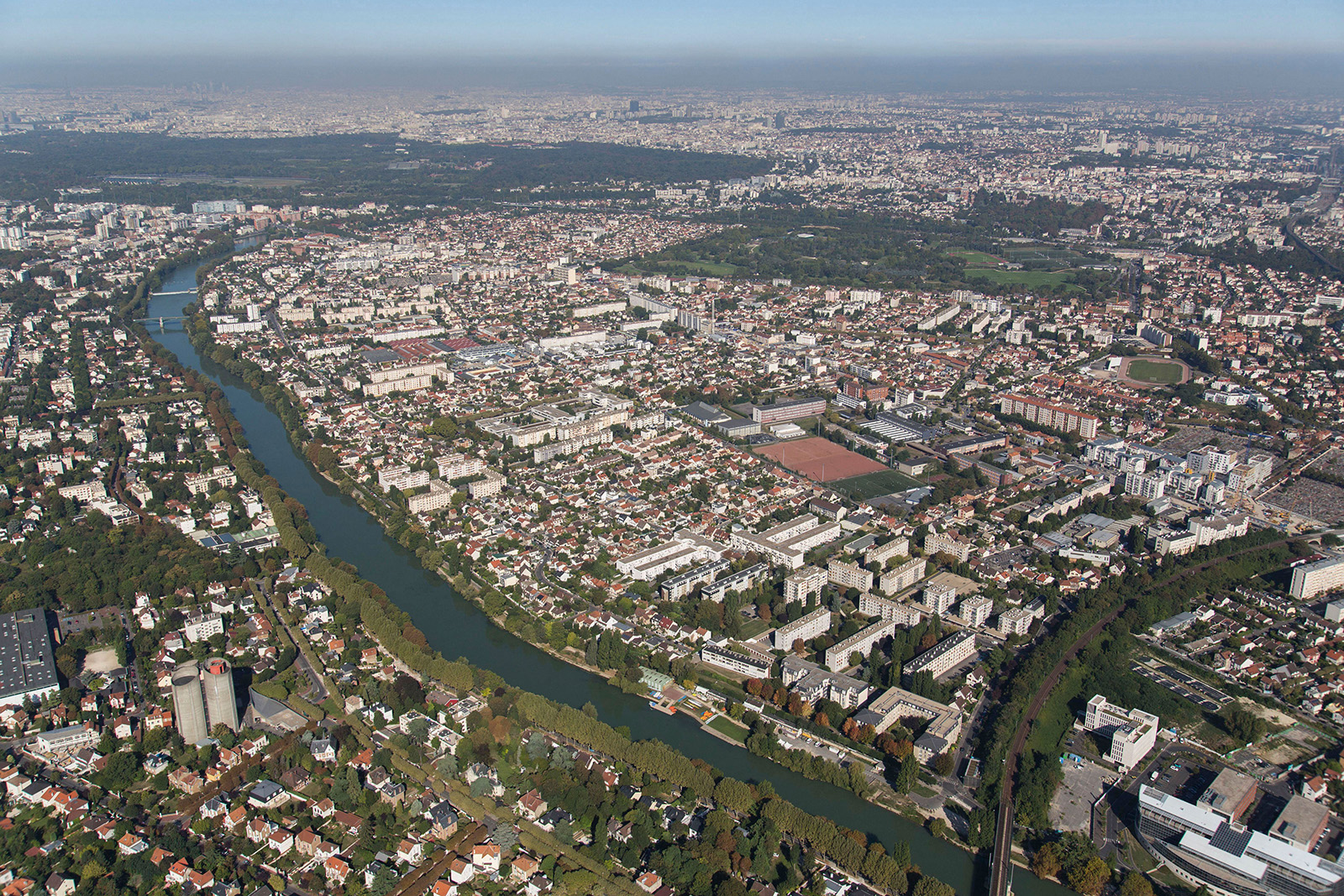
Ten miles south-east of the Louvre, between the river Marne to its south and the A4 motorway to the north, lies Champigny-sur-Marne. The Paris suburb is home to the National Museum of the Resistance, the île-de-France region’s first Muslim Montessori school, and Fily Keita-Gassama, who, if she wins the upcoming local election, would be the first woman from a working-class neighbourhood, the first Black person and the first Muslim to be elected mayor in Champigny.
On 15 March, France will vote in municipal elections, with a second round on 22 March, to elect nearly 36,000 councils nationwide. It’s seen as a bellwether, offering parties a chance to consolidate momentum and test new alliances ahead of the 2027 presidential election. In a context of widespread Islamophobia and with France’s far right influencing government policy, the elections may also test the political participation of France’s Muslim minority — estimated at 5.5 to 6 million people, or roughly 8–9% of the population — who are underrepresented in elected office. Their lack of public visibility is made more difficult to address by French secularism laws, which require the religious neutrality of all state officials.
La France Insoumise (LFI), France’s largest leftwing party, is fielding about 500 mayoral candidates and calling for progressive alliances in key municipalities, hoping to replicate the success of the Nouveau Front Populaire (NFP), which topped the vote in last year’s snap parliamentary elections. The NFP blocked the far-right Rassemblement National from achieving a majority, but was prevented from forming a government in what its supporters claim was a “denial of democracy”.
These local elections will take place in a markedly different context from the 2020 municipal vote, when the Covid pandemic drove turnout down to just 41% and delivered surprise defeats for the left. In the Île-de-France region alone, the left lost 17 councils — including Champigny-sur-Marne, a French Communist Party (PCF) stronghold since 1947, which fell to a rightwing alliance led by Laurent Jeanne. Today, Champigny is one of 100 “pivot towns” identified by the citizens’ movement Victoires Populaires, with research commissioned from Mobilisations.org suggesting a significant chance of a swing back to the left.
“We are a leftwing town with a rightwing mayor,” said Keita-Gassama, who is standing for LFI after leaving the PCF in 2025, following 16 years of membership. “LFI has a political courage that has been sorely lacking — anti-colonialist, anti-racist and feminist, and a programme of rupture.”
The party’s platform leads with proposals for citizens’ referendums, free school canteens and the creation of a municipal observatory to monitor racism and other forms of discrimination.
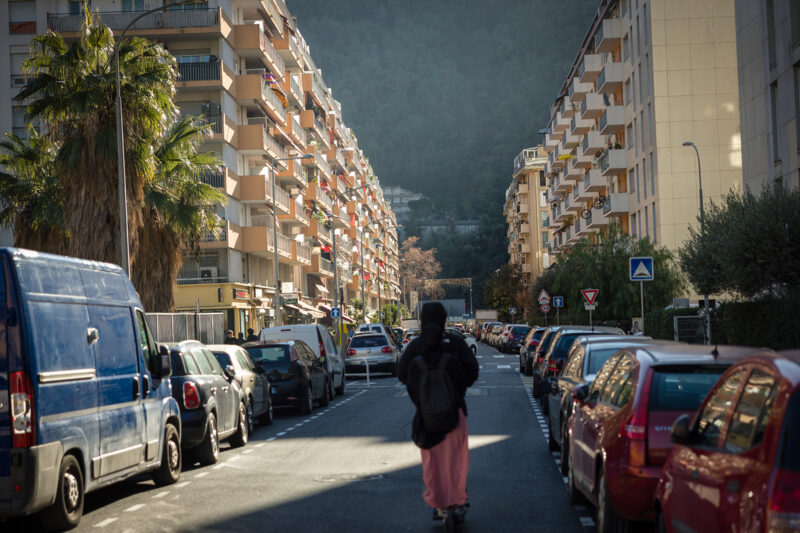
A self-described “child of Champigny”, Keita-Gassama speaks from experience about the inequalities faced by residents of the Paris suburbs. The term banlieue itself refers to hundreds of communes around the capital — understood to describe large housing estates widely portrayed as abandoned to poverty and immigration, and as flashpoints for unrest.
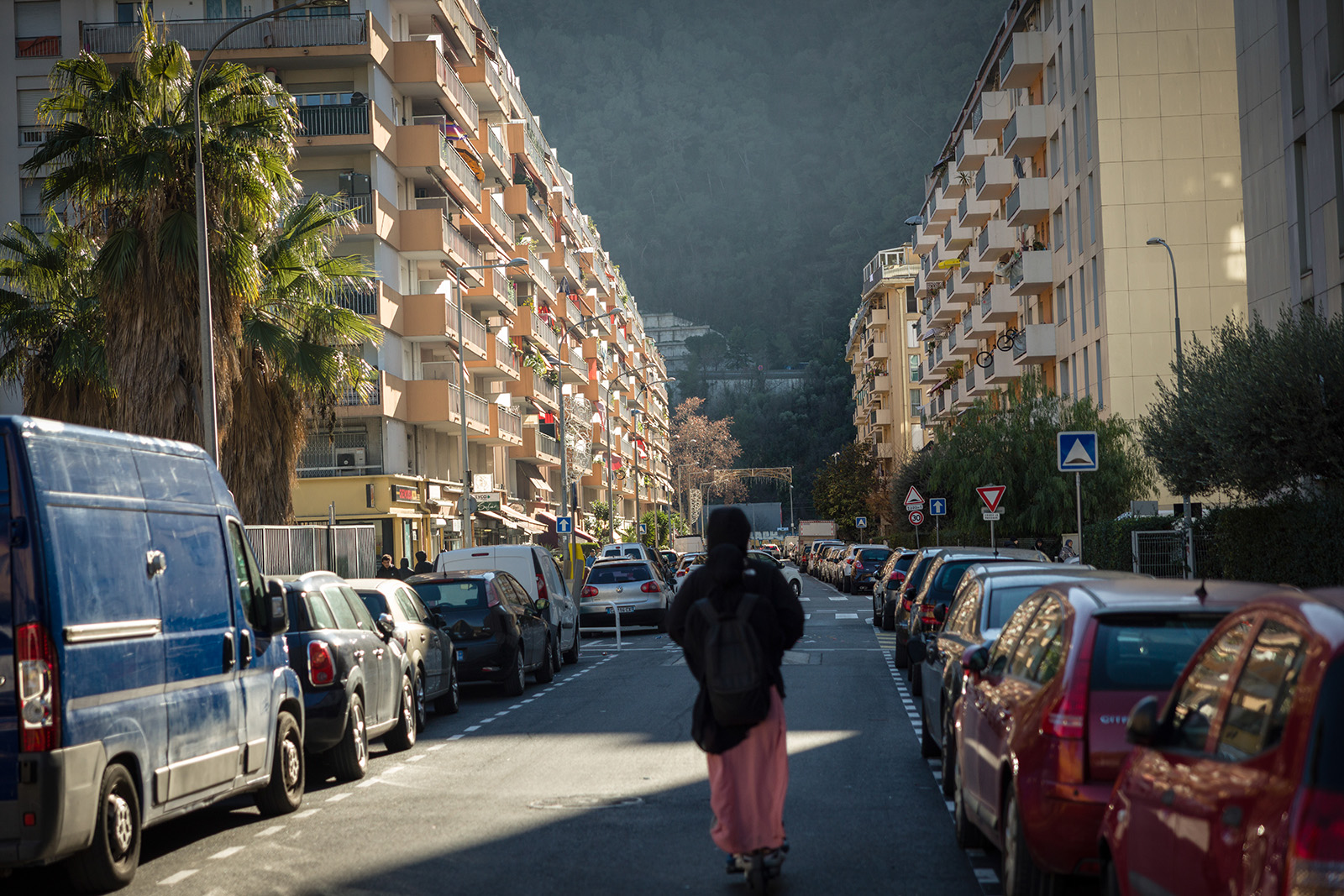
Keita-Gassama was raised in a Franco-Malian household in the Bois l’Abbé, a neighbourhood of around 10,000 residents — a town within the town. Once woodland attached to St Maur abbey, the last of its trees were cut down during the second world war. In the decades since, the area has become notorious in mainstream discourse for drug trafficking, gang rivalries and repeated attacks on its police station.
While Jeanne is campaigning under the slogan “vote for your security”, pledging to install 80 additional surveillance cameras across Champigny, Keita-Gassama says she hears a different concern on the doorstep. “Housing comes up again and again,” she said.
Under President Emmanuel Macron, around 15% of people in France live below the poverty line — the highest level in 30 years. In Champigny, the figure rises to 16%, while in Bois l’Abbé it reaches 35%. “There’s this image of the ‘violent suburbs’, but the real problem is poverty,” said Vanessa Castane, a Muslim mother of two who runs a secretarial business closer to the riverside.
Champigny’s demographic history reflects that of many working-class suburbs around Paris. Under successive communist mayors, the town welcomed waves of migrant workers recruited to rebuild post-war France, as well as people fleeing conflicts elsewhere. In the 1960s, Champigny was home to France’s largest bidonville (shantytown), before social housing estates such as the Bois l’Abbé were constructed in the 1970s to provide permanent accommodation.
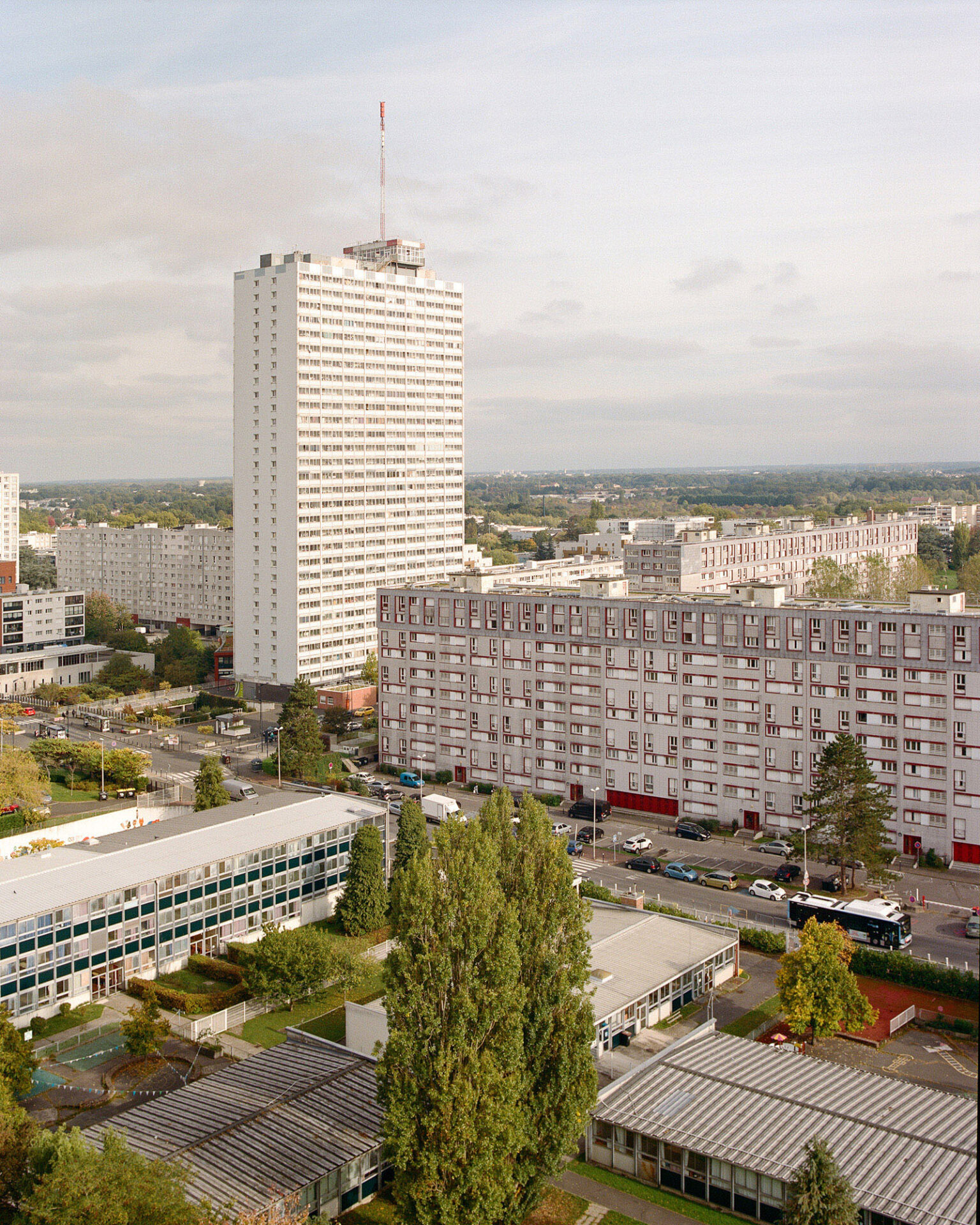
“I grew up with people of every origin you can imagine,” said Keita-Gassama. “Eastern Europe, north Africa, west Africa, Saharan Africa, the West Indies — and a huge Portuguese community.” It was here that she learned to swim at the local pool, danced at street parties to Portuguese, Comorian, Malian and Senegalese music, and began working as a youth worker while campaigning against racism and police violence.
In 2008, aged 24, she was persuaded by local PCF officials to stand for the local council. Elected as councillor in charge of youth, she helped mediate gang conflicts and launched Champigny’s local Fête de la Musique in 2018. That year, she invited a trio of teenage rappers, L2B, to perform.
This March, L2B — named after the Bois l’Abbé where its members grew up — will play two sold-out shows at Paris’s 20,000-capacity Accor Arena. “Pride of Champigny,” Keita-Gassama posted on social media, thanking the group’s producer, N.C., for supporting her campaign. “I’ll be there!”
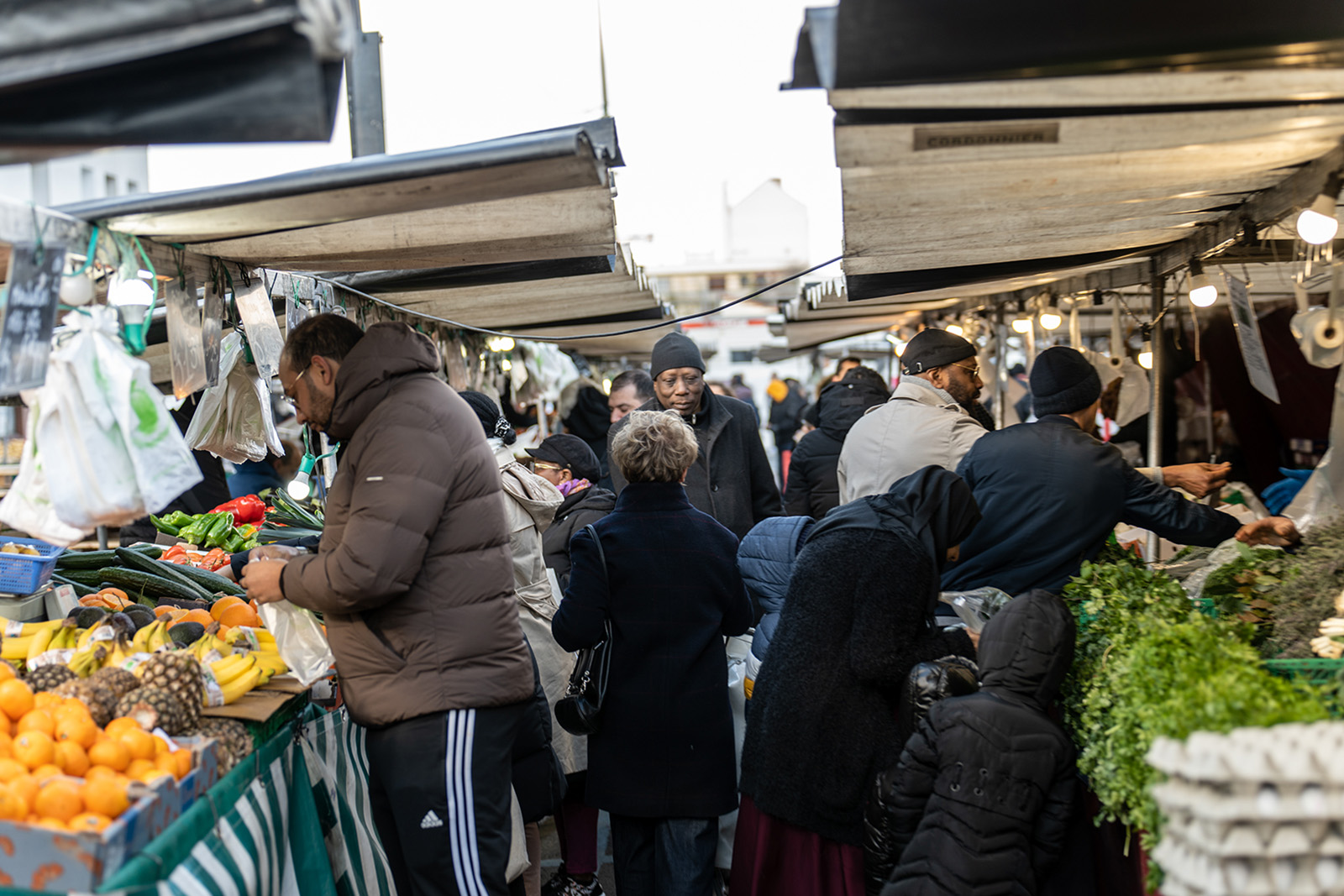
Yet despite being among the most-streamed rap groups in France, L2B’s success has barely registered in the more affluent parts of their own town. For residents, this disconnect symbolises a wider class, cultural and physical divide between the gentrified, riverside areas and the hill of upper Champigny, which house the social housing estates. “That’s the fissure that exists — and it’s a shame,” said Christine Mendy, a sports coach who has lived in the Bois l’Abbé for 35 years.
Media portrayals and policing practices reinforce this division, residents say. Media watchdog Acrimed has repeatedly criticised coverage of the banlieues for being so skewed that it entrenches the very discrimination it claims to report on, framing working-class neighbourhoods primarily through crime and disorder. Frequent police identity checks are part of daily life, a practice the activist and author Fatima Ouassak has likened to a form of occupation. In France, young men who are Black or of Arab or north African origin are far more likely to be stopped than their white peers; additional body searches or detention are estimated to be up to 12 times more frequent. The result, residents say, is not safety, but deepening mistrust and alienation.
Keita-Gassama describes an incident involving her own family. “My aunt sent my cousin to the shops. She saw from the window that police had taken him,” she said. When the aunt intervened, officers told her to “go back, madame” and then fired teargas at her. “There was huge anger across the neighbourhood.” France is one of 31 countries flagged by Amnesty International for the widespread misuse of teargas. “You can understand the anger,” said Mendy. “You can stop us, ID us, arrest us — but don’t touch our mums. An attack on one mum is an attack on all of us.”
Discrimination, residents say, also shapes access to work, education and civic life. “When you have an Arab-sounding name and you live on the estates, you have to work harder than everyone else to get anywhere,” said Vanessa Castane. Voting for the first time in a local election, she said her priority is education. Cuts have meant her daughter’s class recently swelled to 28 pupils. She is also reeling from a recent decision by her local primary school to bar her from accompanying pupils on outings because she wears a hijab. “This is the first year I wasn’t allowed to go on a school trip,” she said. “I’ve been doing it for 15 years.”
Related content
For Keita-Gassama, incidents like this are a warning sign. “It shows the far right is gaining ground,” she said. “We are pro-secular. The law on secularism guarantees freedom of religion for citizens, neutrality for civil servants. It’s a shame this is so poorly understood — especially by people working in public services.”
Candidates have until 26 February to formally declare. If the right retains control of Champigny, Keita-Gassama warns it will mean “continued privatisation of public services, more municipal job cuts, and a way of running the town hall like a company”. Talks are under way about a possible second-round alliance with the PCF candidate, Julien Léger, but the biggest challenge for the left, she says, is disaffection: “Everything depends on whether we can convince people that on 15 and 22 March, whatever the weather, they have to go out and vote.”