

Plaid Cymru leader: We’ll protect communities if Reform UK wins in England
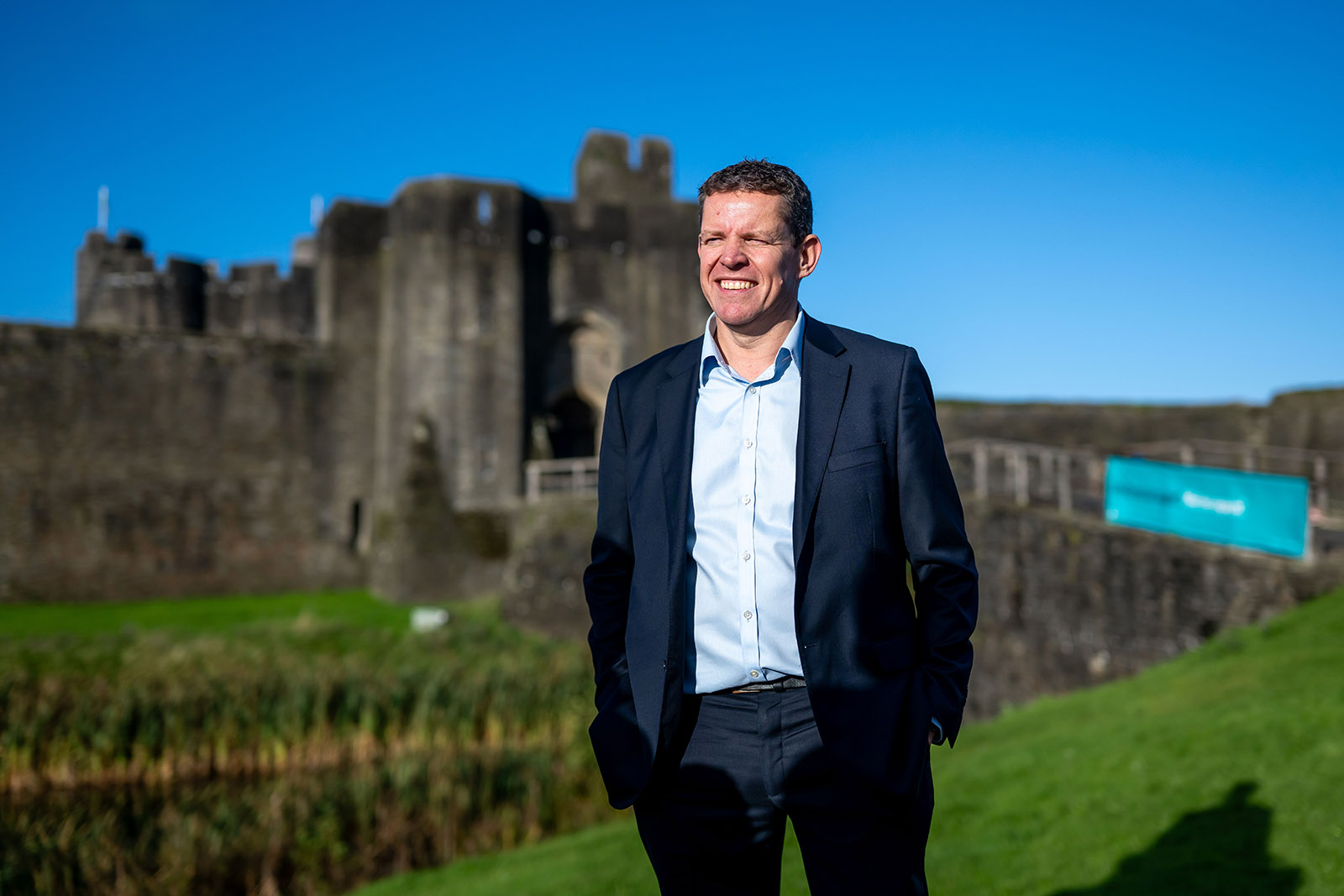
Speaking to Hyphen, Rhun ap Iorwerth appealed for Welsh Muslims to join ‘coalition’ against ‘negative politics’ of Nigel Farage’s party
Plaid Cymru leader Rhun ap Iorwerth has pledged to take “every possible step” to protect Welsh Muslims from the rise of the far right.
Asked what his party could offer Muslims who were considering backing Plaid for the first time in May’s Senedd poll, he said he wanted Muslim communities to be “at the heart” of the Wales a Plaid government would build, adding: “My pitch is around a Wales for all.”
“To me, this is about building Wales as a community of communities,” he said, explaining that his party would focus on prosperity and public services, particularly education, health and care.
Related content

Based on current polling, Plaid will become the largest party, followed by Reform UK, with the governing Labour Party collapsing into a fight for third place with the Green Party. It would be a political transformation for a nation that has been dominated electorally by Labour for more than 100 years.
“Hope is really, really important to people: who will stand up for Wales? Who will defeat that negative politics? And Plaid Cymru comes out on top in all of those [polls] now,” said ap Iorwerth. “It’s by building coalitions of people, including in Muslim communities, that we will give that view of politics the momentum that we need to get over the line in May.”
The main political threat to Plaid now appears to be from Reform, both at the Senedd elections and in the next general election, where Welsh voters will choose MPs to represent them in Westminster. A UK-wide victory for Reform could be catastrophic for relations between the nations should Plaid be in power. “I hope that civic society in England will rise against that divisive politics in the way that we are trying to do so in Wales,” said ap Iorwerth. “And I hope that can stop the advance of the far right.
“If that doesn’t succeed, we move into a new era, I think, of having to make sure that we protect our communities here in Wales. I will take every possible step to make sure that we are able to withstand the damage that would come from that.”
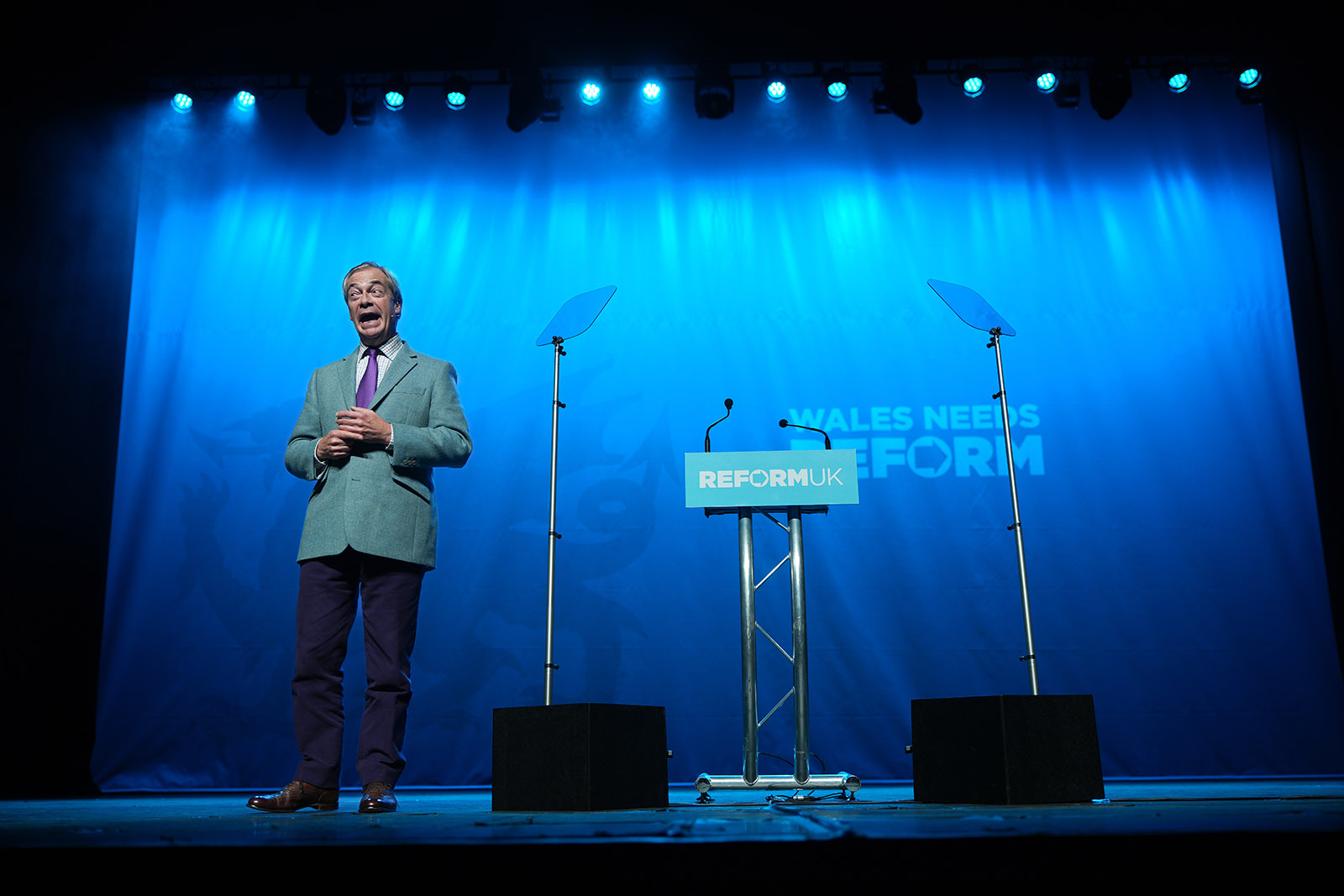
Asked whether that meant pushing for full independence more quickly than the party has done so far, ap Iorwerth would not give a definitive answer, but said: “Were [Westminster] to take a big lurch to the divisive right, that could focus minds even more on the need to engage, on whether there’s a different way of doing things.”
Welsh Muslims comprise a small but electorally important community in Wales, concentrated in the southern cities of Cardiff, Newport and Swansea. The constituencies with the most Muslim voters are Cardiff South (12.9%), Cardiff East (10.5%), Cardiff West (7.1%), Newport East (9.3%) and Swansea West (6.1%). These cities and Welsh Muslims traditionally supported Labour, but that has eroded as a result of the party’s record under Keir Starmer’s leadership.
“I’ve always been Labour, always got on with Labour,” said Dr Kasim Ramzan, a GP in Newport. However, he was disappointed by Labour’s response to Israel’s attacks on Gaza, which he felt did not square with the party’s position on the war in Ukraine. On top of this, Labour’s rightward drift — including what he sees as its inaction on Islamophobia (a working definition, long promised, still has yet to materialise) and echoing of Reform policy on immigration — compounded his feeling that he could no longer back the party. “I just see that Labour now [are] becoming almost Tory-lite,” he said.
Where Labour appeared to be weak, Plaid offered clear leadership, Ramzan said. Referring to the party’s push for crime and justice powers to be devolved to the Senedd so Wales could “tackle hate”, he said: “Plaid seemed to be the only ones that were taking it [hate crime] seriously.” The party was also strong on Gaza, he felt, supporting a boycott of Israel and calling the actions of the Israeli government a genocide. “Having a party that would stand up and say that what’s happening is wrong gave us confidence,” he said.
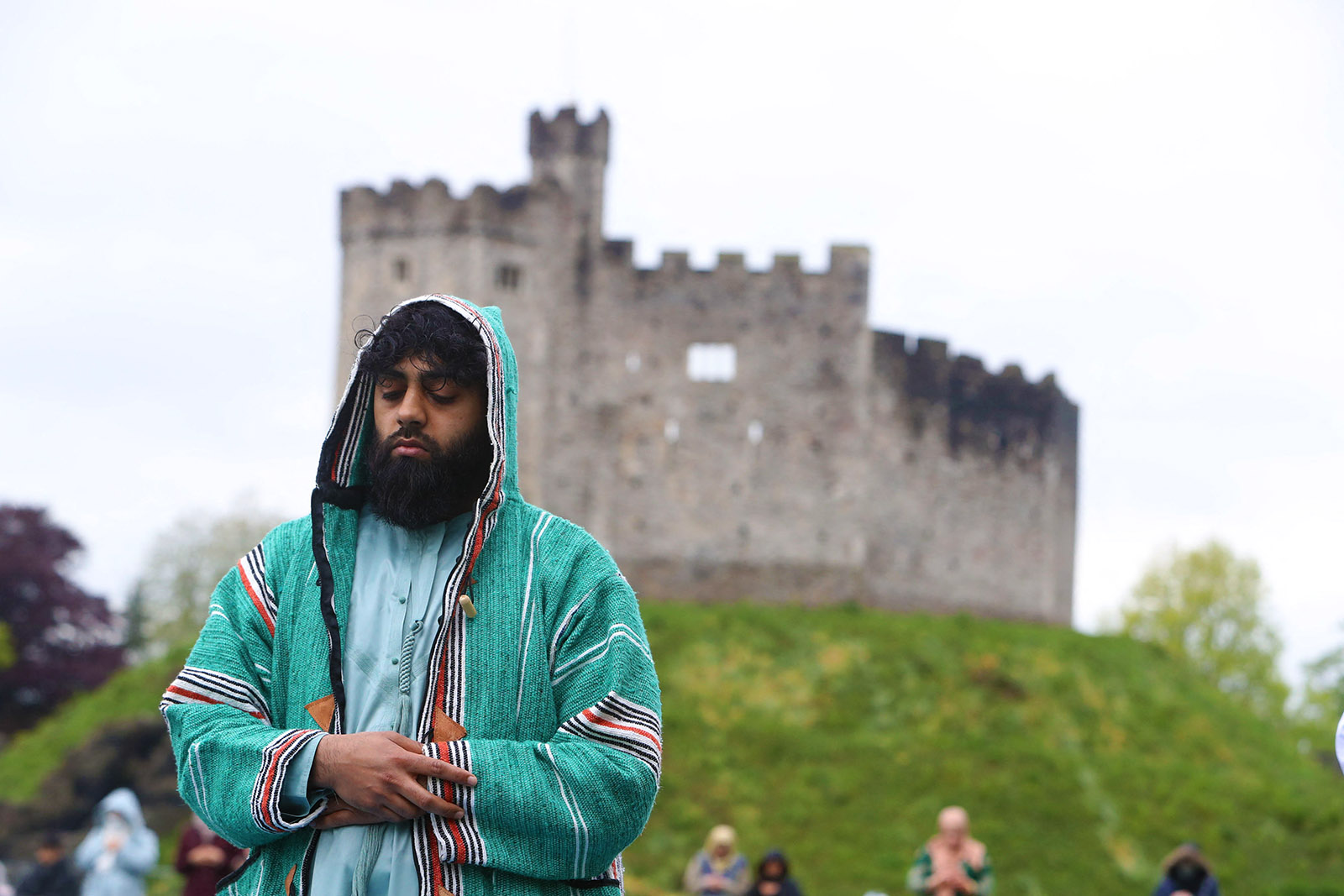
At the 2024 general election, campaign group The Muslim Vote endorsed Plaid candidates in seats including Newport West, Swansea West and Cardiff West, while endorsing Greens, Lib Dems and independents in others.
Sumaya Ahmed, from the Welsh branch of The Muslim Vote, said the organisation would hold hustings, consultations and “public mandate exercises” before announcing its endorsements for the March elections, which will take into account the proportional system being used to elect Senedd members.
“They’ve struck the moment in terms of being able to offer a broad, progressive but uniquely Welsh political alternative for the Senedd,” said Dr Abdul-Azim Ahmed, secretary general of the Muslim Council of Wales, of Plaid Cymru. “I think over the last few years, they’ve definitely matured as a party. They’re really considering what their relationship with the people of Wales as a whole looks like.”
Related content
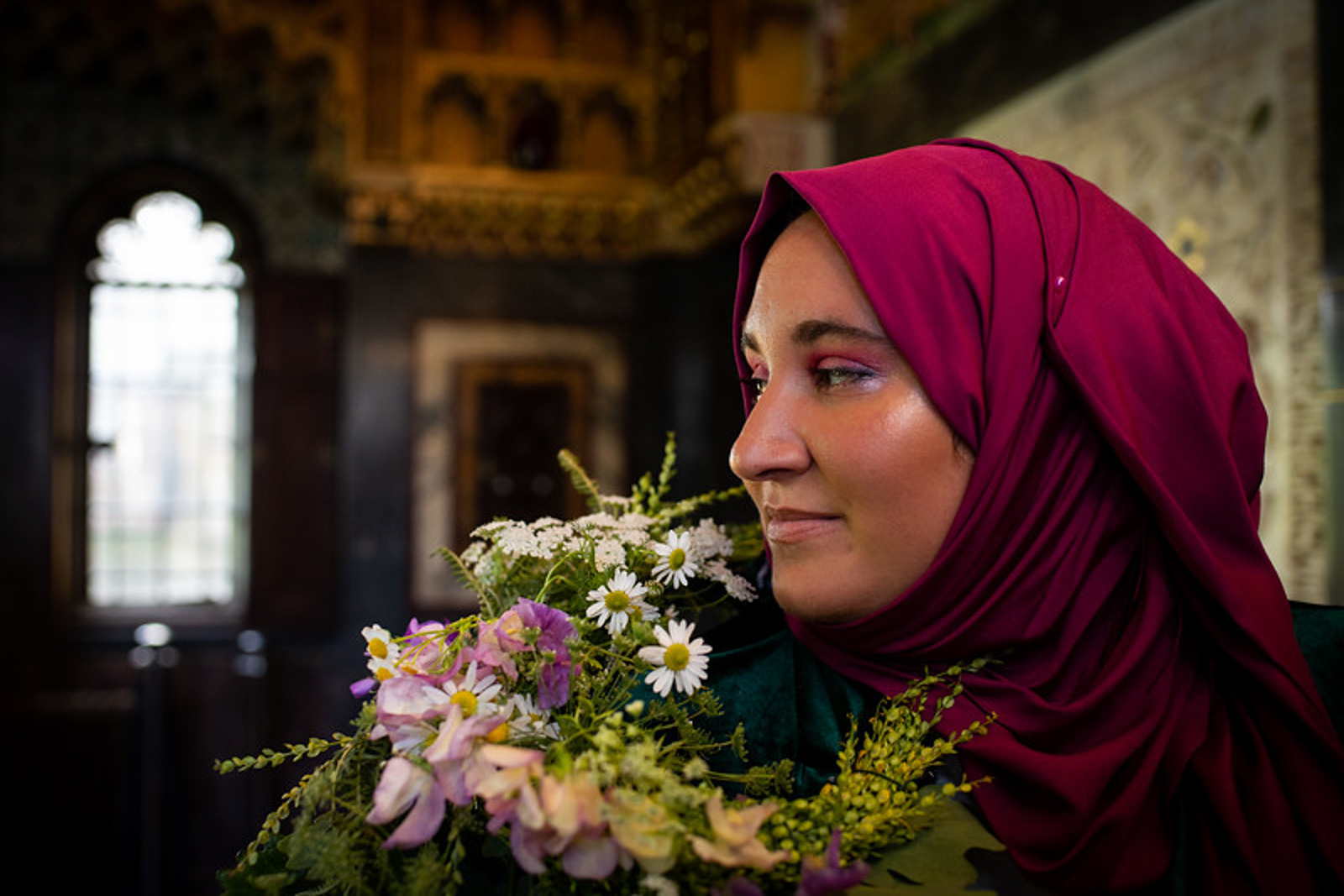
According to Ahmed, this includes Plaid and its representatives engaging with Muslim groups not only on issues such as Islamophobia, Palestine and the cost of living, but also contentious areas between conservative and progressive groups, such as assisted dying and relationships and sexuality education. “I hope that people feel they have a say in the kind of government that we’re trying to build here,” said ap Iorwerth. “It’s been a real pleasure to build those ties with Muslim communities over the time that I’ve been leader.”
To date, only a single Muslim Plaid candidate has been elected to the Senedd — Mohammad Asghar, who was elected in 2007 and then defected to the Conservative Party two years later. Ap Iorwerth said the number of ethnic minority Plaid candidates for the Senedd this year was “greater than it would have been in the past [but] still not where I would like it to be”.