

Labour MPs back Starmer on Greenland, but that won’t help him win votes

It’s tricky to shore up domestic support when global politics dominates the agenda — and May’s local elections are edging closer

Downing Street spent the end of 2025 telling journalists that, this year, the government was finally going to drag the national conversation back to the things voters actually feel: bills, wages, rents and whether life is getting any easier. So far, it has had no luck at all.
First there was Donald Trump’s decision to intervene in Venezuela, blowing the entire domestic agenda out of the water. Now we are talking about Greenland, tariffs, the Chagos Islands and the future of the transatlantic alliance.
The week was supposed to start with Starmer selling a domestic message to voters who are still not convinced Labour has made much difference to their lives. A big speech in Leeds was planned to do exactly that. It was pulled. Instead, the prime minister found himself behind a lectern in Downing Street, trying to explain why events thousands of miles away matter to people struggling to pay their gas bills.

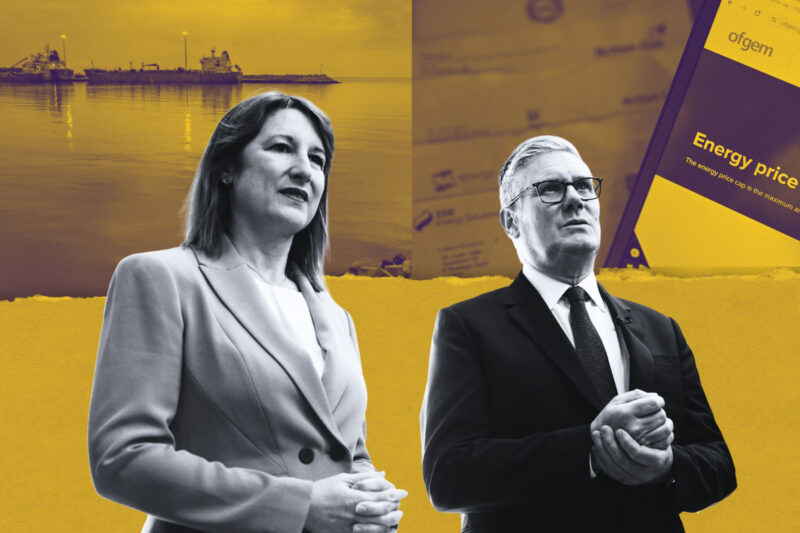
This is where politics gets uncomfortable. The link between global instability and household finances is real, but it is also abstract. Tariffs lead to higher prices, trade wars spook markets and conflicts drive up energy costs. This is fiendishly hard to explain in a way that cuts through.
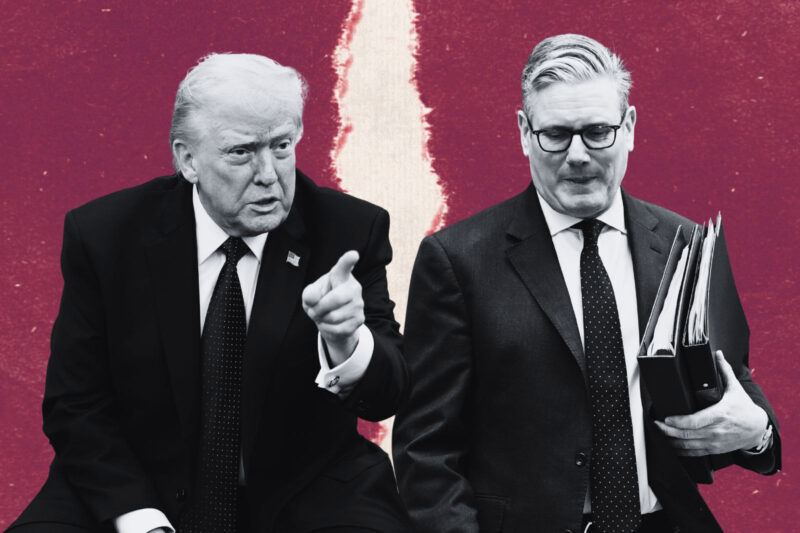
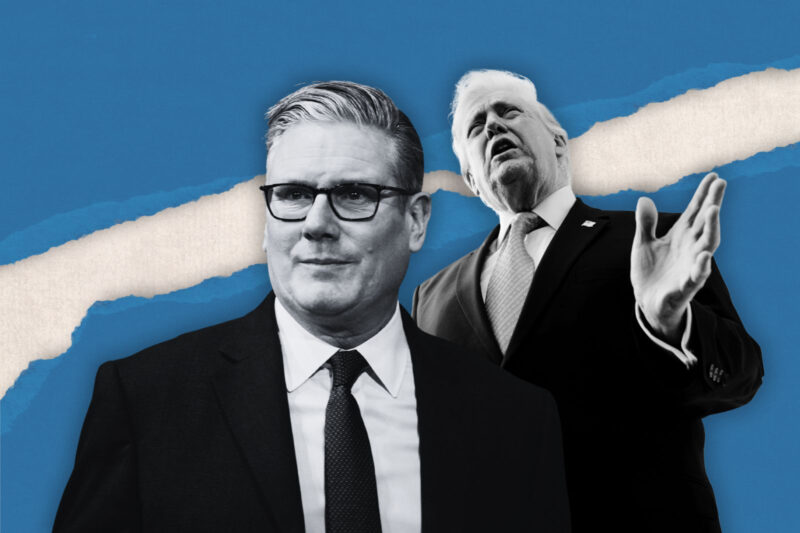
Trump’s behaviour has only made matters worse. After months in which Downing Street believed it had carefully nurtured a workable relationship with Washington, the US president now appears to have turned on Starmer in public. Attacks over Greenland, the Chagos Islands deal with Mauritius and a broader assault on allies have left the prime minister exposed on terrain he thought was secure.
This cuts directly across Starmer’s chosen foreign policy identity. He has styled himself as the dependable ally: calm, pragmatic and private rather than performative. For a while, that seemed to work. The government quietly talked up earlier trade negotiations with the US as proof that discretion delivered results. But Trump does not do quiet. His social media barrages generate headlines instantly, while Starmer’s preference for diplomacy behind closed doors struggles to compete in the modern news cycle.
The timing could hardly be worse. Labour is heading into a brutal electoral year. Thousands of council seats are up for grabs, alongside elections for the devolved governments in Scotland and Wales. Polling already has the party in alarming territory, trailing not just Reform but the Conservatives as well. In Wales, Labour faces the once-unthinkable prospect of losing control of the Senedd. In Scotland, slipping into third place, as some polls have suggested, would be a humiliation.
International crises do not pause the electoral calendar. The fear among Labour MPs is that every day dominated by Trump and geopolitics is a day lost before May — a day when the government is not talking about the NHS, transport or the cost of living. As one usually loyal Labour MP put it to me this week: “This entire situation could not be any worse for a PM who is already on the ropes.”
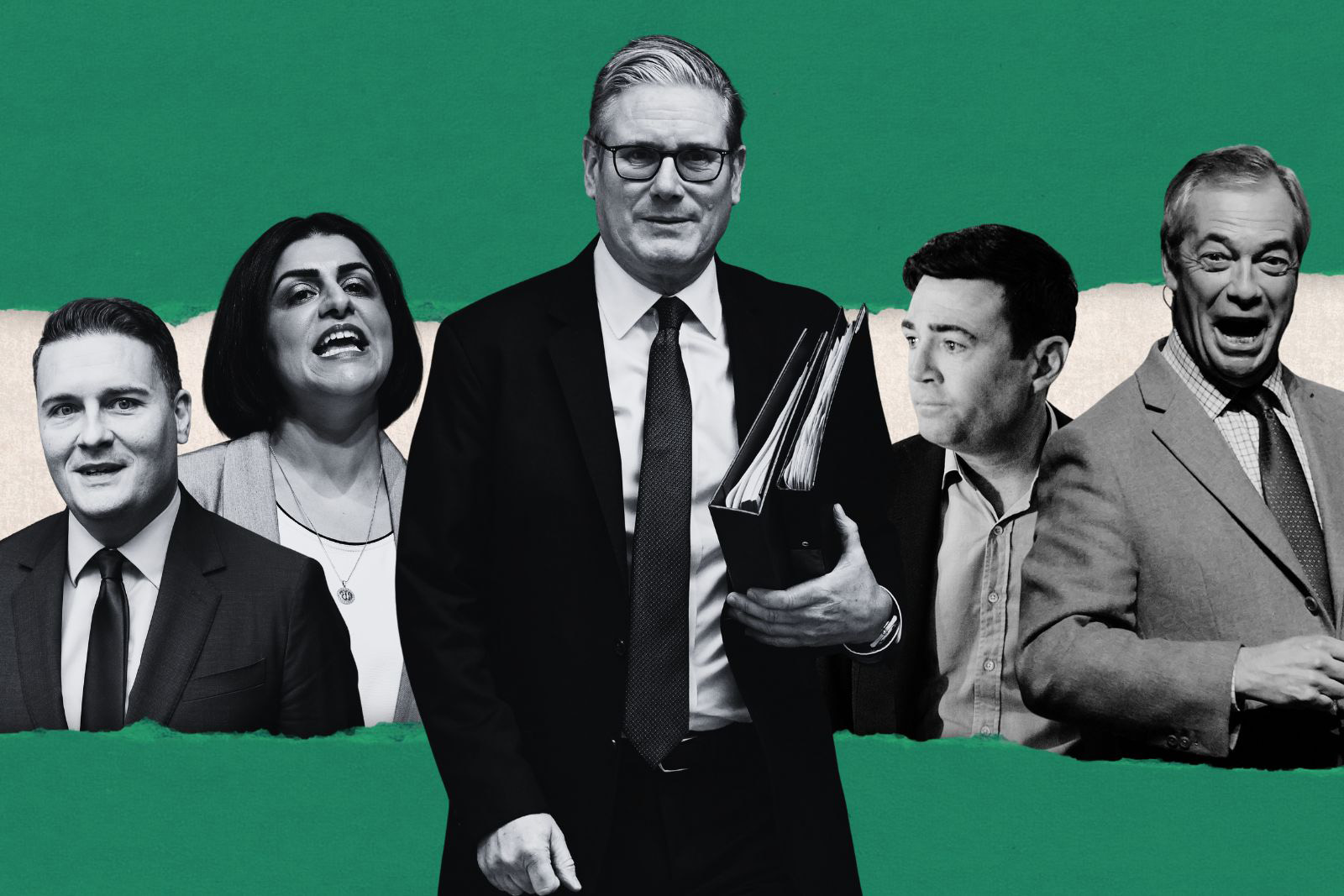
Inside the party, external pressure feeds internal anxiety. Starmer’s authority has been the subject of whispered doubt for some time now. Paradoxically, the global crisis both helps and hurts him. It helps because moments of international chaos are not fertile ground for leadership coups. Even restless colleagues tend to rally around a prime minister when alliances are under strain and even opposition parties tend to lay off. But it hurts because it freezes the domestic reset Starmer desperately needs to stabilise his position.
There is also a deeper strategic bind. On Greenland and tariffs, the prime minister has drawn a clear line: sovereignty matters, allies cannot be bullied, and trade wars benefit no one. It is a principled stance but it comes with risks. If Brussels moves towards retaliation and London holds back, Starmer risks looking isolated. If he follows the EU’s lead, he risks provoking Trump further. Either way, there is a political price to pay.
Related content
Meanwhile, every new international flashpoint invites fresh scrutiny of Starmer’s judgement. The approval of a new Chinese embassy in London, ahead of a planned visit to Beijing, has already raised eyebrows in Washington. In the current climate, even routine diplomatic decisions risk becoming triggers for presidential outrage.
None of this is to say that Starmer is mishandling the international situation. In fact even Labour MPs who are usually critical have been understanding. “He is defending allies, avoiding escalation and trying to keep communication open,” one usually unhappy Labour MP told me. The problem is that seriousness does not easily translate into political reward when voters are restless, sceptical and under financial strain.
As January unfolds, the prime minister faces an unenviable balancing act: projecting calm and competence abroad while reigniting belief at home. The longer the world intrudes on his plans, the harder that becomes.
Shehab Khan is an award-winning presenter and political correspondent for ITV News.