

Netting Zahawi is a coup for Reform, but the party faces a new dilemma
As Nigel Farage’s party grows, it increasingly resembles the establishment it claims to want to replace

It is only January, but Reform UK has already held more press conferences in 2026 than either Labour or the Tories. That alone tells you all you need to know about the party’s intent for this year: it is determined to seize the agenda early and hold it.
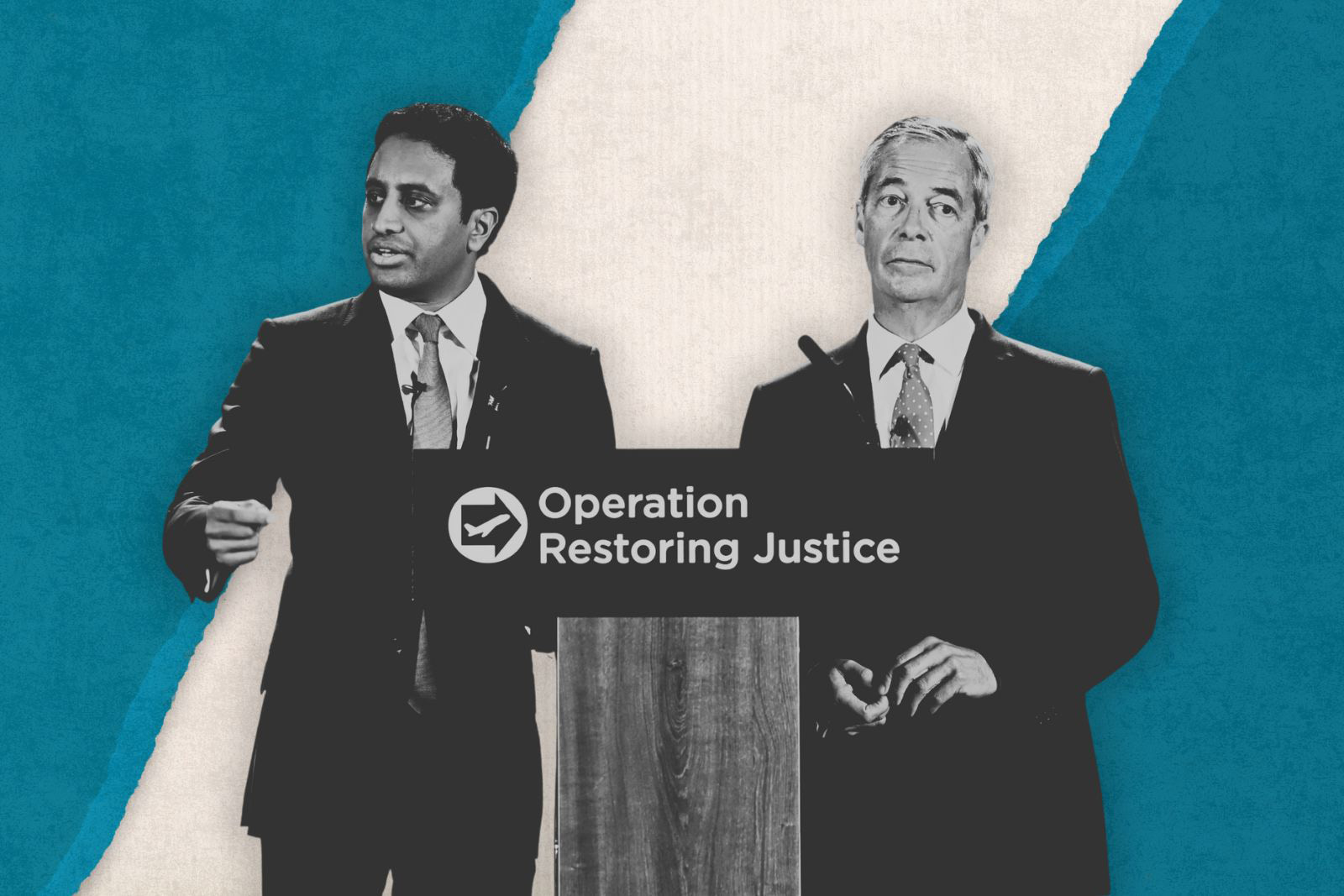
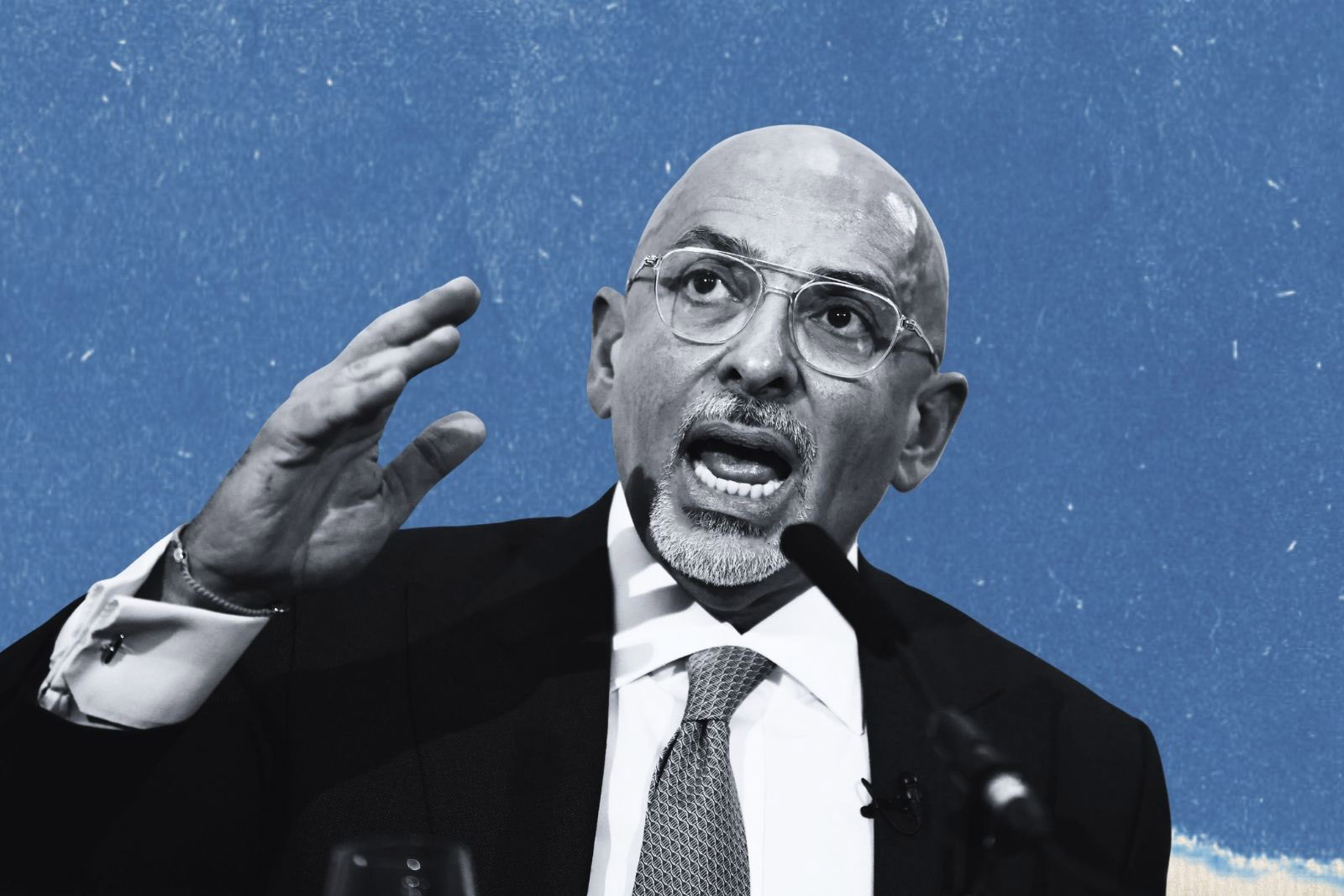
The most recent of those saw the unveiling of Nadhim Zahawi, the former Conservative chancellor, as the latest high-profile defector to the Reform cause. On paper, it was a significant coup. Zahawi is a former holder of one of the great offices of state and, although his tenure at the Treasury was brief, his CV is substantial. Reform, a party still dogged by questions about its readiness for government, will welcome someone of Zahawi’s political knowledge and contacts to bolster its credentials.
Yet almost as soon as Zahawi stepped onto the stage, the counter-attack began.
Within minutes, Tory sources were briefing lines. Some told me that Zahawi had repeatedly sought a peerage and been rebuffed. Others pointed out that he had been sacked as Tory party chair after failing to declare that he was being investigated by HMRC for underpayment of millions of pounds in tax. One senior Tory source put it bluntly: “Nadhim asked for a peerage several times. Given he was sacked for his tax affairs, this was never going to happen. His defection tells you everything you need to know about Reform being a repository for disgraced politicians.”
Related content
Zahawi’s allies strongly dispute that account. Sources close to him insisted to me that he had still been considered valuable by the Conservative party — so much so that its leader, Kemi Badenoch, had recently approached him to ask for political advice.
No one has yet verified either narrative but, whatever the truth of the matter, the Tory briefing shows the party is perfectly willing to act aggressively and quickly against its own former senior figures the moment they support Nigel Farage and Reform UK.
Labour was quick to pile in, too. The party’s chair Anna Turley released a statement that accused Reform of having “no shame” and described Zahawi as “a discredited and disgraced politician who will be forever tied to the Tories’ shameful record of failure in government”.
The strategy from both main parties was clear: attack the defector, attack the party that welcomed him and, by extension, attack its leader.
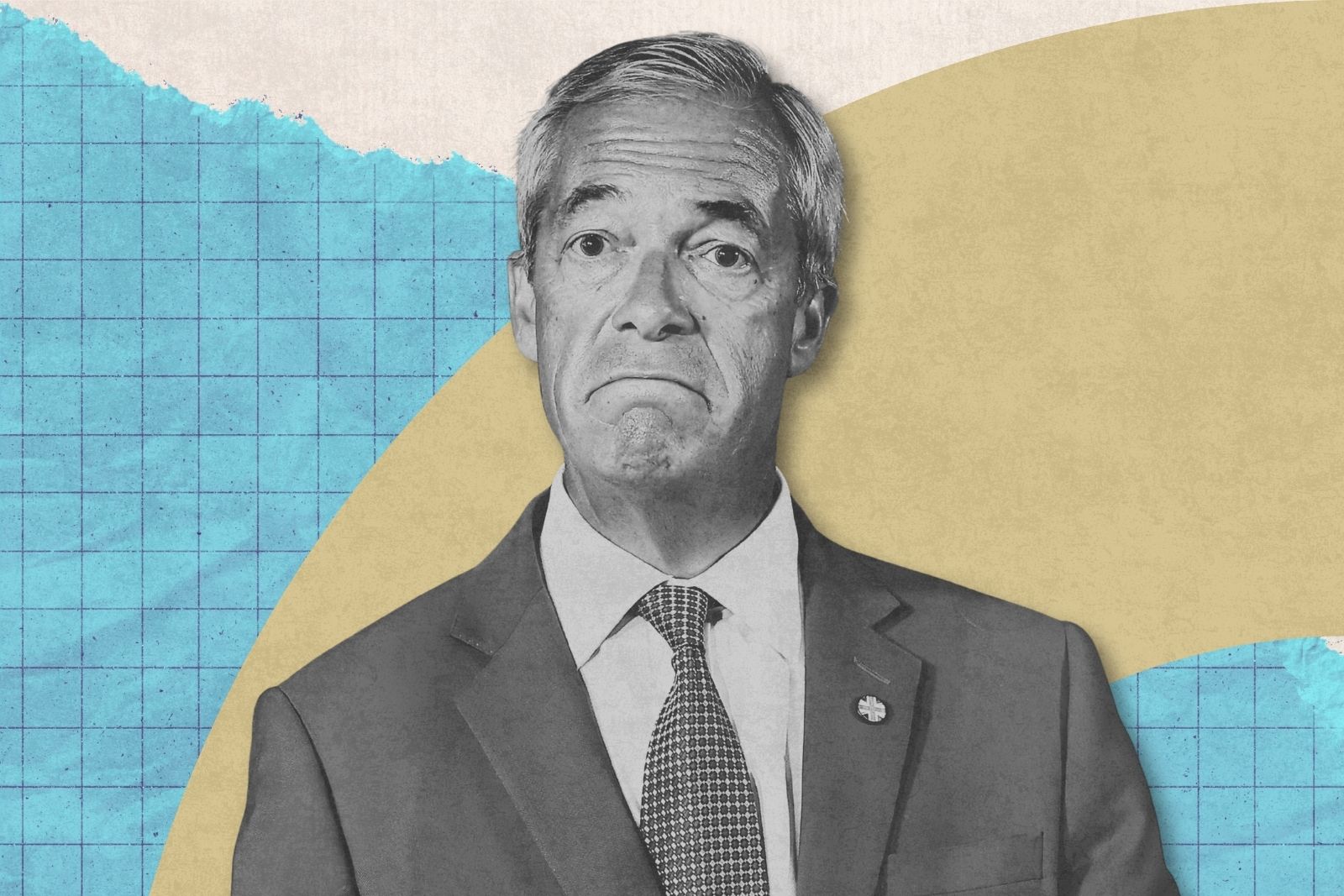
That man, Farage, is viewed by figures in both Labour and the Conservatives as more vulnerable than he was in the past. Speaking privately, senior figures in both parties argue that sustained and aggressive scrutiny will cut through. They point in particular to the allegations of racism and antisemitism that continue to follow him regarding his schooldays, arguing that this is not just political point-scoring but a necessary line of questioning.
Some 34 former school contemporaries have come forward claiming they witnessed racist or antisemitic behaviour, raising fresh questions about Farage’s past and the consistency of his denials.
I asked him about it personally during the Reform press conference I attended for ITV News last week. The reaction from sections of the audience was telling: jeers, groans, and shouts of “boring” as I asked the question. Farage’s response was emphatic. “I don’t apologise for things that are completely made-up fantasies,” he said. “Some of what I heard was just absolute nonsense by people with very obvious, if you looked, political motivation” — a change from his previous claims that his antics at school were just “banter” and not intended to be malicious.
The more the party surges in the polls, the more intense and forensic this type of scrutiny will become. But the Zahawi episode has exposed a different tension at the heart of Reform’s project. One of Farage’s most powerful arguments has always been that he is different: different from Labour, different from the Conservatives, different from what he portrays as a failed and self-serving political class. But as Reform continues to welcome a growing procession of former Conservative MPs — including Lee Anderson, Jonathan Gullis and Ben Bradley — that claim becomes harder to sustain.
There is, of course, a clear upside for the party. Reform’s greatest weakness has long been its lack of governing experience. Unlike Labour or the Conservatives, it has very few figures who have actually run departments, navigated Whitehall or sat around a cabinet table. Zahawi brings exactly that. He served as chancellor, was chancellor of the Duchy of Lancaster, and later Conservative party chair. Alongside figures like Nadine Dorries, he adds institutional knowledge and an understanding of how power is exercised behind the scenes.
But he also brings baggage. He was found to have breached the ministerial code over the tax scandal that got him fired, and eventually had to pay a settlement of nearly £5m to HMRC.
Related content
As one Labour figure put it to me: “It’s an open goal, and we’ll repeat it over and over again to prove that Reform is no different and if anything, they’re even worse.”
This is the trade-off Reform faces as it moves from insurgent force to a self-proclaimed government-in-waiting: experience versus purity. Anti-establishment rhetoric plays well in opposition, but it is far more difficult to sustain when your front bench slowly starts to resemble the establishment you claim to be replacing.
For now, Reform appears comfortable with the fight. It is still leading in the polls and the sheer intensity with which both main parties are now focused on attacking Farage and Reform is itself a measure of how far he has succeeded in dragging British politics onto his terrain.
Shehab Khan is an award-winning presenter and political correspondent for ITV News.