

Nearly half of UK imams are now British-born — up from just 8% in 2008
Research from Cardiff University’s Centre for the Study of Islam shows major generational shift — but warns imams are ‘overworked and underpaid’

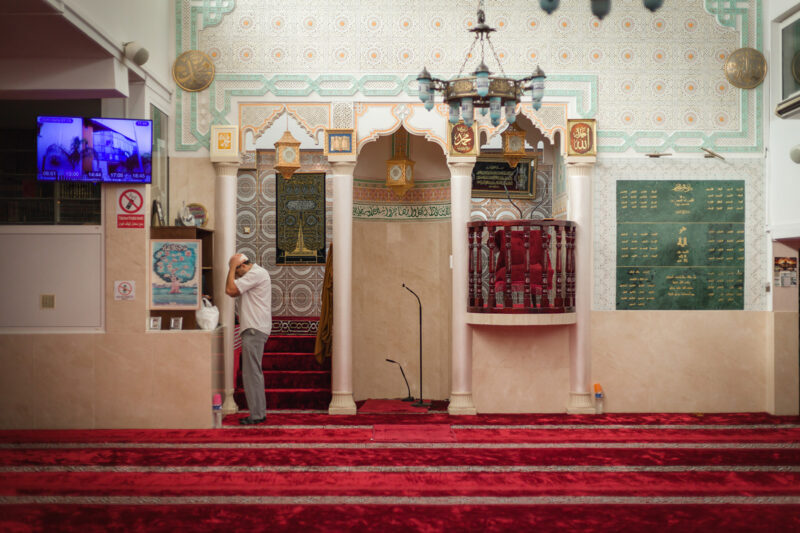
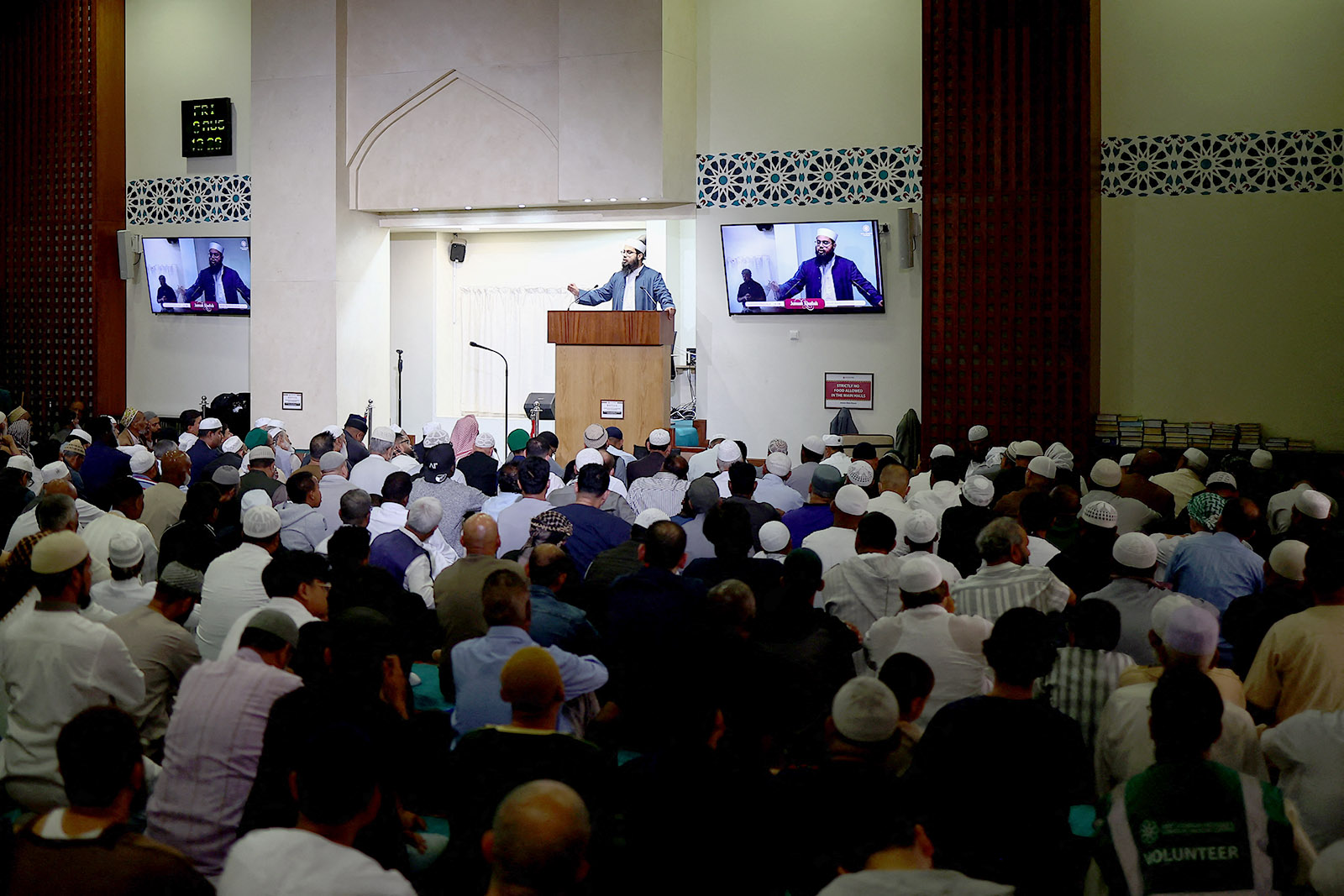
Nearly half of the imams working in British mosques were born in the UK, according to new research, suggesting a major generational shift in Muslim religious leadership.
The findings come from a five-year research project led by Dr Riyaz Timol, an academic at Cardiff University’s Centre for the Study of Islam, which surveyed more than 2,000 imams across England, Wales and Scotland.
The research shows that 48% of imams currently working in Britain were born in the UK — a sharp rise from just 8% recorded in the last comparable national study conducted in 2008 by Professor Ron Geaves at the University of Chester. That study looked at a sample of around 300 imams.
Timol said the contrast highlighted how significantly the imamate sector had changed over the past two decades.
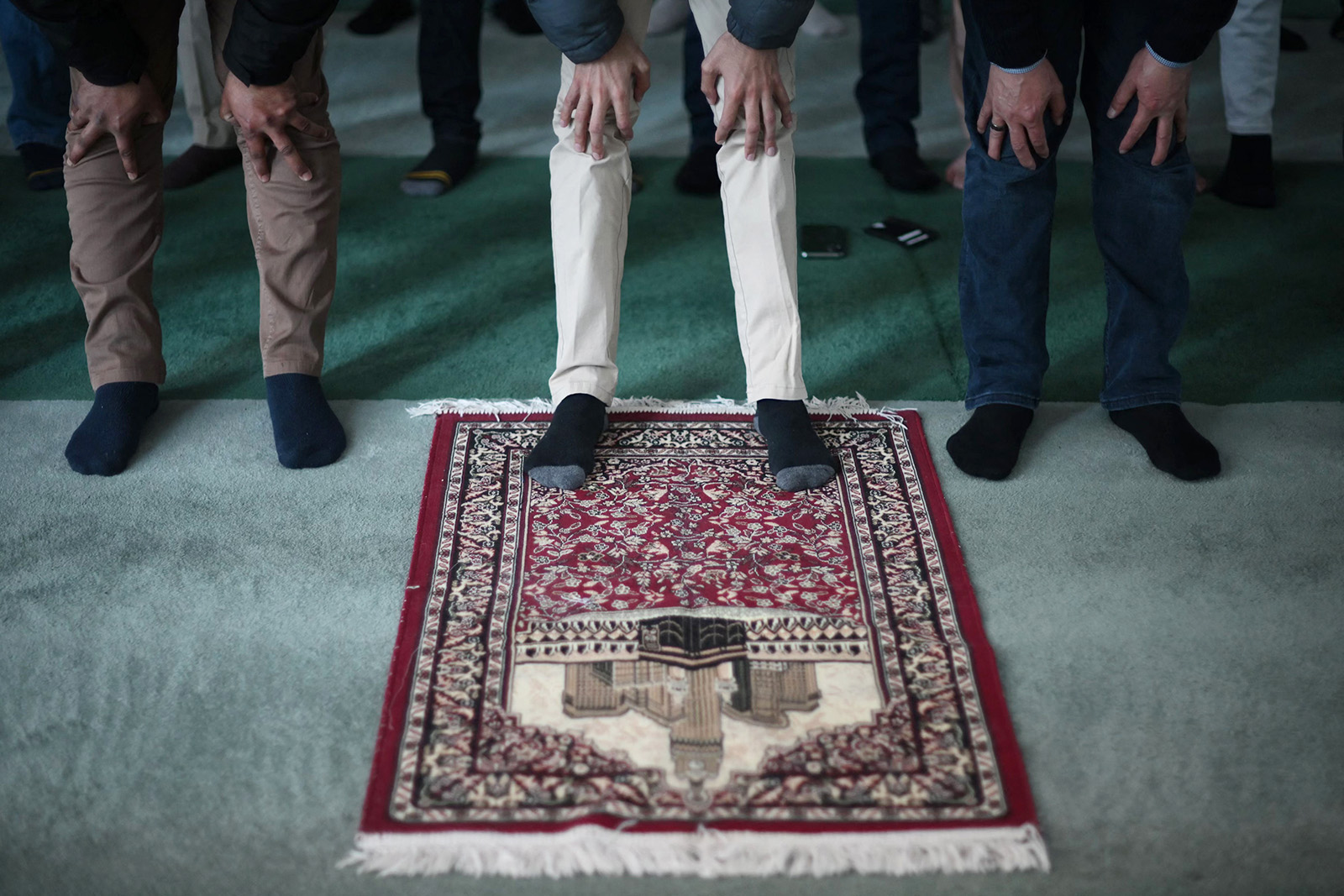
“These changes are happening across the community more widely,” said Timol. “In some places, you’re now seeing fourth and fifth-generation Muslims. That process of becoming culturally embedded and familiar with British social life is well under way, and the imamate sector reflects that.”
The shift among imams reflects broader demographic changes within Britain’s Muslim populations. The 2021 census found that, for the first time, a majority — 51% — of Muslims in England and Wales were British-born, compared to the 2011 census, in which the figure was 47%.
The study attempted to contact every mosque in Britain and successfully collected data from around two-thirds of them — about 1,200 mosques in total. As many mosques employ more than one imam, researchers collected biographical data on 2,001 imams, making it the largest dataset of its kind to date.
Alongside the national survey, the research included 40 in-depth interviews with imams from a range of backgrounds, as well as a separate survey of mosque congregants to assess how communities experience and interact with imams.
According to Timol, the role of the imam itself has changed significantly, particularly as more British-born and English-speaking leaders take up positions.
“Historically, the imam’s role was largely centred on ritual — leading prayers, delivering sermons, teaching children,” he said. “That hasn’t disappeared, but today’s imams are increasingly expected to act as counsellors, community representatives and pastoral figures.”
Working conditions were also a major concern. Many imams reported low pay, insecure contracts and long hours, with some earning below the national minimum wage despite being on call for their communities at all times.
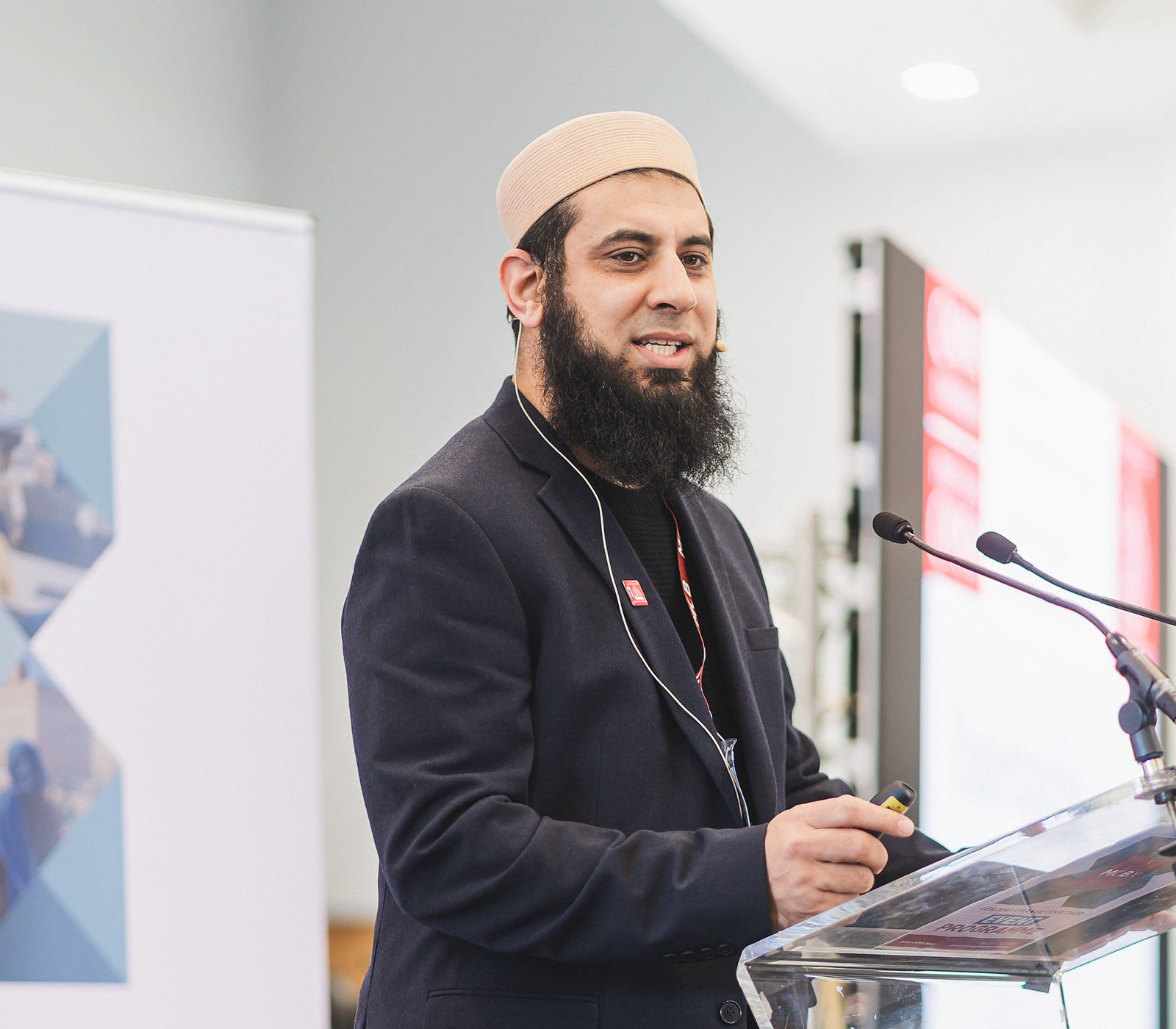
“Imams are overworked and underpaid,” said Timol. “Some are earning below the national minimum wage, and many don’t have formal contracts despite working full-time for years.”
Timol said the research challenged common public stereotypes that portray British imams as disconnected, foreign or unable to engage younger generations or modern British life.
“What we found was a group of highly committed individuals doing an enormous amount of unseen labour for their communities,” Timol said. “In many ways, they are the unsung heroes of British Islam.”
Many imams reported spending a large proportion of their time dealing with marriage breakdowns, mental health concerns and family crises — often without any formal training or counselling in pastoral care. Several described themselves as “de facto marriage or mental health counsellors”, despite having been educated through seminaries that are highly textual and theological in focus.
Related content
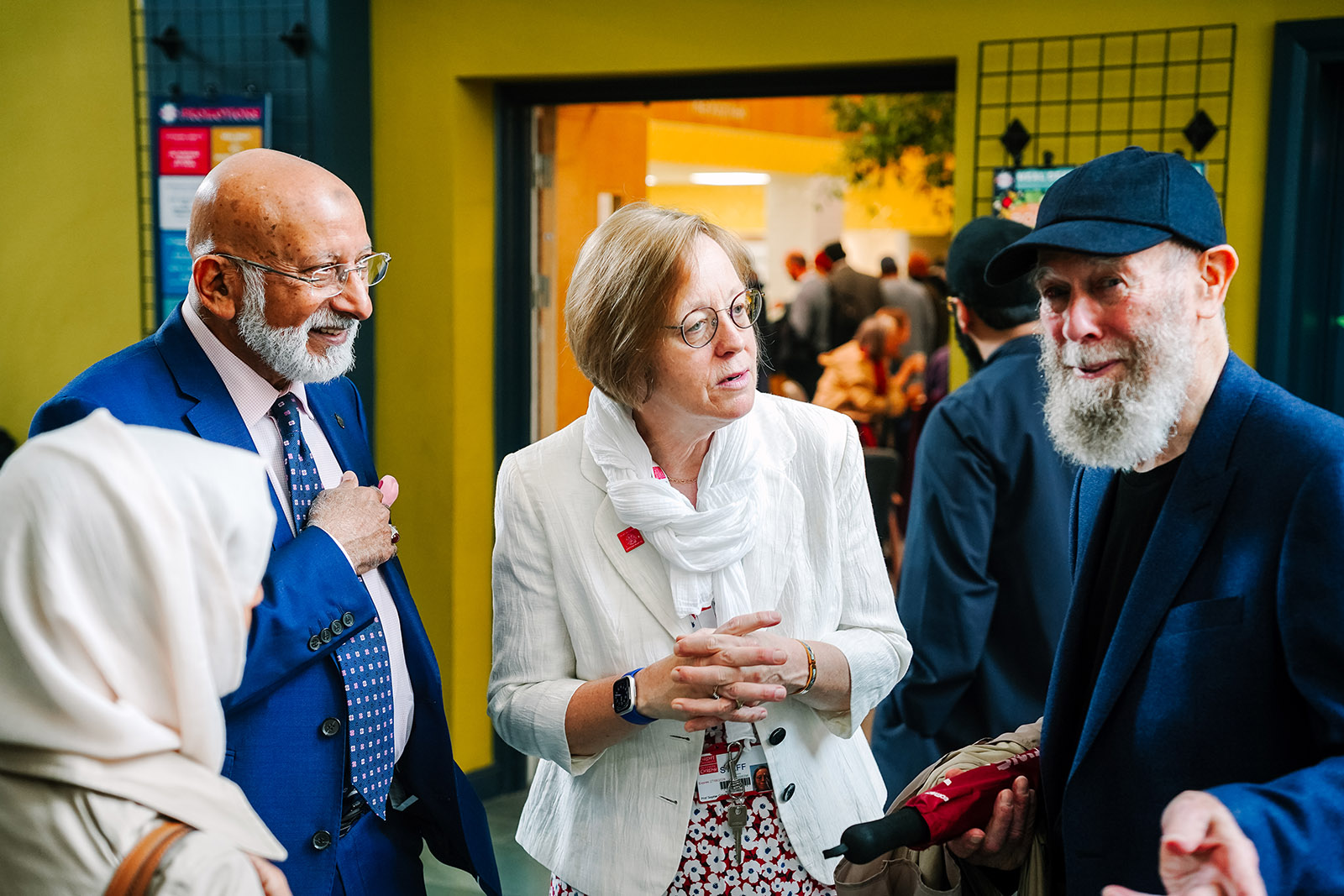
“There’s a real mismatch between the social demands of the role and the training many imams receive,” said Timol. “There was a strong appetite among imams for professional development, particularly in counselling skills.”
The research also highlights the impact of broader social and political pressures. In the years following the 7/7 attacks, imams increasingly found themselves positioned as public representatives of Muslim communities, expected to engage in counter-extremism work, interfaith dialogue and community work.
At the same time, digital platforms have reshaped religious authority. Many congregants now turn to online scholars or social media for religious guidance, bypassing local mosque leadership altogether — a trend that some imams said had altered their relationship with communities.
Timol hopes the research will prompt constructive conversations about how mosques are run and what imams need. “Imams are doing so much hard work, often with very limited resources,” Timol said. “It’s a very thankless job, but they just keep plugging away.”