


Yemeni steelworkers who helped build Britain are still missing their pensions

Thousands of workers saw payments stopped with no explanation a decade ago. Now their families are paying the price

A generation of Yemeni steelworkers who helped build post-war Britain in the 1950s and 1960s are still waiting for their missing pension payments — years after the government was first made aware of the problem, which has left them and their families destitute.
The former industrial workers, many of whom — like their British counterparts — worked in dangerous conditions and suffered injuries or lost limbs, saw their pensions stopped suddenly around the start of Yemen’s civil war in 2014. Records show others had their payments stopped years earlier, often without warning or clear explanation.
It first came to light in early 2022, at which point the UK government claimed the problem had been solved and payments would resume. But Ragih Muflihi, chief executive of the Yemeni Community Association in Sandwell, told Hyphen many were still waiting and that the government was still stonewalling their requests for recognition of the scale of the issue.
Related content

“The shutters are up by the British government and also by the Department for Work and Pensions (DWP),” he said. “We just can’t get through to the pension services.”
Muflihi said community leaders had repeatedly tried to meet pension officials to explain that the issue goes beyond isolated cases.
“What they’re looking at is individual cases,” he said. “And we’ve said it’s not individual cases, it’s the overall attitude. They say they’ve communicated with people, but how do you write letters to a country at war or send emails to people who don’t have them?”
He added: “The majority are the people who came and built this country. They’ve lost limbs, and they’ve gone back home to retire.”
Many of those affected are men who travelled to Britain in the decades after the second world war to work in factories, foundries and steelworks, particularly in the Midlands and South Yorkshire. Community organisations estimate several thousand Yemeni men migrated to the UK for industrial work during this period, with large numbers later returning home to retire. They believed the pensions they had earned would continue to support them and their families.
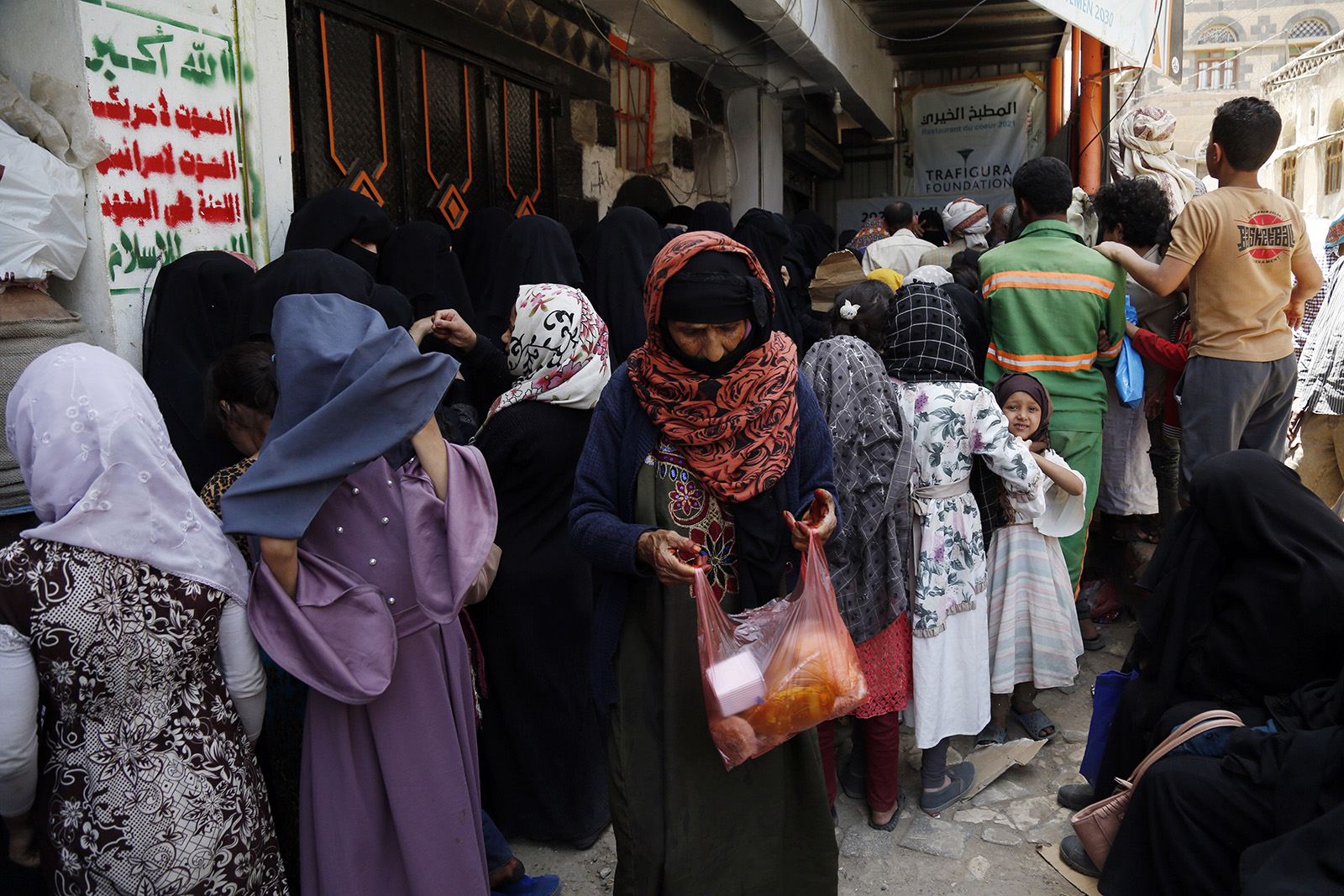
While the exact number still alive is unknown, campaigners say thousands of former workers and widows are affected today, including many living in rural areas in Yemen with limited access to banks, the internet and legal support.
Faten Yafai’s aunt Naama Ghaleb lives in Makbana, a rural village in Yemen. Ghaleb’s husband Ali Dabwan worked in a UK factory before retiring in Yemen, where he died 15 years ago. At first, Ghaleb continued to receive his pension payments — but Yafai said that “at some point after the war began” they stopped without explanation.
“No one’s actually highlighted to them what the issue seems to be and how to resolve it,” she said. “That’s quite frustrating.” Ghaleb now relies on relatives to survive.
Muflihi said the problem was compounded by the deaths of former workers. Many widows had been receiving pension payments years after their husbands’ deaths, which they had been entitled to claim until they died, but later lost access to them — often because they had never dealt with British authorities and could not meet verification requirements. He added that there was further confusion after the government introduced the Pensions Act in 2014, which reformed how state pension and survivor benefits were assessed.
“The husband deals with every single thing — National Insurance number, date of birth and things like that,” he said. “When the husband dies, unfortunately, everything dies with him.”
Muflihi said widows are frequently unable to pass security checks because they do not have the information British authorities demand.
“A lot of people don’t keep this kind of information,” he said. “So they just give up and don’t claim what is rightfully theirs.”
This compounds the issues caused by war, poverty and the absence of a British embassy in the country.
“The advice is to go to Egypt or the UAE,” said Muflihi. “Well, if you were getting a small pension, the cost of travel alone can wipe out years of payments.”
Hashim Ahmed, chair of the Yemeni Community Coordinating Council UK, said he was personally handling more than 30 cases, some dating back nearly a decade. The process has become increasingly difficult over time.
“Previously,” he said, “every three or four years, the British government sent the men or their families a life certificate” — a form issued by the DWP to check that a person living outside the UK should still get a state pension — ”in Yemen. The men or their families would get it signed by a doctor, and the government would accept it as proof of life.
“Now they don’t accept that.”
Instead, families are often told elderly pensioners must speak directly to UK officials by phone.
“Imagine an 80-year-old woman who doesn’t know English,” said Ahmed. “It’s very, very hard for them.”
The consequences have been devastating. “Some of them are very ill,” Ahmed added. “Some of them have nobody to look after them.” He recalls cases where people died while still waiting for payments, including one steelworker’s widow who died last year without the issue being resolved.
The DWP has previously said pension payments to Yemen were disrupted due to banking instability, international sanctions and concerns over fraud, and that they could not resume without secure routes and verification. Officials have also pointed to difficulties confirming claimants’ identities and ensuring money reaches the intended recipients.
Related content
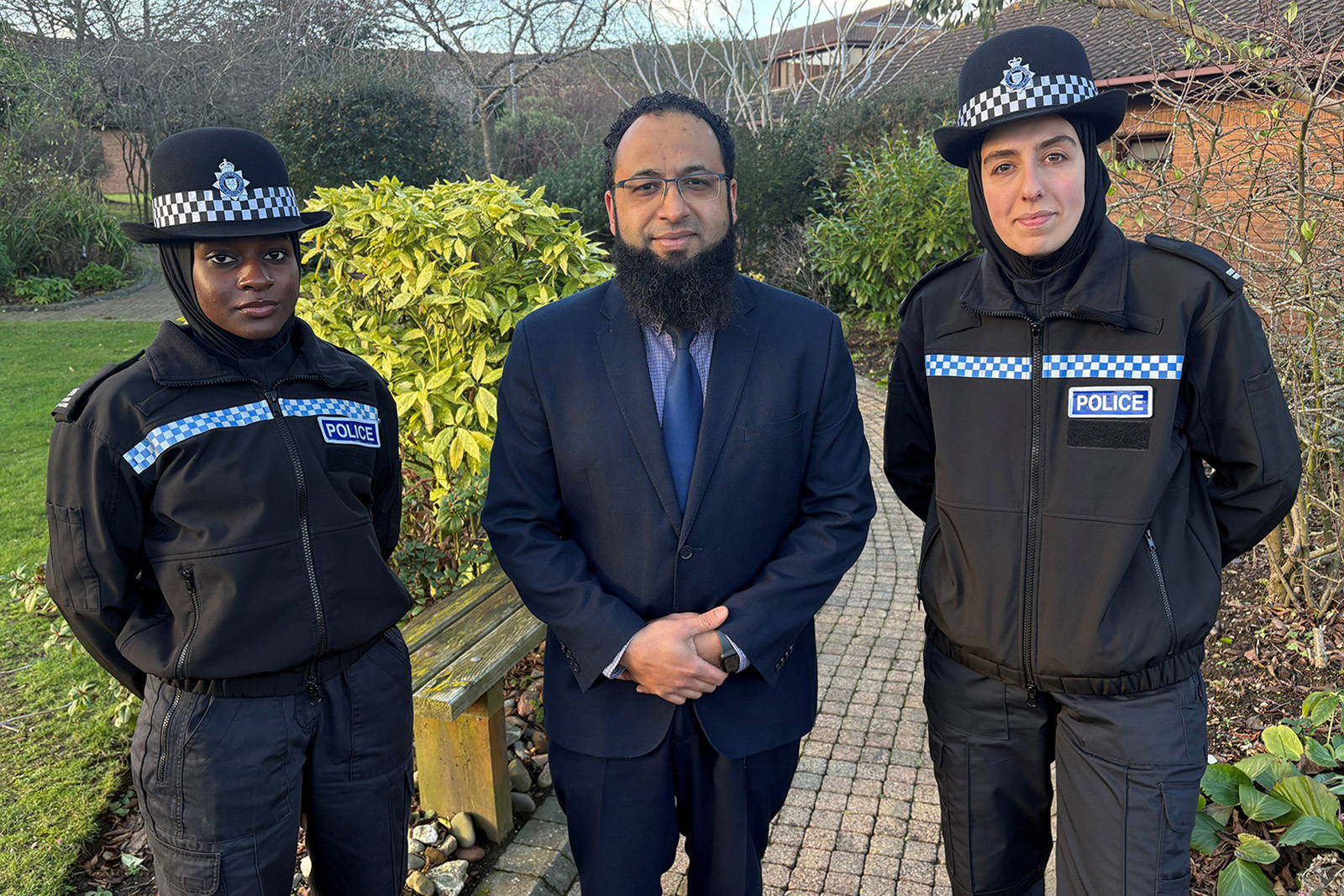
Community organisations say they have tried repeatedly to raise the issue with the DWP and elected officials, but with little progress. Ahmed said frustration was growing across the UK’s Yemeni communities.
“They worked all their life in the UK, and they can’t get their rights,” said Ahmed.
For Muflihi, the issue is about responsibility and dignity. “The pension people have got a duty of care to these people,” he said, adding that the group was considering legal action.
A DWP spokesperson said: “We are aware of an ongoing issue with state pension payments to some recipients in Yemen.
“We continue to work with banks in Yemen and Citi Bank, who provide our overseas services, to try and reinstate payments either in Euros or local currency, and to help confirm customer details.”