

Pioneering Syrian-German PTSD doctor seeks permission to enter Gaza
Germany asked Malek Bajbouj to help rebuild Syria’s healthcare system. Now he hopes to use his techniques in Palestine, where they are desperately needed

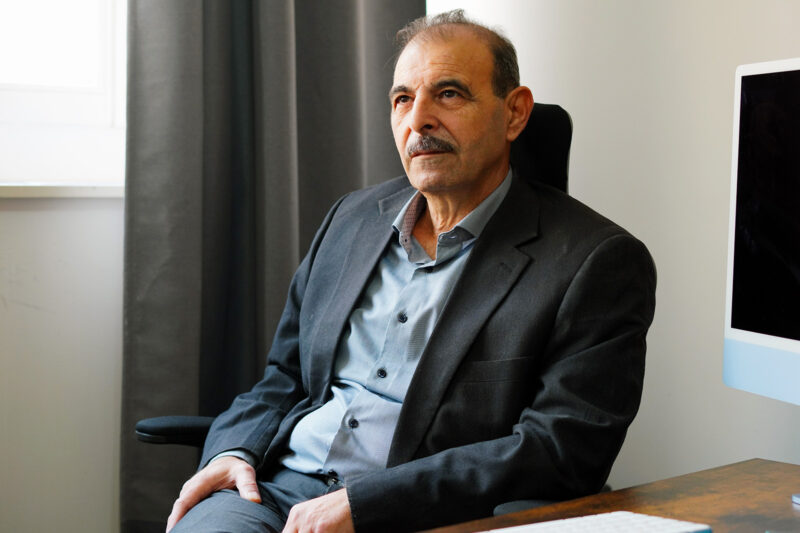
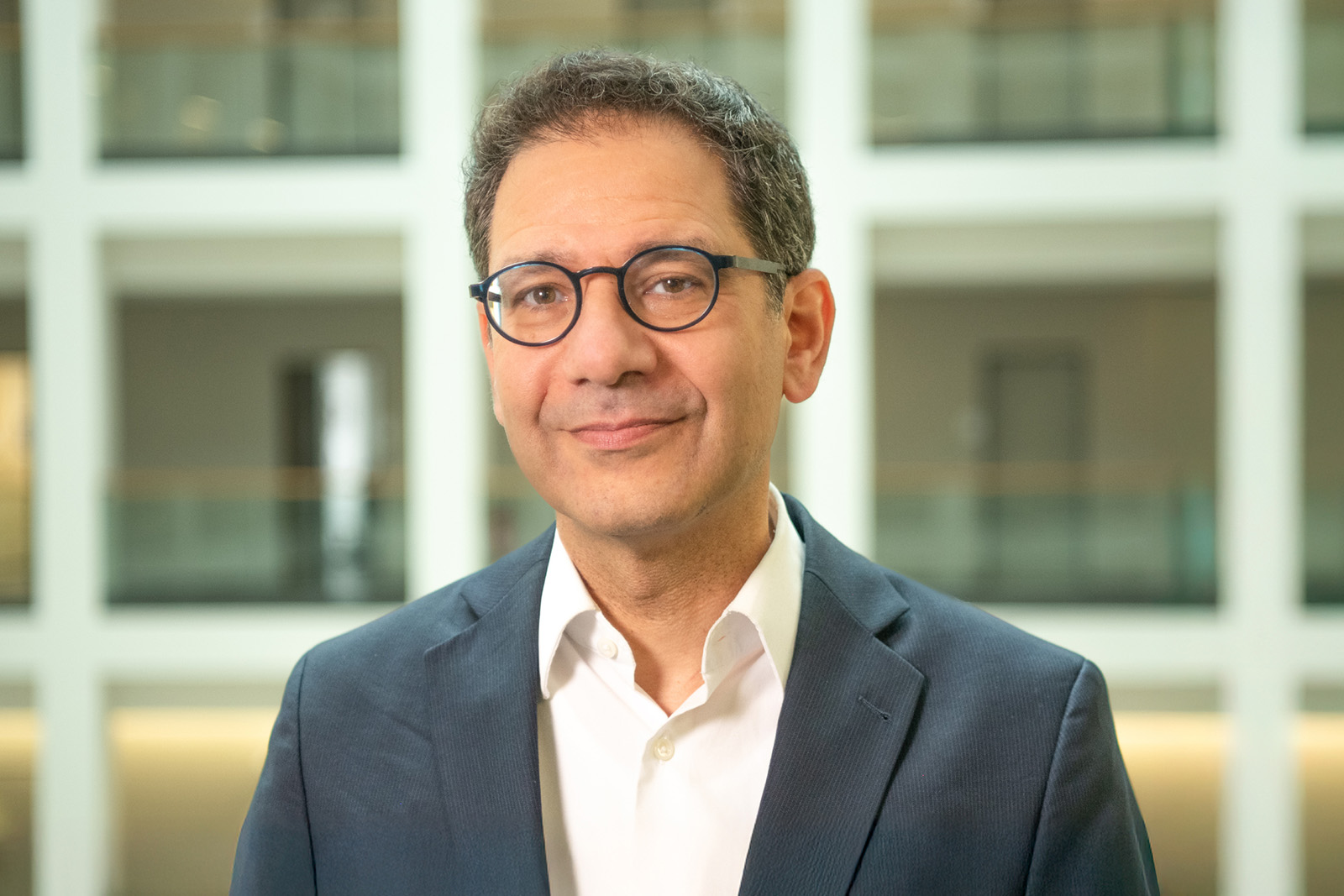
Professor Malek Bajbouj, the pioneering head of psychology and psychotherapy at Berlin’s Charité university, is trying to get to Gaza.
Over the past decade, the Syrian-German psychiatrist has broken new ground in the treatment of trauma, with his research into the long-term effects of early-life stress and the capacity of the human brain to heal itself.
His work has won multiple prizes including the Else Kröner Fresenius Prize for breakthrough medical research, Berlin’s Einstein Professorship and an honorary professorship from Kharkiv University in Ukraine. In Gaza, he sees an unprecedented need for his expertise.
“There are many indicators that both the rates and severity of PTSD are extremely high,” Bajbouj told Hyphen.
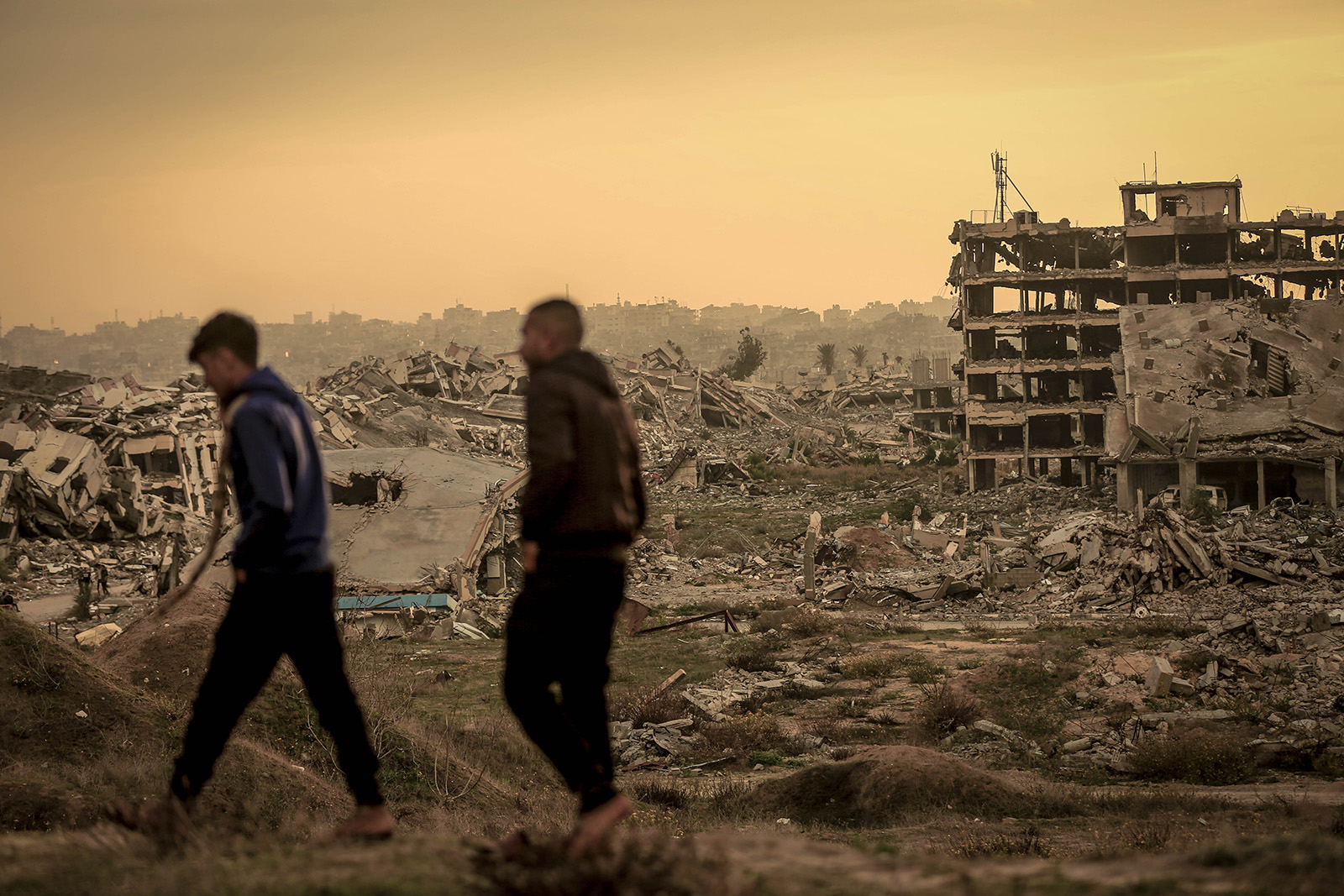
Bajbouj is currently busy working alongside Syrian doctors to rebuild the Syrian healthcare system after the fall of dictator Bashar al-Assad. But the 57-year-old is also negotiating with German government ministries for funding to take his work into the Gaza Strip, where after more than two years of catastrophic war the UN warns that all of the region’s more than 1.2 million children require urgent mental health support.
Born in Germany to Syrian parents, Bajbouj studied in Berlin, Frankfurt and Zurich, and worked in the psychiatry department at New York’s Columbia University before moving to Berlin to take up his post at Charité in 2004. In the course of his stellar career, he has worked with thousands of displaced people in conflict zones around the world.
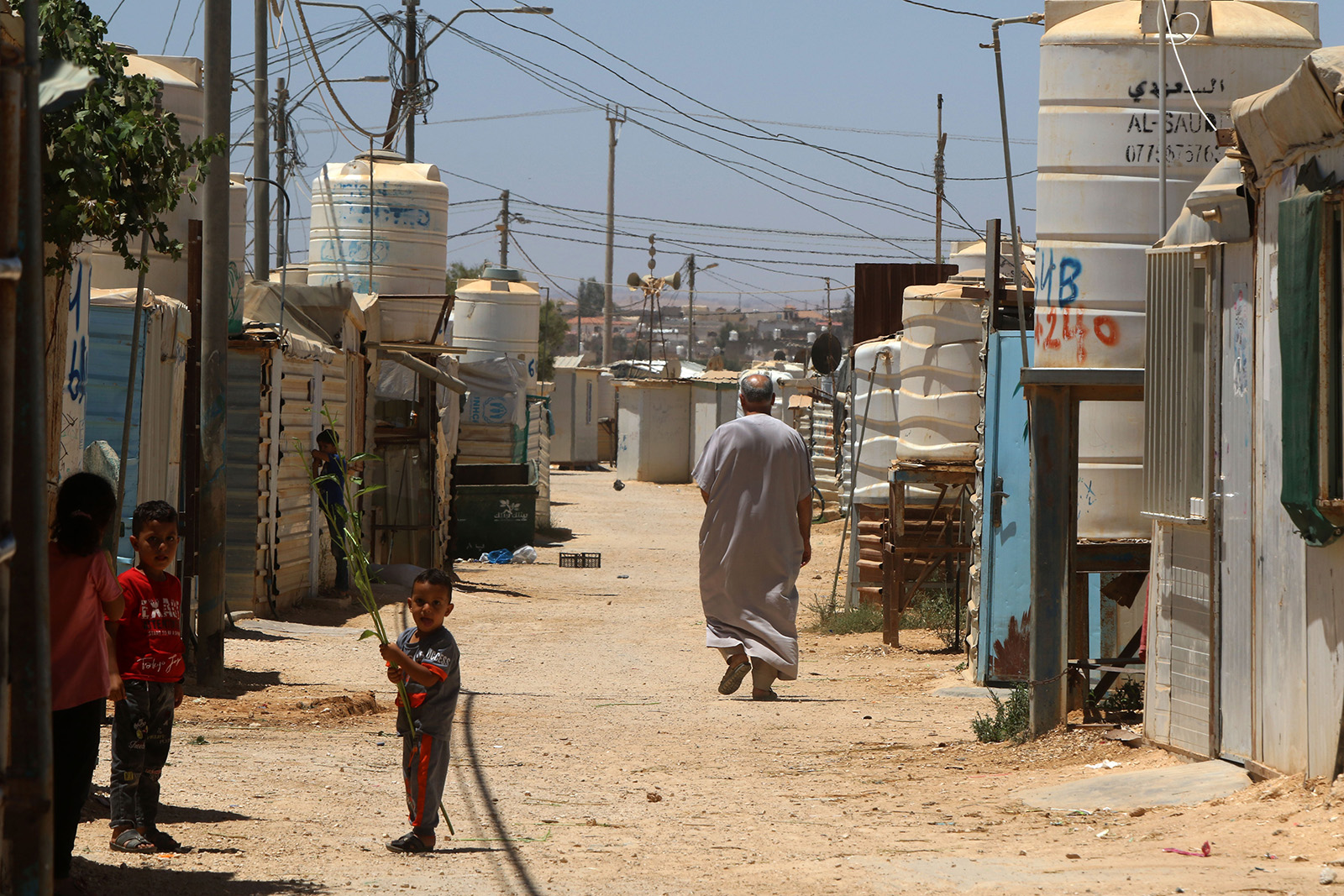
In 2013, Dr Bajbouj was approached by the German foreign office to provide trauma support to Syrians who had fled the civil war to Jordan. The Hashemite kingdom is home to around 600,000 Syrians, 20% of whom live in the Azraq and Zaatari camps near the capital, Amman.
Mental health services here are for the most part provided by NGOs, but the German government wanted to bring academics like Bajbouj into the field to apply and develop cutting-edge treatments.
When he arrived in Amman in 2013, Bajbouj saw many people were suffering complex trauma from witnessing or experiencing violence in Syria, and again from having to flee their homes. He wanted to adapt what he knew about the ability of neural pathways to repair themselves and apply them quickly throughout the refugee camps, at a low cost and without the need for hospital settings. He started to develop peer-to-peer treatment.
“I knew we needed to get people into treatment as quickly as possible,” he said. Achieving this goal was also important to him on a personal level: he still felt a close connection with his parents’ country, even though none of his close family remained there. He knew that those who had recovered from the trauma they experienced would be best placed to eventually help rebuild the country.
Bajbouj has spent his career investigating the impact of long-term stress on the brain. Damage from psychological trauma can be observed in scans just like physical injuries, he explains: “When you have high concentrations of stress hormones in different brain regions for too long, they can lead to atrophies.”
If untreated, this can lead to a range of psychiatric disorders including addiction, depression, anxiety and PTSD, while increasing the risk of developing cardiovascular disorders and dementia. Untreated trauma may even affect people who haven’t yet been born — studies suggest it can be passed to children through their parents’ DNA.
Bajbouj was fascinated by modern research on how the brain could repair itself, something he has explored in his own scientific papers. “We now know the brain is capable of repairing itself through interventions such as medication or psychotherapy,” he said.
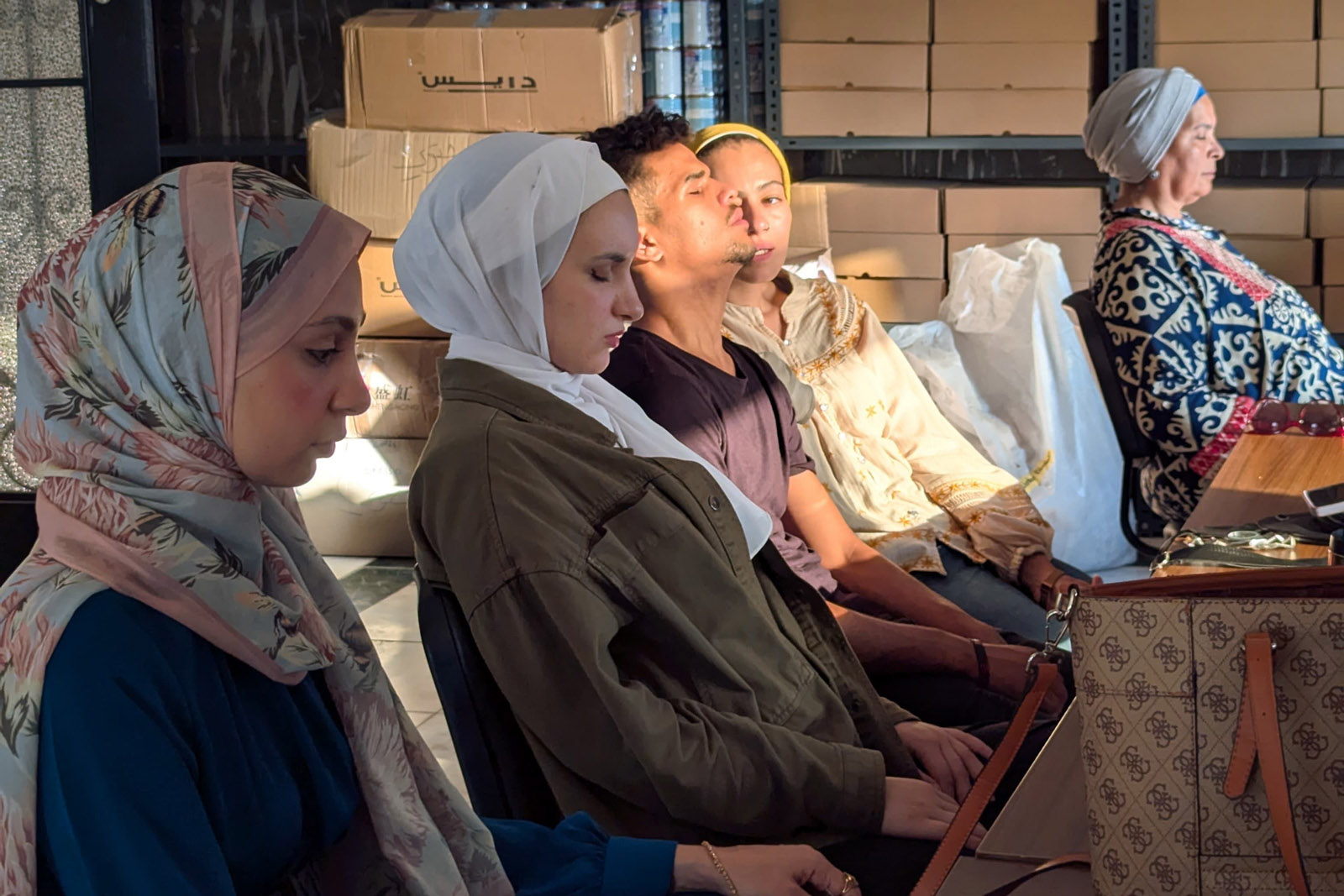
In Jordan, Bajbouj and his colleagues from Germany worked with a local team to train affected communities in simple therapies, to recognise trauma symptoms and identify the most severe cases themselves. The biggest challenge they found in addressing the severe mental health problems caused by conflict was shame.
“Shame is something we encounter no matter where we are working,” he said. “You have to go directly to people rather than expecting them to come to you.”
The team organised community events and lectures in the areas they were working around that weren’t as taboo as trauma, such as sleep or pain management. They taught simple group therapies and stress management techniques.
One such exercise is “rope with stones”, or narrative exposure therapy (NET). A patient lays out a length of rope symbolising a timeline of their life. They lay stones to represent bad memories and flowers to represent good ones, before talking through them. It is a technique that doesn’t require a clinical environment of expensive resources but can effectively reduce PTSD symptoms such as flashbacks and nightmares.
Previously, trauma therapy was considered something that requires months or even years to yield results, but in field settings Bajbouj found this isn’t always the case. “Some people might just need a few sessions. We reserve expert resources for those who are in the direst need.”
After five years in the camps, his team found a peer-to-peer approach drastically shortened the waiting time for treatment and “dramatically reduced the long-term adverse effects of trauma”. They had also trained more than 100 doctors in severe trauma therapy.
“By the end, we were completely unneeded in the region,” Bajbouj said.
He and his team have since taken this technique to traumatised communities across the world, including in Ukraine, Vietnam, and the Clalit Health Services hospital in Israel, where they are currently treating both Israelis and Palestinians.
Verena Kohlbrenner, a psychologist from Charité who worked alongside Bajbouj on the project in Israel, said the team wanted to take these techniques to Palestinian territories and was trying to secure the necessary funding.
“You’re looking at a whole different level [of need] in Gaza because there will need to be rebuilding and peacekeeping,” she said. However, the team has solutions for this: “We have developed mobile units that can go into areas without much infrastructure.”
She added: “We would like to take forward the idea of having a trilateral clinic network between Germany, Israel and Palestine. We have learned that peacebuilding through health is something we would really like to take forward. For example, there is evidence that violence can be disrupted through the treatment of trauma.”