

Weak or shrewd? Starmer’s failure to call out Trump has his MPs divided

The PM had hoped for a domestic reset in 2026. Instead, the US capture of Venezuelan president Nicolás Maduro has dragged him into another crisis

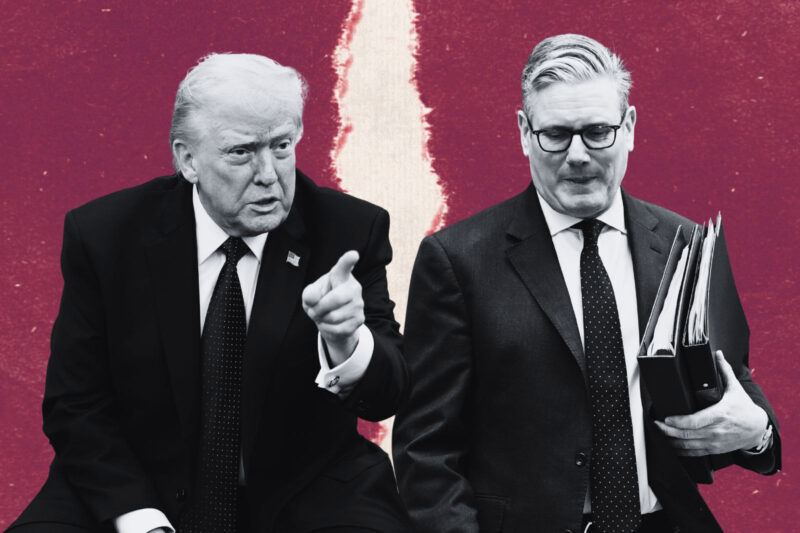
Keir Starmer wanted 2026 to be the year of his reset. Instead, Donald Trump is stopping him from having any of the cut-through he desperately wants and needs.
The prime minister has had a punishing first stretch in Downing Street. After he led Labour to a huge majority in 2024, expectations were high. But a series of mishaps and months of poor polling have led Labour MPs and strategists alike to see 2026 as make-or-break — the year the party may decide to take a drastic step and oust the prime minister. The local elections in May loom as a potential verdict point on Starmer’s leadership, which means he does not have long to turn things around.
That is why the start of this year has mattered so much. I was told that Starmer and his team wanted to “hit the ground running”, to move the conversation away from crises and onto delivery. The message was carefully calibrated: inflation is easing, rail fares are frozen, help with the cost of living will become tangible this year. Starmer himself declared that 2026 would be the year when “renewal becomes reality”.
Related content
But instead, the first week of the year has been dominated by foreign policy — and not on Starmer’s terms.
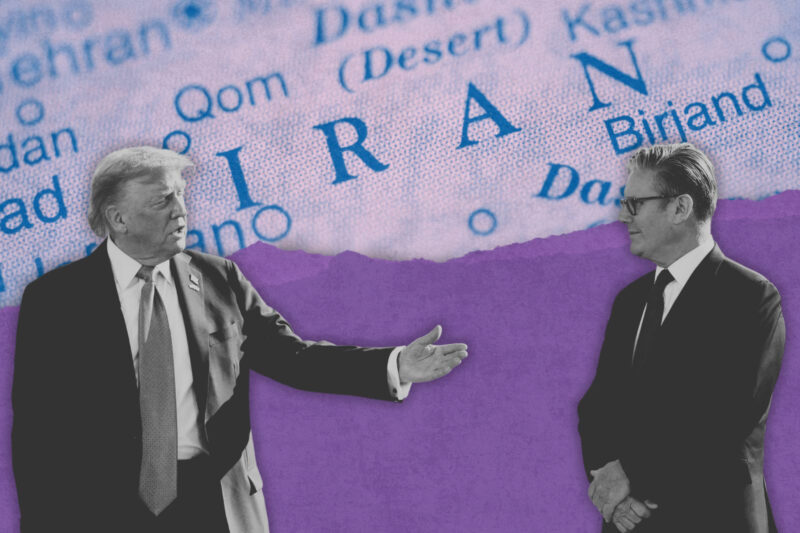
The unpredictable US president regularly dominates the global agenda. Trump’s extraordinary operation in Venezuela, in which Washington seized President Nicolás Maduro and his wife from Caracas, has been the big talking point. Even among Labour MPs, there are some who are not happy with how Starmer is handling it.
The party’s 2024 manifesto promised that a Labour government would be “a defender of the international rule of law”. That might not sound like a controversial line, but it is being put to the test by the actions of the UK’s closest allies.
In the immediate aftermath of the US action, Starmer spoke of supporting a “transition of power” in Venezuela, but said little about how it had been engineered. When pressed, the sharpest phrase he could muster was that “it is for the US to justify the actions it has taken”.
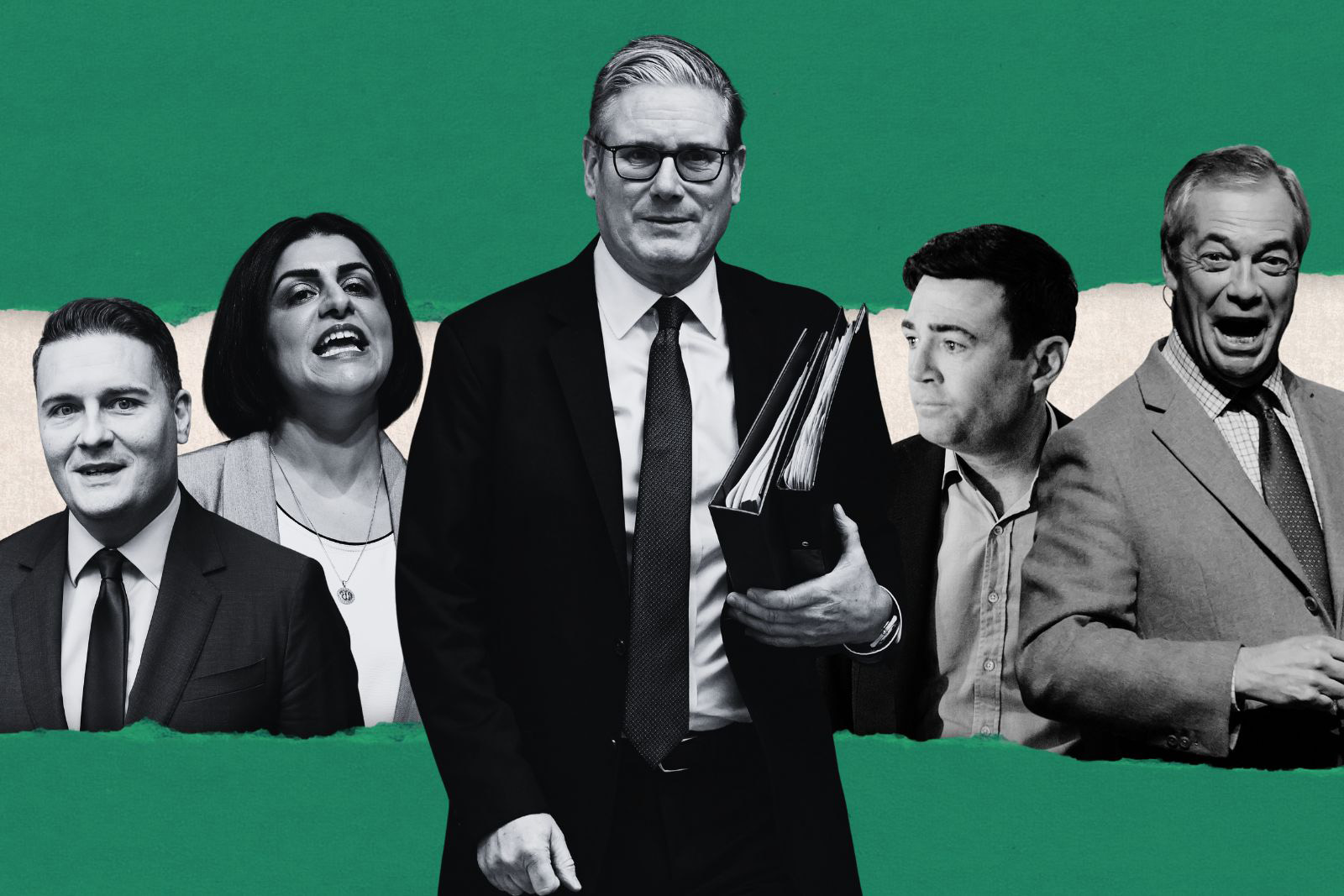
His potential leadership rival, Wes Streeting, was slightly more forthcoming when I asked him during an ITV News interview, saying that “we are seeing the disintegration of the rules-based international order” — but he too stopped short of saying the US had broken international law. When I asked outright if he thought this was the case, he told me only that the prime minister and his cabinet colleagues had to be careful with their words, and that behind the scenes they were working to get the best possible outcome.
The reaction within Labour has been uneasy. Some backbenchers have gone public; others grumble in private. Emily Thornberry, the chair of the foreign affairs select committee, said that there was “no legal basis” for the operation, which she suggested could embolden other countries such as Russia and China to take similar action. Richard Burgon said that “international law is being cast aside to appease Donald Trump”. One usually supportive MP also told me they felt deeply disappointed in the prime minister. “He needs to show leadership, and if he can’t call out what is essentially an illegal act of colonisation, when is he ever going to show it?”
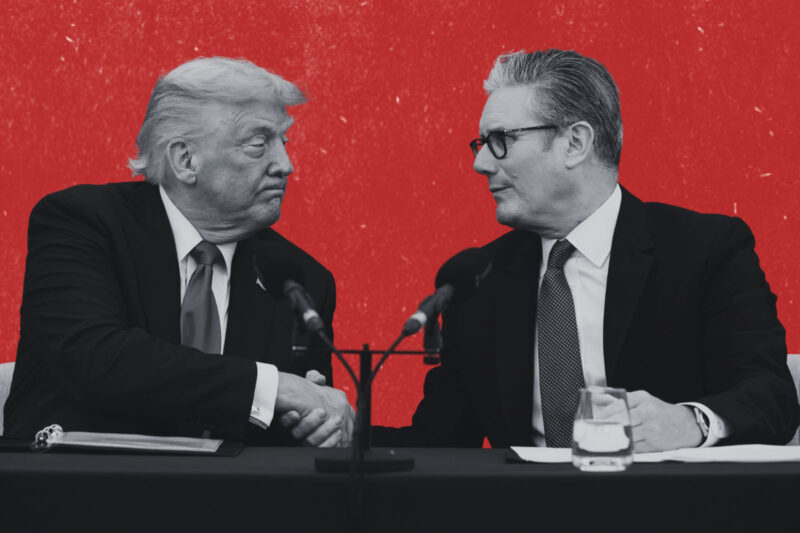
But there are others who say they are sympathetic. Tory and Labour MPs alike have mentioned to me that they know Trump is unpredictable and that, as one put it to me, “Starmer has to be very shrewd”. Downing Street’s strategy is clear enough. Having concluded long ago that Trump’s second term would be volatile, the prime minister has decided not to offer a running public commentary on every move. They believe public spats with the most powerful man on the planet, especially one happy to have spectacular fall-outs, would serve no one.
Better, Starmer believes, to preserve the upsides of a workable relationship — something those in government point to when citing last year’s deal with Washington to limit the impact of US tariffs.
Sounding off about Trump might feel good, his allies argue, but it would be self-indulgent and potentially damaging. And there is a harder truth lurking beneath the surface: Europe’s military frailty means that if Trump were to abandon Ukraine entirely, the continent would find itself in serious trouble, something that is calculated into every decision about what and when to respond to world events.
Related content
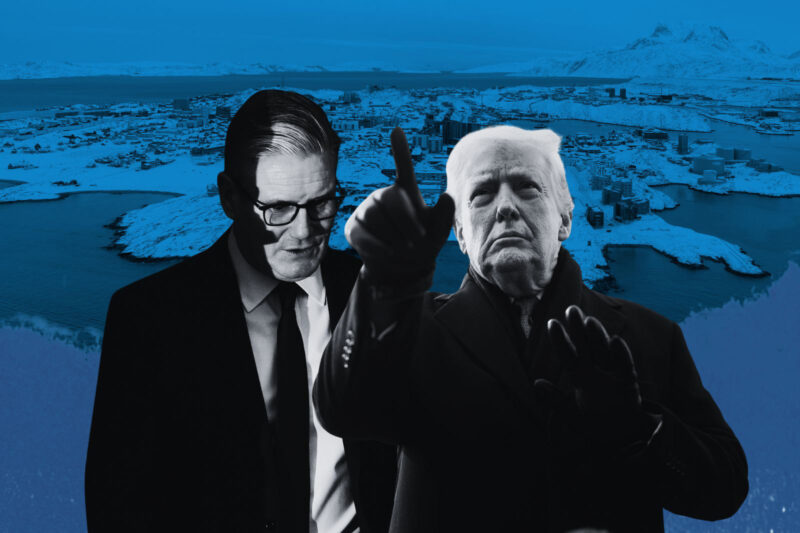
This week’s so-called “Coalition of the Willing” meeting in Paris, which brought together European leaders to discuss support for Ukraine, was again an example of how much of the prime minister’s headspace is being taken up by foreign policy issues. Even Greenland was dragged into the drama, with Trump’s renewed threats to expropriate the territory from Denmark prompting Starmer and other European leaders to issue a joint statement subtly but unmistakably defending a fellow Nato member.
For Starmer personally, the irony is cruel. Foreign policy crises are consuming his premiership just as he needs voters to notice his domestic messaging. Voters rarely reward prime ministers simply for doing the job abroad and, by refusing to criticise Trump, Starmer risks alienating some of his natural supporters at home, nudging them towards the Greens or Liberal Democrats. If he goes too aggressive, however, he might find it harder to have influence on the global stage.
This was meant to be the year when “renewal becomes reality”. Instead, it could become the year when Starmer must prove that he can not only deliver a domestic reset but also continue to walk a tightrope of global diplomacy without further damaging his own reputation at home.
Shehab Khan is an award-winning presenter and political correspondent for ITV News.