

Why do we regress into our childhood roles when going home for the holidays?
The family home works like a time machine. We walk in as functioning adults with tired eyes and within hours we’ve become the kids we once were

The orange smudge is tiny but undeniably visible on the cream cushion of my parents’ living room. I’m sweating. We know we’re not allowed to eat here. We’re the reason the rule exists in the first place.
The four of us snap into action. One brother keeps watch at the door, my sister slides in armed with cleaning products while I check the space for more spills and infractions. The other brother paces back and forth, praying the chilli jam stain away. After years of trial and error, we know to wipe gently and with precision. Never rub. We freeze with the sound of every creak from upstairs.
Regardless of the true culprit, the three of us thirtysomethings have a silent understanding — the youngest will be sacrificed at the altar of our mother should the mark remain. Cruel? Perhaps. But necessary. History shows that only the baby can get away with breaking the rules without repercussions. Sure, he just entered his 20s, a young adult with a job and a car, but he’ll always be our designated fall guy.
Related content
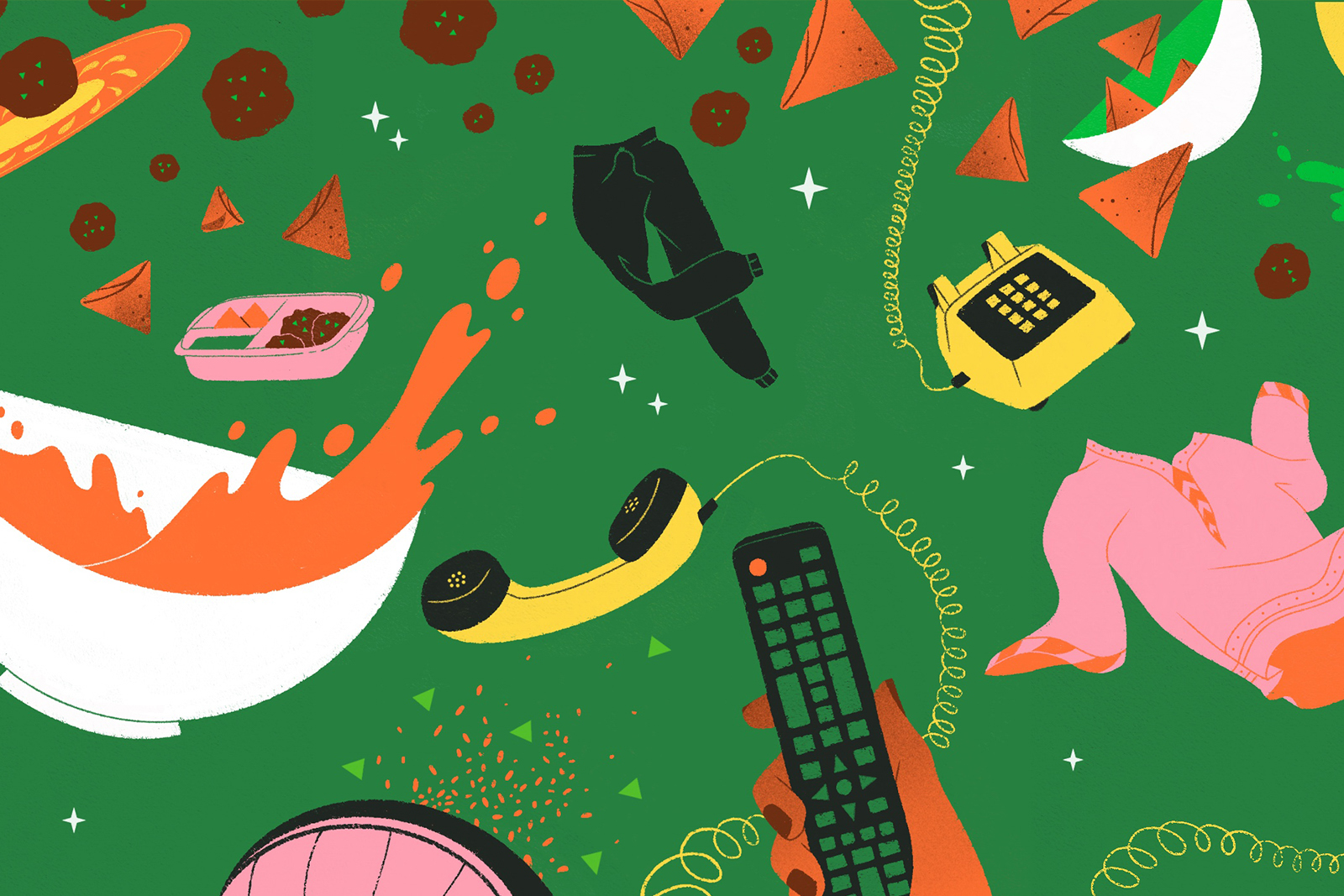
Food and drinks are banned from my parents’ recklessly optimistic white room and have been since the Irn Bru-soaked rug incident in 2011. Yet every December, when we siblings are back under one roof, we risk it anyway. Tradition, I guess.
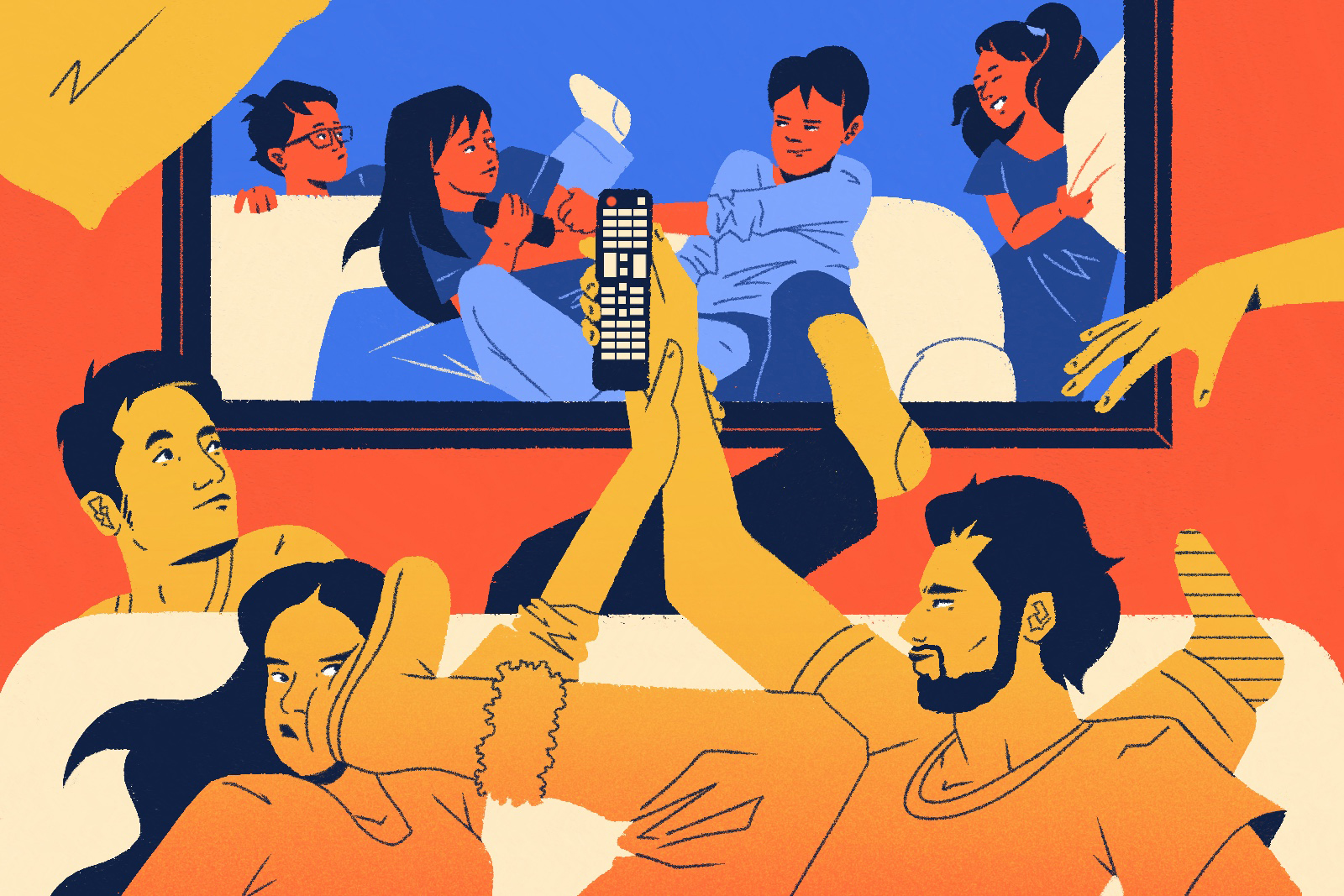
The family home works like a time machine. We walk in as functioning adults with tired eyes, direct debits and fully formed frontal lobes. Within hours we’re back to the same old grievances, squabbling over the TV remote and relitigating childhood crimes like who really broke the Sega Mega Drive. It doesn’t matter how much character development we’ve had out in the real world, entering the front door returns us to factory settings. We regress into our adolescent roles while our parents flip-flop between treating us like toddlers and caretakers.
As the eldest child, I got the absurdly strict and anxious version of my parents. My childhood was shaped entirely by their immigrant struggle. They were young, overwhelmed, constantly braced for disaster. By the time the youngest came along more than a decade later, they’d mellowed as parents. They had stability, maturity and a long overdue epiphany that let them finally unsubscribe from the desi community panopticon — no longer held hostage to the “but what will other people think?” mentality. They’d become different people. Almost unrecognisable from the ones who raised us older siblings.
It can be seen in the smallest, most mundane ways. The three of us move through the house with the twitchy alertness of people raised under constant threat of a chappal, while the youngest floats around like someone who grew up in a different century — which, technically, he did.
When our mum shouts something unintelligible from the top of the stairs, the older kids have been conditioned to respond instantly, while my youngest brother barely looks up from his phone. When our dad walks through the door, we make sure to say Salaam even if we’re mid-sentence, mid-task, mid-thought. The kid takes his time, finishes whatever he’s doing first. Never disrespectful, simply unhurried. Our parents’ voices simply don’t activate his muscle memory in the same way. The evidence is even clearer when we actually get told off. The three of us are scolded in harsh, rapid-fire Punjabi. He gets a slightly stern speech in English.
It reminds me of when we were younger and wanted something from the ice-cream van but knew our parents would say no. We quickly learned that sending in the baby gave us a higher chance of success. He was too cute to refuse. The dynamic never changes, just the stakes.
Related content
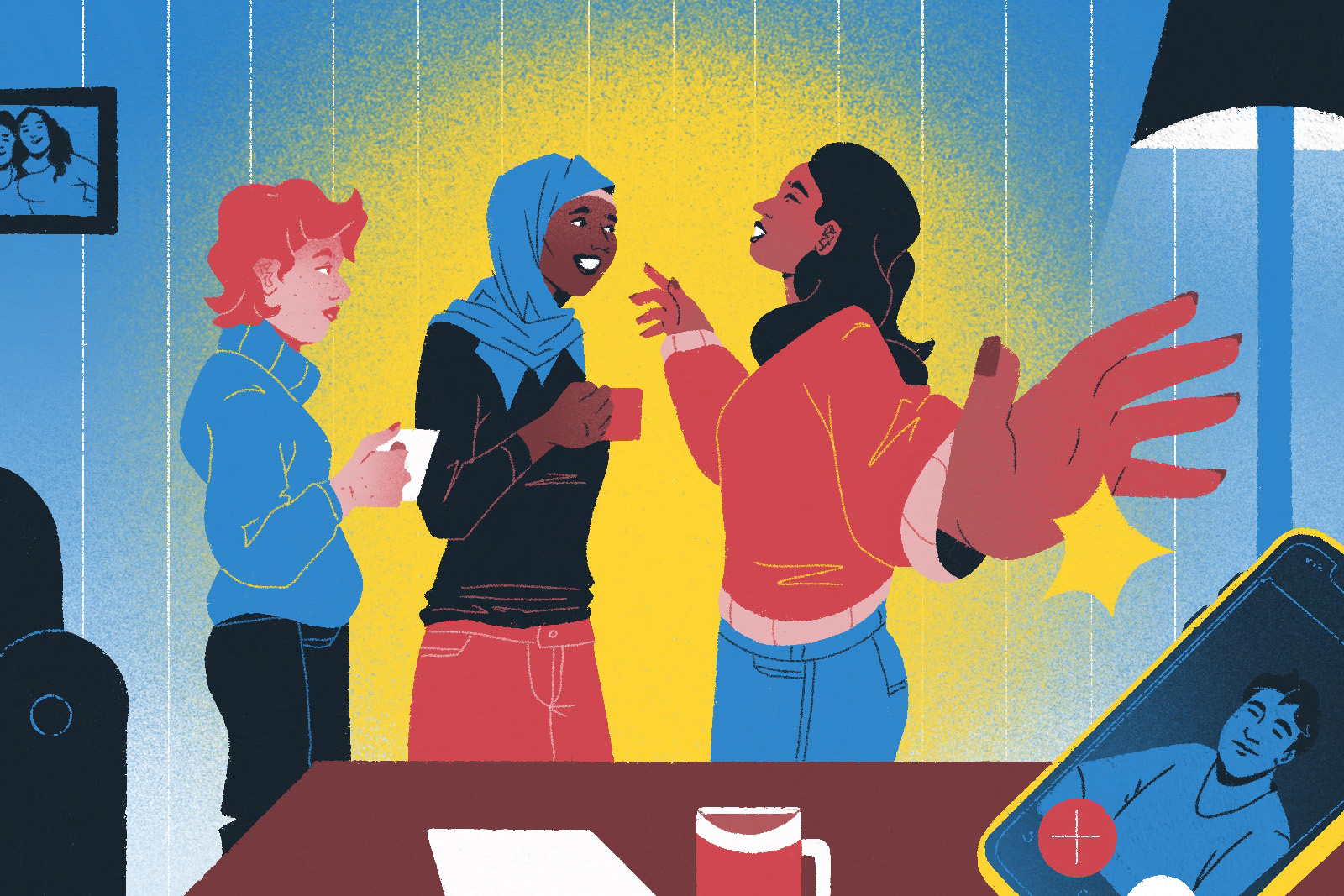
Despite our differences as siblings, over the years we’ve quietly refined our rules of engagement. Instead of arguing endlessly over what to watch, we stick to a list of six approved films, even if at this point we can quote them verbatim. And monopoly is permanently banned after the incident of 2020 which we have agreed never to mention again.
It’s rare to get all four of us home at once these days, each pulled in different directions by work, partners, in-laws and whatever fresh crisis adulthood has manifested.
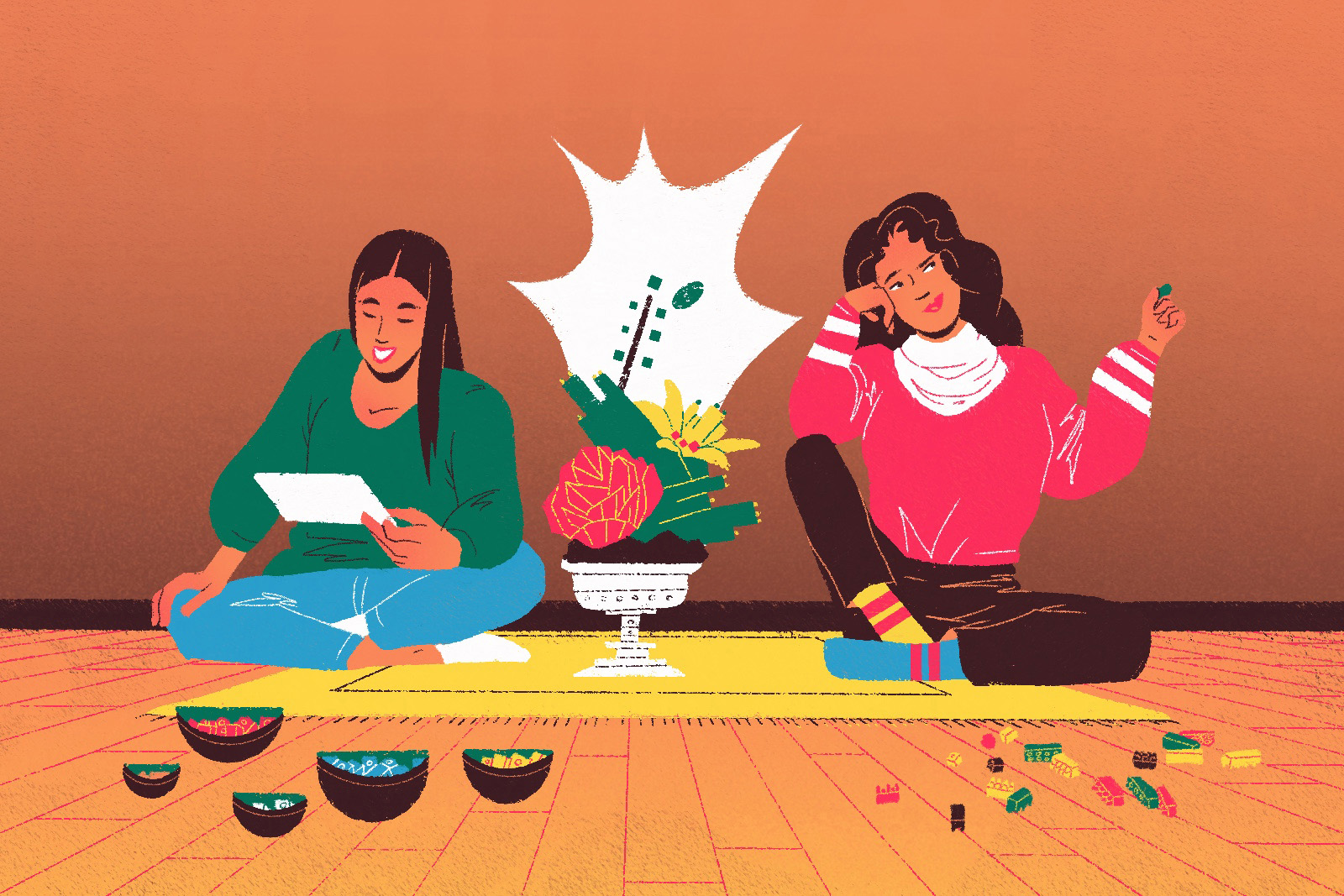
Both Eids invite celebration, but their timing can feel chaotic — a scramble of mismatched schedules and last-minute WhatsApp negotiations. So we’ve learned to carve out days over the winter holidays instead, stretching our time together and the Eid decorations into something hybrid and festive. Repurposing the crescent-shaped tree, the fairy lights, the Ramadan advent calendar that dispenses chocolate instead of dates.
It can be comforting slipping into old patterns, even the ridiculous ones. The pretence and pressure of being an adult who is supposed to have it all together lifts, albeit temporarily. Sprawled across sofas, talking over each other, telling the same stupid stories that still crack us up. We get to be loud, silly and immature again without judgment. The four of us have wildly different personalities and strong opinions but in that room we seem to just make sense. The holidays give us the opportunity to be reminded of that. To appreciate each other.
This really should be the year we stop eating in that room. But we won’t.