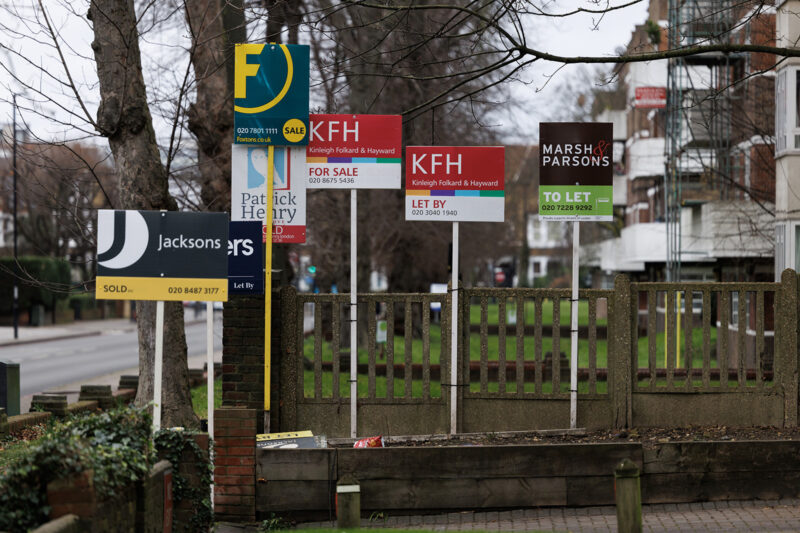


The Syrian refugees who changed Germany

In 2015, Germans opened their doors to a million Syrians fleeing civil war. We meet five who made a profound difference in the decade since

This year marked a bittersweet milestone for Germany — a decade since Angela Merkel opened the country’s borders to hundreds of thousands of Syrians fleeing a brutal civil war.
On 31 August 2015, then chancellor Merkel called on Germans to support a historic gesture of humanity and inclusion. Her view was that European countries with strong economies have a moral obligation to help people searching for safety and shelter. “Wir schaffen das” — we can do this — she told them.
In the decade since, Europe has been proving her wrong. Leaders across the political spectrum are embracing ever harsher migration controls. In November, Britain’s Labour government proposed new immigration policies that would end family reunification for asylum seekers and limit refugees to temporary stays.
The Assad regime fell a year ago, marking an end to a conflict that killed more than half a million people and displaced 13 million. Since then, Syrians across Europe have been wondering if it is safe to return. The current German chancellor, Friedrich Merz, is encouraging them to do so.
But many of the one million Syrians who arrived in Germany since 2015 — 712,000 of whom were granted asylum — have become part of the country’s fabric.
After seven years, around 61% of those granted refugee status were employed, thousands in the German healthcare system. The national cultural calendar now includes Arabic arts, music and theatre events. Germans, notorious for their conservative food tastes, have embraced Syrian cuisine.
By 2023, 7.5% had gained a German passport, with another 91% either applying or planning to. At least 56,200 children have been born in the country who are now dual citizens.
Here are five people who sought shelter in Germany and undeniably changed the country for the better.
Improving LGBTQ+ rights: Mahmoud Hassino
Since arriving in Berlin in 2015, Mahmoud Hassino has helped transform support for LGBTQ+ refugees in the country. As a counsellor at queer service centre Schwulenberatung he helped authorities open a specialist LGBTQ+ shelter, installed better training for translators and bureaucrats, and made it easier for trans refugees to access gender-affirming care. But the 50-year-old says the best part is seeing those he counsels go on to live fulfilling lives.
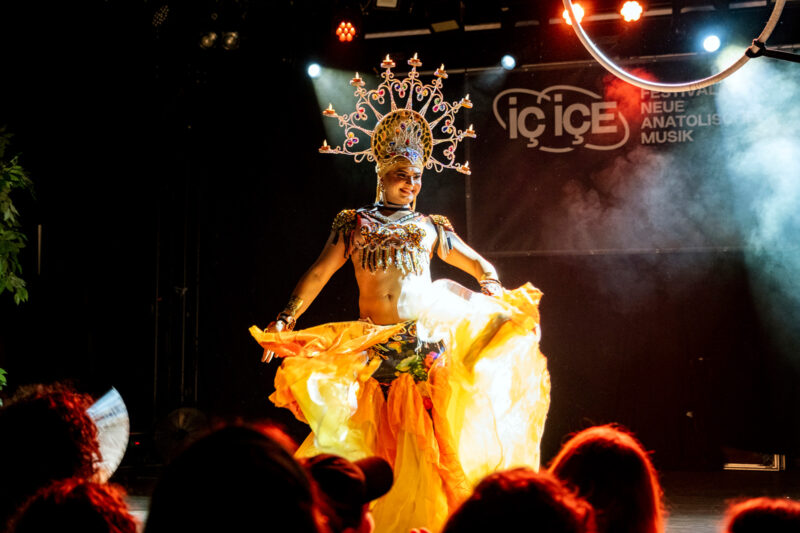
“I know they just wanted to have a sense of freedom, and I’m so happy for them,” he said, adding the Berlin queer scene has become much more diverse in the past decade thanks to Arab parties such as Adira and even drag shows inspired by the region of south-west Asia and north Africa.
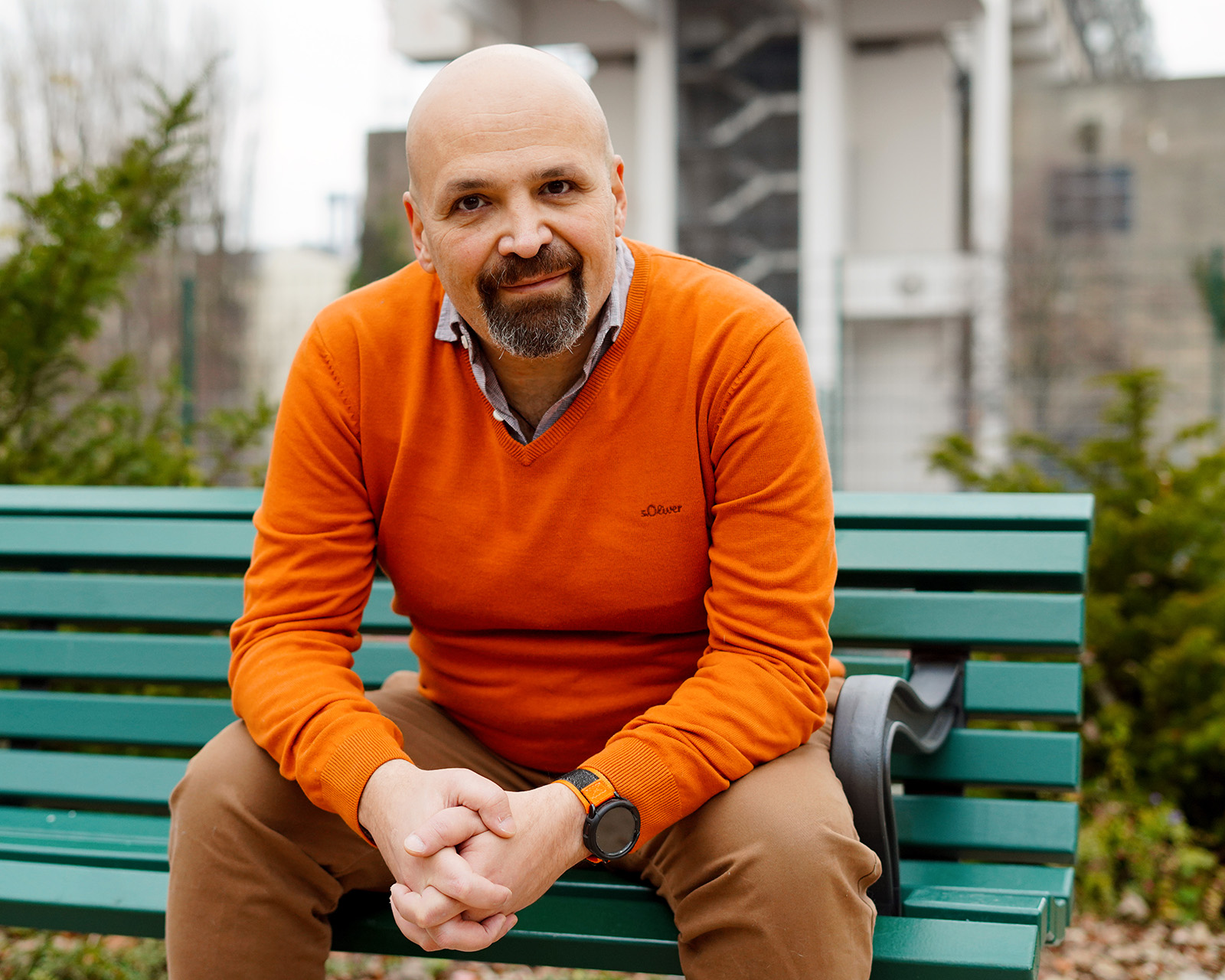
Hassino first started helping LGBTQ+ refugees from Iraq navigate the asylum system when he was working in communications in Damascus in 2009. He left Syria for Turkey in 2012 after the civil war began and started a now defunct blog, Syrian Gay Guy, as well as founding Syria’s first queer magazine, Mawaleh (Nuts in Syrian Arabic).
He sought asylum in Germany in 2015. He wanted to work but was unsure if he could handle the emotional toll of working with refugees again. Then he received a thank-you message from someone he had helped in Damascus, with a picture of their new Dutch passport. “It was incredibly emotional realising you can change someone’s life like that,” he said. As soon as his asylum application was accepted, he applied for a job at the Schwulenberatung.
Hassino stepped back from working with LGBTQ+ asylum seekers in 2022 after experiencing burnout during the Ukraine crisis, and currently works as a counsellor supporting disabled refugees.
With a new government installed in Damascus, he plans to relaunch Mawaleh. “Queer people have been written out of the region’s history,” he said, referencing the sex relationships of historic figures such as poet Abu Nuwas and the Assad regime’s little-discussed persecution of LGBTQ+ people. “I don’t want that to happen again.”
Entrepreneur: Tarek Abousamra
Born into a family of entrepreneurs, Tarek Abousamra, 35, started working for his father’s medical devices company in Damascus soon after finishing university, first as a product manager and then as the chief product officer. When the civil war started in 2011, a warehouse holding much of the company’s stock was destroyed. “We lost the business; we lost everything,” he said.
After trying, unsuccessfully, to apply for visas in multiple countries, Abousamra claimed asylum in Germany in late 2015, hoping to join his brother there. He arrived a few months after Merkel’s famous “Wir schaffen das” declaration, when the atmosphere was warm and upbeat. “From the moment I arrived, I felt welcomed and treated respectfully,” he said.
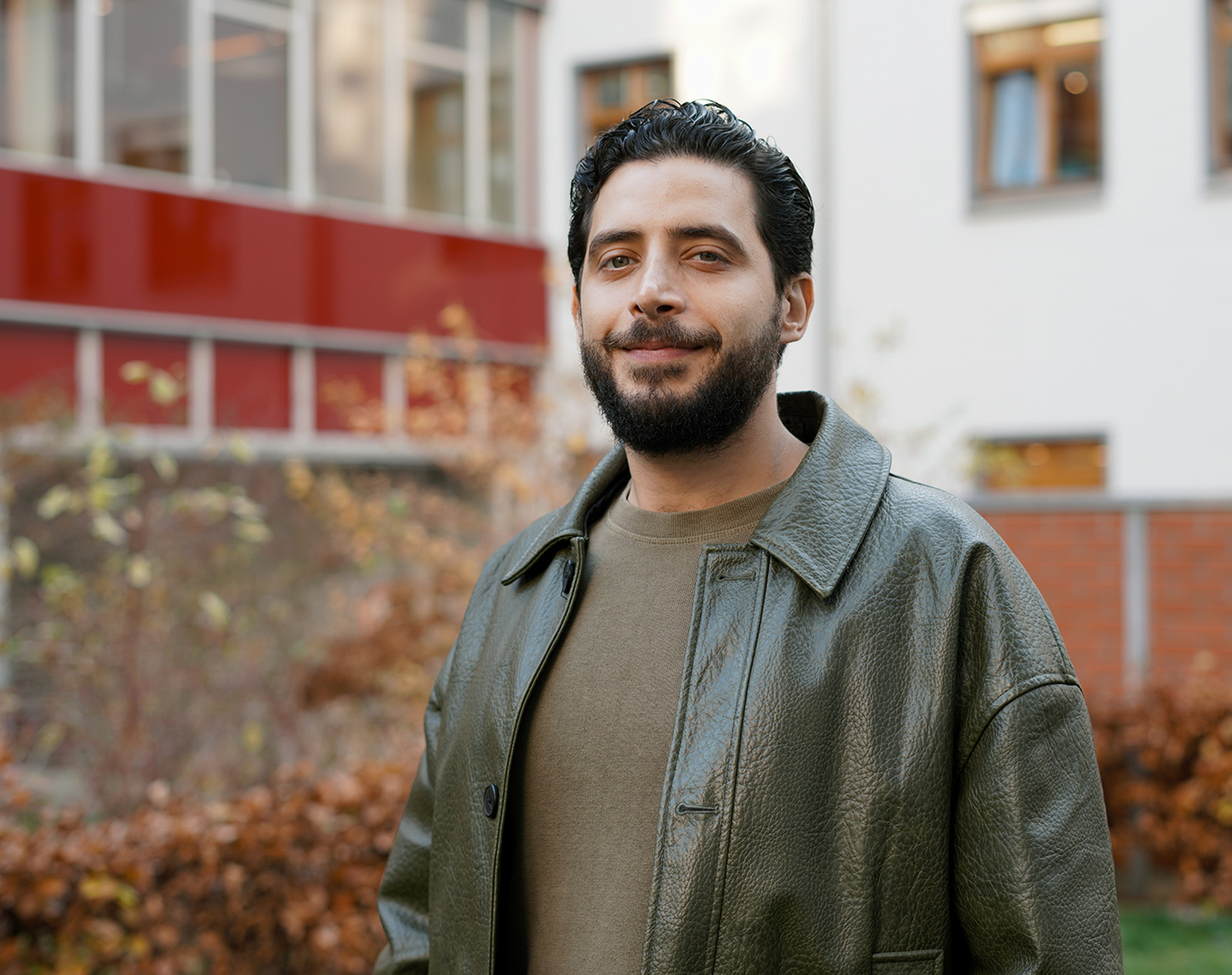
During his first year he worked odd jobs, helping people move homes and assembling furniture. After being scammed by several adverts posted on social media platforms by people requesting help who then refused to pay him, he had an idea: “I started thinking there should be a safer way to exchange these services.”
Abousamra and his brother started a shipping logistics company in 2017. Then, in 2018, he met British tech worker Amelia Bryant at a networking event and pitched her his idea for a safe, secure casual work platform. “She immediately loved it,” he said. He left the shipping company, she quit her job, and the pair founded the app Co-Tasker in 2020.
Today Co-Tasker is widely used in 23 German cities, with thousands of tasks posted each month, and is about to expand into the Netherlands. Each task has a contract attached and fees are kept in an escrow account until services are completed. Abousamra says most users are immigrants: “Not just the people offering work, but also those who have just moved to Germany and don’t know how to find a cleaner or repairperson.”
He admits building a business in Germany is tougher for foreigners. “Getting investment funding is all about who you know, so you have to hustle far harder when you don’t have those connections,” he said. “However, I’m extremely grateful for everything Germany has given me. It has shaped me into the person I am today.”
Doctor: Omar Chebib
More than 6,000 Syrian doctors work in the German public healthcare system. Among them is Omar Chebib, 39 — joint head of the anaesthesiology department at University Hospital Düsseldorf. As a senior organiser in Syrian Society for Doctors and Pharmacists in Germany (SYGAAD), he has also campaigned for easier recognition of foreign medical qualifications in Germany.
Chebib completed his medical training in Jordan in 2010 and was home and working in Syria when he joined the first protests against dictator Bashar al-Assad in 2011. He was arrested in the second week. “That was enough for me — I realised I had to leave,” he said.
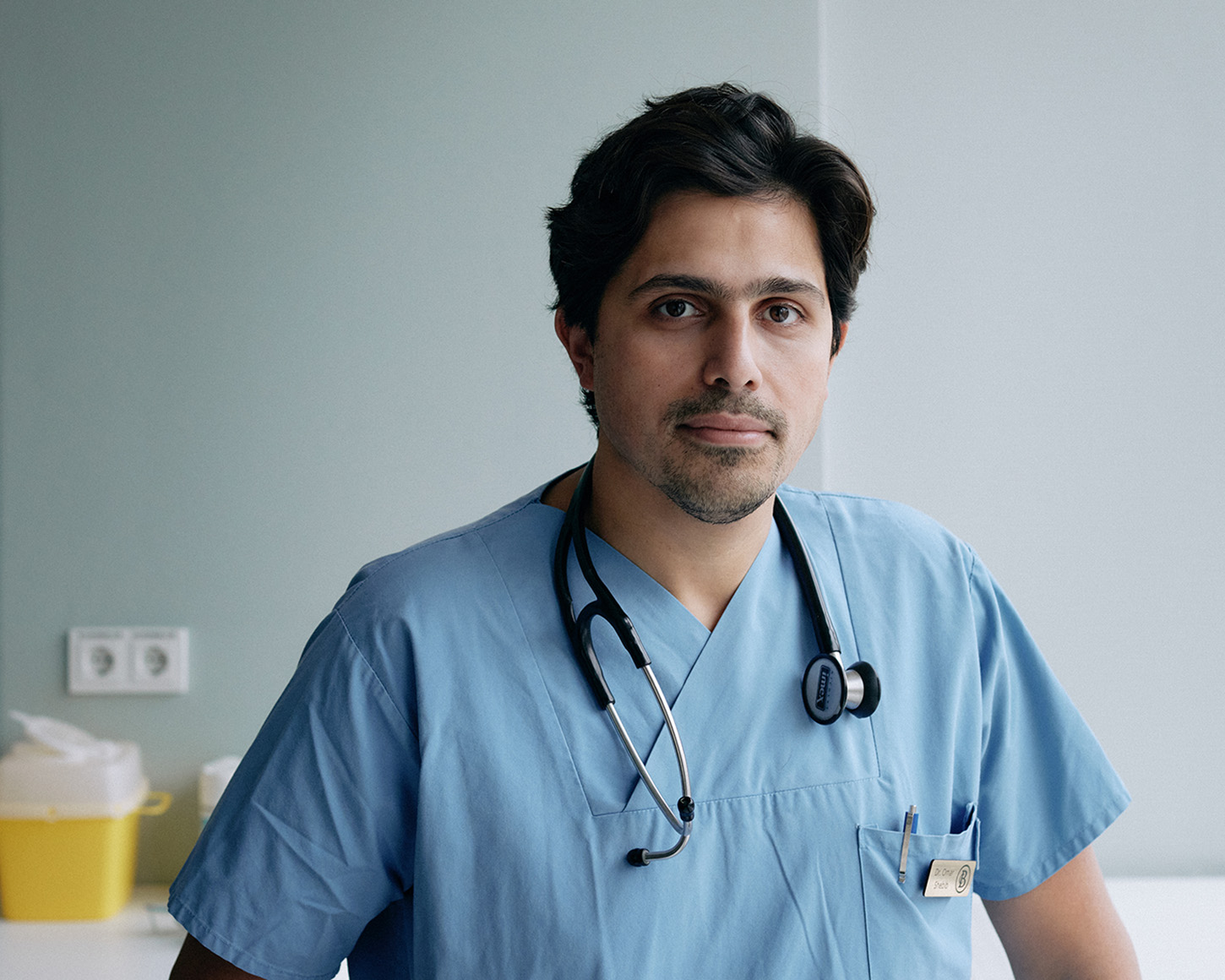
He left for Germany later that year on a language learning visa and spent 18 months waiting for his medical licence to be approved. “I thought I was going to end up driving a taxi at some point,” he said. Eventually he was approved to work in the public healthcare system and his wife, a Montessori schoolteacher, joined him from Syria.
Chebib joined a Facebook group for Syrian doctors in Germany, which was then replaced by SYGAAD. Chebib became a community organiser, helping new healthcare workers settle in and pushing for reduced bureaucracy. He admits he’s frustrated that more of their suggested reforms have not been implemented.
The collapse of the regime in late 2024, coupled with a rise in anti-immigrant rhetoric in Germany, presented Chebib with a dilemma. He has been back to Syria twice this year to volunteer in the healthcare system and wants to do more. He worries that Syrians “will be pushed out” of Germany by anti-immigrant politicians and wonders if the family shouldn’t jump before they’re pushed. But his two children, aged four and nine, both born in the country, with German passports, are set on staying. “They speak Arabic at home, and they love Syria. But they consider themselves German,” he said.
Artist: Kefah Ali Deeb
A multi-hyphenate artist, writer, tour guide and activist, Kefah Ali Deeb was 29 when the Syrian revolution began. She immediately joined the National Committee for Democratic Change, a coalition of opposition movements, regularly attending meetings and working with opposition figures. She was arrested four times and finally fled to Germany in 2014. “I feel very connected to my country and I never pictured myself in Europe,” she said. “But it was a matter of life and death.”
In Berlin, Ali Deeb has written feminist children’s books, authored a column about her experiences as a refugee in newspaper Die Tageszeitung, and exhibited her paintings. She has also hosted tours on Arabic mythology in the Volderasiatisches Museum (Museum of the Ancient Near East).
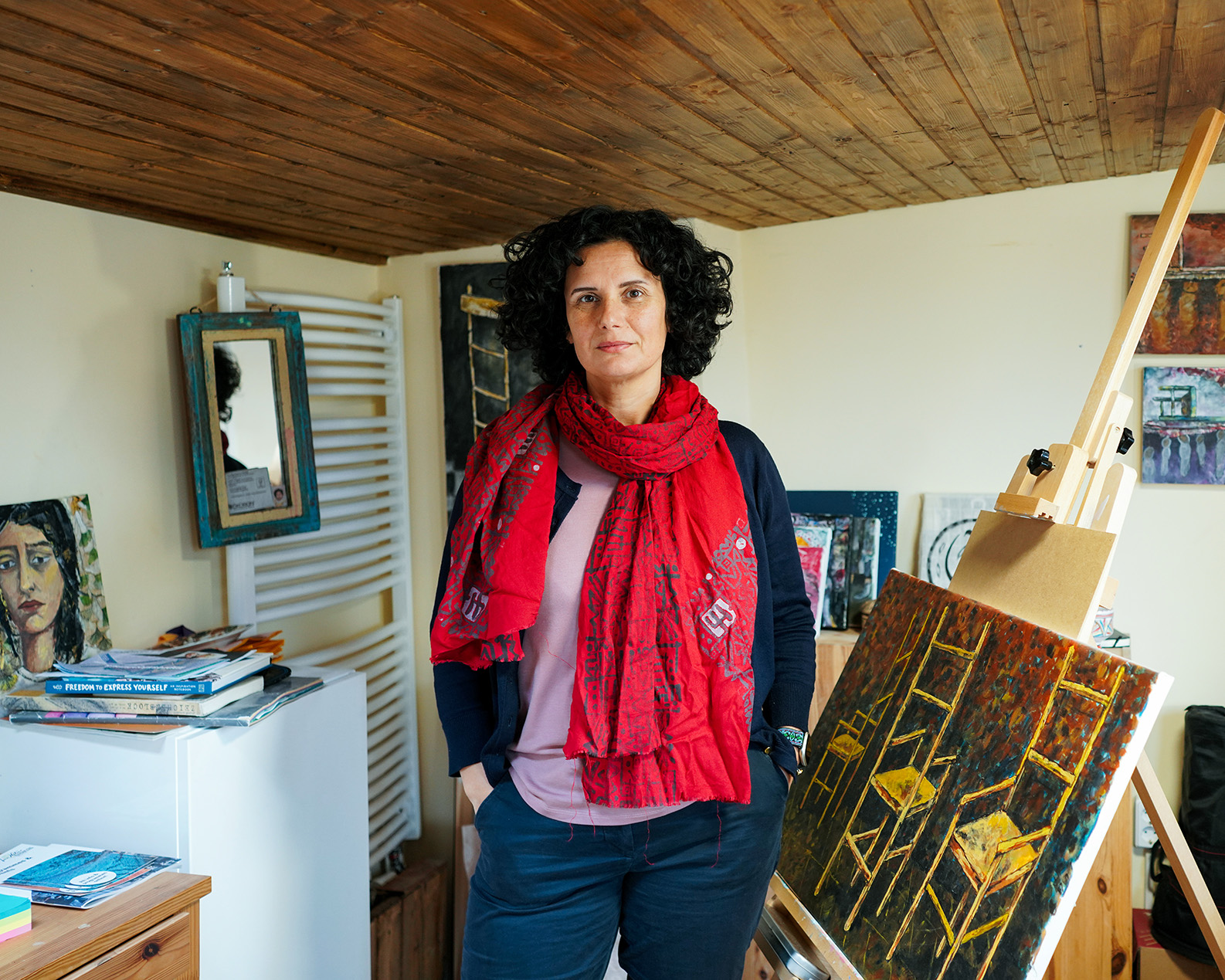
It’s her work as an Arabic-language museum guide she is particularly proud of. “Intellectual or creative work doesn’t matter to me if I’m not using it to help my people,” she said. “I want to be close to them and to fight for them.”
Ali Deeb was working on a children’s art project with Berlin’s museum authority when she had the idea for Multaka: Museum as Meeting Point. The project initially involved four German state museums offering free tours for Arabic and Farsi-speaking migrants and refugees, but has now been adopted in seven countries including the UK — at the Oxford University Museum — Italy and Spain.
“Many people were still living in camps in really miserable situations,” she said. “Seeing part of their heritage in museums here in Germany really made them feel welcome.”
Ali Deeb still runs tours at the Egyptian Museum in Berlin and works as a writer and journalist. She recently travelled back to Syria to report for national newspaper Die Zeit. She now has a three-year-old daughter and her Syrian husband thinks it’s still too dangerous to return.
“I don’t know if Germany ever understood that integration is a two-way process,” she said, adding that she is dismayed by Germany’s anti-immigration U-turn. “If it were just me, I would move back immediately.”
Human rights lawyer: Anwar al-Bunni
Anwar al-Bunni, 66, was one of Syria’s top human rights lawyers: dangerous work that resulted in his arrest and torture by the Assad regime on several occasions. But it is in Germany, where he fled in 2014, that he’s done some of his most important work.
He was among a team of prosecutors who pushed to try Syrian war criminals in the German legal system using universal jurisdiction, a provision for crimes to be tried anywhere in the world if they are serious enough. “These types of prosecutions usually happen through international bodies, such as the International Criminal Court,” he explained. They usually take place after a regime has been deposed.
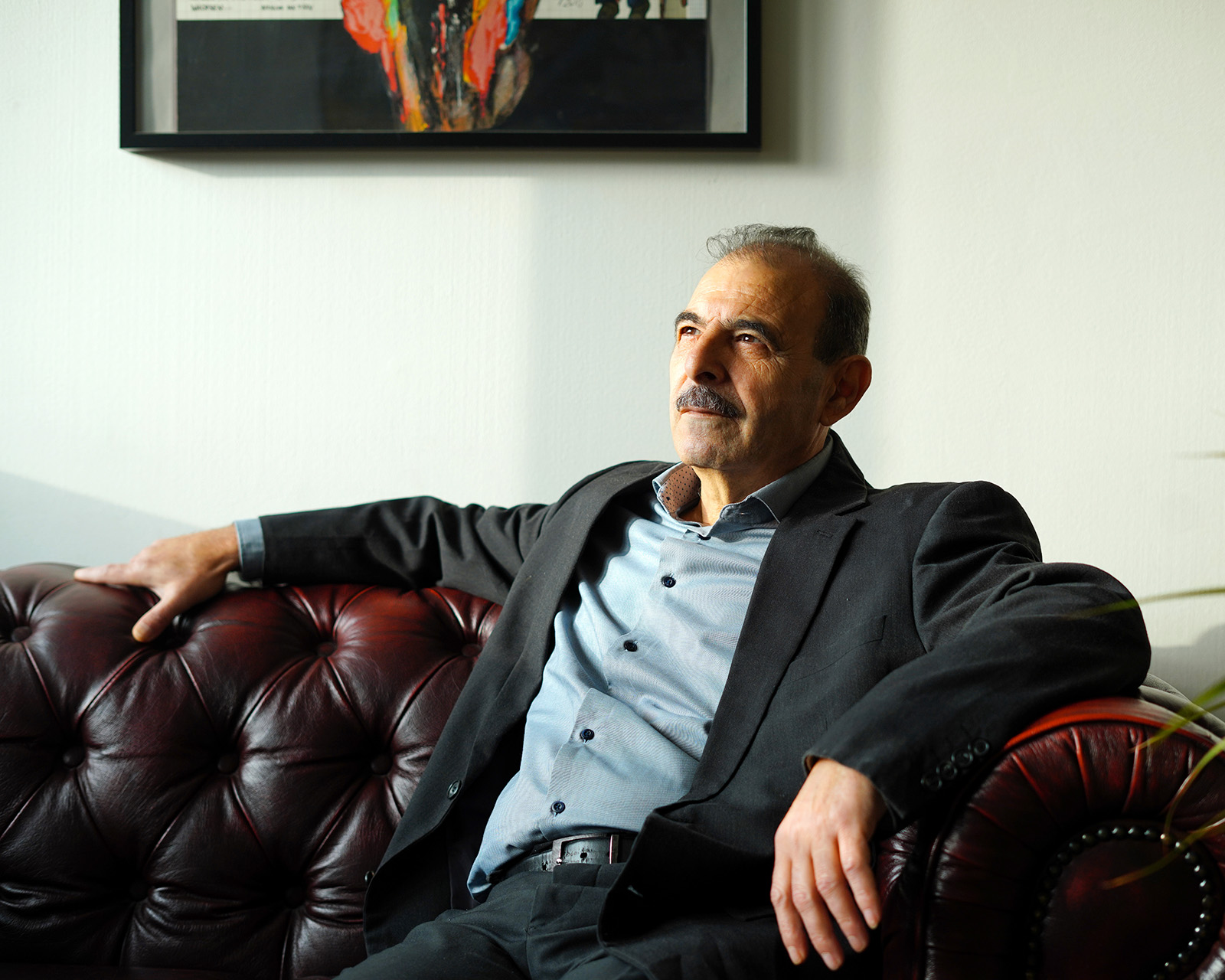
However in 2022, when Bashar al-Assad was still in power, al-Bunni was instrumental in the prosecution of Anwar Raslan, a former general in Assad’s army — a landmark case that has paved the way for similar crimes against humanity trials around the world. Al-Bunni’s legal qualifications are not recognised in Germany so he could not argue the case, but he appeared as a witness and found eight other people to testify against Raslan, many of whom were clients in Syria.
Al-Bunni had been arrested by Raslan in 2006, but he insists he was driven by a need for justice rather than personal retribution: “I knew [Raslan] was just one person in a huge machine, but I also knew as soon as he was found guilty, that was the first nail in the regime’s coffin.”
Al-Bunni’s team has subsequently advised lawyers hoping to employ universal jurisdiction in cases in Iraq, Sudan, Tunisia, Egypt, Ukraine and Russia.
He is now helping with 14 cases against the former Syrian regime, including that of an alleged Assad-linked militia leader who was arrested in Berlin in September, and two Austria-based ex-regime officials who have been charged with torture and sexual assault.
His team is also tracking regime figures who recently fled to Europe. “People are less scared to be witnesses now. We still have a lot of work to do,” he said.